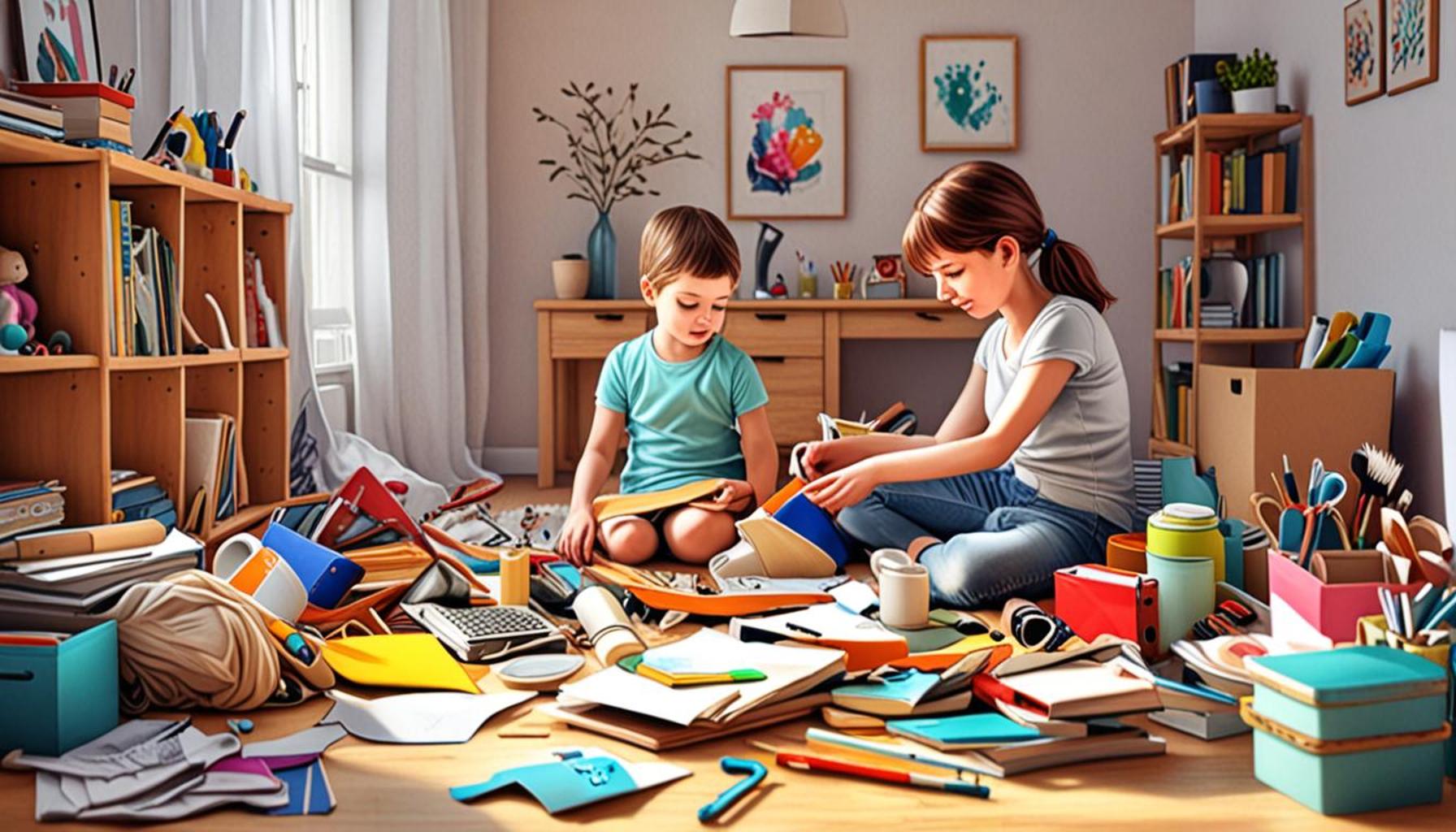
The Importance of Emotional Decluttering: Free Yourself from Items That No Longer Serve Your Personal Growth

Understanding Emotional Clutter
In today’s fast-paced world, emotional clutter can often weigh us down more than physical items. The burden of psychological baggage can create obstacles to personal growth, stifling our ability to thrive. From unnecessary relationships to outdated beliefs, these emotional burdens can significantly impact our mental well-being and hinder our personal development. It is crucial that we take the time to recognize these influences and take appropriate action to mitigate their effects.
Common Sources of Emotional Clutter
Consider these common sources of emotional clutter, which may be lurking unnoticed in various aspects of life:
- Unused possessions: Physical items that no longer bring joy or utility can serve as a constant reminder of the past. Whether it’s clothing that has been collecting dust in the closet or a collection of books we never revisit, these items may compellingly distract from our present goals.
- Toxic relationships: Interactions with individuals who drain your energy instead of uplifting you can significantly affect your emotional state. It’s vital to evaluate friendships and relationships to ensure they contribute positively to your life. For instance, social media often amplifies feelings of inadequacy when we compare our lives to curated moments presented by others.
- Negative self-talk: The inner critic that stifles your growth may manifest as persistent doubts and harsh judgments about your abilities. Such self-talk can diminish confidence and prevent you from pursuing new opportunities, which ultimately hampers your personal evolution.
Steps to Begin Emotional Decluttering
By acknowledging these obstacles, we can begin to engage in emotional decluttering. This transformative practice enables us to free ourselves from distractions and focus on what truly matters in our lives. For many, this might involve journaling to process thoughts, seeking therapy to navigate turbulent emotions, or dedicating time to mindfulness practices like meditation or yoga. Embracing change is essential for evolving into the best version of ourselves.
Benefits of Emotional Decluttering
The benefits of emotional decluttering extend far beyond mental clarity. They can lead to significant improvements in various areas of life, including:
- Improved mental health: Engaging in regular emotional decluttering can lead to reduced anxiety and stress levels, contributing to a more balanced and fulfilled life.
- Enhanced productivity: As you declutter emotionally, you may find a greater focus on personal and professional goals. This can manifest in improved performance at work or renewed engagement with hobbies.
- Stronger relationships: By shedding toxic connections, you create space for more supportive and positive interactions, fostering a healthier social circle and enabling deeper connections with those who uplift you.
Moving Forward
Embarking on this journey not only liberates us from the past but also paves the way for a brighter future. It invites exploration and bold steps toward self-improvement, leading us to discover the power of letting go. As you begin to declutter emotionally, remember that the path to personal growth is a journey, not a destination. Embrace the changes that come your way, and allow yourself the grace to grow.

DISCOVER MORE: Click here to learn about minimalism’s impact on community spaces
The Impact of Emotional Clutter on Personal Growth
Recognizing and addressing emotional clutter is not just an abstract notion; it holds a profound significance in our daily lives. Emotional clutter can create a dense fog of confusion that obscures our vision for future aspirations. When we accumulate incessant worries, unexpressed feelings, and unresolved conflicts, we inadvertently limit our capacity for self-discovery and growth. This clutter, much like physical disorder, must be examined to facilitate a space for both personal and emotional development.
Identifying Emotional Blockages
In the journey of emotional decluttering, it is essential to identify specific blockages that are preventing our progress. Here are several prevalent forms of emotional clutter:
- Fear of Change: This common psychological barrier can paralyze us and amplify feelings of dissatisfaction. The uncertainty of new ventures or changes can lead individuals to default to familiar, yet suffocating, patterns that hinder growth.
- Guilt and Regret: Lingering feelings from past mistakes can accumulate as emotional weight, clouding your mental state. Whether it’s a missed opportunity or a wrong decision, these emotions can dictate our self-worth and keep us tethered to our past.
- Perfectionism: Striving for unattainable ideals can lead to dissatisfaction and burnout. When we set unrealistic expectations, we often become our harshest critics and fail to appreciate our achievements, both large and small.
The Relationship Between Emotional Clutter and Decision-Making
One of the most unnoticed casualties of emotional clutter is the impact it has on our decision-making processes. When feelings of anxiety, dread, or confusion dominate our mental landscape, making choices can become overwhelming. This often results in procrastination or indecision, stunting personal growth and prolonging unwanted situations. For instance, a person trapped in an unfulfilling job may find it difficult to seek new opportunities because emotional clutter renders them paralyzed by fear.
Strategies for Clarity and Growth
To combat emotional clutter, consider implementing strategic practices that can shed light on hidden pathologies and redirect energy towards personal development. Some effective approaches include:
- Mindfulness Meditation: Practicing mindfulness helps cultivate awareness of thoughts and emotions, enabling individuals to observe them without judgment. This realization can often reveal underlying issues that need addressing.
- Emotional Journaling: Writing down thoughts and feelings can provide an outlet for unresolved emotions and serve as a powerful reflection tool. Regular journaling can clarify feelings and highlight necessary changes.
- Setting Clear Boundaries: Establishing boundaries with others can be crucial for emotional health. This involves voicing personal needs and priorities, thereby reducing interactions that foster negativity.
The arduous yet rewarding path of emotional decluttering necessitates commitment and intentional effort. By beginning the process of removing unnecessary emotional debris, we set the stage for a life that aligns more closely with our authentic selves and values. Each step toward a clearer emotional environment is a step closer to becoming the person we aspire to be.
| Advantage | Description |
|---|---|
| Increased Clarity | Emotional decluttering helps to clear mental space, allowing one to focus on essential goals and aspirations without distractions. |
| Enhanced Well-Being | Removing items that no longer serve a purpose can promote a sense of well-being and happiness, fostering emotional stability. |
| Personal Growth | Letting go of outdated possessions encourages a mindset focused on personal growth and new opportunities, driving forward movement in life. |
| Improved Relationships | Decluttering allows for healthier relationships by removing unnecessary emotional baggage that can cause conflict. |
Understanding the profound impact of emotional decluttering on personal development can inspire you to embark on this transformative journey. As you assess the items and associations in your life, you’ll discover a profound opportunity to reshape your mindset and encourage growth. Less clutter not only leads to clearer thoughts but also opens up room for meaningful connections with others and a more positive internal dialogue. By investing time in this process, you’re not just removing physical items; you’re dismantling barriers to your own development.
DIVE DEEPER: Click here to discover more about creating healing spaces</
Navigating the Process of Emotional Decluttering
Understanding the importance of emotional decluttering transforms the way we engage with our inner worlds. As we often prioritize physical spaces over emotional clarity, it is crucial to recognize that these two realms are inextricably linked. To navigate emotional decluttering effectively, we need to delve deeper into actionable methodologies that can help us sift through our psychological clutter and reclaim our sense of self.
The Role of Self-Compassion in Decluttering
A pivotal element in the journey of emotional decluttering is self-compassion. Research from the University of California, Berkeley, suggests that practicing self-compassion can reduce anxiety and increase emotional resilience. When individuals treat themselves with kindness and understanding during moments of struggle, they can confront their fears, regrets, and guilt without judgment. This approach encourages a healthy dialogue within, allowing for the acknowledgment and acceptance of imperfections, and ultimately leading to profound emotional growth.
Engaging in Meaningful Conversations
Another vital aspect of emotional decluttering is opening channels of communication. Engaging in meaningful conversations with trusted friends, family members, or therapists can provide much-needed perspective. Expressing feelings out loud can help in externalizing internal struggles. The simple act of sharing can dissolve the isolation that often accompanies emotional clutter. Moreover, constructive feedback may reveal insights and solutions previously obscured by emotional overload.
Decluttering as a Form of Self-Expression
Decluttering isn’t merely about removing harmful elements—it can also be a celebration of self-expression. Consider physical practices that resonate with your emotional state, such as art, music, or movement. Creative expression has been shown to lower stress levels, enhance mood, and improve overall mental health. By channeling emotions into creative outlets, individuals can break free from stagnation and discover new pathways for personal growth.
The Connection Between Environment and Emotions
Interestingly, emotional decluttering can also manifest through physical spaces, creating a two-way relationship between our surroundings and our internal states. A report from the National Institute of Health highlights that a cluttered environment can lead to increased feelings of stress and anxiety, further entangling emotional health with our physical conditions. Thus, as one embarks on an emotional decluttering journey, it is beneficial to also examine physical surroundings. Clear spaces can foster clarity of thought, while emotional clarity can influence the upkeep of those spaces.
Adopting a Minimalist Mindset
Embracing a minimalist mindset can significantly improve our emotional well-being. This approach, rooted in the notion of ‘less is more,’ advocates for evaluating what truly adds value to our lives, whether it’s relationships, activities, or even thoughts. By maintaining only those aspects that contribute to our personal growth, we free ourselves from the weight of unnecessary baggage. Studies suggest that individuals holding a minimalist perspective tend to experience lower stress levels and heightened satisfaction in daily life.
As we traverse the transformative journey of emotional decluttering, it becomes clear that dismantling the walls of emotional clutter will illuminate a path towards self-discovery and renewal. Each strategy explored not only aids in emotional cleansing but also acts as a compass guiding one toward a life rich in purpose and fulfillment.
DISCOVER: Click here to learn more about the benefits of natural light
Conclusion: Embracing the Freedom of Emotional Decluttering
In conclusion, the journey of emotional decluttering presents an invaluable opportunity for personal growth and self-discovery. By recognizing and addressing the emotional baggage that weighs us down, we open ourselves to a world of clarity, creativity, and resilience. The process of sifting through our emotional landscape allows us to reclaim our time and energy, paving the way for a more fulfilling and intentional life.
Throughout this exploration, we’ve illuminated several critical elements—like the profound impact of self-compassion, the importance of engaging in meaningful conversations, and the liberating effects of adopting a minimalist mindset. Each of these strategies contributes to a broader understanding of how our internal emotions and external environments influence one another. Not only does emotional decluttering lead to a healthier mental state, but it also fosters a harmonious living space that resonates with our values and aspirations.
As you refine your approach to emotional decluttering, consider making it a regular practice, integrating it into your daily routine to maintain clarity and positivity. Remember, it’s not about perfection; it’s about progress and self-awareness. By actively letting go of what no longer serves your growth, you empower yourself to thrive in new directions. Step into this transformative journey; the freedom that comes from emotional clarity and a decluttered life awaits you.