
Emotional Detachment: How Decluttering Can Help Overcome Burdensome Memories and Spaces

Discovering Freedom Through Decluttering
The weight of our memories often manifests as physical clutter in our lives. In the fast-paced world we live in, both mental and emotional burdens can accumulate, triggering stress and anxiety. Is it possible that simplifying our physical space can lead to emotional liberation?
The Connection Between Space and Emotion
Many individuals experience a strong connection between their surroundings and their emotional state. For instance, a cluttered room can evoke feelings of:
- Confusion
- Overwhelm
- Disconnection
This connection is not merely anecdotal; studies have shown that clutter can affect our concentration and creativity, leading to undue stress. An environment filled with unorganized items can create distractions, making it difficult to focus on the tasks at hand. Conversely, a tidy space can promote a sense of calm and clarity, enhancing both productivity and mental well-being. But how can we initiate this transformation?
Steps to Achieve Emotional Detachment
Decluttering isn’t just about tidying up; it’s about reclaiming our well-being. Here are some steps to consider:
- Identify emotional triggers in your belongings. Often, items we hold onto are tied to memories that can hinder our progress. A dusty trophy from high school may remind us of lost dreams, while old clothes might evoke past relationships. Recognizing these associations can help you make informed decisions about what to keep.
- Create a plan to sort items into categories: keep, donate, discard. Developing a systematic approach can streamline the decluttering process. Set aside dedicated time and focus on one area at a time. Community organizations often welcome donations, so consider how your unneeded items might benefit others.
- Reflect on what truly brings you joy and peace. Evaluating your belongings with a discerning eye can clarify what aspects of your life contribute positively to your happiness. For example, instead of keeping every souvenir from past trips, choose a few meaningful mementos that remind you of the joy those experiences brought.
By engaging in this process, you may find that freeing your space can also release your mind from the past. Decluttering opens up opportunities for new energy and experiences in your life. Consider how a minimalist approach, championed by figures like Marie Kondo, encourages intentional living. This method of intentionality fosters a renewed sense of purpose, as each item in your space becomes a conscious choice rather than a burdensome obligation.
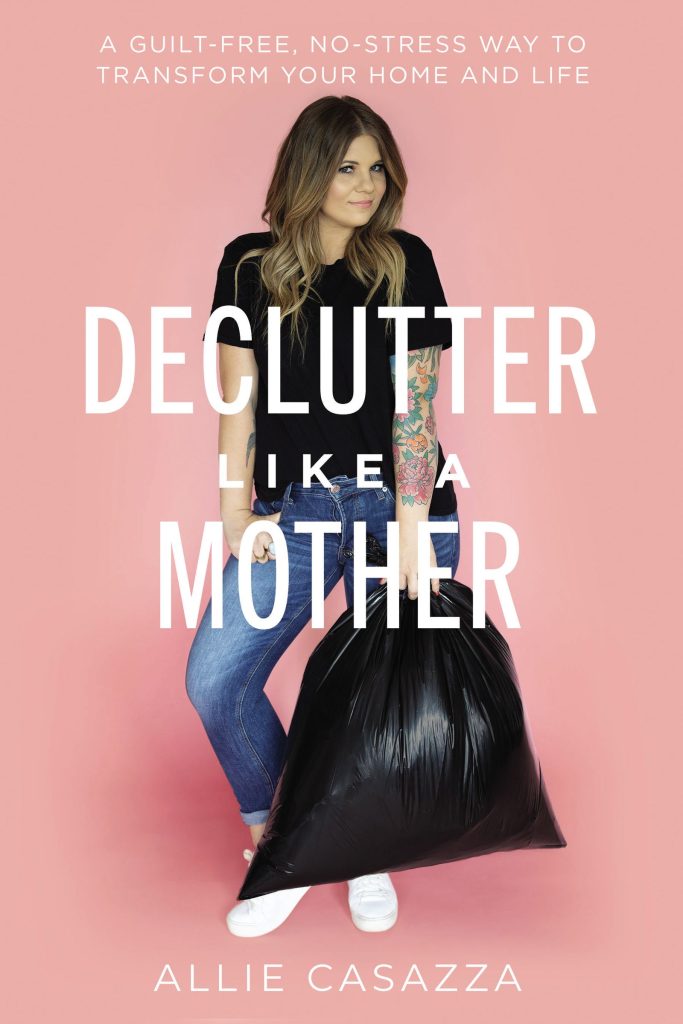
As you delve deeper into this journey, take note of how these changes can facilitate emotional detachment and lead to a more fulfilling life. Both your environment and emotional well-being are intertwined; thus, transforming one can have profound effects on the other. In this era of material abundance, let the act of decluttering not only clear your physical surroundings but also pave the way for a brighter, liberated future.
DIVE DEEPER: Click here to discover the connection
Unlocking Emotional Release Through Decluttering
In our lives, objects can carry historical weight that goes beyond their physical presence. Unexamined, these possessions may trap us emotionally, tying us to past experiences and relationships that no longer serve our growth. This phenomenon underscores the importance of emotional detachment and the pivotal role that decluttering plays in achieving it.
The Psychological Impact of Clutter
Accumulating physical clutter can lead to an overwhelming sense of chaos that parallels emotional turmoil. Research from the American Psychological Association indicates that cluttered environments can increase feelings of anxiety and depress mood levels. This clutter often harbors memories—remnants of past joys, sorrows, and even failures. When these items overrun your space, they can hold you hostage to those emotions, preventing you from moving forward. The psychological burdens they impose are profound, making decluttering not just a matter of cleaning up but a transformative journey.
Recognizing the psychological impact of clutter can help individuals take a step back and analyze their surroundings. Some common feelings associated with clutter include:
- Stress: A disorganized space amplifies stress levels by creating distractions and limiting focus. The constant visual stimuli can overwhelm your senses and hinder your productivity.
- Memory Triggers: Items cluttering your space can serve as constant reminders of past events, leading to emotional reactions that may hinder present-day joy. For example, old memorabilia from a past relationship can trigger reminders of sad times, making it hard to let go.
- Insecurity: Clutter can create feelings of being overwhelmed and out of control, leading to insecurity regarding your space and self-worth. This often manifests as a reluctance to invite others into your living space, fearing judgment for the disorganized state.
Strategies for Effective Emotional Letting Go
To navigate the complex emotions tied to clutter, consider the following strategies to detach from burdensome memories:
- Seek Professional Guidance: Working with a life coach or organizing expert can provide motivation and accountability. These professionals can help structure your decluttering efforts, making the process more manageable and efficient.
- Practice Mindfulness: Engaging in mindfulness exercises while sorting through items can help you connect with your feelings about each object. This intentional approach can clarify which items resonate positively with your current self, aiding in decisions about what to keep or let go of.
- Set Emotional Boundaries: Consider keeping only a select few items that hold significant emotional value, ensuring you maintain important connections without becoming overwhelmed by excess. For instance, instead of keeping a whole box of awards, select the most meaningful ones that truly represent your journey.
In this journey of decluttering, you are not merely throwing items away—you are actively choosing to redefine your living space and mental landscape. Each item you decide to part with can unclutter your mind and allow new experiences to take their place. Ultimately, the act of decluttering serves as a profound and liberating process, paving the way for a lighter, more intentional existence. As you create a serene environment, you may find not only a physical transformation in your surroundings but also emotional clarity that fosters personal growth and new opportunities. Embracing this change can lead to a refreshed perspective on life and a newfound enthusiasm for the present and future.
| Advantages of Decluttering | Emotional and Practical Benefits |
|---|---|
| Improved Mental Clarity | Decluttering can lead to a significant reduction in stress. Freeing your space from unnecessary items clears your mind, allowing for more focused thoughts. |
| Emotional Release | Letting go of physical items can facilitate emotional healing. It helps individuals detach from past burdensome memories associated with those possessions. |
| Enhanced Organization | A decluttered space promotes better organization, which in turn forms a positive environment that fosters productivity and creativity. |
| Sense of Control | Taking the initiative to declutter gives individuals a sense of ownership over their environment, empowering them to create spaces that reflect their true selves. |
Continuing on the topic of emotional detachment, it’s essential to recognize the profound impact that our physical surroundings have on our mental state. As we embark on the path of decluttering, we’re not only removing physical objects but also shedding emotional weight. Each item carried its own story—good or bad. By letting these go, we liberate ourselves, allowing room for new memories to flourish. Further, this change in environment doesn’t just affect how we feel; it can actually enhance productivity. Clear spaces lead to clearer thoughts, making it easier to engage in creative pursuits or focus on work. When our surroundings are free from chaos, so too is our mindset, facilitating a smoother approach to tackling life’s challenges. As such, embracing decluttering becomes a transformative practice, essential for anyone looking to overcome the shadows of their past and find serenity in their present.Incorporating decluttering into your life provides a unique opportunity to embrace change and new beginnings. Taking control of your environment not only boosts confidence but helps create a calm atmosphere where positivity can thrive. By fully engaging in this process, we can truly understand the unique emotional journey that accompanies physical transformation.
DIVE DEEPER: Click here to discover how to create serene environments
Creating a Space for Renewal and Growth
As the journey of decluttering unfolds, it becomes imperative to understand how creating an organized environment facilitates emotional detachment. The physical act of decluttering can act as a catalyst for emotional healing. By transforming your surroundings, you can consciously shift your mindset, enabling you to reframe your emotional relationship with the past.
The Therapeutic Effects of a Clean Environment
Research indicates a direct connection between clean environments and mental well-being. A study conducted by the Psychological Science journal found that decluttering not only reduces stress but significantly enhances mood and productivity. Clutter-free spaces promote a sense of calm, allowing individuals to engage in introspective activities that are vital for healing emotional wounds.
Regular decluttering can also foster a sense of accomplishment and control. By taking proactive steps to curate your space, you reclaim power over your environment. This reinforcement of personal agency can be particularly beneficial for individuals who have faced trauma or significant life changes, as it encourages them to take ownership of their surroundings and emotions. To achieve these therapeutic effects, consider implementing these practices:
- Establish a Routine: Designate specific times for decluttering efforts, gradually shifting your focus to various areas of your home. Regular maintenance can ease the feeling of being overwhelmed and bolster your motivation to keep spaces organized.
- Use Decluttering as a Reflection Tool: Set aside time after decluttering to analyze what feelings surfaced during the process. Journaling can be particularly effective, allowing you to document significant emotional connections and gradually facilitate letting go of what no longer serves you.
- Redesign Your Spaces: Once decluttering is complete, consider rearranging furniture or redecorating. This act of transformation can be symbolic, representing a fresh start and a renewed vision for the future.
Embracing Minimalism for Emotional Freedom
Another significant approach to emotional detachment through decluttering is the embrace of minimalism. Minimalism transcends mere organization; it compels individuals to evaluate their ownership critically, aligning their possessions with their values and identity. According to a survey by the National Institute of Mental Health, individuals who adopt a minimalist lifestyle often report lower anxiety levels and increased satisfaction in their daily routines. This philosophy of “less is more” encourages a continuous audit of both physical and emotional baggage.
Implementing minimalism entails an honest assessment of your belongings. Ask yourself essential questions about each item you own: Does it serve a purpose? Does it spark joy? Is it connected to a future aspiration? These reflective queries lead to a decisiveness that can ease the emotional attachment to physical objects. Moreover, a minimalist approach nurtures a mindset that prioritizes experiences over possessions, allowing individuals to focus on cultivating fulfilling relationships and embracing new opportunities.
In communities across the United States, minimalism has gained traction not only as a lifestyle choice but as a remedy for emotional distress, encouraging individuals to eschew the pressures of consumerism. The concept resonates deeply, particularly among those who seek a more profound sense of joy and fulfillment in their lives. By choosing to surround oneself with items that ensure emotional harmony, practitioners find room not only for growth but for emotional rediscovery.
DISCOVER MORE: Click here to learn about the benefits of natural light
Reclaiming Emotional Space Through Decluttering
In summation, emotional detachment can be a transformative endeavor, especially when intertwined with the practice of decluttering. As individuals embark on this journey, they discover that simplifying their physical space offers a profound opportunity to address emotional baggage. By removing unnecessary items, they create environments that not only alleviate stress but also foster mental clarity and emotional resilience.
The therapeutic benefits associated with maintaining a clean and organized space cannot be overstated. Beyond just aesthetics, a decluttered environment has been observed to invoke feelings of peace, productivity, and empowerment. Furthermore, the transition to a minimalist lifestyle encourages people to critically evaluate their belongings and align them with their core values, empowering them to let go of the past and embrace a brighter future.
As you navigate your decluttering journey, consider that each item you choose to keep or release is a conscious decision toward emotional liberation. By fostering a mindset that prioritizes experiences over possessions, you not only create a physical space for renewal but also nurture your emotional well-being.
With an increased understanding of how decluttering can serve as a powerful tool for overcoming burdensome memories, it is clear that this practice extends far beyond tangible benefits. It offers pathways to healing, growth, and ultimately, a more fulfilled and meaningful life. Embrace the opportunity to declutter not just your home, but your heart and mind as well—your emotional freedom is waiting to be discovered.