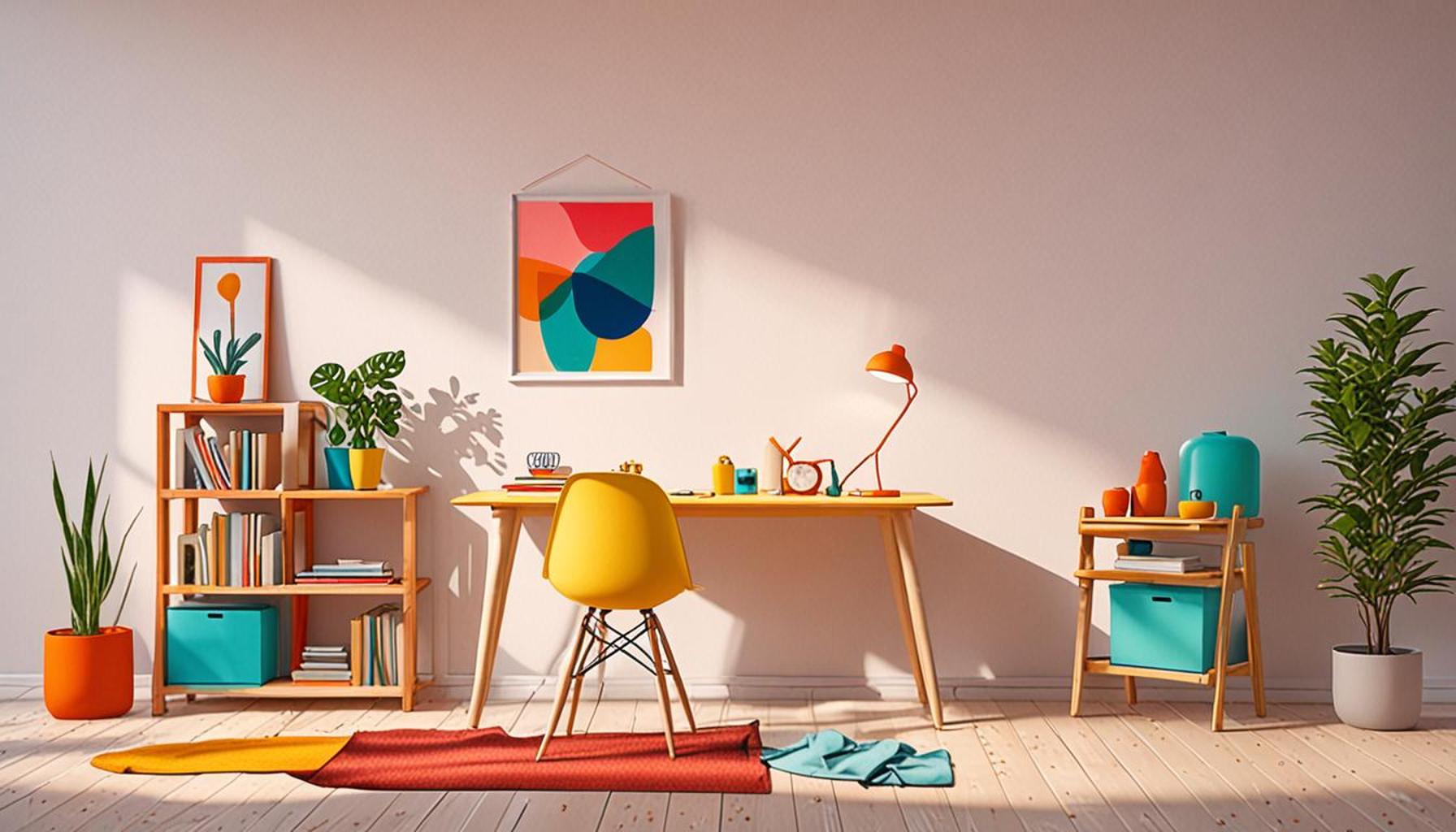
The Role of Intentional Design in Creating a Minimalist Workspace
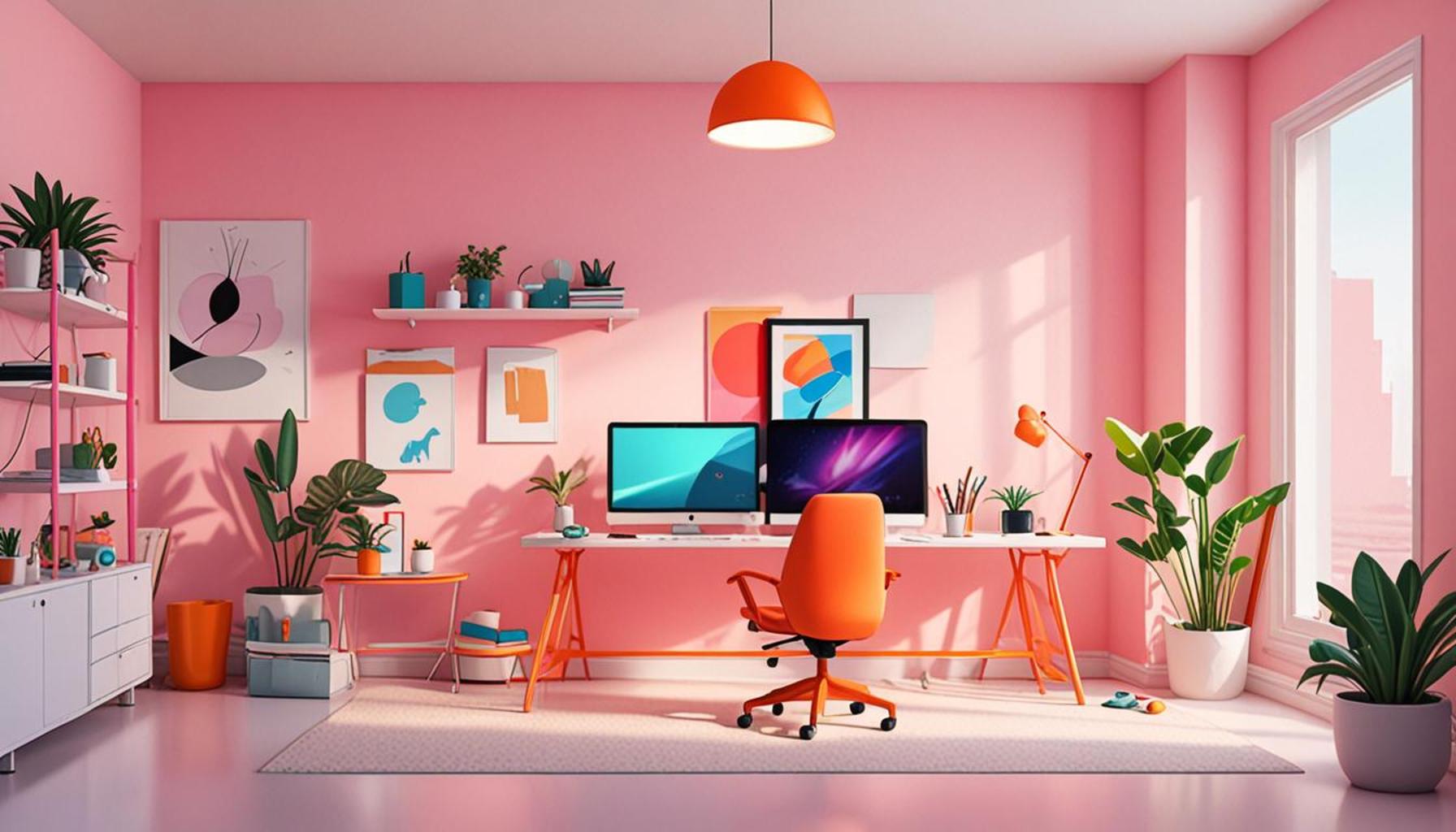
Exploring the Principles of Intentional Design
In today’s fast-paced landscape, where notifications and distractions lurk around every corner, the allure of a minimalist workspace has become increasingly compelling. This isn’t merely a fleeting trend; instead, it represents a profound shift toward enhancing productivity and nurturing creativity through intentional design. By embracing simplicity and functionality, individuals can cultivate environments that not only support their work but also minimize the chaos that often accompanies modern life.
The Significance of Embracing Minimalism
Creating a minimalist workspace offers numerous benefits that collectively contribute to both well-being and work efficacy. Some key advantages include:
- Increased Focus: A carefully curated, clean workspace eliminates visual and auditory distractions, allowing individuals to concentrate on their tasks. Studies have shown that people working in clutter-free environments experience improved cognitive function, which can lead to better work performance.
- Enhanced Creativity: When surrounded by fewer objects and distractions, the mind can roam freely, fostering the generation of innovative ideas. Artists and designers often rely on minimalist spaces to clear mental blocks, thereby igniting their creative process.
- Reduced Stress: Clutter can contribute to anxiety and overwhelm. A serene, uncluttered environment promotes a sense of calm and control, creating a space where one can thrive mentally and emotionally.
Key Components of Intentional Design
Intentional design encompasses far more than just visual appeal; it entails making thoughtful choices in various aspects of the workspace. Here are some critical elements to consider:
- Furniture: Opting for ergonomic, functional furniture can significantly enhance comfort and productivity. For instance, an adjustable standing desk not only encourages better posture but also promotes movement throughout the day, contributing to overall well-being.
- Color Schemes: The colors you choose can influence mood and focus. Soft blues and greens are often associated with tranquility and concentration, making them ideal choices for a workspace. In contrast, vibrant colors like yellow or orange can invigorate and stimulate creativity.
- Space Layout: The arrangement of furniture and elements within the workspace should facilitate an efficient workflow. Positioning your desk near a window for natural light, for example, can boost motivation and energy levels throughout the day.
In a culture that increasingly emphasizes the importance of work-life balance, the principles of intentional design can provide valuable insights for establishing a minimalist workspace that fosters clarity and focus. As we delve deeper into this topic, we will discuss practical ways to implement these design elements in your own settings and highlight their transformative impact on personal and professional productivity.
DISCOVER MORE: Click here to learn about innovative living solutions
Practical Applications of Intentional Design
At the heart of a minimalist workspace lies the practice of intentional design, which prioritizes purposeful choices over mere aesthetics. Whether you’re a freelancer working from home or an employee in a bustling office, implementing these design principles can significantly elevate your workspace. Here are essential strategies that illustrate how intentional design can shape an effective minimalist office environment:
Establishing Purposeful Zones
A minimalist workspace can be transformed by delineating functional zones tailored to specific tasks and activities. This approach maximizes efficiency while promoting a sense of focus. For instance, consider separating your work area from relaxation zones. Incorporating a dedicated reading nook can provide a refreshing break from your desk, facilitating mental rejuvenation without cluttering your primary workspace. When setting up these zones, keep in mind:
- Designate clear boundaries: Use furniture, rugs, or planters to visually separate work from leisure areas without overwhelming the senses.
- Incorporate multifunctional furniture: Items like a coffee table that doubles as storage can maintain a clean aesthetic while keeping essential materials organized.
- Optimize lighting: Distinct lighting solutions, such as task lamps for work zones and ambient lighting for relaxation areas, can help establish the right atmosphere for each section.
Emphasizing Quality Over Quantity
The minimalist philosophy champions quality over quantity, encouraging one to invest in fewer, high-quality items that serve a purpose. In practice, this translates to selecting tools and materials that enhance your workflow rather than contribute to clutter. Here’s how to effectively curate your workspace:
- Prioritize essential tools: Identify your most critical items, such as a reliable computer or a comfortable chair, and ensure they are readily accessible while considering ergonomics and functionality.
- Opt for fewer decorative items: While personal touches are essential for creating a welcoming atmosphere, limiting these to a few select pieces can reduce distractions and create a more peaceful environment.
- Regularly assess and declutter: Schedule time to evaluate your workspace periodically. Remove anything outdated or unnecessary, allowing fresh ideas and energy to circulate.
By thoughtfully applying these intentional design principles, you’ll create a minimalist workspace that not only enhances productivity but also transforms your mental state. These strategic adjustments lead to an environment where clarity reigns, significantly impacting both personal well-being and professional growth. As we further explore the dynamics of intentional design in minimalist spaces, you’ll discover the broader implications of these practices and their ability to revolutionize how we work.
The Impact of Intentional Design on Productivity
Intentional design plays a significant role in fostering productivity within a minimalist workspace. By strategically arranging elements, designers can cultivate environments that reduce visual clutter and distractions, allowing individuals to focus more effectively on their tasks. A well-thought-out layout also enhances the flow of movement, making it easier for employees to engage with their surroundings. Studies have shown that spaces designed with intention not only improve concentration but also contribute to overall job satisfaction. Incorporating elements like natural light, ergonomic furniture, and active zones for collaboration can make a workspace feel more welcoming without overwhelming users. Essential design aspects are not merely aesthetic; they have a profound influence on the mental state and efficiency of workers. When designers use cohesive color schemes and fewer distractions, they create a sense of calmness, which studies indicate can lead to quicker problem-solving and increased creativity.In addition, intentional design in minimalist workspaces emphasizes the importance of functional furniture. Multi-purpose items, such as desks with built-in storage solutions or flexible seating options, further streamline the work area. This can promote healthier work habits as minimizes the time spent searching for items, thus encouraging efficiency and organization.The blend of practicality and aesthetics in intentional design enables employees to customize their work environments according to their personal preferences, fostering a culture of ownership and responsibility. As the workspace evolves into a place that reflects individual identity and values, employees are not only motivated to work but also feel a deeper connection to their work. Exploring the nuances of intentional design can lead to a more profound understanding of how to optimize a minimalist workspace and leverage it to its full potential.
DISCOVER MORE: Click here to learn how intentional design can transform your lifestyle
Integrating Technology Mindfully
In our increasingly digital world, the integration of technology into a minimalist workspace is crucial. Intentional design principles can transform your approach to tech, ensuring that gadgets and tools enhance rather than detract from a serene environment. Consider these strategies to embrace technology mindfully:
Streamlining Digital Tools
One of the greatest advantages of a minimalist workspace is the potential for digital decluttering. This involves integrating only the software and applications that serve essential functions. Here’s how to streamline your digital tools:
- Prioritize productivity apps: Utilize tools like task managers or calendar applications that promote organization and keep you on track with deadlines. This helps minimize distractions and enhances focused work sessions.
- Reduce notifications: Limit push notifications on devices to only the most critical apps. Too many alerts can disrupt workflow and create unnecessary stress, so be selective about what requires your immediate attention.
- Consolidate documents efficiently: Adopt a cloud-based organization system, where files are categorized and easily accessible. This minimizes physical paperwork and allows for seamless collaboration.
Creating a Calm Digital Environment
Your digital workspace should mirror the tranquility of a physical minimalist setup. By applying intentional design to your computer interface, you can foster a sense of calm:
- Adopt a neutral color palette: Choose desktop wallpapers and themes that emphasize softer tones, avoiding overly stimulating visuals. A cohesive color scheme can create a more harmonious working atmosphere.
- Organize your desktop: Keep your digital desktop clean and free of clutter by using folders to store files. A tidy digital space can enhance focus and reduce feelings of overwhelm.
- Use minimalistic design elements: Feature a streamlined layout in your applications. Choose software that offers a clean user interface, reducing visual noise and allowing for higher concentration.
The Importance of Nature and Biophilic Design
Bringing elements of nature into your minimalist workspace is another key aspect of intentional design that often goes overlooked. Known as biophilic design, this approach emphasizes the connection between humans and nature, contributing positively to well-being and productivity. Here’s how to harness biophilic design effectively:
Incorporating Natural Elements
Integrating plants, natural light, and organic materials into the workspace can significantly enhance the environment:
- Add indoor plants: Select low-maintenance options, such as succulents or snake plants, which improve air quality while enhancing aesthetics. Studies show that green plants can also elevate mood and cognitive function.
- Maximize natural light: Whenever possible, position your workspace near windows to take advantage of daylight. Natural light can boost mood and energy levels, making it a vital component of your workspace design.
- Use natural materials: Consider incorporating wood or stone finishes in your furniture or decor. These materials foster a warm and inviting atmosphere while aligning with minimalist principles.
Through intentional design, you can not only create a visually appealing and clutter-free workspace but also embody a mindful approach that fosters focus and productivity. By focusing on technology, natural elements, and purposeful zoning, your minimalist workspace can evolve into a dynamic environment that supports clarity and personal well-being.
DISCOVER MORE: Click here to learn about involving children in the organization process
Conclusion
In summary, the role of intentional design in creating a minimalist workspace extends far beyond mere aesthetics; it significantly impacts productivity, focus, and overall well-being. When designed intentionally, these environments cater to both functionality and psychological comfort, laying the groundwork for enhanced performance throughout the workday.
Consider the workplace of tech companies like Apple and Google, which famously emphasize open spaces and minimal distractions. These designs prioritize simplicity and embrace open floor plans that discourage clutter and promote collaboration. By doing so, they foster a culture of creativity while minimizing visual overload, allowing employees to maintain their focus on tasks that matter most.
Additionally, strategically integrating technology within these minimalist spaces is paramount. Tools such as distraction-free applications and smart lighting systems can further enhance user experience. For instance, software that organizes tasks and schedules can declutter one’s digital life, leading to sharper focus. Reducing screen clutter, utilizing tools like Trello or Notion, aligns well with the minimalist philosophy by emphasizing need-to-know information without overwhelming users with unnecessary data.
Furthermore, incorporating elements of biophilic design—like thriving plants, natural materials, and maximizing natural light—can significantly enhance mood and productivity. Research suggests that employees who work in environments enriched with greenery report 15% higher levels of well-being. This underscores the idea that a workspace can be transformed into a haven of inspiration rather than a source of stress.
As individuals navigate the evolving demands of the modern work landscape, the fusion of minimalism with intentional design serves as a blueprint for creating workplaces that promote harmony and efficiency. Whether you’re a freelancer, a corporate employee, or a student, the insights discussed allow for a personalized approach, tailored to fit individual needs and preferences.
Exploring intentional design elements encourages further investigation into sustainable practices, such as using recycled materials and energy-efficient appliances, and smart technology integration that minimizes resource wastage. The psychological benefits of maintaining a clutter-free environment are also well-documented, as studies indicate that people can achieve greater tranquility and mental clarity when their surroundings are organized. Ultimately, fostering a minimalist workspace is not just about reducing items but enhancing life’s experience through thoughtful choices and deliberate actions.