Designing Multi-Functional Spaces: Merging Aesthetics and Utility in Minimalist Homes
Exploring the Balance of Beauty and Functionality
In today’s fast-paced world, the need for multi-functional spaces is more important than ever. With urban living spaces becoming increasingly limited, homeowners are seeking ways to maximize their areas without sacrificing style. A minimalist design approach prioritizes efficiency while celebrating the beauty of simplicity, creating homes that are not only practical but also visually appealing. This article delves into how to successfully merge aesthetics and utility while designing such spaces, transforming the ordinary into the extraordinary.
Key Elements of Multi-Functional Design
Designing areas that serve multiple purposes can create harmony within a home. A few essential features stand out as cornerstones of effective multi-functional design:
- Modular Furniture: Pieces that adapt and transform make spaces versatile. For instance, a sofa bed can seamlessly transform a living room into an overnight guest suite. Moreover, stacking chairs or tables can be stored away when not in use, instantly creating more floor space. Brands like IKEA excel in offering such innovative solutions, catering to small-space living.
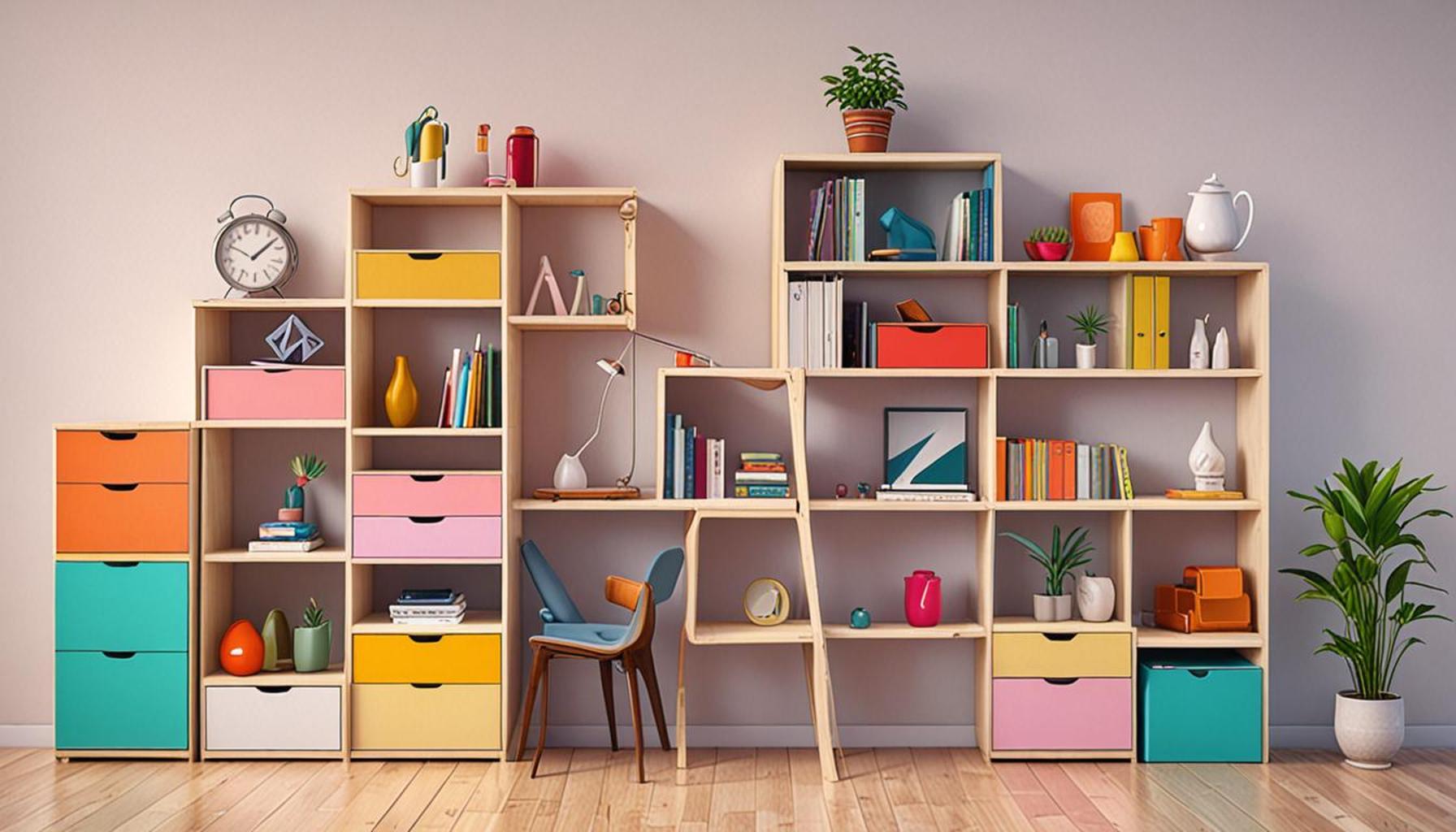
- Smart Storage Solutions: Utilizing vertical space and hidden compartments can significantly minimize clutter. Built-in shelves, under-bed storage boxes, and furniture with hidden drawers make it easy to store belongings without sacrificing aesthetics. Using decorative baskets or stylish bins can also hide away items while adding to the décor.
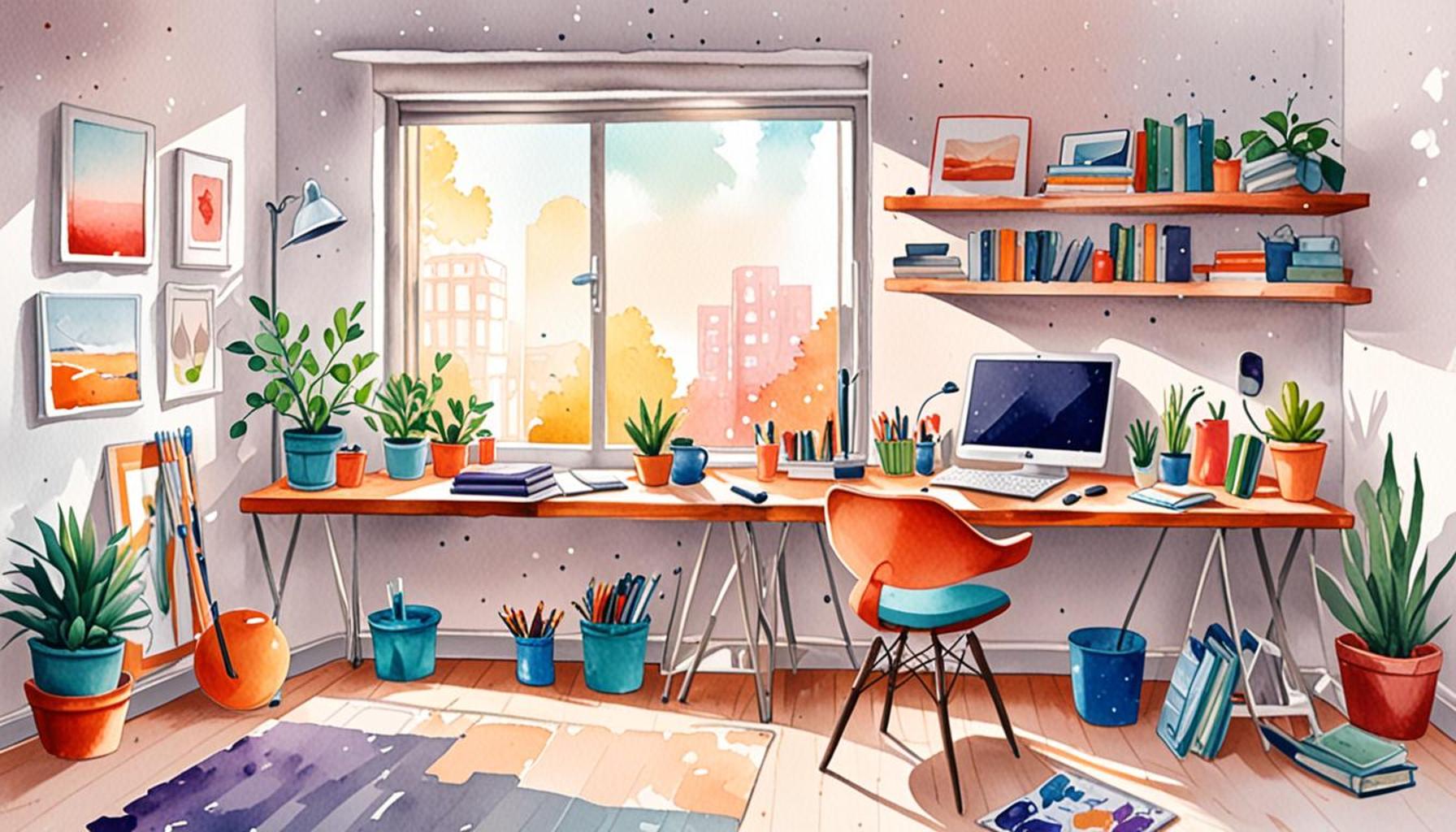
- Flexible Room Layouts: Designing spaces that can change function based on the time of day or the occasion contributes significantly to a home’s versatility. For example, a dining area can transform into a workspace by day and back into a social hub by night. Open floor plans promote this adaptability, encouraging fluid movement between spaces.
As more homeowners in the United States embrace minimalist ideals, the focus is shifting towards creating environments that are not only functional but also inviting. This shift reflects a broader trend towards sustainable living, where every square inch and every element serves a purpose, all while being pleasing to the eye.
Why Aesthetics Matter
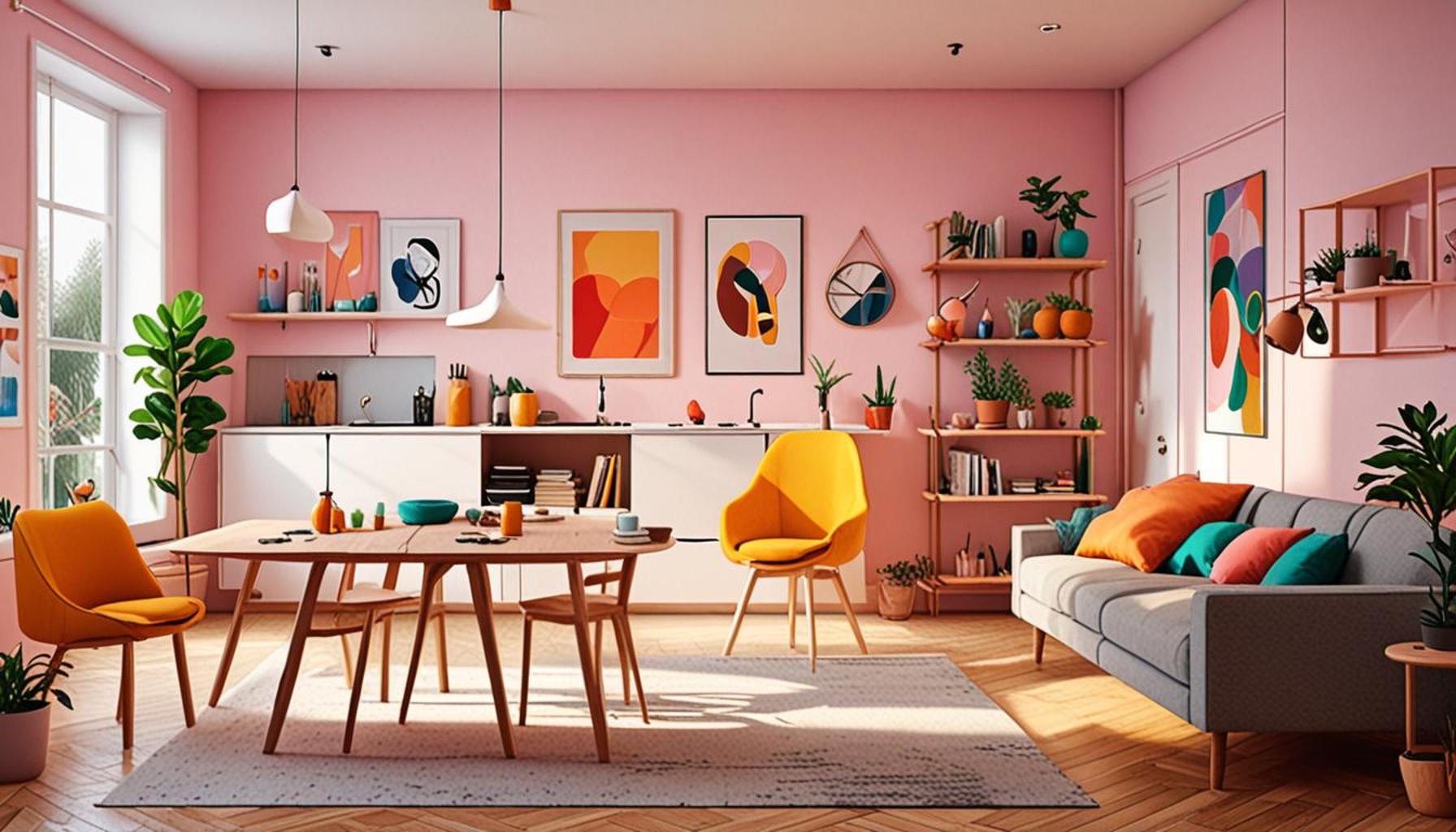
Incorporating visual appeal into practical spaces enhances the user experience significantly. Delving into design elements such as texture, color, and light can transform everyday tasks into enjoyable activities. For example, soft textures, such as a cozy throw blanket or plush cushions, add warmth to a minimalist setting, making it feel more inviting. Similarly, strategic use of color can uplift moods; bright accents in kitchenware or artwork can energize the space.
Moreover, natural light plays a crucial role in making spaces feel larger and more open. Large windows or strategically placed mirrors can enhance light flow, further bridging the gap between beautiful design and functionality. This article aims to guide you in creating unique living environments that are as beautiful as they are practical, ultimately emphasizing that well-designed spaces can foster well-being and enhance daily life.
DISCOVER MORE: Click here to deepen your understanding
Innovative Approaches to Space Planning
In the realm of minimalist homes, space planning is pivotal. The way spaces are orchestrated not only influences functionality but also affects the overall atmosphere of the environment. By strategically placing furniture and utilizing every nook and cranny, homeowners can create an array of settings that cater to diverse activities without compromising on style.
One innovative approach is the concept of zoning, which involves dividing larger areas into smaller, dedicated spaces that serve distinct purposes. For instance, a living room can be divided into an entertainment area with a media console and a cozy reading nook featuring a floor lamp and an armchair. This zoning technique allows for a clearer delineation of activities while maintaining an open feel that aligns with minimalist principles.
The Power of Color and Material
Some may underestimate the role that color and material play in multi-functional design; however, they hold immense power in shaping both utility and aesthetics. Here are several considerations when selecting color palettes and materials for a minimalist space:
- Neutral Tones: Opting for neutral colors like whites, greys, and beiges creates a tranquil backdrop that can make any space feel larger and brighter. Such tones also act as a canvas, allowing decorative elements to shine without overwhelming the senses.
- Textured Surfaces: Incorporating a variety of textures, such as wood, metal, and textiles, adds depth and interest to minimalist designs. For example, a sleek metal coffee table paired with a soft wool rug can balance the hard edges of furniture with warmth, enhancing the functionality of the space while maintaining aesthetic appeal.
- Natural Elements: Integrating plants or natural materials reflects a connection to nature and contributes to a calming ambiance. Indoor plants not only purify the air but also serve as design accents, beautifying corners and surfaces without cluttering the visual landscape.
The careful selection of color and material can empower homeowners to express their personal style while ensuring that every choice enhances the utility of their living space. Moreover, this attention to detail conveys harmony across various functions, allowing the spaces to serve as real havens of creativity and relaxation.
EmbracingTechnology in Design
Incorporating smart technology into multi-functional spaces is another critical facet of modern minimalist design. Automation can seamlessly merge aesthetics and utility, ensuring that homes can adapt fluidly to the dynamic needs of their occupants. Smart lighting systems, for instance, can transform a workspace into a cozy retreat with the tap of a button, manipulating both function and mood without physical alterations.
Furthermore, built-in technologies, such as hidden speakers or wireless charging pads integrated into furniture, minimize clutter while maximizing convenience. As technology continues to evolve, so too do the possibilities for creating multifunctional environments that cater to a variety of lifestyles. This integration illustrates that beauty and excellence in functionality can coexist, offering a transformative approach to home design that is both practical and captivating.
In minimalist homes, the design ethos revolves around the principle of “less is more.” This approach not only maximizes visual appeal but also enhances functionality, allowing spaces to serve multiple purposes without compromising on style. One of the largest challenges—and opportunities—within this realm is the ability to create versatile environments that adapt to varying needs.Open floor plans are a hallmark of minimalist design, encouraging a flow that enables areas to be redefined with ease. For example, a dining space can quickly transition into a workspace with the addition of simple yet chic organizers. The integration of multi-functional furniture is vital; a coffee table can transform into a desk with hidden compartments, effectively blending aesthetics with utility. This flexibility is key for individuals seeking to maximize a small footprint without sacrificing comfort or style.Another essential aspect is the use of color and texture. Neutral palettes can create a calm atmosphere and make spaces appear larger, while strategic use of textured materials can add warmth and interest. Incorporating natural elements, such as indoor plants or wood accents, not only connects the interior with the outdoors but also enhances air quality, thereby enriching the living experience.Storage solutions play a critical role as well. Wall-mounted shelves, under-bed storage, and built-in cabinetry can optimize space while keeping clutter at bay. This organized approach fosters a serene environment, aligning with minimalist principles that prioritize functionality alongside beauty.Innovative lighting solutions, such as adjustable fixtures and large windows, infusion of natural light into the space adds both aesthetic appeal and functionality. Appropriate lighting can significantly alter perceptions of space and can be manipulated to suit various activities, from relaxation to focused work.Ultimately, the art of designing multi-functional spaces lies in the careful selection of elements that serve dual purposes. This strategy not only elevates the overall design but allows for a lifestyle that embraces simplicity, functionality, and elegance—all integral to the essence of minimalist living.
EXPLORE MORE: Click here to learn about simplified living
Flexibility: The Key to Multi-Functional Design
One of the most compelling principles of minimalist home design is the concept of flexibility. As lifestyles evolve, so do the needs of homeowners; thus, designing spaces that can adapt to different functions is vital. This adaptability can be achieved through a combination of modular furniture, transformative layouts, and creative use of space.
Modular furniture, such as sectional sofas or nesting tables, provides a practical solution for living spaces that often serve multiple purposes. By selecting pieces that can be easily rearranged or reconfigured, homeowners can create an inviting environment for social gatherings one day and a tranquil workspace the next. For example, a coffee table that doubles as a storage unit can keep the space tidy and versatile while also offering a place to display art or coffee table books.
Innovative Solutions for Small Spaces
Minimalist homes often face the challenge of limited square footage, making multifunctionality a necessity rather than a luxury. In these scenarios, creative storage solutions come into play. Built-in shelving units that rise to the ceiling or under-bed storage compartments can maximize vertical space, allowing homeowners to keep their belongings organized while minimizing clutter. Hidden storage under a bench or a window seat can also provide dual-functionality without sacrificing aesthetics, effectively blending practicality with style.
Another innovative solution is the rise of convertible furniture, which has gained popularity in the United States. Murphy beds, fold-out desks, or extendable dining tables that can accommodate more guests during special occasions exemplify furniture that prioritizes both utility and style. Selecting high-quality, visually appealing convertible pieces can elevate a minimalist home’s design while ensuring the space can adapt as needs change.
Outdoor Integration: Extending Living Spaces
Minimalist design doesn’t have to be confined within four walls. The concept of indoor-outdoor living has gained traction, especially in regions with mild climates. Utilizing patios, balconies, or gardens to expand your home’s living area can turn outdoor spaces into multifunctional rooms. This can be achieved through the incorporation of outdoor furniture that reflects the aesthetics of interior design, such as sleek lounge chairs and weather-resistant cushions that offer comfort and style.
Furthermore, the use of large sliding glass doors or bifold windows can create a seamless transition between indoor and outdoor areas. An outdoor kitchen or a fire pit can further enhance the functionality of these spaces, allowing for social gatherings without the constraints typically associated with traditional layouts. Thus, the boundary between the inside and outside blurs, providing more room for recreation, relaxation, and social engagement.
As the emphasis on multi-functional spaces grows, the dialogue around minimalism continues to evolve, showcasing that true beauty lies in the thoughtful integration of aesthetics and utility. Embracing flexibility in design leads to homes that not only look stunning but also adapt to the ever-changing dynamics of life.
LEARN MORE: Click here to discover the benefits of mindful meal preparation
Conclusion: The Harmonious Future of Minimalist Design
In today’s fast-paced world, the design of our living spaces must serve as a reflection of our values and lifestyles. Designing multi-functional spaces in minimalist homes not only enhances aesthetic appeal but also prioritizes practicality, helping homeowners navigate their diverse needs with ease. As illustrated throughout this article, the key lies in creating flexible environments where furniture can be effortlessly rearranged, and spaces can serve dual purposes without sacrificing style.
The rise of innovative storage solutions and convertible furniture provides exciting possibilities, especially within the constraints of modestly sized homes. By maximizing every square inch and incorporating elements that adapt to both personal and social requirements, homeowners can transform a limited footprint into a vibrant, functional haven. Furthermore, integrating outdoor living areas into minimalist designs fosters a sense of connection with nature, enhancing overall quality of life.
The merging of aesthetics and utility in minimalist design is not merely a trend but rather a fundamental shift towards sustainable living. As more individuals recognize the importance of a harmonious home that serves both the eye and the daily needs, the demand for thoughtful, multi-functional designs will likely continue to grow. In this evolving narrative of interior design, embracing the principles of minimalism opens the door to endless possibilities, encouraging us to explore and innovate as we shape our living environments. Ultimately, the art of designing multi-functional spaces presents an opportunity for us all to create homes that resonate with our lifestyles while remaining beautifully simple.