
Creating a Minimalist Workspace: Strategies for Enhancing Productivity and Focus in Limited Spaces

Understanding the Minimalist Workspace
As we find ourselves increasingly tethered to technology and juggling multiple responsibilities, a minimalist workspace can offer a refreshing reprieve. The concept is rooted in the idea that less is indeed more; by peeling away the unnecessary, we can better focus on what truly matters. The shift toward remote work has made this approach not just a trend, but a vital strategy for many individuals striving to remain productive in confined spaces.
The minimalist philosophy encourages one to streamline their environment, creating an atmosphere conducive to concentration and efficiency. But how can you effectively employ these strategies in your own workspace? Let’s delve into some impactful techniques.
Simplify Your Setup
The first step in crafting a minimalist workspace involves rigorously assessing your tools and digital devices. Start by identifying the essential items you use on a daily basis. For example, if you are a writer, you may find that all you need is a laptop, a notebook, and a pen. Everything else could be considered superfluous and can be tucked away, reducing visual overload. This doesn’t just declutter your desk; it clears mental space as well, allowing for sharper focus on your important tasks.
Organize Clutter
Once you’ve simplified your setup, the next step is to organize clutter. Utilize functional yet aesthetically pleasing organizers to keep your essential items neatly arranged. For instance, consider a sleek desk organizer that holds your stationery without taking up much space, or a wall-mounted shelf that keeps books and materials accessible yet out of the way. Minimalist furniture, such as a simple desk with clean lines, can further promote an uncluttered feel, enhancing your ability to concentrate.
Prioritize Natural Light
Lighting plays a crucial role in our ability to focus. Studies have shown that natural light can elevate mood and improve productivity. Consider positioning your desk near a window to harness as much daylight as possible. Not only does this help you stay alert, but it also fosters a more vibrant, uplifting environment. If natural light is limited, opt for soft, adjustable artificial lighting that mimics daylight to sustain your energy throughout the day.
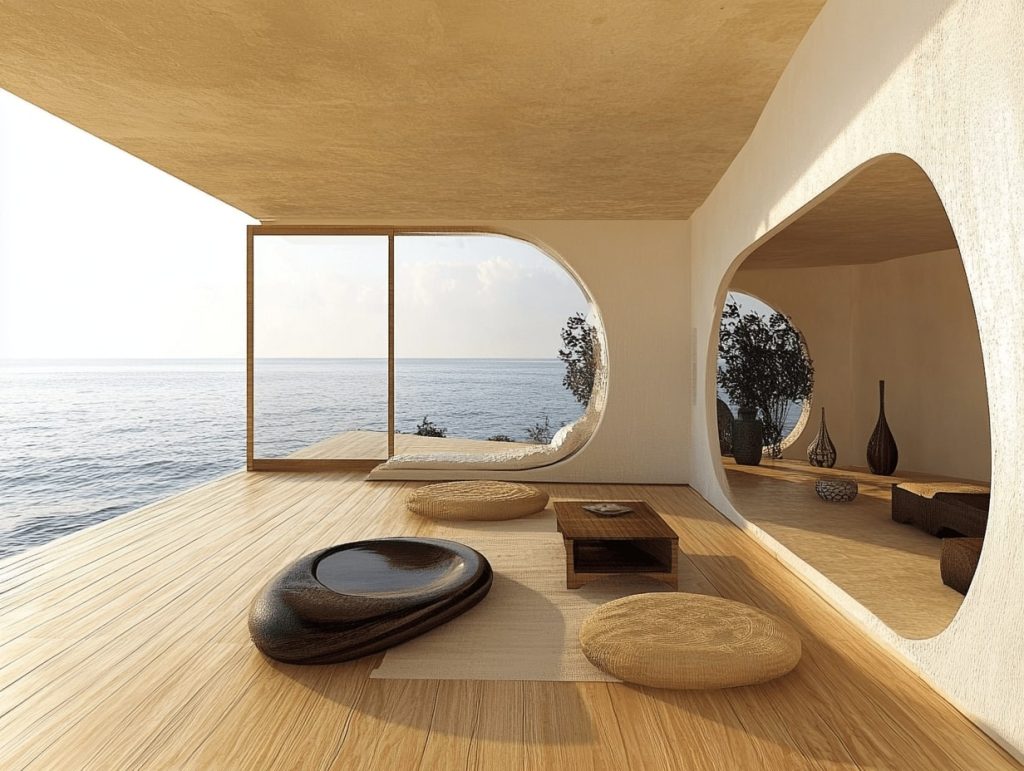
Ultimately, a well-crafted minimalist workspace shifts your focus away from distractions and toward your creative endeavors. A organized and serene environment not only influences productivity but can also lead to improved mental clarity and a sense of achievement as you complete your tasks.
By merging functionality with aesthetics, a minimalist workspace can noticeably change how you approach your work. As you evaluate your own space, consider how each element serves a purpose. Remember, whether working from a modest apartment corner or a dedicated home office, implementing these strategies can transform your limited area into a sanctuary of productivity.
LEARN MORE: Click here for tips on minimalist kitchen design
Embracing Functionality in Design
Creating a minimalist workspace means prioritizing functionality over excess. In today’s fast-paced world, distractions are everywhere, making it crucial to curate an environment that fosters concentration. Begin by evaluating the size and layout of your workspace. Whether you have a spacious home office or a small nook in your apartment, how you utilize that space can significantly influence your productivity levels.
To kickstart your minimalist journey, consider the following strategies:
- Ergonomic Furniture: Invest in ergonomic chairs and desks designed to support long hours of work while maintaining comfort. A good chair, for instance, not only enhances your posture but can also invigorate your day-to-day work experience.
- Multi-Functional Items: Opt for multi-functional furniture that serves more than one purpose. A desk with built-in storage, for example, minimizes clutter while ensuring your essentials are within reach.
- Declutter Regularly: Set aside time weekly or monthly to reassess the items in your workspace. This regular check will ensure that only the tools that enhance your productivity remain visible and accessible.
Next, consider the role of technologies that streamline your tasks. Digital tools can often take the place of physical items that occupy space. For instance, instead of keeping stacks of documents on your desk, utilize cloud storage solutions to declutter your physical area while retaining easy access to vital information. This practice not only promotes a minimalist aesthetic but also enhances organizational efficiency.
Color Psychology and Minimalist Aesthetics
The colors you surround yourself with can profoundly affect your mood and productivity. Minimalist workspaces often feature neutral palettes, which create a calm and serene environment. Shades of white, gray, and beige can help reduce visual noise and promote clarity of thought. To add a touch of personality and inspiration without overwhelming the senses, incorporate vibrant accents selectively, such as a plant, a piece of art, or a motivational quote framed on the wall.
Integrating these elements allows your workspace to reflect your personality while supporting your productivity. A well-thought-out color scheme, combined with minimalist design principles, creates an inviting atmosphere conducive to creative thought and focused work. Ultimately, the goal is to create a workspace that inspires you to achieve your goals and see each task as an opportunity rather than a chore.
Transitioning to a minimalist workspace doesn’t happen overnight. It requires commitment and intentionality. By incrementally implementing these strategies, you will notice a shift not only in your physical environment but also in your cognitive approach to tasks, paving the way for enhanced focus and productivity in your limited space.
Creating a Minimalist Workspace: Strategies for Enhancing Productivity and Focus in Limited SpacesWhen it comes to cultivating productivity in limited spaces, implementing specific strategies can significantly impact your workflow and mental clarity. One fundamental approach is to embrace the philosophy of minimalism. This involves carefully selecting only essential items that contribute to your work. By reducing clutter and distractions, you can create a serene environment that fosters concentration.Moreover, consider organizing your workspace in a way that promotes efficiency. Utilizing vertical storage solutions, for instance, allows you to make the most of your limited surface area while keeping essential tools within reach. Drawer organizers can also help in segregating items that you frequently use from those that are seldom needed, thereby maintaining a clean and streamlined workspace.Another essential strategy is to establish a designated area for work alone. This physical boundary signals to your brain that it is time to focus, separating your work life from personal distractions. Incorporating plants and natural light in your workspace can further enhance your productivity. Studies have shown that a touch of greenery not only adds to the aesthetic appeal but can also reduce stress levels and boost creativity.Technology also plays a crucial role in optimizing productivity in a minimalist workspace. Utilizing apps for task management can help you stay organized while decluttering your surroundings. By consolidating information into digital platforms, you can minimize physical paperwork and create a more organized environment.Lastly, regularly reassessing your workspace and removing unnecessary items can be a game changer. It cultivates a habit of maintaining a simplified setting that continually supports productivity and focus. Adopting these strategies enables you to harness the power of minimalism, creating a workspace that is both pleasing and purposeful. Explore these methods to transform your limited space into an inspiring haven for creativity and productivity.
DIVE DEEPER: Click here to discover more
Incorporating Mindfulness and Breaks
As you design a minimalist workspace, the concept of mindfulness should be at the forefront of your approach. Mindfulness encourages you to be present and fully engaged in your tasks, ultimately leading to increased productivity. An essential component of maintaining focus in a minimalist environment is recognizing when to take breaks. Scheduled breaks not only prevent burnout but also enhance cognitive performance. Research indicates that incorporating brief periods of rest during work can significantly boost creativity and efficiency.
One effective technique to structure your work and breaks is the Pomodoro Technique. This method involves working for 25 minutes, followed by a 5-minute break. After completing four “Pomodoros,” a longer break of 15-30 minutes can be taken. This structure helps maintain high levels of focus while respecting the natural limits of attention. Consider setting a timer to manage these intervals visually; a digital timer displayed prominently on your desk can serve as a constant reminder to adhere to this rhythm.
Optimizing Lighting and Air Quality
The significance of lighting and air quality in your workspace cannot be overstated. Proper lighting promotes better mood and productivity. Embrace natural light as much as possible by positioning your desk near a window. If natural light is limited, opt for soft, warm-toned LED bulbs that mimic daylight. Consider lamps that are adjustable to reduce eye strain and can be directed toward specific work areas.
Moreover, the air quality within your workspace directly impacts your mental clarity and overall productivity. Ensure proper ventilation by occasionally opening windows or using an air purifier to circulate fresh air throughout the room. Adding house plants such as snake plants or peace lilies can also improve indoor air quality while enhancing the visual appeal of your workspace. Studies show that having plants around can reduce stress and increase feelings of well-being, which aligns perfectly with the goals of a minimalist workspace.
Personalized Digital Environments
In a tech-driven world, it’s vital to extend the minimalist approach to your digital workspace as well. A cluttered desktop filled with files and applications not only distracts but can also overwhelm your senses. Begin by decluttering your digital space; delete unnecessary files and organize the remaining ones into clearly labeled folders. Utilize productivity apps that promote minimalism, such as Todoist or Trello, to manage tasks efficiently without adding mental clutter.
Consider using tools like browser extensions that limit distractions, keeping your focus razor-sharp. Popular options include StayFocusd, which restricts time spent on distracting websites, and the minimalist writing app, FocusWriter, designed to provide a distraction-free writing experience. By establishing a simplified digital environment, you can further enhance your concentration and effectiveness in your workspace.
Through these mindful strategies and environmental adjustments, you’ll cultivate a workspace that’s not just minimalist in appearance but also functional in supporting productivity and focus. By integrating elements that minimize distraction and enhance wellness, you pave the way for achieving more within the confines of your limited space.
DISCOVER MORE: Click here to learn about creating calming environments
Conclusion: Embracing Minimalism for Enhanced Productivity
In conclusion, creating a minimalist workspace is not merely a design choice but a strategic approach to fostering productivity and focus, especially in limited spaces. By adopting mindfulness practices and structuring your work schedule effectively, such as utilizing the Pomodoro Technique, you allow yourself to maintain a high level of concentration without succumbing to fatigue. The incorporation of natural light and maintaining optimal air quality further elevates your environment, promoting not only productivity but also well-being.
Additionally, optimizing your digital workspace is essential in the era of technology. A clutter-free digital setup enhances focus, allowing you to engage more deeply with your work. Utilize productivity tools and techniques that align with minimalism to streamline your tasks and cut through the distractions that often plague our screens. As you make these adjustments, remember that a minimalist workspace is about finding balance; it is about removing unnecessary elements while embracing what enhances your performance.
As we navigate an increasingly fast-paced world, the benefits of a carefully curated and minimalist workspace extend beyond mere aesthetics—they contribute meaningfully to our daily lives. Embrace these strategies, and discover the potential of your limited space transforming into a haven of productivity and focus. By prioritizing simplicity, you empower yourself to reach new heights, turning every squared inch into a launching pad for creativity and accomplishment.