
The Influence of Stress on Skin Health and Natural Solutions to Combat It
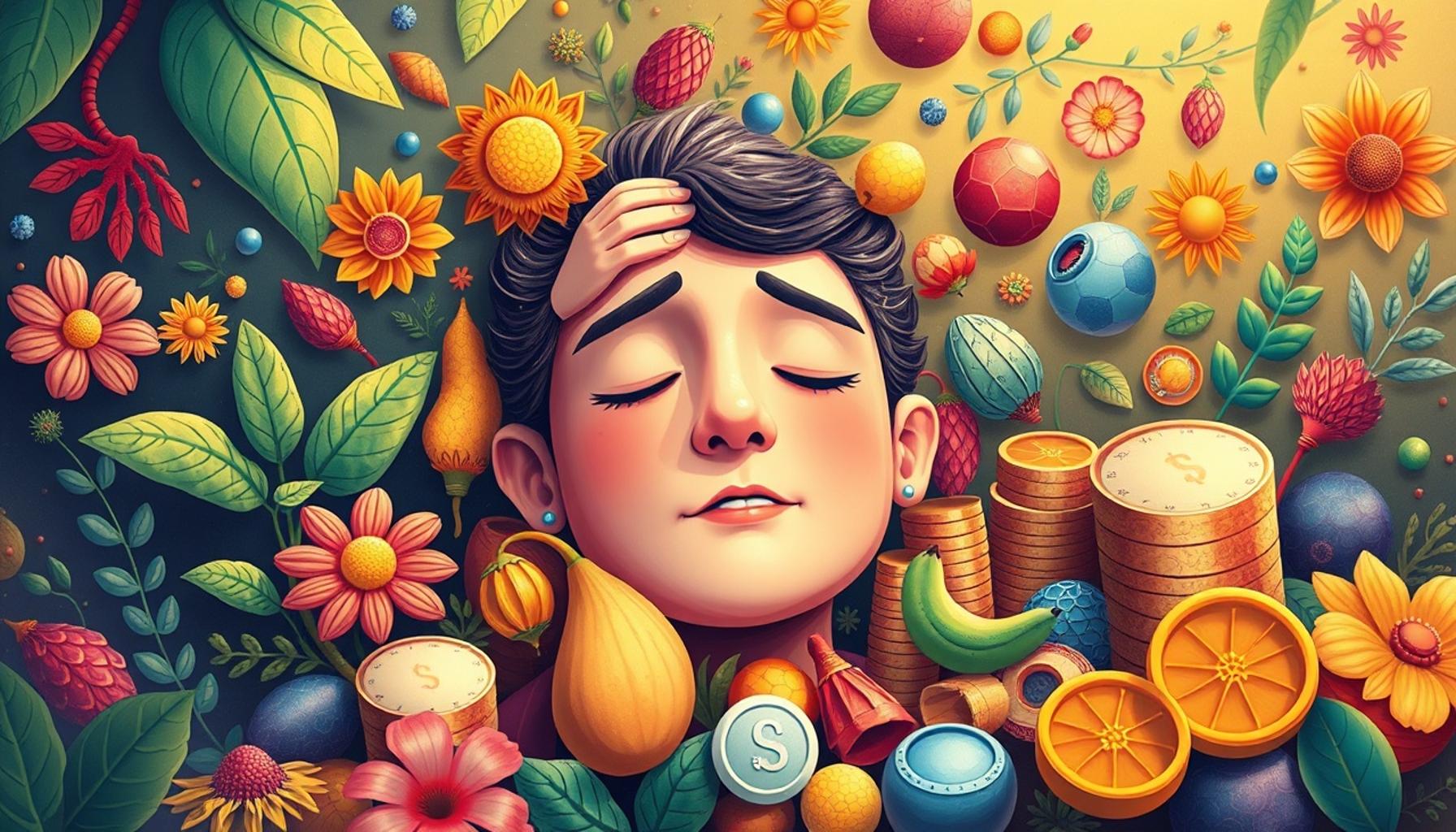
The Hidden Connection Between Stress and Skin Health
In an era defined by fast-paced lifestyles and constant connectivity, stress has become a ubiquitous part of daily life for many individuals. While most people associate stress with mental exhaustion and fatigue, its impact is often more profound than initially perceived. One particularly surprising area affected by stress is our skin, which can suffer a range of ailments as a direct result of our emotional and physical states.
The Science Behind Stress and Skin Reactions
When we experience stress, our bodies initiate a series of physiological reactions. A key response is the release of stress hormones like cortisol and adrenaline. These hormones, while helpful in short spurts, can ultimately lead to detrimental effects on our skin when present in elevated levels over prolonged periods.
- Increased inflammation – Chronic stress has been linked to heightened inflammatory processes within the skin. This can manifest in conditions like psoriasis or eczema, where the skin becomes red, irritated, and itchy.
- Hormonal fluctuations – Stress can disrupt the delicate balance of hormones, particularly androgens, which are linked to oil production in the skin. This disruption often leads to increased acne breakouts or flare-ups for those battling existing skin conditions.
- Dehydration – Elevated stress levels can affect the skin’s moisture retention. When stress interrupts the skin’s natural barrier function, it results in dryness, flakiness, and even exacerbates conditions like rosacea, where the skin becomes blotchy and sensitive.
Many individuals might overlook the correlation between their stress levels and persistent skin issues, often attributing them solely to environmental factors or diet. However, the intricate dance between our mental health and skin condition cannot be ignored.
Effective Strategies for Restoring Skin Health
While the effects of stress on the skin can be concerning, the good news is there are numerous natural strategies to mitigate these impacts and promote healthier skin. Consider the following approaches:
- Mindfulness and Meditation – Engaging in daily mindfulness practices, such as meditation or deep-breathing exercises, can significantly lower stress levels. Research indicates that spending even a few minutes each day meditating may enhance skin vitality by reducing inflammation and promoting better blood circulation.
- Herbal Remedies – Integrating adaptogenic herbs, such as ashwagandha or holy basil, into your routine may help regulate cortisol levels and restore balance. Available in the form of teas or supplements, these herbs are celebrated for their stress-relieving properties.
- Regular Exercise – Physical activity is one of the most effective stress management techniques. Exercise encourages the release of endorphins, the body’s natural mood lifters. Moreover, activities like yoga not only improve flexibility but also foster relaxation and enhance skin health through better blood flow.
Exploring these holistic approaches can serve to nourish not just our skin but also contribute significantly to our overall mental well-being. By recognizing the powerful link between stress and our skin, we can adopt preventative measures, leading to not only a radiant complexion but also a more balanced lifestyle.
DISCOVER MORE: Click here to learn about the future of anti-aging treatments
The Complex Relationship Between Stress and Skin Conditions
The interplay between stress and skin health is often miscomprehended, leading many to dismiss skin problems as mere cosmetic concerns. However, the impact of stress on our skin is profound and far-reaching. As research shows, individuals enduring chronic stress are more likely to experience a deterioration in their skin’s appearance and health. This can manifest as a multitude of skin issues, from acne to premature aging, all triggered by the body’s stress-induced responses.
One particularly alarming aspect is the role of the immune system. Stress can weaken the immune response, making the skin more susceptible to infections and conditions like adult acne. A study published in the Journal of Investigative Dermatology found a direct link between stress levels and the severity of acne breakouts among young adults. This suggests that managing stress could be just as important as topical treatments for those grappling with persistent skin issues.
How Stress Alters Skin Function
The physiology of stress reveals several critical mechanisms that can degrade skin health:
- Inflammatory Response – Stress triggers a surge in inflammatory markers within the body. Elevated levels of cortisol not only exacerbate existing skin conditions but also stimulate the development of new issues, such as chronic hives or dermatitis.
- Oil Production – Increased stress can lead to an overproduction of oil due to hormonal fluctuations. This excess oil can clog pores, resulting in breakouts. Moreover, for individuals prone to conditions like rosacea, stress can elicit flare-ups characterized by redness and visible blood vessels.
- Impact on Healing – Stress can impede the skin’s healing process, prolonging the duration of common issues like cuts, bruises, and sunburns. When stress levels are high, blood flow is redirected, impairing the skin’s ability to recover effectively.
Moreover, the psychological effects of stress can lead to behavioral changes that further harm the skin. Poor sleep patterns, unhealthy eating habits, and reduced skincare routines often accompany high-stress levels, compounding the negative impacts on skin health.
Reconnecting Mind and Body for Better Skin Health
To combat the adverse effects of stress on skin health, individuals can adopt a holistic approach focusing on both mental wellness and skin care. Emotional balance is critical, and integrating specific natural remedies and lifestyle changes can promote not only a clearer complexion but also a flourishing state of mind. In the following sections, we’ll uncover actionable solutions to mitigate stress and enhance skin vitality, emphasizing natural approaches that align with a healthy lifestyle.
| Impact of Stress | Natural Solutions |
|---|---|
| Stress can lead to inflammation, resulting in various skin issues such as acne, eczema, and accelerated aging. | Incorporating herbal remedies like chamomile and green tea can promote healing and soothe inflammation. |
| High cortisol levels can cause a decrease in skin’s moisture production, leading to dryness and irritation. | Utilizing essential oils, such as lavender and tea tree oil, can improve hydration and skin texture. |
The relationship between stress and skin health is complex yet critical in understanding how our emotions can manifest physically. Stress triggers the release of hormones that can wreak havoc on the skin, leading to a variety of conditions that not only affect appearance but can also impact self-esteem. This is why exploring natural solutions to combat these effects becomes essential. Research indicates that incorporating a balanced diet rich in omega-3 fatty acids can counteract inflammation and improve skin resilience. Regular physical activity not only alleviates stress but also enhances circulation, which is vital for healthy skin. Mindfulness practices such as yoga and meditation can also play a significant role in reducing stress levels, consequently benefiting skin health. Understanding these connections can empower individuals to make informed decisions and adopt proactive measures to enhance their skin’s health amid life’s challenges.
DIVE DEEPER: Click here to discover the secrets of nourishing face masks!
Natural Solutions to Combat Stress-Induced Skin Problems
Recognizing the profound impact of stress on skin health opens the door to exploring natural solutions that can help manage stress and, consequently, improve the skin’s condition. Integrating mindfulness practices and nutritional adjustments into one’s daily routine can be especially beneficial in rebalancing the body and promoting skin vitality.
Mindfulness and Relaxation Techniques
Engaging in mindfulness and relaxation exercises can be a game-changer for both mental well-being and skin health. Activities such as meditation, yoga, and deep-breathing exercises have been shown to significantly lower cortisol levels, which can help mitigate the inflammatory responses linked to stress. A study published in the Journal of Clinical Psychology emphasized that regular mindfulness meditation not only helps reduce stress but also improves overall skin condition by fostering a sense of calm that positively influences physiological responses.
Additionally, incorporating practices such as aromatherapy can enhance relaxation. Essential oils like lavender and chamomile have calming properties, making them excellent choices for reducing stress levels. A soothing evening routine incorporating these scents can not only assist in winding down but also promote better sleep—pivotal for skin repair and rejuvenation.
Nutritional Strategies for Skin Resilience
Diet plays a fundamental role in shaping skin health, particularly for those under stress. A well-balanced diet rich in anti-inflammatory foods can combat stress-related skin issues effectively. Foods abundant in antioxidants, such as berries, nuts, and green leafy vegetables, work to fight oxidative stress in the body, thus benefiting skin health. For instance, foods containing omega-3 fatty acids, such as salmon and flaxseeds, help reduce inflammation, which is crucial for individuals dealing with conditions like eczema or psoriasis exacerbated by stress.
Moreover, staying hydrated is paramount; drinking plenty of water supports not only overall bodily functions but also prevents dryness and keeps skin looking fresh and plump. Many forget the importance of hydration amidst busy schedules, but it is a simple yet effective way to enhance skin health.
Skincare Routine Adjustments
In addition to these lifestyle changes, modifying skincare routines to suit stressed skin can yield significant improvements. Opting for gentle, hydrating cleansers and incorporating soothing ingredients such as aloe vera, chamomile, and green tea extracts can help calm inflamed skin. Moreover, regular exfoliation, not more than once or twice a week, can aid in removing dead skin cells and minimizing clogged pores without aggravating stress-related breakouts.
Furthermore, incorporating sunscreen into daily routines is essential, as stress can make skin more reactive to environmental stressors like UV rays. A broad-spectrum sunscreen can protect against harmful rays while maintaining skin health.
Community Support and Engagement
Lastly, don’t underestimate the power of social connections and community support. Engaging with friends and family, joining support groups, or participating in community classes not only alleviates feelings of isolation but also provides the emotional backing that can counterbalance stress levels. Healthy social interactions are essential for mental well-being, and when the mind is at ease, the skin tends to reflect that calmness.
In summary, by adopting a holistic amalgamation of mindfulness practices, nutritional strategies, adjusted skincare routines, and fostering community ties, individuals can effectively combat the adverse effects of stress on skin health. These natural approaches not only target the symptoms of stress-related skin issues but promote overall well-being—culminating in a healthier, radiant complexion.
DISCOVER MORE: Click here to learn about natural beauty treatments
Conclusion
In conclusion, the intricate relationship between stress and skin health underscores the importance of addressing mental well-being as part of skincare regimens. Stress not only manifests physically through various skin conditions but also triggers a cascade of hormonal responses that exacerbate these issues. Recognizing this connection offers a powerful opportunity to enrich our approach to skincare with natural solutions that focus on holistic self-care.
Implementing mindfulness practices such as meditation and yoga can significantly reduce cortisol levels, promoting a calmer state of mind that reflects positively on the skin. Furthermore, a diet rich in anti-inflammatory foods and proper hydration fosters resilience against stress-induced skin challenges. Adjusting skincare routines to include gentle, soothing products can also enhance skin health without adding to the cycle of stress.
Additionally, cultivating social connections and engaging in community support can combat feelings of isolation and help sustain emotional well-being. Ultimately, the balance between mental health and skin vitality is achieved through a synergistic approach that combines these elements, leading to not only improved skin health but also a brighter, more radiant complexion.
As researchers continue to explore the nuances of this relationship, individuals are encouraged to take proactive steps in their daily lives. The integration of stress management strategies is not just beneficial; it is essential for those seeking to enhance their overall skin health. For anyone facing challenges linked to stress and skin, embracing these natural solutions may pave the way toward revitalization and well-being.