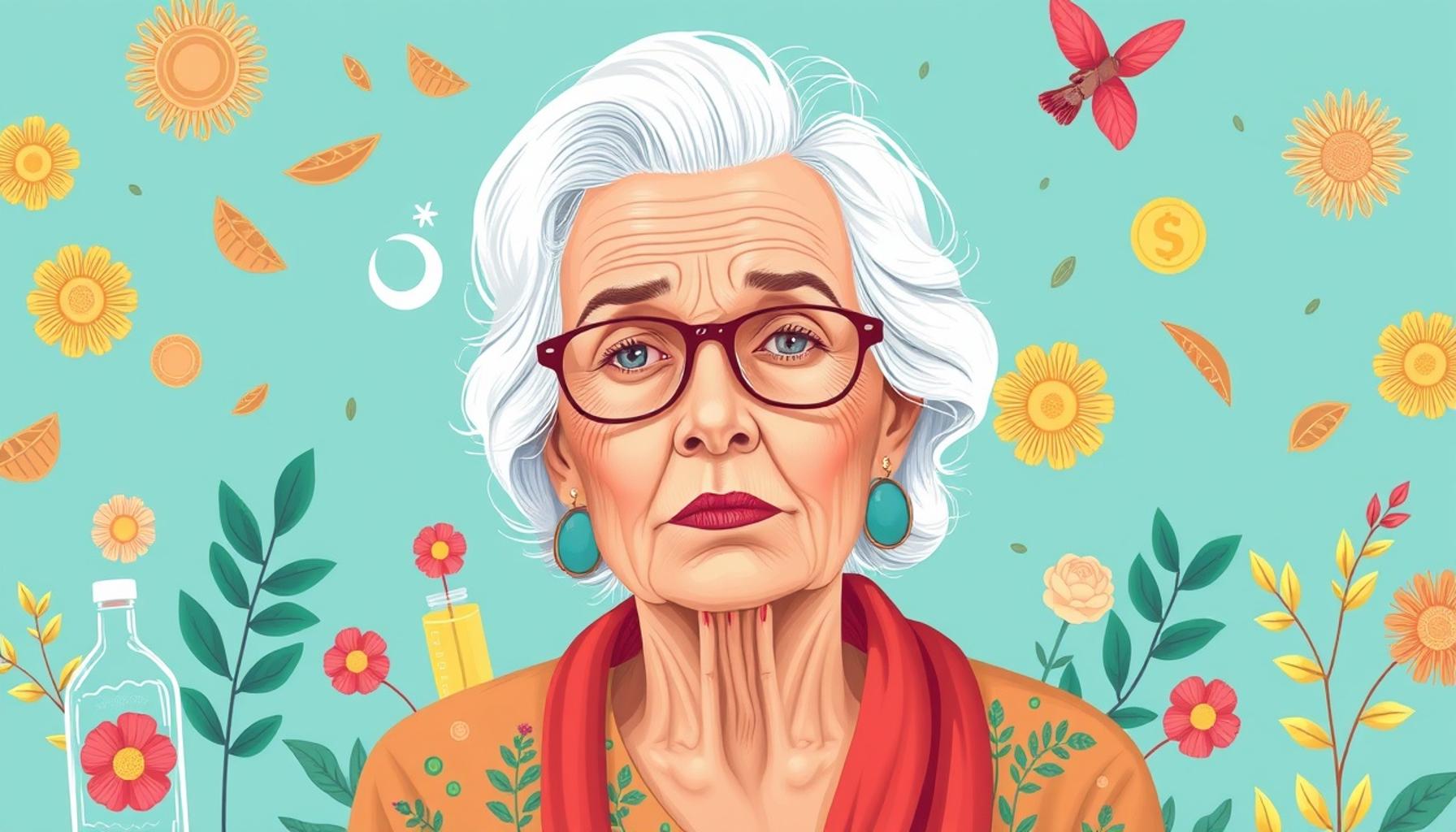
The Psychology of Self-Esteem and the Impact of Anti-Aging Treatments on Personal Perception
The Psychological Influence of Aging on Self-Perception
The quest for youthful appearance is deeply intertwined with our psychology. As individuals age, the perception of themselves often shifts, heavily influenced by societal standards and personal expectations. This transformation can notably affect one’s self-esteem, leading to heightened interest in anti-aging treatments. The implications of this relationship warrant a closer examination.
Consider the following factors that fuel the correlation between aging and self-esteem:
- Media Portrayals: Constant exposure to images of youthful celebrities and influencers creates unrealistic beauty standards. Analyses reveal that media representations often emphasize a narrow definition of beauty that excludes older adults, perpetuating feelings of inadequacy among those who do not fit such standards. This idealization of youth can provoke feelings of self-doubt and contribute to a societal obsession with appearing eternally young.
- Personal Experience: As individuals age, they commonly face a range of physical changes such as wrinkles, gray hairs, and changes in body shape. These transformations can challenge self-image, leading some to frequently question their attractiveness or worth. Social comparison—where one evaluates oneself against others—can exacerbate these feelings, especially if peers appear to maintain their youthfulness effortlessly.
- Social Dynamics: The pressure from peers, family, and social circles can amplify concerns about aging. Positive reinforcement can come from loved ones, but negative comments or comparisons can significantly impact one’s self-esteem. This external pressure may drive individuals to seek validation through cosmetic enhancements or other anti-aging solutions to feel accepted and valued.
As the pursuit of youth becomes increasingly prevalent, individuals often resort to various treatments, ranging from injectable fillers and Botox to extensive surgical procedures and innovative skincare regimens. These choices can lead to significant psychological outcomes:
- Improved self-image and confidence: Many individuals report feeling more satisfied with their appearance following cosmetic treatments. These procedures can not only enhance physical features but also provide a boost to self-esteem, leading to a renewed sense of confidence.
- Increased societal acceptance and validation: Successfully executed treatments often result in positive feedback from peers, fostering a deeper connection with societal norms regarding beauty. This external validation can further improve one’s self-image, reinforcing the idea that attractiveness equals worth.
- Potential psychological effects: While many report positive changes after successful treatments, the psychological effects can vary. Some may experience increased anxiety or insecurity if results do not meet their expectations, leading to a potential cycle of ongoing treatments and dissatisfaction.
Diving deeper into the intersection of self-esteem and the impact of anti-aging treatments may reveal important insights into our perceptions. This journey encourages a broader dialogue about the cultural and emotional dimensions of aging—challenging us to reevaluate how we view aging in today’s society and fostering a more inclusive definition of beauty that celebrates all stages of life.
DISCOVER MORE: Click here to learn about the amazing benefits
The Complex Relationship Between Self-Esteem and Appearance
As society’s obsession with youthfulness continues to flourish, the interplay between self-esteem and physical appearance becomes more pronounced. Psychological research has indicated that our perceptions of ourselves are often closely linked to societal standards, particularly those surrounding beauty and age. Individuals, especially in the United States, frequently navigate a landscape filled with cultural expectations that can lead to a precarious relationship with self-worth.
Understanding the psychological constructs that contribute to self-esteem in relation to aging and beauty is crucial. Here are some key areas that illuminate this complex relationship:
- Cognitive Dissonance: With the rise of social media and ubiquitous filters, many individuals face a dissonance between their self-image and the images they perceive in online spaces. This cognitive dissonance can result in feelings of inadequacy, particularly when juxtaposed against edited versions of reality. It sparks an internal conflict: the desire to embrace one’s natural aging process versus the pressure to conform to youthful ideals.
- Historical Context: The perception of aging has shifted throughout history, often influenced by societal roles, expectations, and norms. In the U.S., the Baby Boomer generation, now aging, often believed in a culture of self-improvement and cosmetic enhancement that transcends previous notions of aging gracefully. This cultural shift influences how current and future generations perceive aging, equating it with a decline that must be disguised or amended through surgical and non-surgical interventions.
- Self-Objectification: Many individuals begin to view their bodies as objects to be evaluated based on external standards, leading to a form of self-objectification. This phenomenon is particularly pronounced among women, who often internalize the message that their physical appearance is paramount to their identity. As a result, the quest for anti-aging treatments can become a means of reclaiming a sense of worth that feels lost in the face of natural aging.
The implications of these dynamics are profound, affecting not only individual self-esteem but also broader societal perceptions of aging and beauty. The need for validation through physical appearance has given rise to a booming market for anti-aging treatments, aimed at combatting societal pressures and expectations. This creates a cycle where individuals may pursue these treatments to feel accepted, which can lead to increased self-worth, yet paradoxically heighten feelings of dissatisfaction if the results do not align with their expectations.
Ultimately, exploring the relationship between self-esteem and anti-aging treatments is vital not just for personal growth but for fostering a cultural dialogue around the values we place on aging. As individuals increasingly seek out treatments, understanding the psychological motivations behind these choices can provide valuable insights into our shared experiences of aging and acceptance.
| Advantage | Description |
|---|---|
| Enhanced Confidence | Anti-aging treatments can lead to a boost in self-esteem, allowing individuals to feel more confident in social and professional settings. This transformation can positively affect personal relationships and career advancement. |
| Improved Self-Image | The visible benefits of anti-aging treatments enhance the perception of self-worth, contributing to a more favorable self-image and the potential for improved mental health. |
The relationship between self-esteem and personal perception is complex and deeply interconnected. Individuals often seek anti-aging solutions not solely for aesthetic enhancement but also as a way to reclaim their youthful vitality and confidence. As society increasingly values youth, the psychological implications associated with aging become more prominent.Moreover, these treatments may trigger a societal shift, leading to a reevaluation of aging and its portrayal within media. This can ultimately empower individuals to embrace their age, enhance their quality of life, and foster a community of support centered around mental and emotional well-being. Exploring these aspects can unveil new dimensions in understanding the psychology of self-esteem and the effectiveness of anti-aging treatments.
DISCOVER MORE: Click here to learn about the benefits of botanical extracts
Unpacking the Quest for Anti-Aging Treatments
As individuals grapple with the challenges posed by aging, an increasing number are turning to anti-aging treatments as a perceived solution to bolster their self-esteem. The market for such treatments has exploded, with a projected worth of over $300 billion by 2024, highlighting not only consumer demand but also the desperation many feel to combat the effects of aging.
This surge in anti-aging solutions reflects significant psychological nuances. One foundational aspect is the concept of identity. Studies suggest that as people age, they often wrestle with shifting self-identities, grappling with societal stereotypes that categorize older individuals as less vibrant or capable. Anti-aging treatments can serve as a form of identity reclamation, allowing individuals to project an image that resonates with a younger version of themselves, thus restoring confidence and enhancing their self-image.
However, the relationship between anti-aging treatments and self-esteem is not as straightforward as it appears. While some individuals report feelings of empowerment after cosmetic procedures, research shows that others may experience disappointment when results do not meet their expectations or when the treatment fails to resolve deeper psychological issues related to self-worth. A survey conducted by the American Academy of Facial Plastic and Reconstructive Surgery revealed that 71% of patients underwent procedures to improve self-esteem, but many also expressed regret or dissatisfaction post-treatment, indicating a complex emotional landscape.
The Role of Social Comparison
The role of social comparison is also pivotal in this discussion. Social media platforms serve as modern-day mirrors, often amplifying feelings of inadequacy by showcasing idealized images of youth and beauty. An individual’s self-esteem can significantly fluctuate based on how they perceive themselves in relation to these curated representations. Proponents of anti-aging treatments often cite comparisons to peers who appear younger or more vibrant as motivators for seeking such interventions. This dynamic not only highlights the pressure to conform to societal beauty standards but also reinforces the cycle in which individuals chase youthfulness in hopes of enhancing their perceived self-worth.
Changing Perspectives on Aging
Interestingly, there is a burgeoning movement toward redefining the narrative of aging in America. Many experts advocate for a shift from valuing youth at all costs to embracing the wisdom and experiences that come with age. Campaigns promoting body positivity and age inclusivity challenge dominant cultural paradigms, suggesting that beauty can be embodied at any age. This shift invites individuals to explore their self-esteem beyond traditional beauty metrics, encouraging acceptance and self-love, regardless of chronological age.
Furthermore, a notable trend is the rise of non-invasive anti-aging options, such as skin treatments and wellness initiatives that prioritize health over appearance. Individuals are increasingly seeking out holistic approaches that contribute positively to their mental and physical well-being. This paradigm shift may indicate a slow but significant change in how society values aging, with an emphasis on embracing one’s natural journey rather than relying solely on cosmetic solutions for self-validation.
In summary, while the pursuit of anti-aging treatments is typically fueled by a desire for improved self-esteem, it intertwines with complex psychological aspects of identity, social influence, and evolving cultural attitudes toward aging. Disentangling these factors enables a more nuanced understanding of why individuals engage in such treatments and how these choices impact their overall self-perception in an age-conscious society.
DISCOVER MORE: Click here to enhance your beauty journey
Conclusion
In conclusion, the intricate relationship between self-esteem and anti-aging treatments reveals a multifaceted psychological landscape that warrants deeper investigation. As our society increasingly prioritizes youth and beauty, individuals often find themselves confronting the challenging interplay of identity and self-worth. While anti-aging treatments can offer immediate boosts in confidence and a renewed sense of self, the potential for disappointment looms large, particularly when these interventions do not address underlying issues of self-perception.
The impact of social media cannot be overstated, as it perpetuates unrealistic standards and invites constant comparison, making it crucial for individuals to cultivate resilience against external pressures. Meanwhile, the growing movement towards redefining aging encourages a shift in mindset, promoting the acceptance of beauty at every age and highlighting the value of experiences over appearance. This cultural evolution suggests that there is a significant opportunity for individuals to enhance their self-esteem through self-acceptance and holistic well-being rather than solely relying on cosmetic enhancements.
As researchers and mental health professionals continue to explore these themes, it becomes evident that fostering a deeper understanding of the psychological drivers behind the pursuit of anti-aging solutions is essential. Such insights may ultimately pave the way for more effective interventions and community support systems that prioritize mental health and encourage authentic self-representation. In navigating the complexities of aging and beauty, individuals stand to gain a richer sense of self, one that transcends fleeting appearances and embraces the wisdom that comes with age.