The Revolution of Beauty Treatments with Technology: How Innovation is Transforming the Skincare Industry

Technological Advancements in Beauty
In recent years, the beauty industry has witnessed a remarkable transformation, driven by technological advancements. Cutting-edge innovations are not just redefining skincare treatments; they are revolutionizing how consumers approach beauty and self-care. As a result, the scope of beauty has expanded far beyond traditional products, creating a more dynamic and individualized arena for personal care.
Consider the following trends that highlight this shift:
- Personalized Treatments: Technology enables personalized skincare solutions using AI and skin analysis. For instance, apps like SkinAI leverage user-uploaded photos and AI algorithms to assess skin type, identify issues such as hyperpigmentation and fine lines, and recommend tailored products based on unique skin needs. This personalized approach helps consumers make informed decisions about their skincare regimens, enhancing the effectiveness of treatments.
- At-Home Devices: Devices like LED masks and microcurrent tools offer professional-grade treatments in the comfort of one’s home. Devices from popular brands such as Foreo and NuFACE are designed to mimic salon-quality treatments, enabling users to achieve results they would typically expect from a spa. The convenience of using these devices at home not only saves time but also cuts down on costs, making skincare accessible to a broader audience.
- Ingredient Transparency: Apps and platforms provide detailed information about product ingredients and their benefits. For example, apps like Think Dirty empower consumers by allowing them to scan product barcodes and learn about the cleanliness of their skincare products. The push for transparency encourages brands to disclose their ingredient sources and formulations, leading to better consumer trust and informed purchasing decisions.
As consumers seek more effective and tailored solutions, their requirements drive the demand for innovation. The rise of social media influencers and beauty enthusiasts advocating for personal experiences further propels this trend. Many consumers now turn to platforms like Instagram and TikTok for beauty tips, forming a community that shares insights and discoveries related to their skincare journeys.
The intersection of beauty and technology opens doors to unprecedented possibilities, offering treatments that were once confined to professional settings. In this exciting landscape, both established brands and startups are eager to adapt and innovate. The future of beauty is not just about using products; it’s about harnessing technology to understand and nurture individual skin needs, fundamentally changing how self-care is perceived and practiced.
As the industry continues to evolve, consumers are encouraged to stay informed about new tools and technologies that could enhance their beauty routines. This ongoing transformation in the beauty landscape not only reflects a shift in consumer preferences but also signals a deeper understanding of skincare as a personal journey.
DISCOVER MORE: Click here for personalized skincare tips
Transformative Technologies in Skincare
The surge in innovation within the beauty industry has led to a paradigm shift in how consumers explore and engage with skincare. This transformation is marked by a focus on personalization and accessibility, reshaping established beauty norms and empowering consumers to take charge of their skin health. Several key technologies play a pivotal role in this revolution, and understanding them can significantly enhance one’s skincare experience.
One major transformation lies in the realm of laser treatments. Devices equipped with advanced laser technology have made it possible to treat various skin conditions, ranging from acne scars to wrinkles, all with minimal downtime. For example, fractional lasers allow for targeted treatment that encourages skin rejuvenation while preserving surrounding areas, resulting in a smoother texture and a more youthful appearance. Medical-grade skincare devices that once required a clinical setting are increasingly available for home use, enabling users to adopt high-tech solutions without frequent visits to the dermatologist.
Furthermore, the evolution of teledermatology is another notable development. Patients can now consult licensed dermatologists through virtual appointments, allowing for real-time skin assessments and quicker access to professional advice. This service is particularly beneficial for those with busy schedules or those living in remote areas, where specialist access may be limited. Research indicates that telehealth consultations can be as effective as traditional face-to-face visits, thus making quality skin care more inclusive.
Moreover, the integration of artificial intelligence (AI) in skincare diagnostic tools is truly groundbreaking. AI-driven platforms analyze skin conditions with remarkable accuracy, utilizing deep learning algorithms to process extensive database inputs. These tools are invaluable for indicating the most suitable treatments and products based on individual skin concerns. As a result, consumers can potentially reduce trial and error and avoid the frustration of products that do not work for their specific skin types.
In addition to AI, the role of augmented reality (AR) in beauty applications cannot be overlooked. Leading brands have adopted AR technology to allow users to try on makeup virtually or simulate skincare routines through their mobile devices. This immersive experience not only empowers users to experiment with different looks but also fosters a better understanding of their skin’s needs without the pressure of physical retail environments. The convenience and engagement factor of AR are especially appealing to tech-savvy consumers.
- Laser Treatments: Advanced lasers for skin rejuvenation and minimal downtime.
- Teledermatology: Virtual consultations for quick and accessible skin assessments.
- Artificial Intelligence: Skin diagnostic tools for personalized treatment recommendations.
- Augmented Reality: Virtual try-on experiences for makeup and skincare routines.
The convergence of technology and skincare not only heightens user experience but also champions the notion of taking control of one’s beauty regimen. As these innovations continue to break down barriers, the skincare landscape is becoming increasingly rich and diverse, aligning with individual preferences and needs. The modernization of beauty treatments signifies a promising future for consumers eager to explore the latest advancements in their quest for radiant skin.
The Integration of Artificial Intelligence in Skincare
The advent of artificial intelligence (AI) in the skincare industry is revolutionizing the way consumers approach beauty treatments. Brands are leveraging AI to personalize skincare regimens, using data-driven insights to recommend products that cater to individual skin types and concerns. For instance, AI-powered diagnostic tools can assess skin conditions through smartphone cameras, offering tailored suggestions through a simple selfie. This not only enhances effectiveness but also fosters a deeper connection between brands and consumers, as individuals feel more understood and catered to.
Smart Devices Elevating Treatment Experiences
The introduction of smart devices in beauty routines signifies a transformative shift in skincare. Devices equipped with sensors can track skin health over time, enabling users to monitor changes and adapt their routines accordingly. Additionally, innovations such as LED therapy masks and ultrasonic skin cleansers are gaining traction, providing professional-grade treatments from the comfort of home. These devices promise enhanced results by utilizing technology that was once exclusive to dermatology clinics, making high-end treatments more accessible to the masses.
The Role of Virtual Reality and Augmented Reality
Technological innovations also extend into virtual and augmented reality (VR and AR), creating immersive experiences for consumers. Skincare companies are now employing AR to allow potential customers to visualize how products would look on their skin before making a purchase. This technology has not only improved the shopping experience but also significantly reduced product returns. By visualizing outcomes, users can make informed choices that align with their personal style and aesthetic preferences.
Data Analytics and Market Trends
Through advanced data analytics, brands can identify emerging trends and consumer behaviors in real-time, leading to quicker and more responsive product development. This agility allows skincare companies to innovate continuously, adapting to market demands efficiently. As consumers become more environmentally conscious, brands are using data to formulate sustainable practices, aligning their product lineups with the values of today’s informed consumer.
Creating a Seamless Customer Journey
The integration of technology in skincare is about more than just products; it is about creating a seamless customer journey. Enhanced online consultations, educational content, and community building through social media foster a holistic approach to skincare. As brands evolve, the emphasis on transparency and responsiveness becomes paramount, ensuring that the consumer feels fully engaged throughout their skincare journey.
| Category | Benefits |
|---|---|
| AI Personalized Skincare | Tailored routines using data-driven insights. |
| Smart Treatment Devices | Professional-grade treatments at home. |
| AR Technology | Visualize product results before purchase. |
| Data Analytics | Quick adaptation to consumer trends. |
| Enhanced Customer Engagement | Creating a transparent, engaging skincare experience. |
As technology continues to evolve, its integration into skincare treatments will likely expand, leading to more innovative solutions for consumers seeking beauty and efficacy in their routines. The potential for technology to not only enhance products but also to revolutionize the way consumers experience and engage with skincare is boundless, beckoning the skincare industry to embrace these advancements wholeheartedly.
DISCOVER MORE: Click here to learn about sun protection
The Influence of Wearable Technology and Personalized Solutions
As we delve deeper into the revolution of beauty treatments, another transformative facet comes into play with wearable technology. Devices like smartwatches and skin health monitors have evolved from simple fitness trackers to advanced tools that help users monitor their skin’s needs in real-time. These devices can analyze skin hydration levels, UV exposure, and environmental impacts, providing users with tailored advice that can markedly enhance their skincare routines. For instance, the use of wearable sensors has led to groundbreaking insights, such as how pollution affects skin health, empowering consumers to take preventive action effectively.
Additionally, brands are embracing biotechnology, an innovative approach that blends biological processes with beauty. This practice can involve extracting active ingredients from plants or microorganisms, enhancing the efficacy of products while being environmentally sustainable. Consumers are increasingly drawn to brands utilizing this technology, as they seek transparency and sustainable options within their skincare products. Recent studies indicate that over 70% of U.S. consumers are willing to pay a premium for skincare items that incorporate these eco-friendly and scientifically-proven ingredients.
Moreover, the emergence of subscription box services tailored to individual skincare needs is another significant trend. These personalized offerings analyze user preferences and skin types to curate products delivered right to their doorsteps. The convenience and customization provided through subscription services have allowed individuals to discover new products that match their unique skin concerns without the overwhelm typically encountered in retail settings. Companies like Birchbox and Ipsy have pioneered this model, making skincare more accessible and enjoyable for consumers across the country.
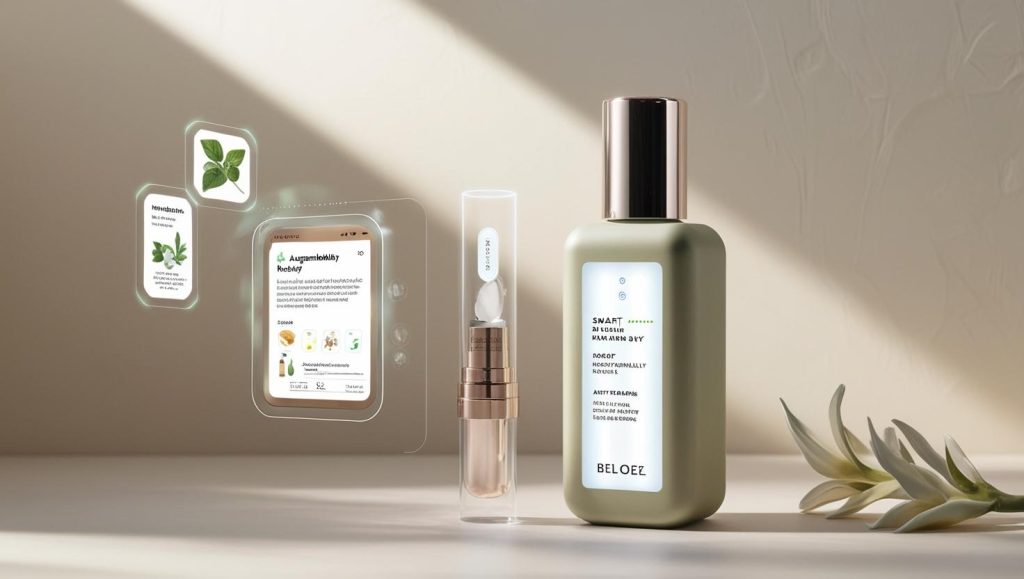
Furthermore, the integration of smart skincare tools that connect to mobile applications is enhancing the overall user experience. Devices such as electronic facial brushes or LED masks now come with mobile assistance, guiding users through their skincare routines and adjusting settings based on skin conditions detected through integrated sensors. This combination of technology and beauty not only elevates the efficacy of products but also educates users on proper application techniques, leading to better outcomes. According to a report by Market Research Future, the global market for smart beauty devices is projected to reach over $40 billion by 2026, reflecting the high demand for innovative solutions in skincare.
- Wearable Technology: Monitors skin health and provides tailored skincare advice.
- Biotechnology: Sustainable ingredient sourcing for enhanced product efficacy.
- Subscription Box Services: Customized product deliveries based on personal needs.
- Smart Skincare Tools: Devices that guide users for better application and results.
The amalgamation of these innovative approaches signifies an exciting new chapter in the skincare industry. With the ongoing advancements in technology, consumers are increasingly equipped with the tools they need to navigate their skincare journeys more effectively. Not only do these innovations foster a greater understanding of individual skin health, but they also contribute to a culture that prioritizes personalized care and informed choices—a critical aspect of modern beauty. As technology continues to develop, one can only imagine the future possibilities awaiting interested consumers.
DISCOVER MORE: Click here to learn how exercise enhances your skin
Conclusion
As we stand at the crossroads of technology and beauty, the revolution of beauty treatments is undeniably transforming the skincare industry in profound ways. From the rise of wearable technology that provides real-time skin analysis to the integration of sustainable biotechnology that enhances product efficacy while remaining eco-friendly, the advancements are reshaping consumer experiences and expectations. The personalized solutions offered by subscription box services allow individuals to discover skincare products tailored to their unique needs, fostering a deeper connection with their skincare routines.
The proliferation of smart skincare tools demonstrates a shift towards an informed, data-driven approach to beauty, empowering consumers to make educated choices. This intersection of science and aesthetics not only elevates the efficacy of treatments but also instills a sense of confidence in users as they take control of their skincare journeys. According to recent market forecasts, the demand for innovative beauty technology is set to soar, highlighting a growing consumer base invested in solutions that prioritize their specific skincare needs.
In conclusion, the marriage of technology and beauty is redefining the contours of the skincare landscape. As we look to the future, it is vital for consumers to remain engaged with these innovations to fully understand and utilize the advancements available. The revolution in beauty treatments underscores an exciting era where personal wellness and skincare are at the forefront, paving the way for an informed, more personalized beauty experience that resonates with today’s conscientious consumers. Exploring this dynamic evolution can lead to a more radiant, confident, and empowered self.