
The Benefits of Facial Exfoliation: Myths and Truths

Understanding Facial Exfoliation
In the quest for glowing skin, facial exfoliation serves as a fundamental step that cannot be overlooked. By gently clearing away the layer of dead skin cells that accumulate on the skin’s surface, exfoliation helps to reveal the fresh and vibrant skin underneath. This age-old practice is not merely a trend; it’s backed by dermatological expertise and can encompass a variety of techniques and products.
Exploring the Benefits
The advantages of including exfoliation in your skincare regimen are extensive. For instance, achieving a smoother texture is one of the most immediate benefits many individuals notice. Regular exfoliation can help eliminate rough patches, making skin feel softer and more youthful. According to dermatologists, even a subtle increase in skin smoothness can enhance the overall appearance, contributing to an irresistible glow.
A further advantage is the potential for a brighter complexion. Exfoliation works by speeding up the process of cell turnover, which means fresh cells take the place of older, dull ones more quickly. This not only improves skin clarity but also aids in fighting the effects of sun damage and pigmentation, common issues faced by many, especially in sunny regions of the U.S.
Moreover, improved absorbency of skincare products is a significant benefit that is often overlooked. When the top layer of dead skin is removed, it allows serums, moisturizers, and treatments to penetrate deeper, making them more effective. Thus, investing in quality products paired with regular exfoliation can significantly elevate your skincare results.
Dispelling Common Myths
Despite the numerous benefits, misconceptions about exfoliation abound. A prevalent myth is the belief that more exfoliation equals better results. In reality, over-exfoliating can lead to skin irritation, redness, and even increased oiliness for some skin types. The key lies in moderation and understanding your skin’s unique needs.
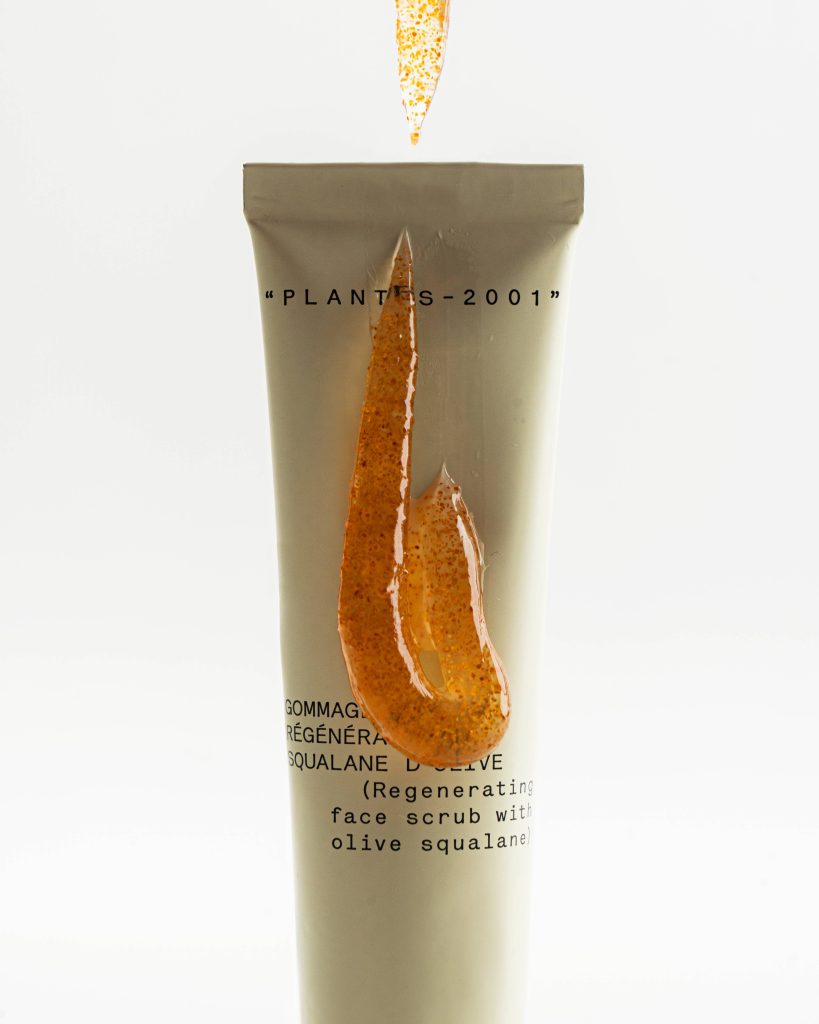

It’s also a common fallacy that exfoliation is only for oily skin. In fact, every skin type can benefit from proper exfoliation. For those with dry or sensitive skin, gentle exfoliation can promote hydration and enhance skin texture without exacerbating dryness. Tailoring your exfoliation technique to your skin type is essential; for example, individuals with sensitive skin might opt for enzyme-based exfoliants over harsh scrubs.
Lastly, there’s the belief that physical exfoliation is always superior to chemical. Both methods have their merits. Physical exfoliants, such as scrubs or brushes, provide immediate results, while chemical exfoliants utilize ingredients like alpha hydroxy acids (AHAs) and beta hydroxy acids (BHAs) to promote deeper peeling without the abrasive scrubbing. Understanding the distinctions allows individuals to choose the best method for their skin goals.
As we delve deeper into the truth about facial exfoliation, it’s crucial to recognize the importance of informed decision-making. Skincare is not one-size-fits-all; exploring various options will help cater to your specific needs. Whether you’re new to the idea of exfoliation or looking to refine your current routine, awareness and understanding are your best allies in achieving that coveted, radiant complexion.
DISCOVER MORE: Click here to dive deeper into the world of beauty innovation</
Unlocking the Secrets of Exfoliation
Understanding the myriad of benefits of facial exfoliation is essential as we navigate through the skincare landscape. What might start as a periodic beauty ritual can actually be transformative when incorporated into a consistent regimen. Many individuals engage in exfoliation seeking immediate results without fully grasping the long-term implications, which can be both advantageous and detrimental. A well-balanced exfoliation routine can lead to a suite of benefits, particularly when tailored to your skin type.
Enhanced Skin Renewal
One of the most significant perks of exfoliation is its role in enhancing skin renewal. As we age, the natural process of shedding dead skin cells slows down, leading to a buildup that can render skin dull and lifeless. Regular exfoliation stimulates this cell turnover, encouraging fresh skin cells to surface. Scientific studies indicate that incorporating exfoliation into your skincare routine can substantially reduce the appearance of fine lines and dullness, presenting a younger-looking appearance.
Improved Skin Tone
Another benefit lies in achieving a more uniform skin tone. Exfoliation can help diminish dark spots and hyperpigmentation caused by sun exposure or hormonal changes. For those battling acne scars or uneven skin tone, integrating a gentle exfoliating treatment can create a clearer canvas by targeting these imperfections. Over time, many users report a fading in discoloration, leading to a brighter, more radiant complexion.
Minimized Breakouts
For individuals prone to acne, exfoliation can be particularly beneficial. Regularly removing dead skin cells prevents clogged pores, a common precursor to breakouts. Exfoliation essentially acts as a preventive measure, warding off potential acne flare-ups by ensuring that pores remain clear. However, it’s crucial to select the right exfoliant; those with acne-prone skin may find that chemical exfoliants such as salicylic acid are especially effective due to their ability to penetrate deep into pores.
The Role of Hydration
In addition to its beautifying effects, proper exfoliation aids in enhancing hydration levels. When your skin is cluttered with dead cells, it can become a barrier, preventing moisturizers from fully absorbing and delivering their benefits. As a result, skin may appear dry and flaky, even after applying creams and serums. By exfoliating, you allow moisture to penetrate more effectively, resulting in plumper, more hydrated skin.
Essential Considerations for Exfoliation
- Frequency: Depending on your skin type, exfoliating once or twice a week is generally recommended. Over-exfoliating can lead to irritation and imbalance.
- Product Choice: Always choose products that are suitable for your skin. Consider the texture of scrubs or the strength of acids if opting for chemical exfoliation.
- Listen to Your Skin: Pay attention to how your skin reacts to different exfoliants, adjusting frequency and products as needed.
With the multitude of benefits of facial exfoliation, it becomes clearer why this step is paramount in any effective skincare regime. Nevertheless, the emphasis on a personalized approach cannot be underestimated, as individuals will have distinct responses based on their skin type and condition. By understanding these nuances, you can better harness the full potential of exfoliation, allowing you to flourish in your quest for healthy, radiant skin.
| Myth/Truth | Key Insights |
|---|---|
| Exfoliation Causes Irritation | Gentle exfoliation does not irritate the skin but rather enhances cell turnover. |
| It is Only for Oily Skin | All skin types can benefit from exfoliation to reveal radiant skin and improve texture. |
| Frequent Exfoliation is Better | Over-exfoliating can damage the skin barrier; a balance is essential for optimal results. |
| All Scrubs are Effective | Chemical exfoliants like AHA and BHA often yield better results than physical scrubs. |
Continuing the exploration of facial exfoliation reveals the complex interplay of myths and truths that can influence our skincare routines. For instance, while it’s a common belief that exfoliation leads to skin irritation, the reality is that when done gently, it can boost cell turnover and enhance overall skin health. Many individuals mistakenly assume that exfoliation is exclusively beneficial for oily skin types; however, all skin types stand to gain from regular exfoliation, which promotes a smooth and radiant complexion. The frequency of exfoliation is another topic often misunderstood. Some believe more is better; yet, it’s crucial to recognize that over-exfoliating can harm the protective skin barrier, leading to sensitivities and complications.Moreover, not all exfoliating products are created equal. For optimal effects, chemical exfoliants, such as alpha-hydroxy acids (AHA) and beta-hydroxy acids (BHA), can provide superior results compared to traditional physical scrubs, underscoring the importance of product selection in achieving your skin goals. Understanding these nuances helps to clarify the path toward a healthier, glowing complexion.
DIVE DEEPER: Click here to uncover the truths about hydration
Debunking Common Myths of Exfoliation
As with many beauty practices, misconceptions about exfoliation abound. Recognizing these myths can empower individuals to make informed choices about their skincare routines and ultimately enhance the benefits of facial exfoliation. Let’s delve into some of the most prevalent myths that often cloud the understanding of this essential practice.
Myth 1: All Exfoliants Are Created Equal
One common misconception is that all exfoliating products yield the same results. The reality is far more nuanced. There are primarily two types of exfoliants: physical exfoliants and chemical exfoliants. Physical exfoliants contain granules or beads that manually scrub the skin’s surface, while chemical exfoliants use active ingredients, such as alpha hydroxy acids (AHAs) or beta hydroxy acids (BHAs), to dissolve dead skin cells.
Different skin types require different approaches. For instance, those with sensitive skin may find physical exfoliants abrasive and worsening irritation. In contrast, gentle chemical exfoliants may offer better exfoliation without unnecessary friction. It is vital to choose the right product based on skin type and specific concerns.
Myth 2: More Exfoliation Means Better Results
Another persistent myth is that the more you exfoliate, the better your results. Over-exfoliating can lead to a myriad of problems, including redness, irritation, and a compromised skin barrier. The skin naturally has a built-in renewal process, and disrupting this cycle can result in increased sensitivity and an overproduction of oil as the skin attempts to compensate for the loss of its protective layer.
A study published in Dermatologic Surgery highlighted that individuals who exfoliated too frequently experienced more skin problems than those who followed a moderate routine. The recommended practice is to exfoliate once or twice a week, allowing the skin time to recover.
Myth 3: Exfoliation Is Only for Oily Skin
While it’s true that oily skin may benefit tremendously from regular exfoliation to combat excess oil and prevent breakouts, the notion that exfoliation is unnecessary for dry or combination skin is misleading. All skin types, including dry skin, can benefit from exfoliation by improving moisture absorption and promoting a smoother texture.
For individuals with dry skin, selecting gentle exfoliating products, such as those containing enzymes or lightweight acids, can help remove flaky patches without stripping moisture. This aids in achieving a dewy, radiant appearance.
Myth 4: Exfoliation Only Matters for the Face
People tend to focus their exfoliation efforts solely on the facial area, often neglecting the neck or décolletage, where signs of aging and sun damage can also manifest. In fact, these areas require just as much attention as the face for an even skin tone and youthful appearance.
Incorporating exfoliating treatments into the skincare routine for the neck and chest can aid in reducing the visible effects of aging, such as crepiness or uneven pigmentation. This holistic approach to exfoliation will not only improve skin texture across the board but also enhance overall skin health.
Final Thoughts
In shedding light on these myths, individuals can better understand how to integrate exfoliation into their skincare regimens effectively. The truth behind exfoliation encompasses various nuances, emphasizing the importance of tailored care to unleash the potential benefits. By being aware of both truths and misconceptions, one can step confidently into the realm of skincare, armed with the knowledge to harness the full advantages of this transformative practice.
DISCOVER MORE: Click here to learn about the latest advancements
Conclusion
Understanding the benefits of facial exfoliation is essential in cultivating a successful skincare routine that caters to individual needs. As we’ve uncovered, the truth surrounding exfoliation extends beyond the surface, revealing a spectrum of insights that can transform the way one cares for their skin. Distinguishing between physical and chemical exfoliants is crucial, as each type serves a different purpose and benefits various skin types differently. Furthermore, moderation is key; over-exfoliating can do more harm than good, leading to irritation and compromised skin health.
Moreover, the notion that exfoliation is solely for oily skin disregards the advantages it can offer all skin types, including dry skin, by enhancing moisture absorption and texture. Neglecting areas such as the neck and décolletage can also impede achieving a uniform appearance. Integrating exfoliation into these regions not only supports overall skin health but also combats visible signs of aging.
In navigating the landscape of skincare myths, it becomes evident that informed choices empower individuals to maximize their skin’s potential. By embracing tailored exfoliation practices that align with personal skin concerns and types, one can uncover a brighter, smoother, and more radiant complexion. Therefore, making exfoliation a mindful inclusion in one’s routine promises to enhance the quality of the skin and instill confidence in its care. For those looking to delve deeper, consulting with a skincare professional or dermatologist can provide personalized guidance to achieve the best results.