
How Pollution Affects the Skin and Facial Care Solutions to Protect It

The Impact of Pollution on Skin Health
Environmental pollution, a major concern in contemporary society, has far-reaching effects beyond just air quality; it significantly influences our skin’s health. Exposure to a variety of pollutants, including chemicals, particulate matter, and ultraviolet (UV) rays, can lead to an array of skin problems, ranging from premature aging to inflammation and more serious conditions. As pollution levels continue to rise, particularly in urban areas, the question arises: how can we shield our skin from these detrimental effects?
Understanding how pollution impacts the skin is crucial. For instance:
- Premature Aging: Pollutants such as smoke and industrial emissions can degrade the skin’s collagen and elastin, which are essential for maintaining elasticity and firmness. This breakdown results in wrinkles and sagging skin, making individuals appear older than their actual age.
- Skin Irritation: Frequent exposure to airborne toxins can manifest as redness, itching, and inflammation. For instance, city dwellers often report increased sensitivity and allergic reactions, particularly during high pollution days.
- Acne and Breakouts: The accumulation of dirt and grime on the skin can clog pores, leading to acne outbreaks. Research has shown that individuals living in highly polluted areas are more prone to developing acne due to the constant barrage of environmental irritants.
- Hyperpigmentation: Prolonged exposure to UV rays, coupled with pollutants, can trigger an overproduction of melanin. This often results in dark spots and an uneven skin tone, further exacerbated by the presence of particulate matter.
The alarming statistics associated with pollution-related skin issues highlight the need for effective protective measures. For instance, studies conducted in major cities, such as Los Angeles and New York, have revealed a direct correlation between elevated pollution levels and deteriorating skin conditions. Such findings emphasize the urgency for individuals to adopt proactive skincare routines.
To combat these challenges, here are several essential strategies to help protect and rejuvenate the skin:
- Regular Cleansing: Invest in a quality gentle cleanser designed to remove environmental pollutants and dirt without stripping the skin of its natural oils. Daily cleansing is vital, especially after spending time outdoors in polluted areas.
- Moisturizing: Keeping the skin hydrated is crucial for maintaining a strong barrier against environmental stressors. Look for moisturizers with ingredients like hyaluronic acid and ceramides that help lock in moisture.
- Sun Protection: Broad-spectrum sunscreens with an SPF of at least 30 are indispensable. They protect against harmful UV rays, reducing the risk of sunburn and premature aging caused by sun and pollution combined.
- Antioxidants: Introduce serums rich in antioxidants such as vitamin C and E. These compounds are essential for neutralizing free radicals produced by pollution, which can otherwise lead to oxidative stress and skin damage.
Understanding the extent of pollution’s impact on skin health provides a foundation for adopting effective skincare practices. With knowledge and proactive defense strategies, individuals can significantly mitigate the adverse effects of environmental pollutants, ensuring their skin remains healthy and vibrant despite the challenges posed by modern living.
DISCOVER MORE: Click here to learn about the latest innovations
Understanding the Skin’s Battles Against Pollution
The skin, being the body’s largest organ, serves as the frontline defense against environmental aggressors. Unfortunately, the sheer volume of pollutants we encounter on a daily basis can overwhelm this protective barrier. In today’s world, where urban living and industrial activity are prevalent, awareness of how these factors influence skin health is more crucial than ever.
Among the myriad ways pollution manifests its harmful effects, the following stand out:
- Oxidative Stress: This occurs when there is an imbalance between free radicals and antioxidants in the body. Pollutants such as car exhaust and industrial chemicals generate free radicals, which lead to cellular damage and accelerated aging. Your skin may show signs of fatigue, dullness, and uneven texture due to this ongoing battle.
- Disruption of Skin Barrier: The skin barrier acts as a shield against unwanted substances. However, pollutants can weaken this barrier, causing moisture loss and making the skin more susceptible to irritants and pathogens. A compromised skin barrier can result in conditions like eczema and increased sensitivity.
- Inflammation: Exposure to high levels of pollution can trigger inflammatory responses in the skin. Conditions such as rosacea and chronic acne may be exacerbated by environmental factors, leading to painful flare-ups and distress.
- Skin Dehydration: Pollutants can berate the skin, leading to a decrease in its hydration levels. Dry skin is not only uncomfortable but may accentuate fine lines and wrinkles, making timely moisturization more essential.
Recent studies point to an alarming trend: individuals residing in areas with high pollution levels experience a significantly higher prevalence of skin ailments. In cities like Los Angeles and Houston, reports indicate a sharp rise in cases of dermatitis and skin cancers, prompting experts to call for preventive measures in skincare routines.
To effectively combat the challenges pollution presents, here are several key strategies that can protect your skin and enhance its resilience:
- Choose the Right Cleanser: Opt for a gentle, pH-balanced cleanser that effectively removes impurities without stripping the skin of its natural oils. Special formulations infused with activated charcoal or clay can draw out toxins while providing a deep cleanse, especially after exposure to polluted environments.
- Layer Your Moisturizer: To bolster the skin’s defenses, incorporate a multi-layered moisturizing routine. Utilize serums containing hyaluronic acid for hydration and finish with creams rich in ceramides to fortify the skin barrier.
- Invest in Targeted Treatments: Select products infused with antioxidants, such as vitamin C and green tea extract, to counteract oxidative damage. Anti-inflammatory agents like niacinamide can help calm irritated skin and reduce redness.
- Establish a Nightly Routine: During sleep, the skin enters repair mode. Utilize overnight masks or nourishing creams that provide intense hydration and protection against nighttime pollutants. Natural ingredients like aloe vera and honey can work wonders in promoting skin renewal.
By educating ourselves on the profound effects of pollution on our skin, we can make informed choices regarding skincare. Armed with knowledge and actionable tips, individuals can proactively safeguard their skin, allowing it to thrive despite the challenges posed by an increasingly polluted environment.
How Pollution Affects the Skin and Facial Care Solutions to Protect It
Pollution is a silent aggressor that has a significant impact on the health and appearance of our skin. The skin, being the body’s largest organ, acts as a barrier against harmful environmental elements. However, exposure to pollutants such as particulate matter, volatile organic compounds, and heavy metals can lead to various skin issues.
Firstly, air pollution can accelerate the aging process by contributing to the breakdown of collagen and elasticity, leading to wrinkles and sagging skin. Pollutants generate free radicals, leading to oxidative stress, which can cause inflammation and exacerbate conditions such as acne and eczema. Additionally, fine dust and dirt particles can clog pores, resulting in breakouts and uneven skin texture.
Moreover, exposure to UV radiation in polluted environments compounds these effects, significantly increasing the risk of sun damage and skin cancer. Recognizing these dangers is the first step toward mitigating their impact. There are numerous facial care solutions to aid in protection and recovery.
Effective skincare routines that include cleansing, moisturizing, and protective elements are essential. Incorporating antioxidants such as vitamin C can combat oxidative stress, while hydrating ingredients like hyaluronic acid can maintain skin elasticity. Furthermore, using broad-spectrum sunscreens can shield your skin from harmful UVA and UVB rays, and specialized products such as pollution-fighting serums can detoxify and protect the skin.
| Category | Description |
|---|---|
| Increased Skin Sensitivity | Pollution leads to irritation, causing redness and discomfort in the skin. |
| Dull Complexion | Accumulated pollutants can result in a lackluster appearance, making skin look tired and aged. |
| Effective Skincare Solutions | Rejuvenating serums and targeted products can help detoxify and protect the skin. |
| Daily Protection | Using broad-spectrum sunscreen is vital to shield skin from UV damage. |
Incorporating these tips and understanding the impact of pollution can lead to healthier, more resilient skin. Readers should continue to explore effective ways to safeguard their complexion in today’s evolving environment.
DIVE DEEPER: Click here to discover more
Skin Care Approaches to Combat Pollution’s Adverse Effects
As the environmental landscape continues to shift dramatically, individuals are increasingly recognizing the vital role that dermatological care plays in mitigating the impact of pollution on skin health. Innovative skin care solutions are emerging, tailored specifically to counteract the detrimental effects of air quality, UV exposure, and urban living. Here, we delve further into advanced approaches that can help protect skin from these modern aggressors.
Another promising method involves the use of pollution-fighting ingredients in skincare products. Ingredients such as vitamin E and ferulic acid not only offer strong antioxidant protection but also work synergistically with other actives to enhance skin defenses. For example, incorporating a serum rich in these antioxidants can significantly reduce the visible effects of pollution on the skin.
- Barrier Repair Creams: Formulations designed specifically for barrier repair often include lipids, peptides, and fatty acids. These elements not only replenish what’s lost due to external stressors but also fortify the skin against future onslaughts. Regular application of these creams can be vital for residents in polluted urban areas.
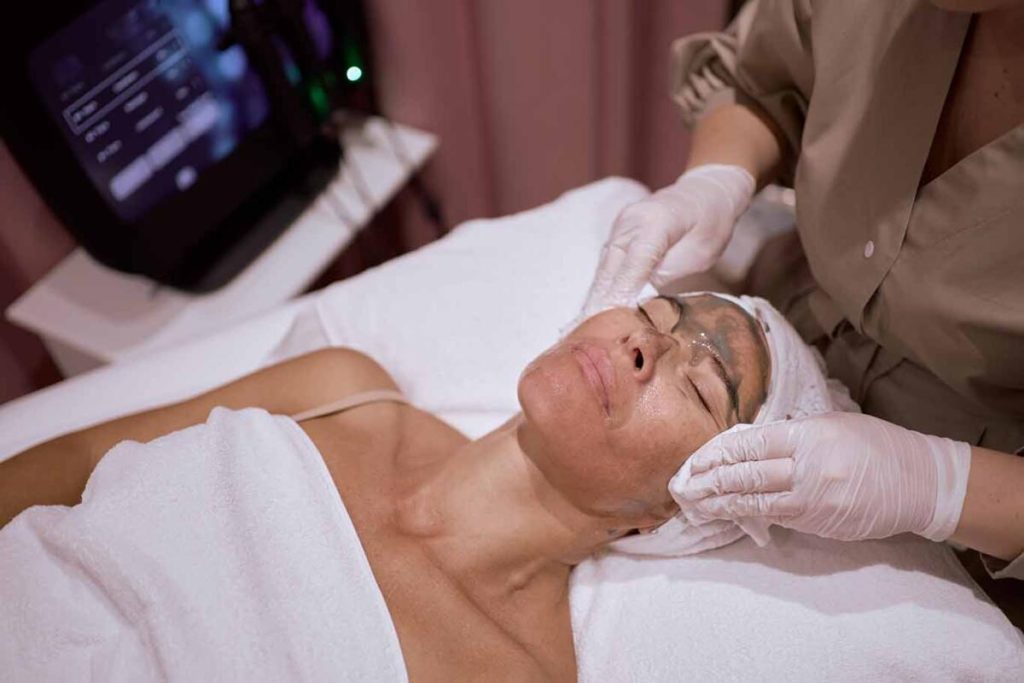
- Detoxifying Masks: Weekly detoxifying masks can serve as a frontline defense, offering deep cleansing properties. Look for masks that contain bentonite clay or activated charcoal, which can absorb impurities and toxins, rejuvenating the skin and making it feel fresh and vibrant.
- SPF Protection: Pollutants make skin more vulnerable to UV rays, and without proper protection, photodamage becomes inevitable. Using a broad-spectrum sunscreen with an SPF of at least 30 daily is non-negotiable. Select formulations that incorporate antioxidants to provide a double layer of defense against environmental stressors.
- Hydration Boosters: Given that pollution can lead to skin dehydration, reinforcing hydration through the use of humectants—like glycerin and sodium PCA—is essential. A rich, hydrating cream or gel can act as a barrier to lock in moisture and tackle dryness caused by pollutants.
Special attention should be paid to facial cleansing routines, especially for those living in high-pollution zones. Industry experts recommend double cleansing: beginning with an oil-based cleanser to dissolve makeup and grime, followed by a water-based cleanser to wash away any remaining residues. This approach removes the buildup created by environmental pollutants efficiently.
Moreover, adopting an anti-inflammatory approach to skincare can deliver exceptional results. Products with ingredients like chamomile or willow bark, known for their soothing properties, can help alleviate redness and irritation heightened by pollution. Regular incorporation of these items into a skincare routine can mitigate the inflammatory reactions triggered by pollutants.
The incorporation of oral antioxidants is also gaining traction among skincare enthusiasts. Foods rich in vitamins C and E, like citrus fruits and nuts, can enhance skin resilience to pollution from within. Some skincare advocates also turn to supplements that bolster skin defenses against free radicals, further enhancing the results of topical applications.
Ultimately, acknowledging the adverse effects of pollution is just the first step. As people increasingly grasp the pivotal role that effective skincare plays in combating these effects, the need for innovative products and conscious routines will only grow. This proactive approach not only celebrates the skin’s beauty but also empowers individuals to take charge of their skin health in an ever-challenging environment.
DIVE DEEPER: Click here to discover transformative practices
Conclusion: Navigating the Intersection of Pollution and Skincare
In conclusion, the adverse effects of pollution on skin health cannot be overstated. As urban areas continue to grapple with declining air quality and increased exposure to harmful particles, understanding the connection between pollution and skincare has never been more critical. From innovative pollution-fighting ingredients to robust approaches like double cleansing and the use of barrier repair creams, the landscape of facial care solutions is evolving to meet these modern challenges.
A proactive mindset towards skincare can lead to remarkably positive outcomes. By incorporating products rich in antioxidants like vitamin E and ferulic acid, alongside regular use of broad-spectrum SPFs, individuals can bolster their skin’s defenses against environmental damage. Furthermore, utilizing detoxifying masks and hydration boosters enhances the skin’s ability to recover from the ravages of pollution.
As more people become aware of these integral skincare practices, the importance of a dedicated routine becomes evident. Not only does this empower individuals to protect their skin more effectively, but it also fosters a deeper appreciation for how external factors shape our overall well-being. By embracing a multi-faceted approach that includes both topical treatments and nourishment from within, we can all take significant strides in preserving our skin’s health against the relentless tide of pollution.
Ultimately, the journey to radiant skin in a polluted world begins with informed choices and consistent care. As we navigate this intricate landscape, let us advocate for both our skin’s vitality and the broader environmental changes essential for future generations.