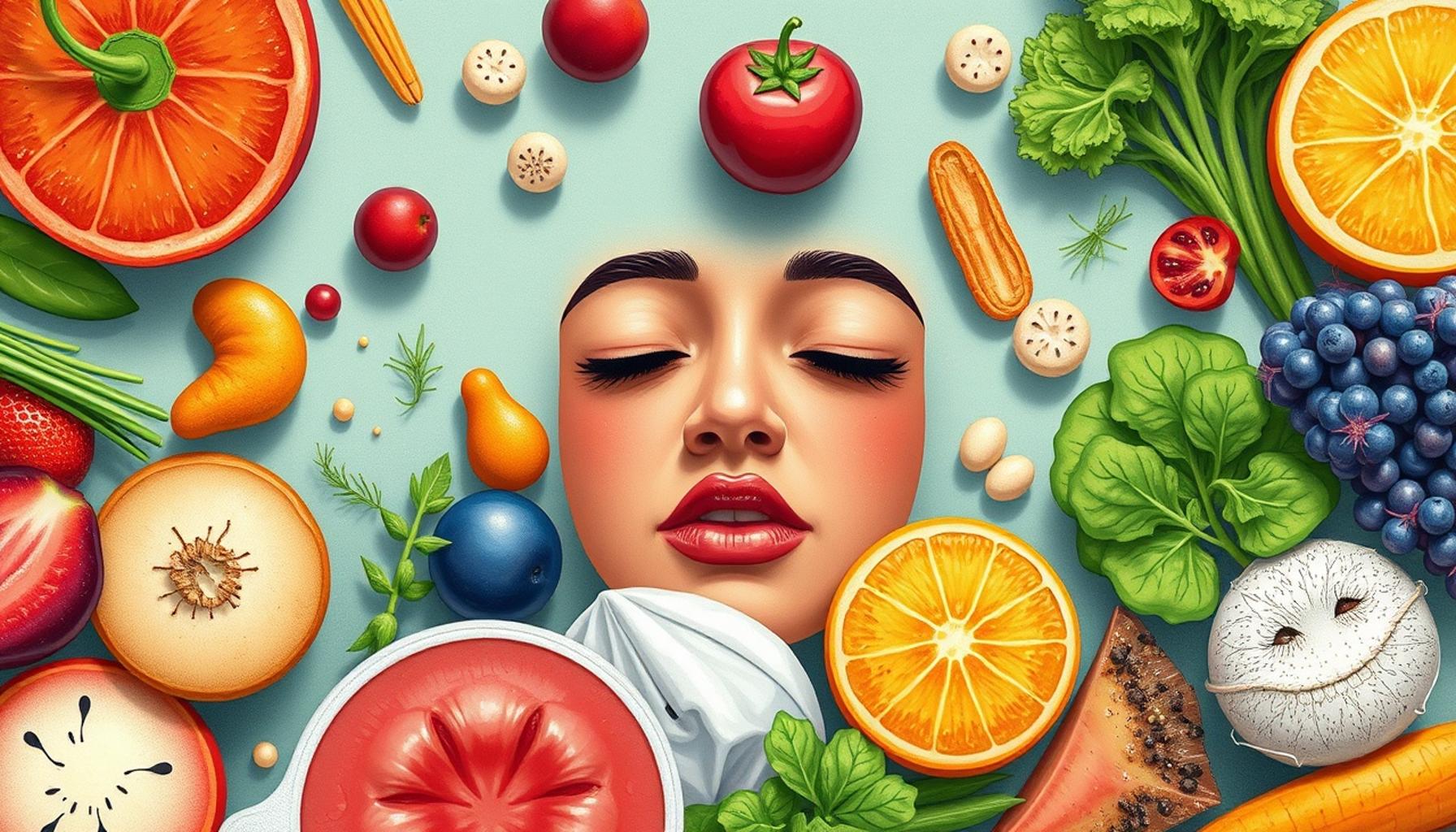
The Relationship Between Balanced Nutrition and Skin Health: Essential Nutrients for Natural Glow

Understanding the Impact of Nutrition on Skin Health
Achieving beautiful, radiant skin often feels like an elusive goal. However, by recognizing the intricate relationship between diet and skin health, individuals can unlock the secrets to a healthier complexion. Our skin acts as a mirror, reflecting our internal health, and balanced nutrition is pivotal in enhancing its natural glow.
Key Nutrients for Radiant Skin
To cultivate a vibrant complexion, it is essential to focus on specific nutrients that play a significant role in skin health. Here are some key players to consider:
- Vitamins: Vitamins C, E, and A are champions of skin health, renowned for their antioxidant properties. Vitamin C is crucial for collagen production, which helps maintain skin structure and firmness. Foods rich in vitamin C, such as oranges, strawberries, and bell peppers, can support skin repair and protect against harmful UV damage. Vitamin E, found in nuts and green leafy vegetables, helps mitigate oxidative stress, promoting a younger appearance. Meanwhile, vitamin A is essential for skin cell production and repair, and can be sourced from sweet potatoes and carrots.
- Healthy Fats: The inclusion of omega-3 fatty acids in your diet is vital for maintaining skin moisture and elasticity. These healthy fats, abundant in fatty fish like salmon and plant-based sources such as chia seeds and walnuts, support the skin’s barrier function, thereby preventing dryness and promoting suppleness.
- Hydration: Water is often overlooked, yet it is fundamental to skin health. Proper hydration helps in detoxification, reducing the appearance of fine lines and helping to keep the skin plump and youthful. Aiming to drink at least eight glasses of water a day can significantly aid in maintaining skin elasticity.
- Minerals: Essential minerals like zinc and selenium work wonders for skin healing and inflammation reduction. Zinc, found in legumes and whole grains, plays a crucial role in repairing damaged skin and can also help reduce acne flare-ups. Selenium, found in Brazil nuts and seafood, aids in combating free radicals that can cause skin aging.
- Proteins: Amino acids are the building blocks of collagen and elastin, proteins fundamental to skin structure and resilience. High-quality protein sources, including lean meats, eggs, and legumes, ensure that your skin remains strong and youthful.
With a strategic focus on balanced nutrition, your skin’s transformation is within reach. By understanding how these essential nutrients work synergistically, you can enhance your natural glow while promoting effective long-term skin health. By diving deeper into your dietary choices, you can unlock a path to vibrant, radiant skin. Consider consulting a nutritionist or dermatologist to tailor an appropriate dietary plan that aligns with your skin health goals.
DIVE DEEPER: Click here to learn about the latest trends in facial care
The Essential Framework for Healthy Skin
A closer look at the diet reveals that skin health is not merely a result of external skincare routines, but fundamentally anchored in internal nourishment. The skin, as the body’s largest organ, requires a variety of nutrients to thrive. Including a range of colorful, nutrient-dense foods in one’s diet is vital for promoting that sought-after radiant glow. In this section, we will delve deeper into how balanced nutrition supports skin vitality beyond just vitamins and identify some lesser-known but equally essential elements.
Balancing Macro and Micronutrients
While we often emphasize the importance of macronutrients—carbohydrates, proteins, and fats—in our diets, micronutrients play a critical role in skin health as well. The synergy between these nutrients creates a framework that enhances the skin’s appearance and functionality. Here are some pivotal contributors to skin health that deserve your attention:
- Omega-3 Fatty Acids: As previously mentioned, omega-3s help maintain skin hydration and elasticity. Studies have shown that these fatty acids can also help reduce inflammation and improve skin conditions like eczema and psoriasis. Incorporating fatty fish such as mackerel and sardines at least twice a week can make a marked difference in skin health.
- Antioxidants: Beyond the well-known vitamins, a variety of fruits and vegetables are loaded with antioxidants that fight free radicals. Berries, kale, and green tea are excellent sources that can minimize the visible impact of stress and pollution on your skin. Furthermore, antioxidants work hand-in-hand with other skin-boosting nutrients to protect skin cells from damage.
- Probiotics: Gut health plays a pivotal role in skin quality, with a growing body of research linking the gut microbiome to skin conditions such as acne and rosacea. Including fermented foods like yogurt, kimchi, and sauerkraut can bolster your gut flora, thereby promoting clearer skin.
- Fiber: Although fiber primarily impacts digestive health, it indirectly contributes to skin health by promoting detoxification. A fiber-rich diet aids in regular bowel movements, which helps remove toxins from the body. This process can have a profound effect on the skin’s clarity, making foods such as whole grains, legumes, and fruits essential for maintaining that luminous glow.
- Phytonutrients: These bioactive components from plants not only provide color and flavor but also exhibit anti-inflammatory and antioxidant properties. Foods such as tomatoes and carrots, which are rich in lycopene and beta-carotene respectively, can shield the skin from sun damage, making them essential for any skin-conscious diet.
Focusing on this convergence of nutrients aids in establishing a comprehensive approach to skincare from within. By embracing a diet rich in these elements, you are not just feeding your skin but nurturing a healthier, more vibrant version of yourself. This awareness not only highlights the significance of nourishment in our daily lives but also empowers individuals to make informed decisions in their quest for a natural glow.
| Essential Nutrient | Impact on Skin Health |
|---|---|
| Vitamin C | Promotes collagen production, reducing wrinkles and improving skin texture. |
| Omega-3 Fatty Acids | Helps maintain skin barrier health and reduces inflammation, preventing dryness and irritation. |
| Zinc | Essential for healing and reducing acne; also regulates oil production in the skin. |
| Antioxidants (e.g., Vitamin E) | Protects against environmental damage, helping to maintain a youthful appearance. |
Building a connection between balanced nutrition and glowing skin requires an understanding of essential nutrients. These nutrients not only enrich your body but are also vital for achieving a natural glow. For instance, Vitamin C acts as a powerful antioxidant and promotes collagen synthesis, which is crucial for skin elasticity and reducing visible signs of aging. Similarly, the inclusion of Omega-3 fatty acids is paramount; they not only support optimal skin hydration but also combat skin inflammation, paving the way for a smoother complexion.Moreover, Zinc plays a critical role in skin health by facilitating the healing process and managing oil production, thus keeping acne at bay. To top it off, antioxidants like Vitamin E serve as defenders against oxidative stress, preserving skin vitality. Each of these nutrients contributes uniquely to skin wellness, inviting readers to explore further how their dietary choices can lead to vibrant dermal health.
DIVE DEEPER: Click here for essential contouring tips
Nurturing the Skin from Within
The pursuit of a natural glow has led many individuals to explore not just external products but also the profound impact of diet on skin health. It’s fascinating to note that the skin operates as a mirror of our internal health; therefore, the philosophy of “you are what you eat” takes on new relevance. Beyond the previously discussed components, there are several other critical nutrients that further enhance skin vitality, each playing a unique role in the symbiotic relationship between balanced nutrition and skin health.
Vitamin-Rich Allies for Radiant Skin
Among the various vitamins, Vitamin C deserves special attention due to its role in collagen synthesis and antioxidant protection. This powerhouse nutrient helps combat oxidative stress, which can lead to premature aging. Citrus fruits, strawberries, and bell peppers are all exceptional sources. Recent studies indicate that individuals with higher Vitamin C intake report better skin texture and reduced wrinkles, emphasizing the need for daily doses of this vital vitamin.
- Vitamin E: Known as the skin’s natural protector, vitamin E works effectively in conjunction with Vitamin C, enhancing its anti-aging effects. Nuts, seeds, and green leafy vegetables are rich sources. Vitamin E absorbs UV light, which protects against sun damage, offering a dual benefit for skin health.
- Vitamin A: Essential for skin cell production and repair, Vitamin A is a key player in maintaining skin tone and reducing the appearance of blemishes. Carrots, sweet potatoes, and liver are abundant sources. Numerous dermatological studies have shown that retinoids, derivatives of Vitamin A, are effective in promoting youthful skin.
- B Vitamins: These vitamins, including B2 (riboflavin), B3 (niacin), and B7 (biotin), are fundamental for maintaining skin hydration and elasticity. Whole grains, eggs, and legumes provide these nutrients, contributing to a youthful, radiant complexion.
Water: The Unsung Hero
While often overlooked, water is a crucial component of balanced nutrition that directly influences skin health. Dehydration can lead to dry, flaky skin and exacerbates the appearance of fine lines. Drinking adequate amounts of water—approximately eight 8-ounce glasses daily, though individual needs may vary—ensures that skin remains plump and resilient. Additionally, high-water content foods like cucumbers, watermelon, and oranges can help meet hydration needs.
Minerals: Small But Significant
Minerals play a lesser-discussed yet vital role in skin health. Zinc is particularly important for managing oil production and aiding in healing skin wounds. Foods such as pumpkin seeds, chickpeas, and quinoa are excellent sources. Insufficient zinc levels can lead to acne, making adequate intake essential for those struggling with breakouts.
- Magnesium: This mineral helps prevent skin inflammation and dryness. It can be found in green leafy vegetables, nuts, and seeds. A magnesium-rich diet has been shown to improve skin hydration and overall appearance.
- selenium: Known for its antioxidant properties, selenium protects skin elasticity and may help prevent the skin from damage due to sun exposure. Sources include Brazil nuts, fish, and poultry.
With a deeper understanding of these essential nutrients, it’s clear that nurturing the skin from within through balanced nutrition is a holistic way to achieve that enviable natural glow. Not only do these nutrients work synergistically, but they also empower individuals to take a proactive approach to skin health—illuminating the way we view beauty from the inside out.
DISCOVER MORE: Click here to learn about the latest facial care trends
Conclusion: The Path to Radiant Skin Through Balanced Nutrition
In the quest for radiant skin, it becomes increasingly evident that the connection between balanced nutrition and skin health is profound and transformative. The essential nutrients discussed—ranging from vitamins such as Vitamin C and Vitamin E to vital minerals like zinc and magnesium—play a pivotal role in enhancing the skin’s appearance and functionality. Our skin is not just a protective barrier but also a reflection of our inner health, emphasizing the importance of nurturing it from the inside out.
Adopting a well-rounded diet rich in these nutrients encourages not only a youthful glow but also aids in the prevention of skin issues, making it imperative for anyone seeking to improve their complexion to prioritize what they consume. Not to be forgotten, hydration acts as a critical factor that binds all these elements together, preventing dryness and maintaining skin elasticity.
As we continue to explore the intricacies of the body-skin connection, a holistic approach to nutrition will empower individuals to reclaim their skin’s natural beauty, leading to lasting results that go beyond topical solutions. By embracing foods rich in essential nutrients, we can foster a lifestyle that nurtures not only radiant skin but also overall well-being. Therefore, the journey toward achieving a natural glow begins at the dinner table—making informed dietary choices essential for healthy, vibrant skin.