
How Nutrition Affects Skin Health: Essential Nutrients for a Radiant Face
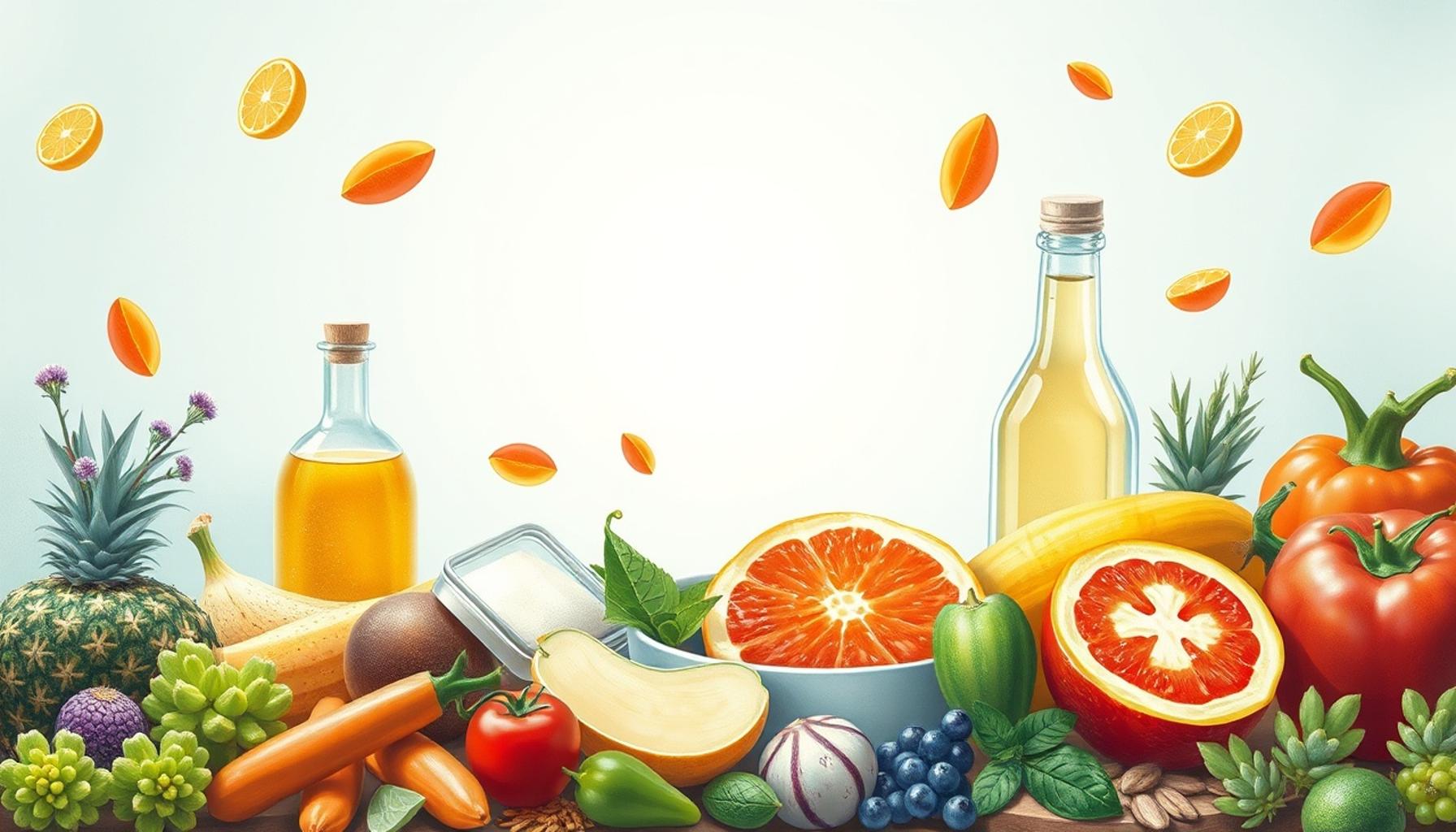
Discover the Link Between Nutrition and Skin Health
A well-balanced diet is more than just about maintaining overall health; it plays a crucial role in achieving a vibrant complexion. The skin, being the body’s largest organ, reflects our internal health and well-being. Understanding how nutrition affects skin health can transform your approach to beauty and self-care.
Essential nutrients contribute significantly to skin vitality. Here are key categories to consider:
- Vitamins: Vitamins serve as biological catalysts and protective agents in the body, directly influencing skin health. For instance, Vitamin C is renowned for its role in collagen production, which helps maintain skin elasticity and reduces the appearance of wrinkles. Foods like oranges, strawberries, and bell peppers are excellent sources. Similarly, Vitamin E acts as a powerful antioxidant, protecting skin cells from damage caused by UV rays and environmental pollutants. Incorporating nuts, seeds, and spinach into your diet can enhance your vitamin E intake.
- Minerals: The significance of minerals such as Zinc and Selenium cannot be overstated when it comes to healthy skin. Zinc is crucial for skin regeneration and repair, making it vital for healing acne and other skin blemishes. This mineral can be found in foods like oysters, beef, and pumpkin seeds. Selenium, on the other hand, aids in preventing skin inflammation and damage from the sun. Brazil nuts and seafood are rich sources of selenium.
- Healthy Fats: Not all fats are created equal. Omega-3 fatty acids, found in fatty fish like salmon, walnuts, and flaxseeds, contribute to maintaining skin hydration, fostering smooth and supple skin while also reducing signs of aging. These healthy fats can help combat dryness and inflammation, which are common culprits of skin issues.
The right combination of these nutrients works synergistically to enhance your skin’s appearance and health. For instance, incorporating healthy fats into a salad filled with vibrant vegetables can enhance the absorption of fat-soluble vitamins, amplifying their benefits for skin health.
Uncovering the Secrets of Nutrient-Rich Foods
Can a simple change in diet yield visible improvements in your skin? Many individuals report a noticeable difference when they incorporate nutrient-dense foods into their meals. Imagine waking up to skin that feels rejuvenated and looks radiant, all thanks to the power of dietary choices. Foods such as avocados, which are rich in healthy fats and vitamin E, can make a significant difference. Additionally, colorful berries are packed with antioxidants that fight free radical damage, offering a double boost for your skin.
Join us on this journey to uncover delicious options that nourish your skin from within. Snacks like Greek yogurt topped with honey and walnuts not only satisfy your hunger but also provide a wealth of nutrients essential for skin health. By understanding the profound connection between what we eat and how our skin looks, you can embark on a path to achieving that coveted radiant face.
In the upcoming sections, we will delve deeper into each nutrient category, offering practical tips, meal ideas, and lifestyle suggestions to further enhance your skin health through conscious eating. The journey toward glowing skin can be both delicious and rewarding!
DISCOVER MORE: Click here to enhance your well-being
Essential Nutrients for Radiant Skin
Understanding the intricate relationship between nutrition and skin health can be the key to unlocking a glowing complexion. A focus on essential nutrients can greatly influence how your skin responds to environmental stressors, aging, and other factors. Below are some vital nutrients that can help you achieve the radiant skin you desire.
- Vitamin A: Often referred to as the skin vitamin, Vitamin A plays a pivotal role in maintaining skin health. It supports skin cell production and repair while helping to fight off free radicals that can lead to premature aging. Foods rich in Vitamin A include sweet potatoes, carrots, and leafy greens. It is also found in animal sources such as liver and dairy products.
- B Vitamins: This family of vitamins, particularly Vitamin B3 (niacinamide) and Vitamin B5 (pantothenic acid), helps retain moisture and improve skin texture. Incorporating whole grains, eggs, and legumes into your diet can boost your intake of these beneficial nutrients. These vitamins also assist in reducing inflammation, contributing to an overall clearer complexion.
- Antioxidants: Antioxidants are crucial for combatting oxidative stress, which can lead to dull skin and other aging signs. Vitamin C, as previously mentioned, is a potent antioxidant that reduces inflammation and encourages collagen synthesis, while other antioxidants like flavonoids from fruits and vegetables can help protect your skin from UV damage. Berries, dark chocolate, and green tea are excellent sources of antioxidants that can effectively nourish your skin.
- Hydration: While not a nutrient in the traditional sense, proper hydration is essential for maintaining skin elasticity and beauty. Drinking adequate water and consuming hydrating foods like cucumbers, watermelon, and oranges can help flush out toxins and maintain a balanced internal environment.
The synergy of these nutrients contributes to improved skin texture, hydration, and resilience. For example, combining Vitamin C-rich foods with a source of healthy fats can enhance the absorption of these vital compounds, allowing your skin to reap the full benefits.
Foods to Incorporate for Optimal Skin Health
Navigating your pantry to create a skin-friendly regimen can be both fun and rewarding. Consider the following foods as staple additions to your diet:
- Fatty Fish: Salmon and mackerel are not only delicious but are packed with omega-3 fatty acids that combat inflammation and boost hydration.
- Leafy Greens: Spinach, kale, and swiss chard are all sources of important vitamins and minerals that assist with skin renewal.
- Nuts and Seeds: Almonds, walnuts, and chia seeds are rich in vitamin E and omega-3s, making them great snacks for maintaining skin elasticity.
- Fermented Foods: Probiotic-rich foods like yogurt and sauerkraut can enhance gut health, which has a direct impact on inflammation and skin clarity.
The journey towards perfect skin begins on your plate, showcasing the powerful connection between what you eat and how your skin looks. By understanding and implementing these dietary changes, you can foster not just a radiant face but a confident outlook as well.
How Nutrition Affects Skin Health: Essential Nutrients for a Radiant Face
When it comes to achieving a radiant complexion, the food we consume plays a pivotal role. Our skin reflects our overall health, and various essential nutrients can significantly enhance its appearance. Let’s delve into some of these vital components, examining their impacts on skin vitality and how integrating them into your diet can promote a rejuvenated look.
| Nutrient | Advantages |
|---|---|
| Vitamin C | Boosts collagen production, enhances skin elasticity, and fights free radicals. |
| Omega-3 Fatty Acids | Reduces inflammation and dryness, promoting a healthier, glowing skin. |
| Zinc | Promotes skin healing, reduces acne flare-ups, and maintains oil production. |
| Antioxidants | Protects against sun damage and environmental stressors, promoting overall skin health. |
Integrating these nutrients into your daily meals can greatly impact skin resilience and appearance. Foods rich in Vitamin C, such as citrus fruits and leafy greens, can help boost collagen and reduce the signs of aging. Meanwhile, nourishing your body with Omega-3 fatty acids found in fatty fish and flaxseeds provides moisture to the skin, combating dryness and irritation effectively.
Additionally, Zinc is commonly found in foods like nuts and beans and is known for promoting skin regeneration. A diet abundant in antioxidants, which can be sourced from berries and dark chocolate, can shield your skin from oxidative stress, maintaining its youthful glow. In exploring the transformative potential of nutrition, you’ll not only enhance your skin health but also foster a healthier lifestyle overall.
DISCOVER MORE: Click here to learn about the latest innovations
Importance of a Balanced Diet for Skin Vitality
In the quest for a radiant complexion, it’s not only about individual nutrients but rather the overall balance of your diet. A well-rounded intake of different food groups ensures that your body receives all the necessary elements it needs to support vibrant skin health. Focusing on a diverse range of foods amplifies the benefits provided by each nutrient, creating a synergistic effect that can lead to remarkable improvements in skin appearance.
One of the most crucial factors contributing to skin vitality is the concept of whole foods. These minimally processed foods retain their natural nutrients and are often free from additives and preservatives, which can negatively affect your skin. Incorporating a variety of fruits, vegetables, whole grains, and lean proteins ensures you receive a spectrum of vitamins and minerals. For instance, colorful fruits and vegetables like bell peppers, tomatoes, and blueberries provide diverse phytonutrients that enhance skin texture and appearance.
Essential Fats: The Key to Soft, Supple Skin
Don’t underestimate the power of healthy fats. Omega-6 and omega-3 fatty acids are particularly important for maintaining the skin barrier and preventing water loss. These essential fats can be found in sources like avocados, olive oil, and fatty fish. Avocados, rich in both omega-3s and vitamins C and E, help maintain skin moisture and elasticity.
Including nuts, especially walnuts, is another way to add these vital nutrients. Studies suggest that individuals who consume higher amounts of omega-3 fatty acids may have lower levels of skin aging and improved overall skin function, making them excellent allies in your skincare arsenal. Moreover, cooking with olive oil instead of butter can provide your skin with more antioxidants, which may combat the negative effects of sun exposure.
The Role of Glycemic Index in Skin Health
Another factor worth considering is the glycemic index (GI) of foods. Diets high in refined carbohydrates and sugars can lead to increased insulin levels, which may drive skin issues such as acne and inflammation. Opt for low-GI foods, such as whole grains, legumes, and non-starchy vegetables, to help stabilize insulin levels and promote a clearer complexion.
Research has shown that reducing the intake of high-GI foods can significantly lessen acne flare-ups in some individuals, likely due to the decreased insulin response and lower inflammation levels. Examples of low-GI foods include quinoa, lentils, and various nuts, offering not just healthy energy sources but also nutrients that may benefit your skin.
Supplements: A Consideration for Skin Support
While whole foods should always be your go-to source for nutrients, supplements can play a beneficial role in certain circumstances. For example, collagen peptides have gained popularity for their potential to improve skin elasticity and hydration. Since collagen production naturally declines with age, supplementing with collagen can support skin structure if combined with a diet rich in Vitamin C.
Additionally, zinc is often recommended to support skin health, particularly in individuals with acne, as it plays a crucial role in regulating oil production and inflammation. Sources of zinc include pumpkin seeds, chickpeas, and lean meats.
As you explore the countless possibilities available for achieving a glowing visage, remember that creating a healthy skin environment involves holistic changes to your diet. By understanding how nutrition directly affects skin health, you enhance not only your appearance but your overall well-being, sparking a radiant confidence that shines from within.
DIVE DEEPER: Click here to discover the transformative power of natural hair treatments!
Conclusion: Nourishing Your Skin from Within
Understanding the profound connection between nutrition and skin health can empower you to make informed choices that enhance not only your appearance but your overall well-being. A diet rich in whole foods, including vibrant fruits, vegetables, healthy fats, and low-GI carbohydrates, creates a foundation for maintaining a clear and radiant complexion. By prioritizing a variety of essential nutrients, such as antioxidant-rich vitamins, healthy fats, and minerals, you’re equipping your skin with the tools it needs to combat environmental stressors, reduce inflammation, and promote hydration.
Moreover, the inclusion of beneficial supplements like collagen and zinc can further support your skin’s health, particularly when natural production wanes with age or during times of high stress. Remember, while topical treatments can provide immediate benefits, true skin health comes from the inside out. Opting for a balanced diet not only nourishes your skin but also impacts your mood and energy levels, leading to a holistic approach to wellness.
As you reflect on your diet and lifestyle choices, consider experimenting with new foods and recipes to discover the myriad ways to nourish your skin. Every meal is a new opportunity to support your skin health, fostering a glowing complexion that reflects your care and commitment. Ultimately, a radiant face is not just a matter of cosmetics but a testament to the rich tapestry of nutrition woven into your daily life.