
Nutrition and Lifestyle: The Role of Nutrition in the Fight Against Aging
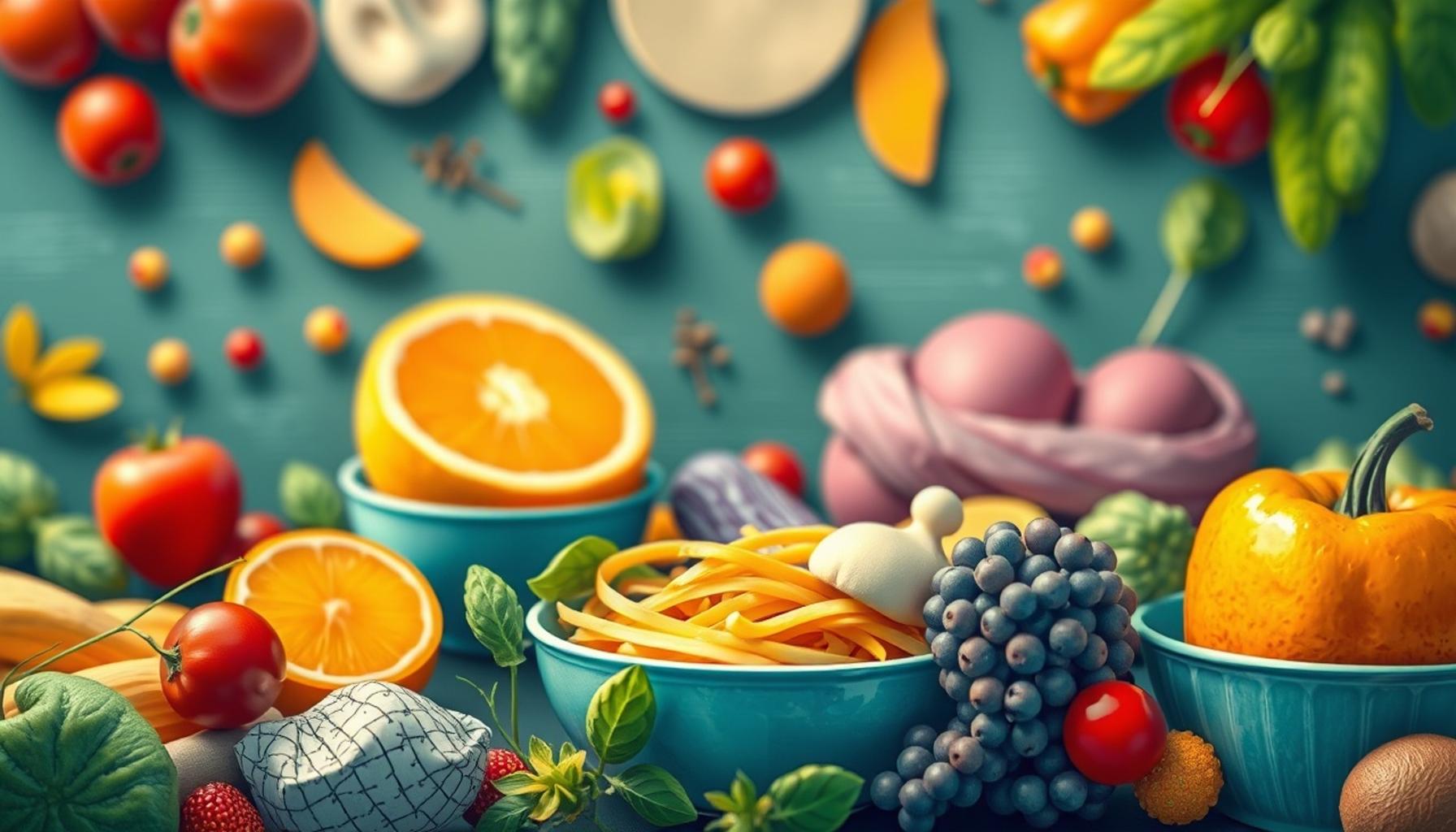
The Role of Nutrition in Healthy Aging
As we navigate the years, the chase for youthful vitality becomes a central theme in our lives. A growing number of individuals are beginning to appreciate the crucial role that nutrition plays in the aging process. By gaining insight into how our dietary choices affect our bodies, we can take proactive steps in our quest to age gracefully and healthily.
The Power of Antioxidants
One of the most significant aspects of nutrition that aids in combating aging is the consumption of antioxidant-rich foods. Foods such as berries—blueberries, strawberries, and raspberries—are heavy hitters in the antioxidant department. They are known to counteract oxidative stress, a key factor in the aging process. Likewise, leafy greens like kale and spinach, packed with vitamins A, C, and E, help in cellular repair and reduce inflammation in the body. Nuts, especially walnuts and almonds, provide not only healthy fats but also powerful antioxidants that can improve heart health.
Essential Fatty Acids for Brain Health
Healthy fats are another cornerstone of nutritional choices that can significantly influence longevity. Omega-3 fatty acids, found in fatty fish such as salmon and mackerel, or plant sources like flaxseed and chia seeds, are essential for maintaining cognitive function as we age. Numerous studies have shown that regular consumption of Omega-3s can help stave off Alzheimer’s disease and cognitive decline, providing another compelling reason to include these foods in our diets.
The Benefits of Whole Grains
Incorporating whole grains into your meals is another vital piece of the longevity puzzle. Foods such as quinoa, brown rice, and whole wheat bread provide essential nutrients and fiber, which contribute to improved digestion and heart health. They also help maintain stable energy levels throughout the day, preventing the blood sugar spikes associated with processed grains, thereby supporting overall metabolic health.
Holistic Lifestyle Choices
Beyond diet, lifestyle choices also play a critical role in our health and nutritional habits. Engaging in regular physical activity—whether through jogging, yoga, or group fitness classes—not only enhances physical fitness but also boosts mood and cognitive function, complementing the benefits of a nutritious diet. Quality sleep is another non-negotiable element; inadequate sleep has been linked to weight gain, diminished organ function, and even accelerated aging. Similarly, effective stress management techniques, such as mindfulness and meditation, can reduce the effects of inflammation and promote overall well-being.
As we delve deeper into the science of nutrition and lifestyle choices, it’s clear that a holistic approach is essential to enhancing our quality of life as we age. By examining the intricate connections between what we eat and how we feel, we can uncover valuable strategies to integrate into our daily routines. Prepare to be encouraged to explore new dietary paths and rejuvenate your understanding of aging—a journey that begins on your dinner plate.
DISCOVER MORE: Click here to learn about key hydration tips for your skin
Nourishing Your Body: A Fundamental Approach
Understanding the intricate relationship between nutrition and aging is no longer confined to the realm of scientific study; it has become a personal journey for many seeking not just to live longer, but to enhance their quality of life. As research continues to unveil the profound effects of food on overall health, it is clear that a strategic approach to nutrition can lead to a more vibrant and fulfilling life. The choices we make at the grocery store can translate into significant differences in well-being as we age.
Color Your Plate with Phytonutrients
One often-overlooked component of nutrition is the presence of phytonutrients, naturally occurring compounds in plants that play a vital role in combating oxidative stress and inflammation—two major contributors to aging. Incorporating a variety of colorful fruits and vegetables into your diet can ensure that you are reaping the benefits of these essential nutrients. Consider filling your shopping cart with options like:
- Crimson tomatoes, rich in lycopene, which can aid in heart health.
- Bright orange carrots, containing beta-carotene, known for supporting eye health.
- Green bell peppers, abundant in vitamin C, promoting skin elasticity.
These diverse choices not only add flavor to meals but also contribute to a well-rounded nutritional profile that can assist in staving off age-related health issues.
The Role of Protein in Maintaining Muscle Mass
As we progress into our golden years, the preservation of muscle mass becomes increasingly critical. Approximately 40% of muscle mass can be lost by the age of 80 if not actively maintained. Incorporating high-quality sources of protein into our diets can significantly help counter this decline. Lean meats, poultry, fish, dairy products, and plant-based options like legumes and tofu provide essential amino acids necessary for muscle repair and growth.
Moreover, studies suggest that older adults should aim for a higher protein intake spread throughout the day to better support muscle synthesis. This adjustment can lead to enhancements in strength, balance, and overall mobility—key elements in maintaining independence and preventing falls as we age.
Hydration: The Overlooked Element
Another crucial yet often overlooked aspect of nutrition in the aging process is proper hydration. As we age, our bodies may become less efficient at signaling thirst, which can lead to dehydration. Ensuring adequate fluid intake is paramount for numerous bodily functions, including digestion and circulation. Elderly individuals are advised to aim for at least eight 8-ounce glasses of water a day, along with increased consumption of hydrating foods like cucumbers, watermelon, and yogurt.
In conclusion, the path toward healthy aging is paved with informed nutritional choices. By prioritizing antioxidant-rich foods, protein sources, phytonutrients, and hydration, individuals can bolster their defenses against the physical manifestations of aging. Maintaining a balanced diet is not just about prolonging life; it is about enhancing the experience of living well. As we delve deeper into the various facets of nutrition, we uncover the rich tapestry that binds diet, lifestyle, and aging together—in all their complexities and wonders.
| Nutrient Category | Health Benefits |
|---|---|
| Antioxidants | Combat oxidative stress, which can accelerate aging. |
| Omega-3 Fatty Acids | Support heart health and promote brain function. |
| Vitamins C and E | Enhance skin elasticity and reduce the appearance of wrinkles. |
| Whole Grains | Improve digestion and stabilize blood sugar levels. |
The role of nutrition in the fight against aging is increasingly evident, as the foods we consume deeply impact our health. Key nutrients such as antioxidants serve as protective agents against free radicals, which can lead to cellular damage and premature aging. Sources of antioxidants include berries, nuts, and green leafy vegetables.Furthermore, incorporating omega-3 fatty acids from fish or flaxseed can significantly contribute to enhancing brain and heart health, vital components in maintaining vitality as we age. Their anti-inflammatory properties are well-documented, making them a crucial part of a longevity-promoting diet.Moreover, vitamins such as C and E play essential roles in maintaining skin health, with their ability to assist in collagen production and safeguard against UV damage. Foods rich in these vitamins can help promote a youthful appearance well into one’s senior years.Finally, the consumption of whole grains not only aids in digestion but also helps regulate blood sugar levels, an important factor in avoiding age-related health issues. Including a rich variety of these nutrients can pave the way for a healthier, more vibrant lifestyle that combats the effects of aging.
DIVE DEEPER: Click here to discover essential tips and tricks
Mindful Eating: Connecting Nutrition to Mental Health
In the pursuit of healthy aging, it is essential not only to focus on the physical aspects of nutrition but also to understand its effects on mental health. Research shows that our diets can heavily influence mood, cognition, and overall psychological well-being. Consuming nutrient-dense foods can help combat conditions such as anxiety and depression, both of which can escalate in later years. A study published in the journal Nutritional Neuroscience found a strong correlation between dietary patterns and cognitive function in older adults, implying that the right food choices could have substantial benefits for brain health.
The Mediterranean Diet: A Case Study
One dietary approach that has garnered attention for its protective effects against cognitive decline and age-related diseases is the Mediterranean diet. This eating pattern emphasizes whole foods, including:
- Whole grains, which provide essential fiber and help regulate blood sugar levels.
- Healthy fats from olive oil, avocados, and nuts, known to support heart and brain health.
- Fish, particularly fatty fish like salmon and mackerel, rich in omega-3 fatty acids that are linked to lower risks of dementia.
- Fruits and vegetables, packed with vitamins, minerals, and antioxidants that fight oxidative stress.
Numerous studies have illustrated that individuals adhering to this diet experience significantly reduced incidence rates of Alzheimer’s disease and dementia. The Mediterranean diet not only protects brain function but also enhances overall vitality, making it an excellent model for nutritional strategies in aging.
Intermittent Fasting: A New Frontier in Nutritional Research
Beyond traditional dietary choices, emerging research into intermittent fasting reveals another promising strategy in the quest for healthy aging. Intermittent fasting, which involves cycling between periods of eating and fasting, has shown potential in promoting longevity by improving metabolic health, reducing inflammation, and enhancing the body’s cellular repair processes. Scientific investigations indicate that intermittent fasting may assist in maintaining muscle mass, and even promoting brain function and resilience against neurodegenerative diseases.
Applying this approach can be as simple as restricting food intake to an 8-hour window or practicing the 5:2 method, where individuals consume a normal diet five days a week and limit calorie intake to 500-600 calories for two non-consecutive days. Initial findings suggest that intermittent fasting might support longevity by replicating some effects of calorie restriction, a factor historically associated with extending lifespan across various species.
Fortifying Your Gut: The Power of Probiotics
The role of gut health in aging is gaining considerable attention in the nutrition community, primarily focusing on the benefits of probiotics and prebiotics. A thriving gut microbiome can influence everything from digestion to immune function and even mental health. As we age, the diversity and composition of our gut bacteria tend to decline, leading to associated health issues.
Incorporating fermented foods such as yogurt, kefir, sauerkraut, and kimchi can significantly contribute to gut health. These foods are rich in live bacteria that promote a healthy microbiome. Meanwhile, prebiotics—found in foods like garlic, onions, and bananas—serve as food for these beneficial microbes, further supporting digestive wellness.
Ultimately, a balanced approach to nutrition that intertwines physical health, mental well-being, and gut health can empower individuals in their journey against aging. Understanding these elements fosters a holistic perspective, enabling us to make intentional choices that harmonize our dietary practices with the overall quest for a vibrant life.
DISCOVER MORE: Click here for effective anti-aging practices
Conclusion: Embracing Nutrition for a Vibrant Aging Journey
As we delve deeper into the interplay of nutrition and lifestyle, it becomes increasingly clear that making informed dietary choices is a cornerstone in the fight against aging. Our exploration of innovative strategies such as the Mediterranean diet and intermittent fasting provides compelling evidence that what we consume directly affects not only our physical health but also our mental vitality and overall well-being.
Furthermore, the significance of gut health cannot be overstated. By nourishing our microbiome through probiotics and prebiotics, we strengthen our immune system while potentially mitigating age-related health issues. This holistic approach to nutrition emphasizes the importance of viewing food as a source of healing and rejuvenation, rather than merely sustenance.
Incorporating mindful eating practices can enhance our understanding of our bodies’ needs, contributing to a healthier state of mind. Ultimately, embracing a well-rounded, nutrient-rich diet tailored to individual needs lays the groundwork for a life filled with vitality and longevity.
As we continue to evolve in our understanding of nutrition’s role in aging, it is crucial for individuals to remain curious and proactive. Whether trying new dietary patterns, exploring local farm-to-table options, or consulting with a nutritionist, the journey toward healthier aging is paved with knowledge and intention. As we age with grace, let us empower ourselves through the art of nutritious living—transforming our golden years into vibrant and fulfilling decades.