
Introduction
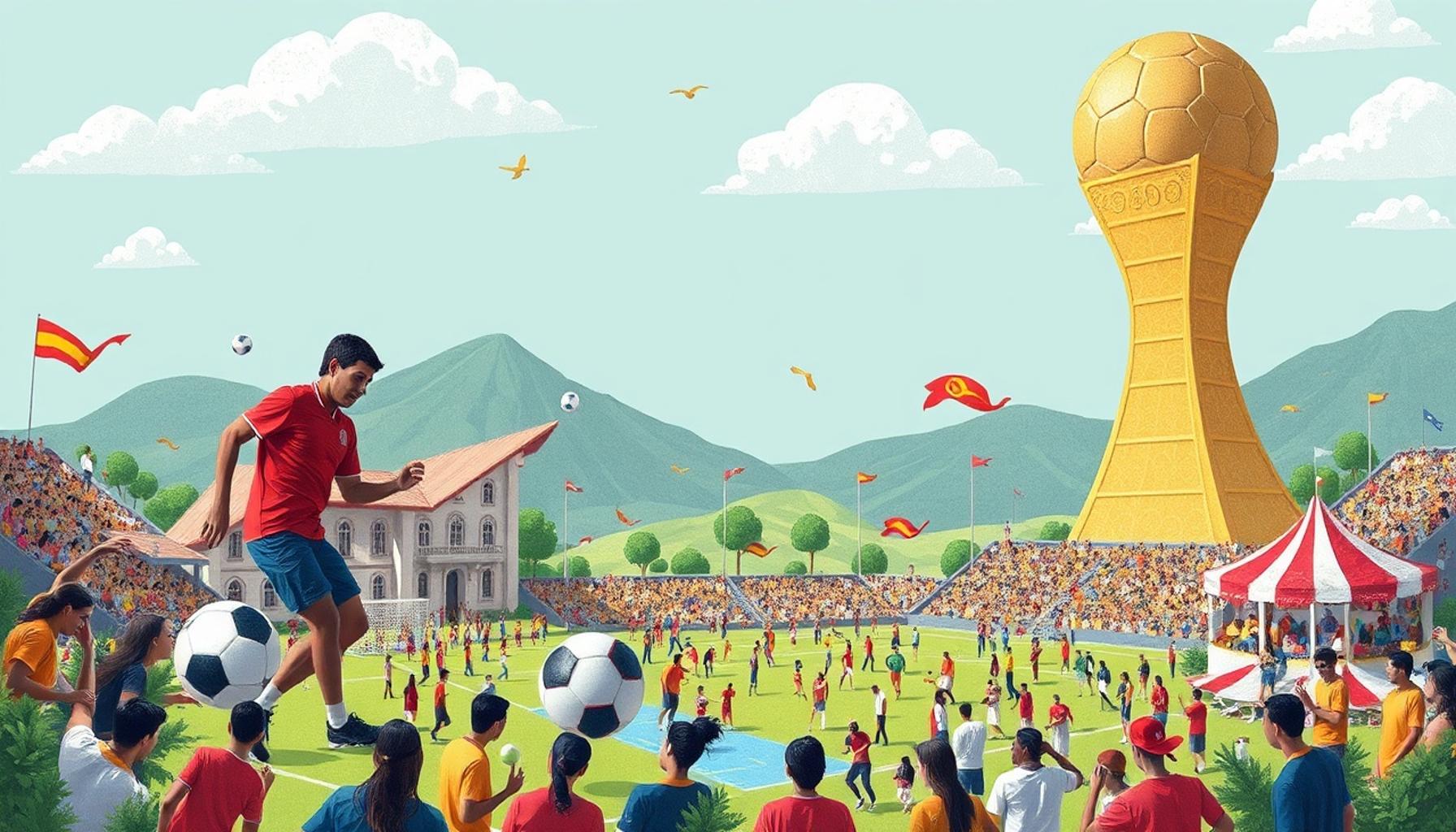
The upcoming FIFA World Cup sets the stage for a truly revolutionary chapter in sports history. As the world’s premier football tournament, it will unfold across three distinct nations: the United States, Canada, and Mexico. This significant collaboration not only showcases the combined strength of North America but also presents intriguing questions regarding the historical and cultural implications of such a diverse host setting.
Historical Significance
This World Cup will mark the first occasion in history where the tournament unites three countries, creating a narrative that emphasizes solidarity. The last time the World Cup took place in North America was in 1994, solely in the United States, which left a lasting legacy on American sports culture. By returning and expanding to include Canada and Mexico, this edition of the tournament symbolizes a renewed commitment to > sports diplomacy, showcasing how football is a unifying force. Such an event will undoubtedly evoke nostalgia for fans who remember previous tournaments, while also creating new memories for a younger generation.
Cultural Exchange
The individual cultural attributes of the host countries are set to enrich the World Cup experience, making it more than just a series of football matches. For instance, visitors will have the opportunity to explore a variety of culinary offerings, ranging from Canada’s famous poutine to Mexico’s vibrant tacos and the United States’ diverse regional dishes, such as barbecue and deep-dish pizza. Furthermore, arts and music festivals are likely to spring up in conjunction with the tournament, showcasing local talents and stimulating cultural appreciation. The exchange of cultural experiences will create a unique atmosphere that embodies the spirit of unity, fostering interactions among fans from all corners of the globe.
Economic Impact
Economically, the World Cup is projected to deliver a significant boost to local and national economies through increased tourism, job creation, and heightened global exposure. Major cities like Los Angeles, Toronto, and Mexico City will see an influx of tourists, generating substantial revenue for hospitality sectors, including hotels, restaurants, and retail. However, this opportunity does come with challenges. Ensuring adequate infrastructure, such as transportation and facilities to accommodate the surge in visitors, will be crucial. Some critics argue about the strain such an event may place on local resources, making it vital for host countries to plan and invest wisely.
Broader Implications
This alignment of host nations opens up new avenues for examining how sports can reflect and shape societal values and national identities. Each country comes with its unique history and approach to football, offering different perspectives and fan experiences. As the world congregates to witness this monumental event, it serves as a powerful reminder of the significance of sport as a platform for connection and solidarity among nations.
As we explore the expansive implications of this unique World Cup, it invites readers to reflect on its potential effects—not only on the nations involved but also on the global community of football enthusiasts who eagerly await the event. The opportunities for connection, reflection, and cultural integration may very well define the success of this historic occasion.
Exploring the Historical Context
The decision to host the FIFA World Cup in three different countries is not merely a logistical masterpiece; it signifies a transformative moment that can reshape the landscape of international sports. To fully appreciate the magnitude of this event, it is essential to delve into the historical context surrounding past World Cups and the evolution of football as a global unifier.
The 1994 World Cup in the United States was a pivotal moment that pioneered new markets for soccer in a country where the sport had historically been overshadowed by American football, basketball, and baseball. With an estimated audience of over 3.5 billion viewers, it significantly heightened the profile of the game and laid the groundwork for future generations of fans. Fast forward nearly three decades, and the inclusion of both Canada and Mexico marks a conscious effort to re-engage North American audiences and promote soccer as a local favorite.
Symbolism of Collaboration
As diverse as these nations are, their collaboration speaks volumes about their shared values and visions for the future of football. Each of the three host nations comes with its own heritage, but together they present a united front that reflects the potential of cross-border cooperation. This joint hosting arrangement promotes a sense of collective identity among the nations involved, setting a precedent for future international sports events.
A Rich Tapestry of Cultures
The World Cup is not only about the matches played on the field but also about the vibrant tapestry of cultures that will converge during the tournament. Consider the enriching cultural elements that fans can anticipate:
- Food and Cuisine: Fans can sample a variety of regional foods, from the iconic buffet of Mexican tacos and elotes to Canadian maple-infused desserts and American barbecue staples.
- Arts and Entertainment: A fusion of musical genres, art exhibits, and traditional dance performances will present opportunities to celebrate cultural diversity and artistic expression.
- Language and Interaction: With English, Spanish, and French being predominant languages among the hosts, fans will experience a unique blend of communication that fosters new friendships and understanding.
This cultural exchange promises to go beyond the games, creating a festival atmosphere that resonates with both locals and visitors. It represents an opportunity for newfound respect and appreciation for one another’s customs and traditions, ensuring that this World Cup will leave a lasting impact on all who attend.
Challenges to Cultural Integration
However, hosting the World Cup in three different countries is not without its challenges. From differences in infrastructure to varying local customs, successful integration will require meticulous planning and cooperation among the nations. Addressing these hurdles is essential, as the world watches to see how these three nations navigate the complexities of hosting a global event.
In summary, the first-ever tri-national FIFA World Cup serves as a historical milestone that reflects not only shared regional aspirations but also the promising potential of cultural synergy in the realm of sports. As we delve deeper into the implications of this unprecedented collaboration, we begin to uncover the multifaceted layers that make this event both unique and momentous.
| Cultural Exchange | Historical Significance |
|---|---|
| Enhancing Global Unity | Shared Traditions and Heritage |
| This World Cup represents a unique opportunity to promote cultural exchange among the three host nations, creating an environment of unity and understanding. | It draws on historical ties and rivalries, showcasing how the footballing world reflects broader societal transformations over the decades. |
The upcoming World Cup, to be held for the first time across three different countries, serves not just as a sporting event but as a conduit for cultural dialogue and shared experiences. By bringing together fans from diverse backgrounds and traditions, it fosters unity and collaboration. The fusion of local customs with global sporting fervor creates a vibrant atmosphere that reflects the diversity of both the sport and its audience.Moreover, the historical implications are profound. Each nation involved carries its own narrative of triumphs, struggles, and evolution in the realm of football. Understanding this context provides fans with a richer appreciation of the game. By analyzing instances of past conflicts and reconciliations through the medium of football, we see how this sport can evolve from a mere game to a transformative cultural experience that resonates on multiple levels. As nations prepare to welcome the world, they are not only showcasing their historical journey but also laying the groundwork for a shared future in the global football community.
The Economic Impact on Host Nations
Hosting the FIFA World Cup in three different countries is not only a celebration of sport but also serves as a powerful economic catalyst. For the United States, Canada, and Mexico, this unique tri-national event offers extensive opportunities to invigorate local economies, enhance tourism, and stimulate long-term investments in infrastructure.
Considering the economic legacy left by past World Cups, the financial implications can be staggering. For instance, the 2014 World Cup held in Brazil resulted in an estimated $2.6 billion infusion into the national economy, though it did not come without criticism regarding its long-term benefits. In contrast, the 1994 World Cup in the U.S. was credited with generating approximately $4 billion for the local economy, alongside the lasting increase in soccer popularity.
Tourism and Hospitality
The potential surge in tourism during the World Cup can be transformative. The combination of three countries, each with its own attractions, is expected to entice millions of visitors. The event will likely see an influx of global soccer fans eager to immerse themselves not only in the matches but also in the respective cultures of their host nations. This surge in tourism will benefit the hospitality sector, offering much-needed revenue to hotels, restaurants, and local businesses.
For example, hotels across cities such as Toronto, Mexico City, and New York are already preparing for full bookings, with some establishments planning to offer unique packages, including soccer-themed experiences and regional cultural tours. The rise in demand for transport, dining, and local activities introduces new opportunities, as it creates jobs and supports smaller businesses that often rely heavily on seasonal tourists.
Infrastructure Development
Additionally, the World Cup typically necessitates upgrades and expansions to existing infrastructure, thereby improving long-term access for residents and travelers alike. Enhanced public transportation systems, connectivity improvements, and sports facilities will be a vital part of the legacy of this tri-nation event. For instance, previous World Cups have seen significant investments in stadium renovations and public transit upgrades, which have yielded benefits far beyond the tournament itself.
Canada’s extensive plans to modernize airports, coupled with the United States’ focus on upgrading highways and local transport options, indicate a shared commitment to not only accommodating international tourists but also providing enhanced quality of life for local communities. In this sense, the World Cup acts as a synchronized effort for physical growth that supports economic sustainability.
Potential Pitfalls and Concerns
Nevertheless, the economic promise comes with its own set of concerns. Critics argue that the focus on temporary gains risks overshadowing the need for sustainable development. Critics have pointed out that post-tournament facilities could lead to “white elephant” stadiums—venues that become under-utilized after the event. Addressing the balance between immediate profit and long-term community benefit is crucial as stakeholders navigate this complex landscape.
The presence of multiple nations hosting the World Cup also raises questions about resource allocation and equitable distribution of economic benefits. Ensuring that all three countries, with varying economic capabilities, can reap the rewards will be vital in maintaining diplomatic and cultural harmony throughout the tournament.
In essence, the economic implications of hosting the World Cup in three nations are multifaceted, offering opportunities and challenges alike. As the soccer world turns its focus towards North America in anticipation of this historic collaboration, the combined efforts of these nations promise to set a benchmark for future sporting events globally.
Conclusion: A New Chapter in World Cup History
The unprecedented decision to host the FIFA World Cup in three different countries—the United States, Canada, and Mexico—marks a significant moment not only in the realm of sports but also in the tapestry of global culture and diplomacy. As this historic event approaches, we find ourselves on the brink of an extraordinary opportunity to explore how soccer can act as a unifying force across diverse cultures.
This tri-national setting underscores the importance of collaboration, as it reflects a commitment to leveraging shared resources, enhancing infrastructure, and fostering inclusivity among participating nations. By combining the unique cultural identities of the U.S., Canada, and Mexico, the World Cup has the potential to create an unparalleled fan experience—a tapestry woven from varied traditions, languages, and local customs.
However, navigating this complex landscape also highlights crucial considerations regarding economic equity, resource management, and sustainability. The lessons learned from past tournaments serve as reminders that economic windfalls must be met with strategic planning to ensure benefits are both immediate and long-lasting. As the host nations prepare to welcome millions of fans from around the globe, ensuring that legacy projects contribute positively to local communities is vital.
Ultimately, the 2026 World Cup will not simply be a showcase of athletic prowess; it presents a unique chance for nations to share their stories and foster a spirit of camaraderie that extends beyond the pitch. As we countdown to this historic event, we invite readers to reflect on the profound implications this partnership holds for the future of international sporting events and cultural understanding.