
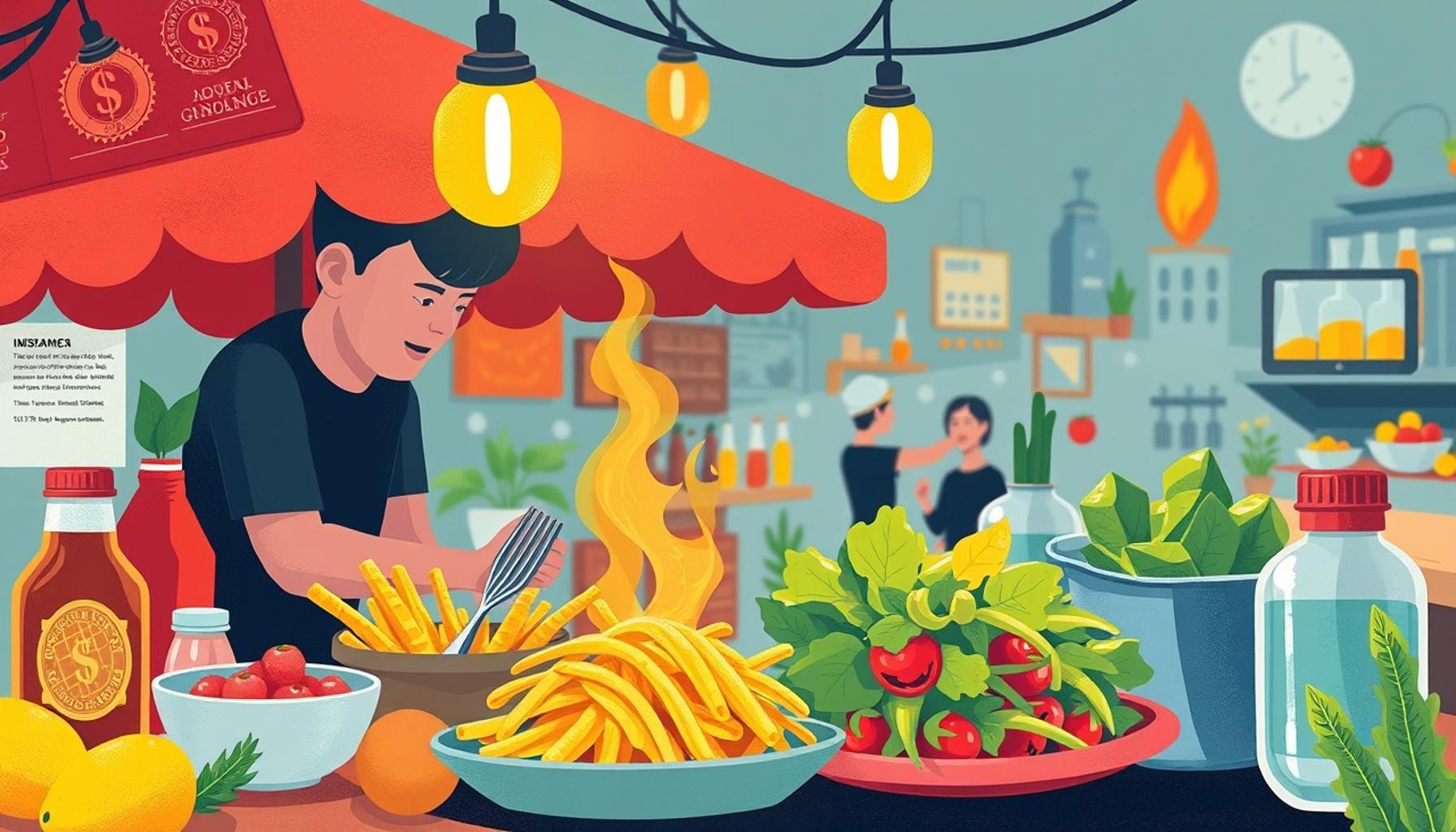
Local Cuisine: A Gateway to Cultural Understanding
The approaching 2026 World Cup is not merely about competitive sports but also serves as a vibrant celebration of diverse cultures, traditions, and local gastronomy. As millions of fans travel to host cities spread across the United States, Canada, and Mexico, they will encounter a culinary landscape that highlights the distinctive flavors and identities of these regions.
Understanding the local cuisine provides a unique lens through which to explore the cities hosting this global event. Below, we delve into how local gastronomy shapes a community’s identity and amplifies the overall experience for visitors.
- Regional Ingredients: Each region boasts its own array of unique local produce. For instance, in California, fresh avocados and tomatoes are staples that feed into famous dishes like guacamole and pico de gallo. Meanwhile, the seafood from the Pacific Northwest, such as salmon and Dungeness crab, contributes to signature dishes like clam chowder.
- Culinary Traditions: Local gastronomy is steeped in culinary traditions. Recipes passed down through generations not only tantalize taste buds but also narrate the history of the people. In Mexican culture, dishes like mole, a rich sauce made from a blend of chilies, chocolate, and spices, represent complex indigenous and colonial histories, making your dining experience a shared cultural story.
- Food Festivals: Alongside the World Cup excitement, local food festivals will flourish. Events like the San Francisco Street Food Festival or the National Taco Championship in Texas highlight regional specialties and foster community among attendees, allowing for an immersive tasting journey through various local dishes.
The significance of local gastronomy extends far beyond just flavor; it plays a pivotal role in shaping visitors’ enriching experiences as they discover the cultural identity of each city. Consider the following:
- Cultural Significance: Food serves as a reflection of the history and values embedded within a community. For instance, the soul food of the Southern United States narrates stories of resilience and creativity born from challenging times.
- Economic Impact: The influx of visitors during the tournament is expected to stimulate local economies significantly. Restaurants and food vendors will likely benefit from heightened business, inspiring a revival of small businesses and showcasing culinary talent to a global audience.
- Social Connectivity: Food inherently fosters connection. Sharing a meal with fellow fans can create bonds that transcend language and cultural barriers. Experiences like communal barbecues or picnics in public parks echo the shared enjoyment of both food and sport.
As audiences around the globe prepare for the matches, the critical role of local gastronomy in enriching the experience may go unnoticed. This article invites readers to take a closer look at the culinary adventures that await them in the host cities during this momentous tournament. Culinary explorations not only satiate hunger but also cultivate a further appreciation for the myriad cultures that converge at the World Cup, promising unforgettable taste sensations and memories.
A Taste of Home: How Local Gastronomy Enriches the World Cup Experience
As the 2026 World Cup draws closer, anticipation builds not only for the matches but also for the culinary delights awaiting visitors in the host cities. Known for their vibrant food scenes, these urban landscapes will provide international fans with a taste of the local culture beyond just soccer. Contrary to the common belief that sporting events are solely about competition, the local gastronomy serves as a thread connecting people, places, and traditions, enriching their overall experience in profound ways.
As visitors immerse themselves in the excitement of the tournament, local gastronomy becomes an integral part of the journey, bringing to light the unique flavors that define each region. From the bustling streets of Philadelphia to the sunny coasts of Los Angeles, the gastronomic offerings will showcase a fusion of history and innovation. By exploring the diverse food culture, fans not only satisfy their appetites but also engage with the stories and people behind the dishes.
Local Staples and Flavors
The cornerstone of any regional cuisine lies in its local ingredients and traditional recipes. The cities hosting the World Cup each have their own signature dishes, derived from the bounty of their surroundings:
- New York City: Known for its iconic bagels and pizza, the melting pot of cultures creates a culinary tapestry that includes everything from gourmet food trucks to upscale dining experiences. Fans can indulge in classic New York-style slices or explore diverse international offerings from the city’s rich immigrant communities.
- Chicago: Home of the deep-dish pizza, Chicago is also celebrated for its hot dogs, which are served “Chicago-style,” loaded with toppings and devoid of ketchup. The Windy City will offer food enthusiasts an explosion of flavors, perfectly complementing the vibrant sports atmosphere.
- Mexico City: Renowned for its street food, visitors can experience delicious tacos, tamales, and elotes. The culinary richness here reflects Mexico’s deep-rooted traditions and will provide an authentic taste of the host country’s culture.
- Toronto: The Canadian city boasts a multicultural food scene that resonates with its diverse population. From poutine to butter tarts, Toronto’s local specialties embody a blend of flavors influenced by various cultural backgrounds.
Such local staples not only satiate hunger but also play a critical role in the fabric of community life. Fans can connect over shared meals, creating a collective experience that transcends national boundaries. Each bite becomes a bridge between cultures, allowing individuals to discover and appreciate the history and traditions embedded in every dish.
Beneath the Surface: Stories of Tradition and Resilience
The culinary practices and recipes found in the host cities often tell tales of resilience, innovation, and adaptation. Many of these traditions evolved in response to social, economic, and political changes, making them essential aspects of a community’s identity. For instance, the soul food of the Southern United States emerged from the creativity and resourcefulness of African American communities, illustrating how food can be both a source of nourishment and a symbol of cultural pride.
In addition to individual culinary stories, the intersection of local gastronomy and sports serves to foster community pride and solidarity, often leading to culinary events that coincide with the festivities of the World Cup. These occurrences will not only celebrate the local palate but also reinforce social ties, making food an essential part of the overall World Cup experience.
As the countdown to the tournament continues, exploring the local gastronomy in the host cities offers a unique approach to understanding the rich cultural landscapes that will welcome fans from around the world. Discovering hidden gems in the culinary scene can transform a simple trip into an unforgettable adventure, ensuring that the memories of the World Cup extend well beyond the stadiums.
| Category | Description |
|---|---|
| Cultural Exchange | Local gastronomy acts as a bridge for international visitors to engage with the culinary traditions of host cities, enriching their experiences. |
| Economic Impact | Investment in local businesses during the World Cup can lead to long-term economic benefits for restaurants and food producers. |
The 2026 World Cup is not merely about soccer; it offers a unique opportunity to highlight and celebrate the rich culinary diversity of its host cities, which will leave a lasting imprint on visitors. As tourists flock to experience matches, they will simultaneously indulge in local flavors, driving a demand for regional products and traditional recipes.Moreover, this influx of guests fosters cultural exchange and appreciation of local gastronomy. Dishes that tell stories of indigenous ingredients and age-old cooking techniques will take center stage, allowing visitors to connect deeply with each city’s identity. Every bite of a local specialty becomes part of a shared narrative, comfortably blending into the global tapestry of culinary appreciation.As cities eagerly prepare to welcome the world, they will simultaneously experience the potential for tremendous economic growth. Local businesses, from food vendors to high-end restaurants, will receive an unexpected boost, not just during the tournament but potentially for years to come as gastronomic tourism continues to thrive. This confluence of culture, identity, and economic benefit highlights just how profound the influence of local gastronomy can be in shaping perceptions and experiences during the 2026 World Cup.
Unpacking the Culinary Map: Festivals and Events Celebrating Local Flavors
As cities prepare to welcome thousands of soccer fans, the synergy between local gastronomy and the World Cup will be underscored by a series of culinary festivals and events tailored to enhance the fan experience. These initiatives will spotlight regional delicacies and celebrate the cultural significance of food, making them just as integral to the World Cup atmosphere as the matches themselves.
For instance, Los Angeles plans to host a “Taste of LA” festival during the tournament, showcasing food trucks and pop-up vendors that serve everything from Korean BBQ to artisanal ice cream. In this melting pot of cultures, food becomes a canvas reflecting the city’s diverse population. Such events encourage visitors to explore the culinary fusion that thrives in the city, promoting interaction and engagement through shared culinary experiences.
Similarly, New York is set to launch a “World Cup Food Festival” in multiple boroughs. The event aims to bring together tasting menus featuring dishes inspired by the various nations participating in the World Cup, creating a global culinary landscape within a vibrant urban setting. Renowned chefs will collaborate with local eateries to offer unique interpretations of traditional dishes, turning food into a celebration of both sport and culture.
In Chicago, local sports bars will host “Tasting Tuesdays,” where patrons can sample game-day favorites paired with local craft beers. As fans gather to watch matches, these food events emphasize communal dining—bringing people together over hearty fare that embodies the city’s spirit. Such formats allow for casual conversations about food, the tournament, and even favorite teams, thus fostering connections that go beyond the sporting events.
Microbreweries: A Growing Trend in Local Gastronomy
Complementing the local cuisine is the burgeoning craft beer scene that has taken center stage in numerous host cities. Microbreweries, like those in Philadelphia, will offer fans exclusive brews inspired by regional culinary traditions. With unique flavor profiles that incorporate local ingredients, these craft beverages will elevate the dining experience—perfect for fans enjoying a meal while watching live games. For instance, the use of pretzel or cheesesteak flavorings in beer reflects Philadelphia’s iconic dishes, providing an innovative twist that invites exploration and enjoyment.
This trend is not limited to Philadelphia. Many cities across North America are increasingly known for microbreweries that focus on locally sourced ingredients, from hops to seasonal fruits. By integrating craft beer with local cuisine and World Cup celebrations, host cities create holistic culinary experiences that embody their respective cultures.
Diversity on Plates: A Reflection of the Host Cities’ Identity
The food offered in these host cities is not only about taste but also a testament to the immigrant communities that have established roots and shaped the cultural fabric. Cities like Toronto, often hailed for its multicultural food scene, will feature diverse options motivated by its residents’ global backgrounds. As a result, visitors can enjoy authentic dishes hailing from various nations, allowing for a culinary world tour that resonates with the World Cup’s international appeal.
As the tournament approaches, the culinary landscape in these cities will take on new significance. The evolving gastronomy, propelled by local pride and cultural expression, not only fits seamlessly into the tourism narrative but also advances the understanding of each host city’s identity. The convergence of food and soccer during the World Cup serves as a platform for cultural exchange, deepening connections and fostering a sense of belonging among fans from all corners of the globe.
Conclusion: A Culinary Journey Beyond the Game
The countdown to the 2026 World Cup brings an exciting opportunity to explore the rich tapestry of local gastronomy across the host cities. As culinary festivals, immersive events, and thriving microbreweries come into play, the unique flavors and dishes offered are set to enhance the fan experience in unprecedented ways. By spotlighting the culinary diversity that epitomizes cities like Los Angeles, New York, and Chicago, the tournament celebrates not just soccer, but also the powerful narratives of culture and community through food.
This integration of local gastronomy promotes a deeper understanding of each city’s identity while facilitating meaningful connections among fans from around the globe. The shared experience of savoring regional dishes fosters a sense of belonging that transcends geographical boundaries, turning each meal into a festive gathering akin to the spirit of the World Cup itself. From tasting menus that honor global participant nations to casual dining experiences that encourage mingling, the culinary offerings become a vital aspect of the World Cup narrative.
As excitement builds for this monumental event, it’s clear that local gastronomy plays a pivotal role in shaping the overall atmosphere, providing an avenue for cultural exchange and celebration. This World Cup, with its culinary vibrancy at the forefront, invites visitors not only to cheer for their teams but also to embark on a rich culinary journey that will resonate long after the final whistle.