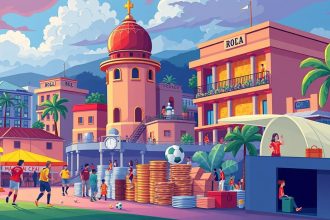

Unveiling the Economic Benefits for Host Cities
When a city is selected to host a prominent tournament, such as the Super Bowl, the FIFA World Cup, or the Olympics, the economic repercussions can be transformative. In the lead-up to these high-profile events, cities often experience a surge in economic activity that reverberates through various sectors, paving the way for both short-term gains and potential long-term growth.
Infrastructure Development
Infrastructure Development: One of the most notable impacts of hosting major tournaments is the significant investment in infrastructure. Cities often upgrade or construct new transportation systems, sports stadiums, and accommodations to meet the expected influx of visitors. For instance, when Rio de Janeiro hosted the FIFA World Cup in 2014, it invested billions in transportation infrastructure including new bus rapid transit lines and improved road networks. Similarly, cities like Atlanta and Los Angeles have seen rejuvenation in their urban centers, leveraging these events to modernize facilities and services.
Job Creation
Job Creation: The preparatory phase for hosting a tournament typically generates both temporary and permanent employment opportunities. Thousands of jobs are created in construction, hospitality, and retail as venues are built or renovated, and services are expanded to accommodate tourists. A notable example is the Super Bowl in Minneapolis in 2018, where more than 10,000 temporary jobs were added in hospitality alone, showcasing how such events can provide significant employment boosts even amid a rapidly evolving job market.
Boost in Tourism
Boost in Tourism: Major sporting events attract not only local fans but also international visitors. This influx leads to heightened spending in local businesses, from hotels and restaurants to retail shops and entertainment venues. In 2019, for example, the Super Bowl in Atlanta brought in an estimated $300 million to the local economy, with fans flocking to experience the event and the city itself. This spending stimulates job growth and supports small businesses, which are often the backbone of local economies.
Nevertheless, the promise of economic benefits comes with challenges. Cities must approach the opportunity with caution, as the financial costs of hosting can be substantial. They can accumulate debt from extensive investments in infrastructure that may not yield the expected returns post-event. The Olympic Games, such as those held in Athens in 2004, faced severe financial blowback, leading to long-term fiscal struggles for the city.
Furthermore, the increased demand on infrastructure can strain local resources. For instance, the surge in population during tournaments can overwhelm public services, transportation systems, and emergency services, leading to a host of logistical challenges. A well-managed tournament can mitigate these risks, ensuring that the benefits outweigh the drawbacks.
Conclusion
As we explore the complex narrative of host cities, it is evident that with effective planning and management, such tournaments can significantly elevate a city’s economy. However, the delicate balance between ambition and sustainability is crucial, inviting a broader discussion on meaningful investment strategies that ensure long-term community benefits beyond the confines of a single event.
The Multi-faceted Economic Boost of Major Tournaments
When a city prepares to host a major sporting tournament, the anticipation is palpable, and the economic implications are profound. These high-profile events catalyze a cocktail of economic benefits that can invigorate local economies in several ways. Understanding these impacts can provide valuable insights into the strategic importance of effective event hosting.
Increased Local Spending
Increased Local Spending: As cities gear up for significant tournaments, they typically see a dramatic rise in local spending. This surge comes from multiple streams including the influx of tourists, athletes, media, and event organizers. Visitors contribute not only to hotel occupancy rates but also to increased patronage of local restaurants, bars, and retail shops. For instance, during the 2020 Super Bowl in Miami, local businesses reported a staggering increase in revenue—an estimated $500 million across the region. This level of spending underscores how host cities can reap substantial benefits through heightened consumer activity during tournaments.
Long-term Urban Development
Long-term Urban Development: Beyond immediate financial gains, hosting major tournaments can spur long-lasting urban regeneration. Cities frequently use tournaments as a catalyst for revitalizing neglected areas, upgrading facilities and public spaces. For example, the 2012 Olympics in London led to the transformation of East London, an area historically underserved, which benefited from new parks, housing, and leisure facilities, leaving a legacy well beyond the games. Such transformations not only improve the quality of life for residents but can also attract future investments and new residents, sustaining economic growth in the years that follow.
Infrastructure Investment and Upgrades
Infrastructure Investment and Upgrades: The preparation phase typically includes extensive infrastructure work, essential for accommodating the flow of visitors and participants. Areas that may undergo upgrades include transportation networks, telecommunications, and public amenities. Enhanced airports, improved roads, and upgraded public transit systems provide a smoother experience for both tourists and locals alike. According to a 2018 report, cities that hosted international sporting events saw investments in infrastructure that, on average, yielded a return on investment of up to 10% in overall economic growth over subsequent years. However, the successes and challenges of these investments are case-specific, emphasizing the need for careful planning and execution.
Potential Risks and Challenges
While the economic potential is significant, cities must also navigate inherent risks and challenges. Key considerations include:
- Debt Accumulation: Large-scale infrastructure projects can burden host cities with substantial debt, as seen in the case of the 2004 Athens Olympics, which left long-lasting fiscal pain.
- Operational Strain: The demands of a major tournament can stretch local services to their limits, creating logistical headaches in areas such as public safety, sanitation, and transportation.
- Public Sentiment: Residents may express concerns over the prioritization of tournament-related spending at the expense of essential public services.
Understanding these risks is crucial for city planners and policymakers. With diligent planning and visionary leadership, the potential economic windfall from hosting major tournaments can indeed become a transformative force for host cities, blending both immediate benefits and long-term advantages.
Economic Impact of Host Cities in Tournament Preparation
As global sporting events continue to rise in prominence, the economic impact of host cities cannot be understated. The preparation for these tournaments often leads to significant changes in local economies, social structures, and infrastructure. Here, we will delve into the specific advantages that come with hosting international tournaments, laying out the multifaceted benefits for local communities.
| Category 1 | Category 2 |
|---|---|
| Increased Tourism | Major tournaments attract global visitors, boosting hotel occupancy and local businesses. |
| Infrastructure Development | Cities often invest in transportation and facilities, improving long-term public resources. |
The influx of tourists not only provides a short-term economic boost but also positions cities as future tourism hotspots. Furthermore, investment in infrastructure benefits local residents long after the tournaments have concluded, paving the way for smarter urban development.
These advantages underscore the necessity for cities to strategically engage in tournament preparations, ensuring that they maximize their economic gains while providing memorable experiences for visitors and locals alike.
Maximizing Economic Opportunities Through Strategic Collaboration
In addition to the direct financial influx associated with major sporting events, host cities often benefit from strategic collaborations that amplify the overall economic impact. By engaging local businesses, government entities, and non-profit organizations, cities can create an environment where the benefits of tournament preparation and execution ripple through the community.
Partnerships with Local Businesses
Partnerships with Local Businesses: Effective collaboration between tournament organizers and local businesses can lead to innovative marketing and promotional strategies, positioning them to capitalize on the anticipated influx of visitors. For instance, in preparation for the FIFA World Cup, cities often negotiate sponsorship and advertising opportunities that allow local vendors to showcase their products and services. In Atlanta, during the 1996 Summer Olympics, over 6,000 local businesses partnered with the event, significantly boosting their visibility and sales. This synergy not only enhances the tournament experience for visitors but creates lasting relationships that can benefit local businesses long-term.
Enhancing Workforce Opportunities
Enhancing Workforce Opportunities: Major tournaments also act as a gateway to employment, providing myriad job opportunities as cities ramp up hiring in anticipation of the event. Positions created are diverse, ranging from construction and hospitality roles to event management and security positions. For example, the 2016 Rio Olympics generated over 70,000 jobs, illustrating how these events can temporarily reduce local unemployment rates while enhancing the workforce’s skill set. Notably, this influx of jobs can offer valuable experience to young workers entering the labor market and create possibilities for future employment within these industries.
The Role of Tourism Marketing
The Role of Tourism Marketing: Cities use major tournaments as a unique opportunity to market themselves as tourist destinations, leveraging the global media attention that comes with these events. By investing in tourism marketing campaigns, host cities can attract visitors well beyond the tournament itself. The city of Los Angeles, for instance, used the credibility of hosting the 1984 Olympics to showcase its attractions, resulting in a significant increase in tourism that continued for years. Host cities that actively promote upcoming tournaments through robust marketing can see their hospitality industries bloom and can secure a position on the travel itineraries of millions.
Community Engagement and Legacy Projects
Community Engagement and Legacy Projects: Beyond immediate economic benefits, host cities often implement community engagement initiatives, ensuring that residents’ voices are considered in tournament preparations. Projects, such as youth sports programs and public events, are frequently established to foster local pride and involvement. Legacy projects, which are aimed at improving community welfare through sports facilities or parks, may arise from these events. For example, the investment in sports complexes following the 2010 Vancouver Winter Olympics has left a lasting impact on local youth sports programming, illustrating how event planning can enhance community infrastructure.
While the allure of economic benefits is powerful, successful tournament preparation and execution require a balance of strategic partnerships, workforce development, effective marketing, and community involvement. By recognizing and harnessing these multifaceted opportunities, host cities can structure their approach to achieve not only short-term financial success but also sustainable growth well into the future. As the landscape of major events evolves, understanding these dynamics will be crucial for maximizing economic prospects in tournament preparations.
Conclusion: Unlocking Economic Potential Through Tournament Hosting
The economic impact of host cities in tournament preparation extends far beyond immediate financial gains; it encompasses a comprehensive network of opportunities that, if effectively harnessed, can yield lasting benefits for communities. As outlined, strategic collaboration with local businesses fosters innovation and resilience, while job creation addresses both immediate employment needs and long-term workforce development. Host cities that leverage the global exposure from major tournaments can not only enhance their tourism potential but also secure a spot on travelers’ itineraries for years to come.
Moreover, the incorporation of community engagement initiatives and legacy projects ensures that the benefits of hosting do not dissipate post-event but instead contribute to the social and infrastructural fabric of the cities. For example, cities like Atlanta and Vancouver illustrate how early tournament planning can translate into enduring assets for the local population, piquing interest in youth sports and boosting civic pride.
In conclusion, the success of tournament preparations hinges on a nuanced understanding of the multifaceted economic landscape. By actively engaging in partnerships, promoting local industries, and prioritizing community needs, host cities can transform a sporting event into a catalyst for sustainable economic growth. As the reality of large-scale tournaments continues to evolve, recognizing and adapting to these broad-ranging impacts will be essential for cities aiming to capitalize on these extraordinary opportunities.