
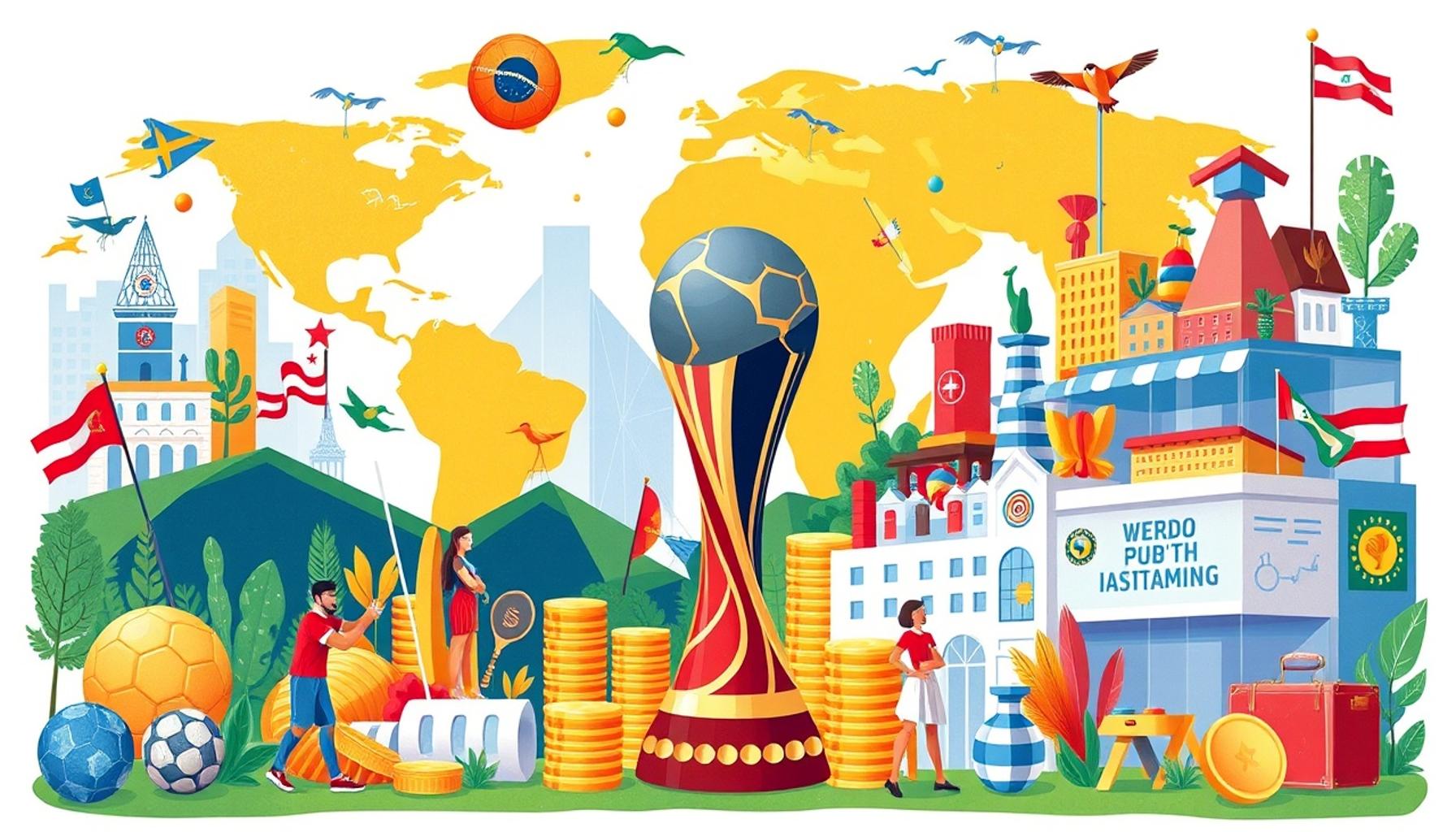
Economic Implications of the 2026 World Cup on North America
The upcoming 2026 World Cup presents a significant moment not just for soccer fans but also for the economies of the United States, Canada, and Mexico. As the tournament approaches, preparations are ramping up in several host cities like Los Angeles, New York, Toronto, and Mexico City. This monumental event is not merely a celebration of sports; it carries extensive economic ramifications that could resonate long after the final whistle blows.
Among the most immediate effects anticipated is a tourism surge. It is estimated that millions of fans and tourists will flock to North America during the tournament, greatly benefiting the local hospitality industries. Hotels are expected to see occupancy rates soar, often leading to increased rates due to high demand. In addition to accommodations, local attractions such as restaurants, bars, and entertainment venues will likely experience an increase in patronage, allowing them to capitalize on the influx of visitors seeking to immerse themselves in the local culture.
Infrastructure development is another critical area of impact. Host cities are gearing up to upgrade their existing facilities and build new ones, which often includes enhancements to stadiums, public transport systems, and accommodation facilities. A prime example is the planned renovations to iconic stadiums like MetLife Stadium in New Jersey and the creation of new facilities in cities where soccer might not yet have a solid foothold. These infrastructure improvements are not just for the World Cup; they lay the foundation for future sporting events, concerts, and conventions, further cementing these cities as global destinations.
Job creation is also expected to be notable. From construction jobs associated with renovations and new builds to transient roles in hospitality, security, and event management, thousands of positions will be created. In fact, estimates suggest that the economic activity surrounding the World Cup could generate approximately 100,000 new jobs across the three nations. This job growth will have a staggered effect, helping communities toward long-term resilience.
The potential for local business growth is significant as well. Small businesses that align their offerings to cater to tourists can benefit immensely from the event. Shops selling memorabilia, restaurants featuring international cuisine, and even guided city tours could see heightened sales. Furthermore, many local vendors and craftspersons may find a unique opportunity to showcase their products to a global audience, fostering community pride and entrepreneurship.
While these economic expansions present a promising outlook, it is essential to be cautious. Analysts point out that the impacts of such large-scale events may vary based on location, investment levels, and other local circumstances. Some cities may struggle to manage the influx adequately, leading to unmet expectations in tourism and investment.
As the countdown to the tournament continues, understanding the full scope of the economic impact will be crucial for stakeholders in both public and private sectors. Robust preparation, informed management, and strategic marketing will be vital to maximize both immediate benefits and longer-term opportunities. Engaging with data and community feedback throughout this process will help ensure that the legacy of the 2026 World Cup is not only felt during the tournament but for years to come.
Anticipated Economic Growth and Challenges
As the 2026 World Cup draws near, the economic landscape of the host countries—United States, Canada, and Mexico—faces a transformative shift. Beyond the excitement of sporting events, the World Cup is poised to trigger an array of economic activities, making it a pivotal moment for each nation involved.
The tourism boom is expected to be one of the most profound immediate impacts of the tournament. Analysis suggests that the 2026 World Cup could attract over 5 million visitors, generating an estimated $5 billion in tourism revenue. Major cities like Los Angeles, New York, and Toronto will be prepared to welcome international fans, which will benefit their economies in numerous ways. Local airlines, travel agencies, and hospitality sectors can reap the benefits of heightened demand as fans from around the world engage in an unparalleled travel experience. Furthermore, the increase in air travel is likely to stimulate the economy, boosting local aviation services.
However, it is important to recognize that while tourism is a vital contributor to the economic uplift, it also presents challenges. Host cities must efficiently manage the influx of visitors to avoid overcrowding, strain on infrastructure, and negative experiences that could tarnish the region’s reputation. Success relies heavily on the ability of city planners and stakeholders to create a seamless experience for tourists by enhancing public transportation and accessibility.
Infrastructure improvements will play a crucial role in reaping the full potential of the economic benefits. This includes the planned expansions and modernizations of transport systems such as airports, subways, and local transit options. For instance, major upgrades are already underway in cities like Atlanta and Dallas, where investments are being made not just for the World Cup but for sustainable growth post-tournament. Investing in infrastructure is vital, as it provides long-term benefits that extend well beyond the cup, enhancing urban mobility and quality of life for residents and visitors alike.
Job Creation and Economic Diversification
The creation of new jobs is another promising avenue for economic impact. Reports predict that approximately 100,000 temporary and permanent jobs could materialize as a direct result of the World Cup. Job opportunities will span various sectors, including:
- Construction: With infrastructure projects requiring extensive labor.
- Hospitality: Hotels, restaurants, and event venues needing additional staff to accommodate larger crowds.
- Security: Increased personnel to ensure the safety of attendees during the event.
- Event Management: Coordinators and staff to handle logistics and ensure smooth operations.
This surge in employment opportunities not only generates income for families but also bolsters the local economy by increasing household spending. Enhanced employment opportunities can stimulate demand for local services, improve disposable income for residents, and create a positive economic feedback loop that can uplift entire communities.
The prospect of local business growth is another facet of the economic impact of the World Cup. Small businesses, particularly those in the hospitality and retail sectors, can maximize earnings through strategic marketing and increased presence during the tournament. This could be a boon for shops selling World Cup merchandise, cafes promoting international cuisine, and tour companies offering guided experiences. The opportunity to capitalize on global exposure encourages not just growth but also entrepreneurship, allowing local vendors to showcase their unique products.
While the outlook appears promising, stakeholders must remain vigilant. It is critical to understand that the economic impact can vary based on location, infrastructure readiness, and local government policies. The efforts made today will determine the long-term legacy of the World Cup and its lasting influence on the host countries’ economies.
| Category | Advantages |
|---|---|
| Increased Tourism | The 2026 World Cup is expected to significantly boost tourism in the host countries as fans from around the globe travel to witness the event firsthand. |
| Job Creation | Hosting the World Cup will lead to the creation of numerous jobs in sectors such as hospitality, construction, and security. |
| Infrastructure Development | There will be significant investments in infrastructure, including stadiums, transportation systems, and accommodations, which will have long-lasting benefits. |
| Global Exposure | The event provides an opportunity for the host countries to showcase their culture, attracting future economic prospects and investments. |
The economic impact of the 2026 World Cup on the host countries articulates a multifaceted story of potential growth. From the surge in tourism to job creation, every aspect heralds an era of rejuvenated interest in local economies. The investments in infrastructure stand to transform cities, not merely as venues for sporting events but as thriving hubs facilitating future business operations. As the world tunes in, the spotlight will shine brightly on their cultures and opportunities, creating a ripple effect that promises to extend well beyond the final whistle. Economic forecasts suggest that the influx of tourists can significantly boost local businesses, while job creation in preparation and during the event can reduce unemployment rates. Overall, the 2026 World Cup emerges as a pivotal moment that could redefine economic trajectories for the host nations, offering a unique blend of excitement and enterprise.
Investment in Technology and Innovation
The 2026 World Cup is not just an opportunity for traditional economic growth; it also presents a platform for major advancements in technology and innovation. As host cities prepare to welcome fans from across the globe, there is a strong emphasis on harnessing cutting-edge technology to enhance the overall experience. Innovations in ticketing systems, security checks, and stadium access will be critical components in ensuring that everything runs smoothly during the tournament.
For example, the use of smart technologies such as mobile apps for real-time information on transit schedules, match timings, and crowd management will likely be implemented. Cities like San Francisco and Miami are already exploring technology partnerships with startups that focus on smart city solutions. These investments not only improve event operations but also showcase the host cities as tech-savvy environments, potentially attracting future investment and talent.
Moreover, the emphasis on sustainability during the tournament calls for innovative measures to minimize the environmental impact. Initiatives like digital ticketing and eco-friendly stadiums are expected to gain traction. These advancements will not only align the World Cup with growing public demand for sustainability but can also influence local government policies and private enterprises to adopt greener practices.
Increased Global Exposure and Marketing Opportunities
Another layer to the economic impact of the World Cup lies in the immense global exposure it provides for the host countries. Broadcast to millions of fans worldwide, the tournament is a unique opportunity for cities to market themselves as prime tourist destinations. Collaboration with local tourism boards can amplify marketing efforts, effectively highlighting attractions that may typically be overshadowed. For instance, cities like Mexico City and Toronto can leverage this exposure to promote their rich cultures, cuisine, and hospitality.
Moreover, an influx of tourists often leads to increased investment in local advertising and promotional campaigns, which are beneficial for both the businesses involved and the overall economy. Companies investing in advertising will seek to capitalize on the World Cup atmosphere, presenting businesses with a chance to boost sales and visibility in ways that wouldn’t be possible under ordinary circumstances.
Long-Term Impact on International Relations
The 2026 World Cup also serves as a vehicle for improving international relations among the host countries. As Mexico, the United States, and Canada collaborate to host the event, the World Cup fosters connections that extend beyond sports. Shared responsibilities in logistics, security, and hospitality pave the way for stronger economic ties and cooperation in various sectors, potentially leading to collaborative agreements in trade and investment.
In the future, this event could bolster cross-border tourism and establish a legacy of collaboration in hosting international events, enhancing regional competitiveness. The capacity to host the World Cup could open doors for similar events, thereby driving ongoing economic benefits.
However, realizing the full potential of these opportunities requires strategic planning and investment from both public and private sectors. By approaching the World Cup as more than just a sporting event, the host nations can leverage this moment to catalyze innovation, deepen international partnerships, and secure a prosperous economic future.
Conclusion
The 2026 World Cup is poised to have profound economic repercussions for its host nations, namely the United States, Canada, and Mexico, transforming not only the sporting landscape but also the broader economic framework within these countries. As cities gear up to celebrate this global event, the emphasis on technology, enhanced tourism marketing, and long-term international cooperation emerges as pivotal elements that will define the economic legacy of the tournament.
Investment in smart technologies and sustainable practices during the World Cup is set to drive innovation, ensuring that the event is not merely a fleeting moment of sporting excitement, but a lasting catalyst for change. This aligns with growing public demand for eco-conscious initiatives and sets a benchmark for future large-scale events.
Moreover, the worldwide broadcast of the World Cup presents an unparalleled opportunity for host cities to showcase their unique offerings. By effectively leveraging this attention, cities can enhance their appeal as tourist destinations, potentially leading to sustained economic growth long after the final whistle blows. A vibrant tourism sector emerging from this event will benefit local businesses and pave the way for increased investment opportunities, enhancing the overall economic ecosystem.
Finally, the diplomatic ties forged through collaborative efforts in hosting the World Cup can yield significant long-term benefits. The cross-border partnerships developed during this period may lead to improved trade agreements, shared resources, and a more unified approach to regional issues. As host nations embrace the multifaceted advantages of the 2026 World Cup, they must strategically navigate the challenges ahead, ensuring that the event becomes a transformative experience that fortifies their economic futures.