Building Bridges Through the World of Soccer
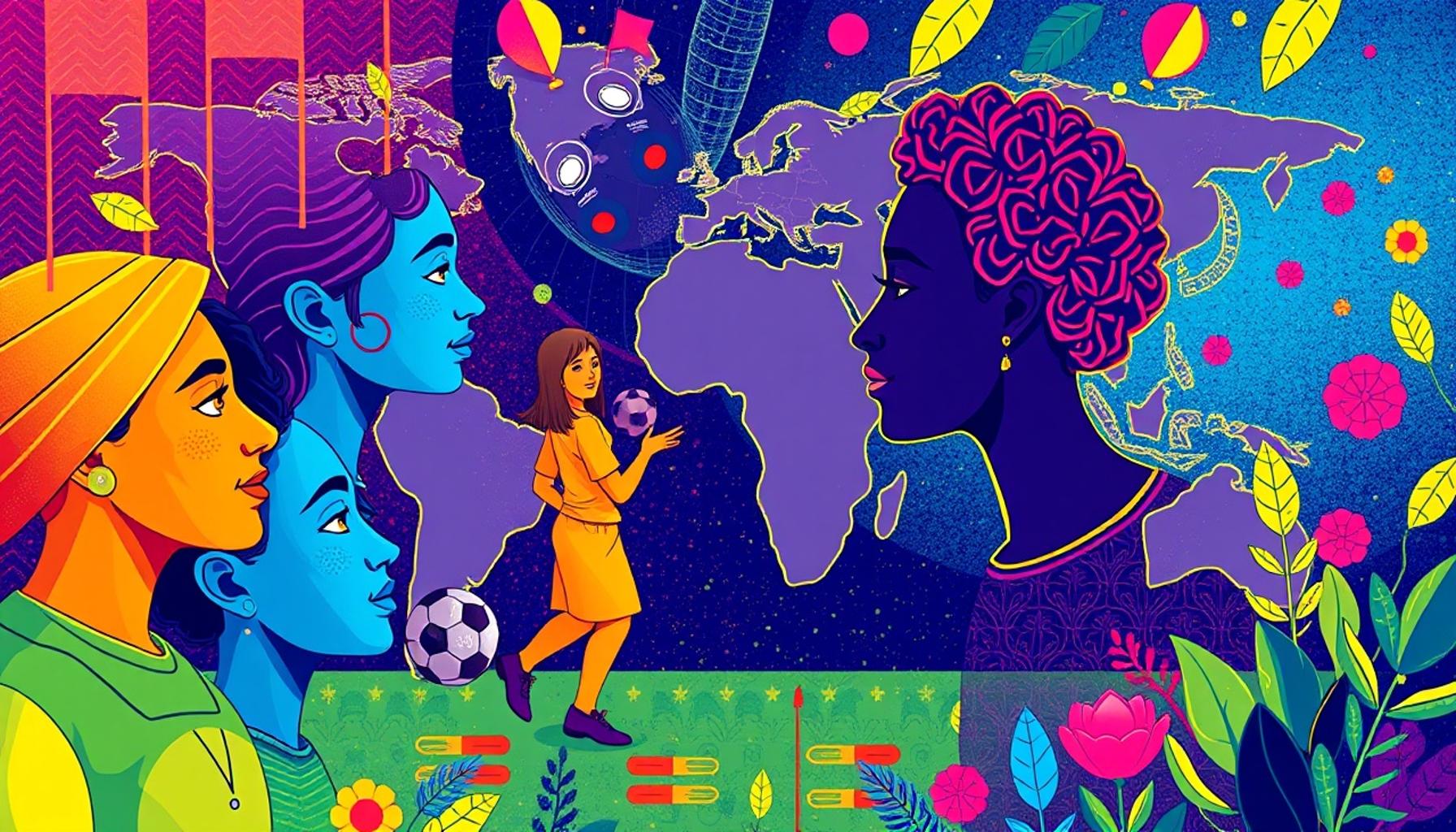
The 2026 World Cup is poised to redefine the landscape of international soccer. Scheduled to take place in a tri-nation setting comprising the United States, Canada, and Mexico, this World Cup will be unlike any other. With the expansion to 48 teams, the tournament will not only welcome more nations into the competition but also foster deeper connections between diverse cultures and communities on a global scale.
As fans from every corner of the world unite, the event becomes a melting pot of cultural expression. Each participating nation will bring its own unique flair, enriching the tournament with traditional dances, music, and rituals that celebrate their heritage. This opportunity to showcase authenticity will enhance the experience for both players and spectators alike, creating a vibrant atmosphere that extends beyond the soccer pitch.
Moreover, the World Cup serves as:
- A platform for unity across continents: Soccer has the incredible ability to connect people regardless of their backgrounds. Fans will come together, not just to support their teams but to bond over a shared passion.
- An opportunity to experience diverse fan cultures: The tournament will feature various fan gatherings, where supporters can share their customs, music, and traditions, fostering mutual respect and understanding.
- A celebration of global brotherhood through the love of soccer: In stadiums filled with cheering fans, it is easy to forget differences and focus on a common goal: enjoying the spirit of the game.
Throughout the tournament, the enthusiasm will spill over into host cities, where vibrant fan festivals will provide a platform to celebrate the host nations’ cultural lifelines. Expect to experience:
- International cuisine festivals: Culinary events will highlight traditional dishes from across the globe. Fans will have the chance to savor flavors from Italy to Brazil, sampling the very kitchens of the world.
- Art and cultural exhibitions: Local artists will display their work, showcasing the rich artistic heritage that each nation brings to the event. These exhibitions will serve as a visual narrative of each country’s identity and history.
Each match will act as a celebration of not only athletic talent but also of cultural pride. As nations collide on the field, fans will witness the beautiful game acting as a universal language of joy. From the heart-stopping goals to the agonizing misses, the emotional rollercoaster is sure to bring people together.
Ultimately, the 2026 World Cup will stand as a powerful reminder of humanity’s potential when united. It underscores the belief that, irrespective of where one comes from, the love for soccer can forge connections, creating a global celebration of unity and cultural diversity. It is an invitation for all to partake in a historic event that transcends the game itself and touches the very essence of what it means to be human.
A Tapestry of Cultures in the World of Soccer
As the 2026 World Cup draws near, anticipation builds not just for the matches, but also for the rich tapestry of cultures that will be vibrantly displayed throughout the tournament. With 48 teams participating, the expanded format opens doors for nations that might not have had the chance to showcase their soccer capabilities on such a grand stage. This inclusivity now brings diverse cultures into the spotlight, allowing fans to experience the nuances of each country’s identity.
The collaboration between the United States, Canada, and Mexico as host nations further blossoms the cultural exchange. Each country boasts its own unique soccer culture, and together they will create a multifaceted celebration reflecting North America’s diverse heritage. Attendees can look forward to a colorful array of traditions, infusing vibrancy into the venues and streets of the host cities.
The cultural diversity that will be showcased is significant in several ways:
- Symbol of global inclusion: The 2026 World Cup is a case study in inclusion, as it features teams from continents not typically represented in previous tournaments. This expansion means more varied playing styles, histories, and local fan experiences.
- Festivals of Sound and Rhythm: Each country will have the opportunity to share its music, from the samba beats of Brazil to the electrifying rhythms of African drumming. Music serves as a universal language that encourages attendees to celebrate their distinct heritages while discovering new sounds.
- Community Engagement: The World Cup will involve local communities in the celebrations through events that highlight local traditions and values. Schools, organizations, and fan clubs will step up to showcase their cultures, fostering grassroots engagement and camaraderie.
In every match, the atmosphere will reflect not just the tension of competition, but also the camaraderie that sports can inspire. Fans will wear jerseys featuring symbols and languages that represent their heritage and cheer for their teams with unmatched enthusiasm. Stadiums will resonate with chants in multiple tongues, creating a chorus of hope, unity, and celebration. This transnational aspect fosters a sense of belonging and shared joy, proving that even in rivalry, there is room for harmony.
The way food plays into this global celebration cannot be overstated. As soccer fans flock to the arenas, they will encounter a festival of food that spans continents. From tacos and poutine to sushi and bangers and mash, culinary stalls will provide a taste of what each culture has to offer, making it impossible to resist sampling dishes that celebrate the essence of national pride.
Ultimately, the 2026 World Cup is not merely a showcase of athletic prowess but a grand cultural mosaic that stands as a testament to the world’s diversity. It reminds us that our differences can enrich our experiences and foster connections that transcend borders. In the spirit of soccer, this tournament invites us all to join in a celebration of unity, where each cheer, dish, and tradition matters in building a collective memory for years to come.
| Advantage | Description |
|---|---|
| Increased Representation | The expanded format allows more nations to participate, showcasing a broader spectrum of cultural heritage in the sporting arena. |
| Fostering Unity | The tournament acts as a platform for cross-cultural exchange, helping to strengthen bonds between diverse fan bases through a shared passion for football. |
The 2026 World Cup presents a remarkable opportunity to not only engage with the sport we love but also to celebrate the rich tapestry of cultural diversity. By increasing participation from a wider array of nations, the event highlights distinct cultural expressions that can foster understanding and tolerance among fans. The opportunity for global interaction allows attendees to immerse themselves in a blend of traditions, customs, and values, ultimately cultivating a spirit of unity.Moreover, the festival ambiance of the World Cup will draw various cultural elements into a singular celebration. Fans from different backgrounds will experience traditional music, food, and art, significantly enriching the tournament’s atmosphere. This cultural confluence not only reshapes the meaning of international sporting events but also emphasizes the importance of inclusivity and diversity in today’s global society. The 2026 World Cup is poised to become not just a sporting event but a world stage for champions of cultural heritage.
An Exchange of Ideas and Innovations
As the 2026 World Cup approaches, it becomes increasingly clear that beyond just soccer matches, the tournament is set to serve as a vibrant exchange of ideas and innovations. With soccer as its backbone, a myriad of discussions and dialogues will emerge, revolving around social issues, sustainability, and the role of sports in diplomatic relations.
The implications of having an expanded format are profound. More teams mean not only more representation but also a platform for countries to showcase their unique approaches to sports management and community engagement. For instance, the Israeli team might bring forward innovative training methods influenced by their grassroots initiatives, while the African nations can share strategies centered around community inclusivity and sports development. International collaborations during the World Cup can pave the way for shared best practices, driving the evolution of soccer in numerous regions.
As fans engage with their favorite teams, another dimension of this cultural celebration unfolds through the language of sportsmanship. Many participating nations have traditions that highlight respect and camaraderie, which can foster an inclusive atmosphere. For example, rituals such as the traditional pre-game handshake or mutual acknowledgment of the opposition serve as reminders of the values of sportsmanship, transcending language barriers and cultural differences.
The power of storytelling will also play a significant role in enhancing the cultural narrative of the event. Each team comes with its own stories of struggle, triumph, and hope that can resonate with spectators. Fans will be drawn to narratives about players who overcame adversity or those who are heralded figures in their communities, thus bridging cultural gaps. The stories of Indigenous players from North America can highlight their cultural significance within the sport, fostering greater awareness and appreciation among global audiences.
- Art and Expression: The World Cup will serve as a canvas for numerous artistic expressions, showcasing everything from visual arts to street performances. Local artists can create murals and installations in host cities that reflect cultural themes of peace, unity, and resistance, engaging both local populations and international visitors.
- Environmental Awareness: As the tournament emphasizes sustainability, host cities will have opportunities to implement eco-friendly practices that reflect their distinctive cultural attitudes toward the environment. Involving local communities in these initiatives can resonate deeply, as environmental stewardship is often rooted in cultural values.
- Educational Opportunities: The World Cup will encourage partnerships with schools, universities, and local organizations to create educational programs that explore the history of soccer from a global perspective. Workshops that focus on different play styles, coaching methods, and cultural expressions in soccer can broaden the understanding of the sport itself.
In the digital age, the 2026 World Cup will leverage technology to enhance cultural connectivity. Virtual reality experiences could allow fans to engage with live translations of traditional ceremonies from far-off nations or access interactive tutorials on cultural dances associated with different teams. This innovative approach not only deepens appreciation for cultural diversity but also enriches the overall spectator experience.
As fans converge from various backgrounds, they will build lasting memories based on shared cultural experiences, reflecting the essence of true global unity. Festivals, workshops, and community events woven throughout the tournament will allow for continuous exploration and appreciation of what makes each nation unique. Indeed, the 2026 World Cup stands to be more than just a sporting event—it will be a grand cultural celebration where every kick of the ball tells a story of heritage, hope, and humanity.
Conclusion: A Tapestry of Global Cultures
As we look forward to the 2026 World Cup, it is evident that this tournament will be a celebration of cultural diversity on an unprecedented scale. With the expanded format allowing for more teams, the stage is set for a rich tapestry of traditions, stories, and expressions to emerge from every participating nation. This unique gathering will seamlessly intertwine sporting excellence with cultural exchange, highlighting the profound power of sports as a unifying force.
The participation of diverse teams will not only enhance the competition but also foster dialogues around essential themes such as inclusivity, environmental sustainability, and the shared human experience. It will offer fans from all walks of life a chance to explore how different cultures approach soccer, melding competition with an understanding of global narratives. Whether through art, music, or community engagement, the 2026 World Cup will represent a vibrant platform where cultural appreciation reigns supreme.
Moreover, as cultural ambassadors, the athletes will showcase their journeys, illuminating the intersection of sportsmanship and identity. This celebration will transcend borders, encouraging mutual respect and understanding among spectators, changing perceptions, and forging lasting connections.
Ultimately, the 2026 World Cup promises not just thrilling matches and breathtaking performances, but an immersive experience steeped in cultural richness. It will stand as a testament to humanity’s shared values and an invitation for us all to partake in a global celebration that extends far beyond the soccer field, echoing the spirit of unity and harmony in our diverse world.