
The Role of Minimalist Design in the Optimization of Urban Spaces
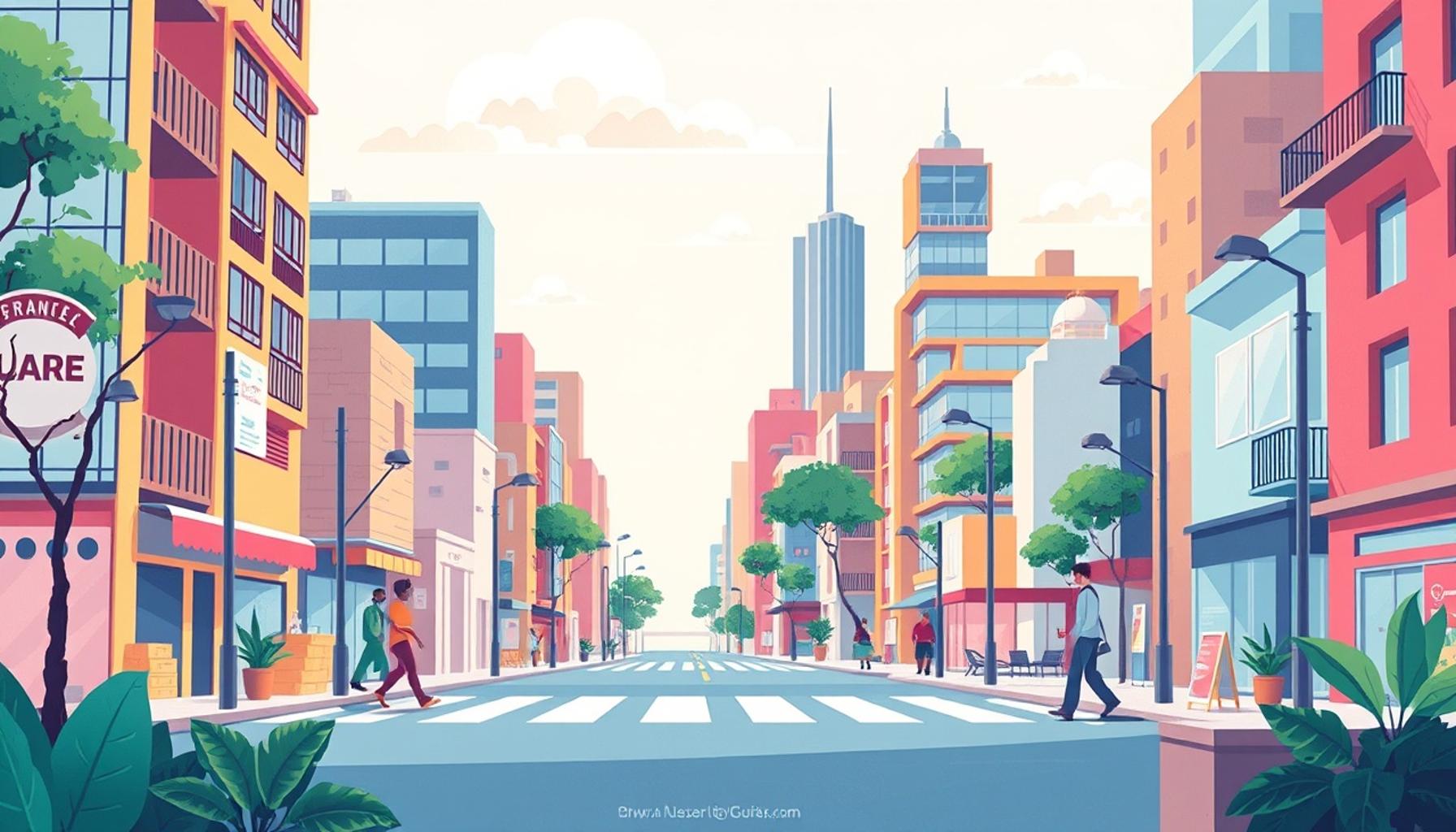
The Importance of Optimized Urban Spaces
As urban areas grow and change, the necessity for optimized urban spaces becomes increasingly critical. Urban planners and designers are often tasked with designing environments that are not only functional but also harmonious and visually appealing to a diverse population. The growing trend towards minimalist design presents an effective solution to these challenges.
Understanding Minimalist Design
Minimalism emphasizes simplicity and functionality, which can significantly enhance the livability of urban settings. By streamlining design elements, planners can create environments that promote clarity and ease of use. A few key characteristics of minimalist design include:
- Efficient use of space: By reducing clutter, minimalist design makes spaces more usable and easier to navigate. Projects like pop-up parks make innovative use of underutilized lots, transforming them into vibrant community hubs.
- Focus on essential elements: Minimalist design advocates for prioritizing what is necessary in the urban landscape. This approach allows for clearer communication in design, as seen in the simple yet effective signage systems in cities like Portland, which enhance pedestrian navigation.
- Sustainable materials: A commitment to eco-friendly resources is essential for long-term urban health. The trend towards using reclaimed wood and recycled materials in urban construction not only reduces waste but also contributes positively to the environment, as demonstrated by the use of bamboo in the renovation of urban spaces.
Real-World Examples of Minimalist Urban Design
Across the United States, several standout examples illustrate how minimalist principles can be effectively implemented in urban contexts:
- The High Line in New York City epitomizes minimalist design through its harmonious blend of simple green spaces, walking paths, and artistic features, encouraging both relaxation and community gathering. This elevated park highlights how repurposing infrastructure can enhance urban living.
- In San Francisco, the crane lane project emphasizes pedestrian accessibility with its uncluttered streetscape. The design prioritizes foot traffic over vehicles, making the area more inviting and user-friendly.
- Seattle’s public transit system showcases minimalist aesthetics by prioritizing user experience. Clean lines, intuitive layouts, and accessible information systems help streamline travel for commuters, proving that minimalist principles can significantly enhance efficiency.
Benefits of Minimalist Urban Design
One of the most compelling advantages of minimalist design is its ability to limit distractions and foster a sense of calm among city dwellers. By reducing visual noise, minimalist designs invite residents and visitors alike to engage more deeply with their surroundings. This reimagining of public spaces can lead to increased social interaction and community cohesion, as people feel more comfortable and welcome in thoughtfully designed environments.
Embracing simplicity in urban planning is not merely an aesthetic choice; it is a robust strategy for creating functional, engaging environments. As urban areas continue to evolve, the principles of minimalism will undoubtedly play an integral role in ensuring that cities remain not just places to live, but thriving communities that foster connection and sustainability.
DISCOVER MORE: Click here to uncover insights
The Impact of Minimalism on Urban Life
In an era where urban areas are experiencing rapid growth, the influence of minimalist design is becoming increasingly significant in reshaping our communities. This approach, rooted in simplicity and functionality, allows designers and planners to address critical needs while creating engaging urban environments. By stripping away unnecessary elements, minimalist design paves the way for practicality, helping cities evolve into spaces conducive to both human interaction and ecological sustainability.
Key Principles of Minimalist Urban Design
Minimalist design in urban spaces is more than just aesthetics; it encompasses several principles that directly impact the optimization of urban settings. Some core principles include:
- Decluttered Environments: The removal of superfluous structures and signage reduces cognitive overload for city inhabitants. Clear, open spaces promote tranquility and enhance pedestrian movement, as exemplified by New York City’s Brooklyn Bridge Park, where minimalistic landscaping creates a serene waterfront experience.
- Multi-Functional Spaces: Designing spaces that serve multiple purposes is a hallmark of minimalist philosophy. Community spaces that double as recreational areas or multifunctional venues not only save on resources but also encourage diverse activities, as seen in the reimagined Pioneer Courthouse Square in Portland, Oregon, which hosts markets, concerts, and public gatherings.
- Clear Navigation: In urban settings, effective signage and intuitive layouts guide users efficiently. The integration of minimalist wayfinding systems in cities like Chicago has improved pedestrian navigation by using straightforward symbol systems, thereby reducing confusion and facilitating movement throughout the city.
Creating Connection through Minimalism
At its core, minimalist urban design promotes connectivity and interaction among residents. By focusing on the essentials, cities can cultivate spaces that facilitate social engagement and community interaction. This design philosophy often encourages creativity, as minimalism allows individuals to personalize their environments while enjoying shared public spaces.
Moreover, the emphasis on simplicity can significantly enhance the aesthetic value of urban spaces. For instance, the Cadman Plaza in Brooklyn showcases how minimalist principles can enhance community engagement through well-curated plantings and open areas that invite gatherings and leisure. These spaces prioritize human experience over ornamental features, fostering a sense of place.
Furthermore, the minimalist approach can serve as a catalyst for sustainability. By using fewer materials and creating more adaptable designs, urban spaces can reduce environmental impacts. For example, energy-efficient buildings designed through minimalist principles, like the Bullitt Center in Seattle—often referred to as the greenest commercial building—demonstrate how thoughtful design not only meets human needs but also aligns with environmental stewardship.
In conclusion, embracing minimalist design in the optimization of urban spaces offers a pathway for creating harmonious, functional, and inviting environments. As cities face numerous challenges due to increasing populations and climate change, adopting minimalist principles will provide the framework needed for future urban development that prioritizes quality of life for all residents.
| Advantages of Minimalist Design | Key Benefits for Urban Spaces |
|---|---|
| Space Efficiency | Minimalist design maximizes usable space, allowing for multifunctionality in urban environments. |
| Aesthetic Appeal | Simplicity creates a calming visual experience, promoting relaxation and enhancing overall urban aesthetics. |
| Environmental Sustainability | Reduction of unnecessary materials results in lower resource consumption, emphasizing sustainable urban development. |
| Improved Accessibility | With fewer obstacles and clutter, minimalist urban design promotes easier navigation for pedestrians and cyclists. |
The application of minimalist design principles in urban spaces not only brings aesthetic appeal but also governs the functionality and sustainability of city life. For instance, the concept of space efficiency addresses modern urban density challenges, allowing for adaptable public spaces suitable for various activities, from pop-up markets to community gatherings. Such designs encourage interaction, fostering a sense of community.Moreover, materials selected with care in minimalist designs contribute remarkably to environmental sustainability. By limiting the quantity of building materials and energy consumption, cities can significantly lower their carbon footprints. This proactive approach to resource management is essential, especially as urban populations continue to grow.Equally important is how minimalist approaches enhance accessibility. The decluttering of sidewalks and public squares can lead to safer environments, not just for pedestrians but also for cyclists and those with disabilities, promoting a more inclusive urban landscape. As cities evolve, the role of minimalist design becomes increasingly vital in shaping functional and beautiful urban environments.
DIVE DEEPER: Click here to discover the power of minimalism
Enhancing Quality of Life through Minimalism
The influence of minimalist design extends beyond mere aesthetics; it plays a crucial role in enhancing the quality of life for urban residents. By prioritizing function and simplicity, cities can tackle pressing social issues, such as accessibility, inclusivity, and mental well-being. These elements are vital in creating urban environments that foster community ties and promote healthier lifestyles.
Accessibility and Inclusivity
Minimalist urban design aims to remove barriers, ensuring that public spaces are accessible to all individuals, regardless of age or ability. The incorporation of universally designed features, such as ramps, tactile pavements, and intuitive layouts, creates an environment where everyone can navigate freely. For instance, San Francisco’s Golden Gate Park embraces minimalism by providing clear pathways and accessible facilities, enabling diverse populations to engage with nature and community events seamlessly.
Moreover, minimalist design emphasizes open spaces that invite social interaction, reducing feelings of isolation among residents. This approach aligns with initiatives like the 25-Minute City concept in cities like Melbourne and Portland, where essential services, parks, and amenities are within a short walk or bike ride. The result is a reduction in reliance on cars, fostering healthier lifestyles while promoting community cohesion and inclusivity.
Fostering Mental Well-being
In addition to accessibility, minimalist urban design contributes to mental well-being. Open, uncluttered spaces reduce stress and promote relaxation, offering urban dwellers a respite from the fast-paced environment of city life. Research has shown that access to nature and green spaces significantly improves mental health, leading to lower anxiety levels and increased overall happiness.
One notable example is the High Line in New York City—a linear park created on an obsolete railway track—where minimalist design principles transform a utilitarian space into a serene oasis amid the bustling city. The integration of greenery, seating areas, and artwork provides a tranquil escape for city residents, encouraging mindfulness and social connections, which are essential for mental well-being.
Local Economic Growth through Minimalist Principles
Furthermore, adopting minimalist design can stimulate local economic growth. By creating spaces that are not only functional but also aesthetically pleasing, cities can attract visitors and encourage local businesses to thrive. Simplified street layouts and pedestrian-friendly environments enhance foot traffic, thereby boosting economic activity in neighborhoods. For example, the revitalization efforts in Downtown Los Angeles have brought newfound vibrancy to previously neglected areas by focusing on minimalist design principles that prioritize public spaces for community engagement and commercial activity.
Additionally, with lower maintenance costs associated with minimalist structures, urban planners can allocate resources more efficiently, investing in other community needs and priorities. The potential for revitalizing struggling areas through thoughtful, minimalist urban design aligns with current economic trends that favor sustainable and adaptable practices.
Future Directions for Minimalist Urban Design
As cities continue to evolve, the application of minimalist design will play an increasingly critical role in shaping urban landscapes. Embracing flexibility in design not only fosters innovation but also encourages residents to adapt spaces to their unique needs. By championing principles of minimalism, urban planners can harness the potential of underutilized areas and transform them into thriving community hubs that prioritize accessibility, social connectivity, and mental health—all essential components for modern urban living.
DISCOVER MORE: Click here to learn about the power of reflection
Conclusion: The Impact of Minimalist Design on Urban Spaces
In summary, the embrace of minimalist design in urban planning is more than a mere trend; it is a fundamental strategy for optimizing urban spaces across the United States and beyond. As cities grapple with the challenges of overpopulation, environmental sustainability, and social cohesion, minimalism provides a viable solution by streamlining functionality while enhancing aesthetic appeal. The clear benefits of accessibility and inclusivity foster a sense of belonging among residents, allowing diverse communities to thrive.
Moreover, the mental well-being of urban dwellers stands to gain significantly from thoughtfully designed minimalist spaces. The integration of green corridors, open parks, and tranquil public areas contributes to reduced stress and increased happiness, thereby improving the overall quality of life. The success stories of initiatives such as the High Line and revitalized districts in Downtown Los Angeles serve as powerful examples of how minimalism can cultivate economic growth and social interactions, creating vibrant hubs filled with opportunities.
Looking ahead, the continued evolution of urban landscapes necessitates a commitment to minimalist principles. By remaining adaptable and responsive to the unique needs of communities, urban planners can leverage minimalist designs to create environments that prioritize both human experiences and sustainability. As cities experiment with these innovative approaches, the potential for transformation is immense—one that can lead to healthier, more engaged, and happier urban populations. In this way, minimalist design becomes not just a stylistic choice, but a profound catalyst for positive change in our cities.