
Space Planning: The Intersection of Minimalism and Ergonomics for Effective Work Environments
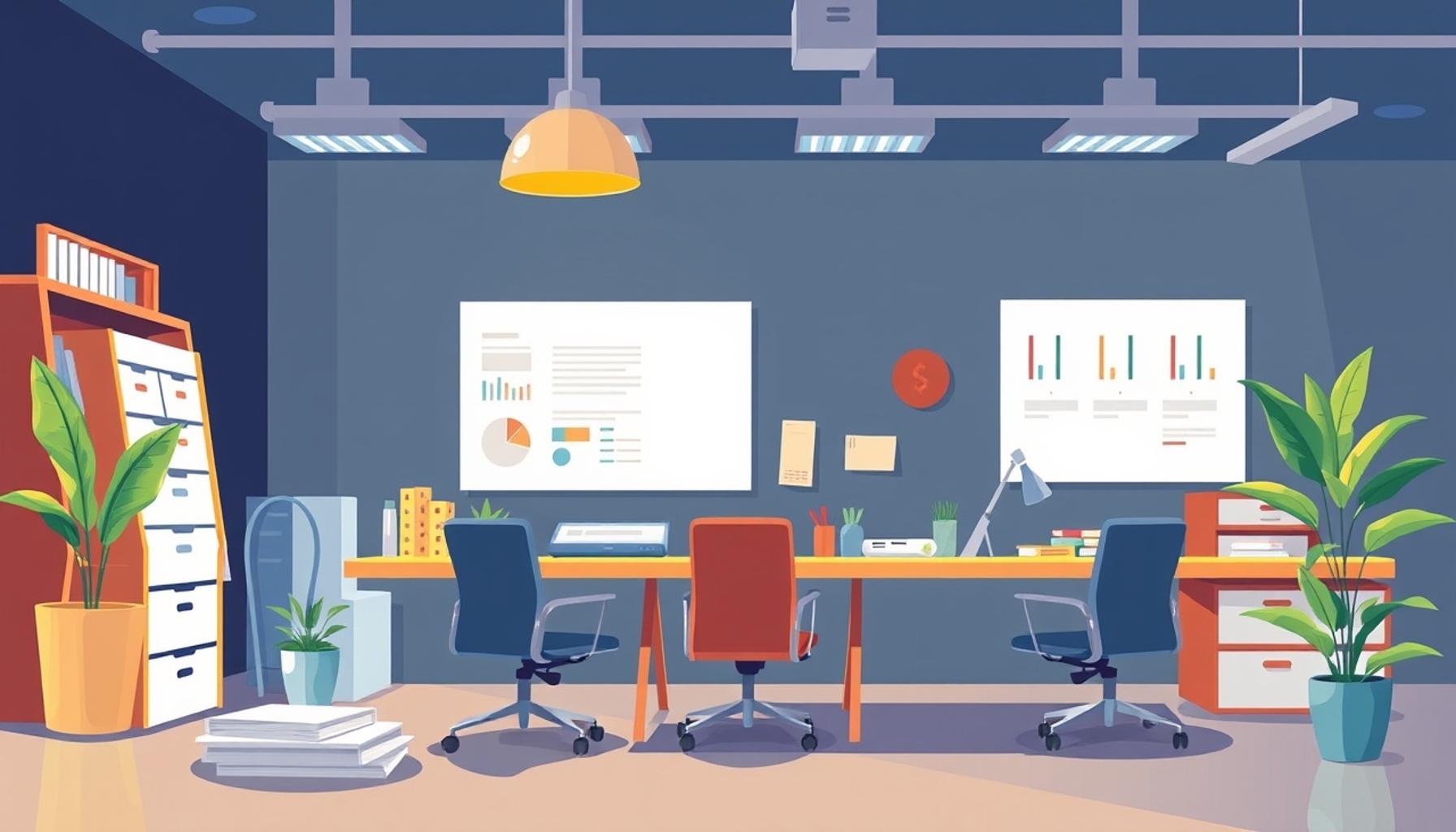
The Importance of Space Planning in Modern Work Environments
In today’s fast-paced world, maximizing productivity while ensuring comfort is an ongoing challenge for many businesses. The concept of space planning emerges as a powerful solution, merging two influential design philosophies: minimalism and ergonomics. These elements work together to create work environments that not only enhance efficiency but also promote employee wellbeing.
Key Elements of Space Planning
To fully grasp the benefits of integrating minimalism and ergonomics into workplace design, we must explore several essential aspects:
- Minimalism: This design philosophy focuses on reducing clutter and prioritizing essential items. By eliminating unnecessary distractions, minimalism fosters an environment conducive to clear thinking and creativity. For example, companies like Google have adopted minimalist designed office spaces that utilize open areas filled with greenery, letting employees think freely without the burden of excessive visual noise.
- Ergonomics: This aspect aims to optimize the physical arrangement of workspaces, ensuring that tools and furniture are designed with the user in mind. Ergonomic chairs that support posture, height-adjustable desks, and well-placed monitors are all crucial in minimizing discomfort. A recent study found that businesses that switched to ergonomic furniture saw a significant decline in musculoskeletal disorders among employees, leading to fewer sick days.
- Employee Satisfaction: A well-planned workspace can significantly boost morale, resulting in lower turnover rates. Happy employees tend to be more productive, creative, and engaged. According to a survey by Gallup, workplaces that emphasize employee wellbeing, including good space planning, see an increase in overall performance by 21%.
The Impact on Productivity and Innovation
Research suggests that a thoughtful blend of these approaches can lead to improved cognitive function and reduced fatigue. Environments that prioritize both aesthetics and comfort help employees feel more focused and inspired. Companies like Apple and Facebook have invested heavily in creating innovative and ergonomic workspaces, which have in turn yielded substantial gains in creativity and productivity.
Furthermore, studies indicate that organizations adopting such design strategies observe noticeable increases in productivity and innovation. The design does not only redefine aesthetic appeal but also reimagines functionality in the workspace, creating a balance that enhances both work performance and employee health.
Conclusion
As we delve deeper into the relationship between minimalism and ergonomics, the potential for transforming work environments will become evident. An intentional approach to space planning can revolutionize the workplace experience, resulting in a thriving and dynamic atmosphere that appeals to the modern workforce. Exploring innovative ideas and strategies can lead organizations toward a more sustainable and prosperous future in a rapidly changing world.
DIVE DEEPER: Click here to learn how to master the art of saying no
Understanding Minimalism in Workspace Design
At the core of effective space planning lies minimalism, an approach that emphasizes simplicity and functionality. In the context of work environments, minimalism is more than just an aesthetic choice; it is a philosophy that seeks to create a serene and focused atmosphere. By stripping away unnecessary distractions and prioritizing essential elements, organizations can foster a culture of clarity and efficiency.
Benefits of a Minimalist Workspace
- Enhanced Focus: A clutter-free environment can significantly improve concentration. Employees working in minimalist spaces often report feeling less overwhelmed and more able to engage deeply with their tasks.
- Increased Flexibility: Minimalist designs often utilize versatile furniture and open spaces, allowing for easy adaptability to various work styles. This flexibility can encourage collaboration among team members as they can easily reconfigure their surroundings for different projects.
- Improved Visual Aesthetics: A minimalist approach can result in a visually appealing workspace that promotes positive feelings amongst employees. Studies show that a well-designed environment can reduce stress and inspire creativity.
- Cost Efficiency: By focusing on essential furniture and materials, companies can significantly reduce expenditures on both initial setup and ongoing maintenance. This practical aspect of minimalism can be particularly appealing for startups or businesses seeking to optimize budgets.
Organizations are increasingly recognizing the power of minimalism in enhancing workplace productivity. From tech giants to creative agencies, companies are investing in minimalistic designs that not only reflect their brand identity but also emphasize the importance of a streamlined work process. The inclusion of natural elements, such as plants and natural lighting, further elevates the minimalist workspace, contributing to the enhancement of employee mood and performance.
The Role of Ergonomics in Space Planning
While minimalism lays the foundation for a clean and inviting workspace, ergonomics takes the design a step further by ensuring that the physical arrangement of the workplace caters to the health and comfort of the employees. A workplace that integrates ergonomic principles invests in furniture and layout that reduce physical stress and fatigue over the course of the workday.
Key Ergonomic Considerations
- Furniture Design: Ergonomic office chairs, desks, and tools can dramatically improve comfort and reduce physical strain. Research shows that ergonomic interventions lead to a lower incidence of repetitive strain injuries and general discomfort, allowing employees to work for longer hours without fatigue.
- Desk Arrangement: Proper monitor placement, keyboard positioning, and the layout of workstations can enhance usability. Ergonomic guidelines suggest that monitors should be at eye level and about an arm’s length away, allowing for naturally aligned postures.
- Break Areas: Integrating designated break spaces encourages employees to take necessary breaks to stretch and recharge. Such areas, designed with comfort in mind, contribute to overall physical and mental wellbeing.
As businesses delve into the implications of a well-planned workspace, the synergy between minimalism and ergonomics emerges as a powerful tool. The combination not only amplifies productivity but also nurtures a sustainable work culture that values employee wellbeing. Companies that prioritize these principles stand to gain not just enhanced performance but also a reputation for being forward-thinking in their approach to workspace design.
| Advantages | Details |
|---|---|
| Enhanced Productivity | Minimalist environment reduces clutter, helping employees focus on essential tasks effectively. |
| Improved Ergonomics | Thoughtfully designed spaces cater to comfort and reduce strain, promoting physical well-being. |
| Greater Flexibility | Flexible layouts accommodate various styles of work, from collaboration to deep focus. |
| Reduced Stress Levels | Simple aesthetics foster a calming atmosphere, lowering anxiety and increasing job satisfaction. |
The intersection of minimalism and ergonomics in space planning is pivotal for creating effective work environments. For instance, an organized workplace not only boosts efficiency but also encourages creativity by minimizing distractions. In particular, ergonomically equipped workspaces, with adjustable furniture and appropriate lighting, can prevent long-term health issues, illustrating the significance of ergonomic considerations in design. Furthermore, as remote work continues to grow, understanding these elements becomes increasingly vital in ensuring employees remain engaged and productive from any location.Traditionally, many office designs neglect the human factor, leading to inefficiencies and discomfort. However, contemporary approaches emphasize the need for layouts that consider the physiological and cognitive needs of workers. This trend is beneficial not just for the employees, but also for business outcomes. Enhanced employee satisfaction often translates to superior work quality and employee retention. Therefore, investing in thoughtful space planning is not just a trend—it’s a strategic imperative for modern businesses looking to thrive.
DIVE DEEPER: Click here to learn more
Creating a Cohesive Workspace through Strategic Design
To truly leverage the effectiveness of minimalism and ergonomics in workspace design, it is essential to adopt a cohesive strategy that harmonizes these principles. Both philosophies not only overlap in their focus on enhancing employee experience but also emphasize the importance of intentionality in space planning.
Integrating Minimalism and Ergonomics
When designing workspaces, businesses can create layouts that embody both minimalism and ergonomics by prioritizing the flow and function of the space. This starts with an analysis of the specific needs of the workforce. For instance, open plan offices can foster collaboration but also face challenges regarding noise and distraction. Striking a balance between an open and private workspace becomes crucial. By incorporating sound-absorbing materials and designated quiet places, organizations can maintain a minimalist aesthetic while also supporting focused work.
Another effective tactic is the use of multi-functional furniture. For example, desks that can transition from sitting to standing not only promote better posture but also conform to minimalistic ideals by reducing the need for multiple pieces of equipment. Ergonomic accessories such as keyboard trays and monitor stands can complement a minimalist design; they provide the necessary adjustments that enhance usability without compromising the visual appeal of the workspace.
The Impact of Color and Light
The psychological aspects of color and lighting are influential in workspace productivity, particularly when viewed through a minimalist lens. Lighter hues such as whites and soft pastels can create the perception of larger spaces, promoting a sense of calm. Natural lighting, which can be increased by large windows or skylights, is crucial for maintaining energy and focus. Office designs that integrate high-quality light sources are known to reduce eye strain and improve overall mood, thereby aligning with ergonomic principles.
Technology’s Role in Modern Workspace Design
Modern technology plays a pivotal role in enhancing both minimalism and ergonomics in the workplace. Solutions such as smart office systems allow for the seamless integration of technology that adjusts lighting, temperature, and even workspace arrangements based on employee preferences. This adaptability not only reinforces a minimalist aesthetic—reducing the need for visible control interfaces—but also enhances employee comfort and productivity.
Moreover, collaborative technologies enable teams to engage effectively from varying locations, allowing for a more dynamic approach to office design. Companies are increasingly investing in digital workspaces that align physically and virtually, thereby adhering to minimalist principles while ensuring ergonomic comfort.
Measuring Success: Employee Wellbeing and Productivity
The success of a workspace rooted in the intersection of minimalism and ergonomics can often be measured through employee wellbeing and productivity metrics. Businesses that have implemented such strategies frequently note an improvement in employee satisfaction and engagement. For instance, a study by the American Society of Interior Designers revealed that 88% of employees believe that workspace design has significant impact on their overall productivity.
Furthermore, organizations that prioritize these elements witness reduced absenteeism due to health-related issues, leading to increased operational efficiency. In the long term, investing in a workspace that combines minimalism and ergonomic elements contributes to a healthier, happier workforce, which ultimately benefits the bottom line.
As the conversation surrounding workspace design continues to evolve, understanding the dynamics between minimalism and ergonomics is more critical than ever. By forging a path that intertwines these two philosophies, businesses can create environments that not only reflect their brand but also empower their most valuable assets—their employees.
DISCOVER MORE: Click here to learn about the psychological benefits of decluttering
Conclusion: The Future of Workspace Design
In summary, the convergence of minimalism and ergonomics in workspace design is transforming the way we perceive and utilize work environments. By prioritizing simplicity and functionality, businesses are crafting spaces that not only reflect modern aesthetics but also cater to the well-being and productivity of their teams. The strategic integration of multi-functional furniture, sound-dampening materials, and optimal use of color and light have proven to cultivate an atmosphere that enhances focus and collaboration.
Moreover, the infusion of technology into workspace planning is further redefining the landscape. From adjustable desks to smart lighting systems, these innovations allow for a personalized experience that promotes physical comfort while maintaining a clean, organized appearance. As studies highlight the positive correlation between thoughtful design and employee performance, organizations cannot afford to overlook the profound impact of these elements.
Looking ahead, businesses that embrace the principles of minimalism and ergonomic design will be better positioned to attract and retain top talent. As remote and hybrid work models become more prevalent, the need for versatile and efficient environments will only increase. By investing in spaces that prioritize employee satisfaction and health, companies can cultivate a culture of productivity and innovation. Therefore, the future of workspace design lies in achieving a seamless balance between minimalism and ergonomics, paving the way for environments that empower every individual to thrive.