How Technology is Revolutionizing Music Creation in Nigeria
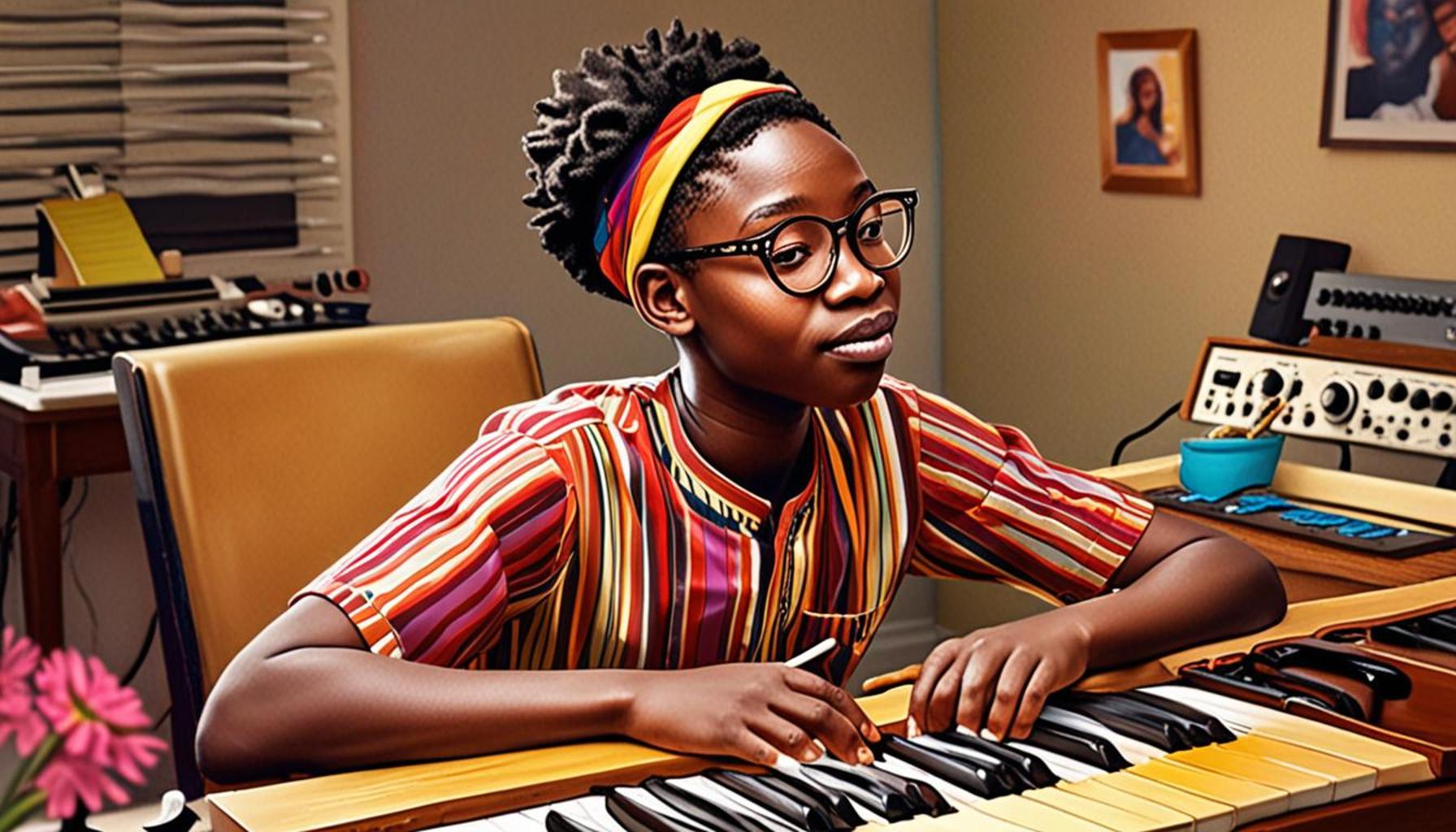
The landscape of music creation is undergoing a seismic shift, particularly in Nigeria, where innovation meets tradition. As technology continues to evolve, it presents exciting opportunities for artists, producers, and music enthusiasts alike. From the integration of digital audio workstations to the use of artificial intelligence in music production, these advancements are redefining creative processes.
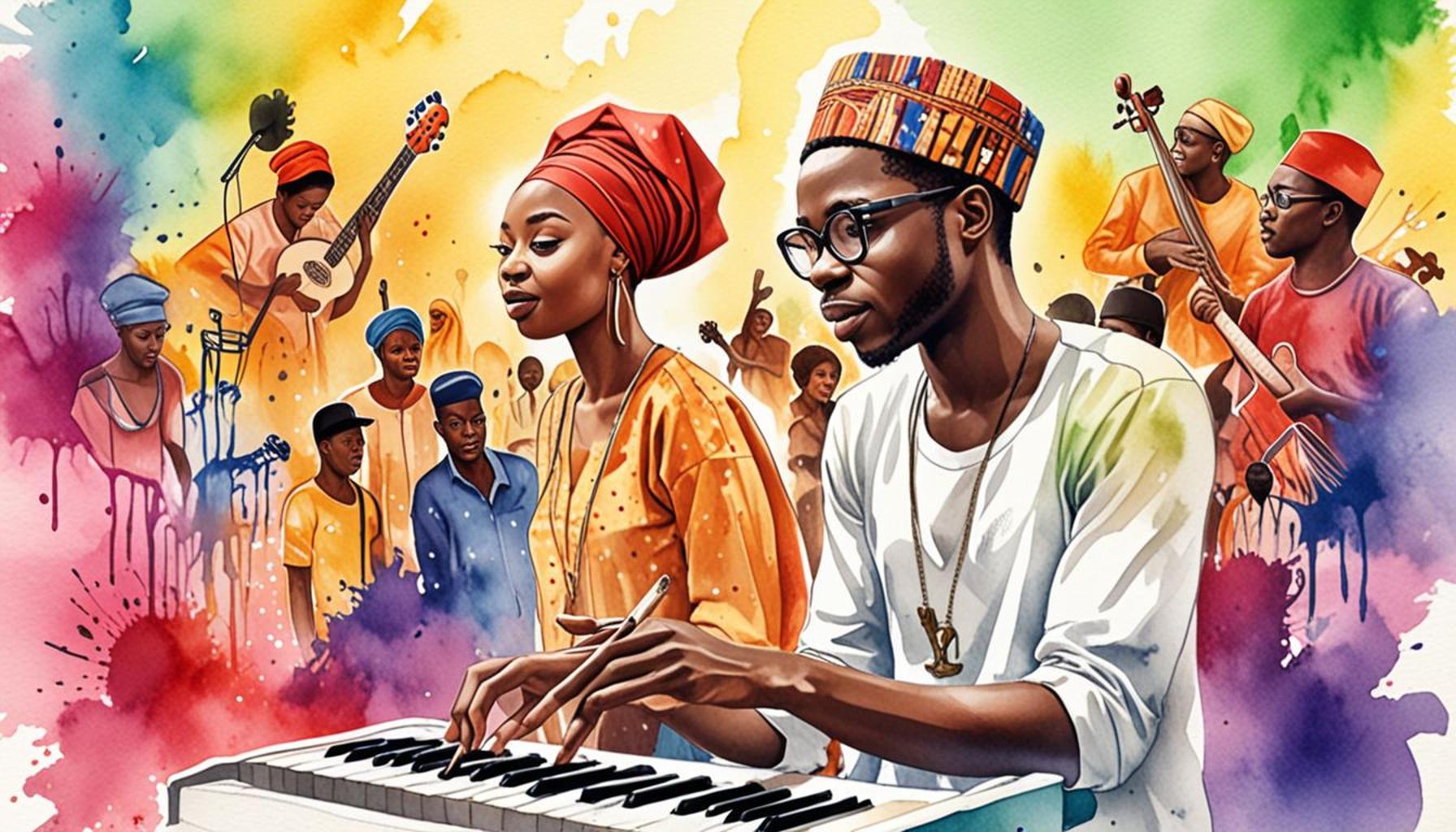
This transformation is not just a trend; it is a pivotal moment in the cultural fabric of Nigeria. With the rise of platforms that empower musicians to collaborate and share their work globally, the Nigerian music scene is becoming increasingly vibrant and diverse. As we explore this topic, we will uncover the factors fueling this revolution and highlight the remarkable tools shaping the future of music in Nigeria.
Stay tuned as we present the Top 5 technologies that are crucial in this transformation, showcasing their impact on creative hobbies and the music industry at large.
Top 5: How Technology is Transforming the Music Creation Process in Nigeria
Nigeria’s music scene is undergoing a remarkable transformation, attributed significantly to technological advancements. As technology progresses, it affects various aspects of how music is produced, consumed, and shared. Over the past decade, these changes have not only amplified Nigerian music on the global stage but have also enriched its creative process. This article delves into the top five ways technology is reshaping Nigeria’s musical landscape, invigorating it with unprecedented opportunities and innovation.
5. Access to Educational Resources
The advent of online platforms has dramatically expanded access to educational resources for musicians in Nigeria. Platforms like YouTube and educational sites offer tutorials that cover a vast array of topics, from mastering music theory to perfecting production skills. Aspiring musicians are no longer confined to traditional learning environments. Instead, they can gain substantial knowledge and skills at their own pace, thanks to technology.
This democratization of music education brings several benefits, such as:
- Self-taught musicians are now equipped to polish their craft independently, bypassing the need for costly formal education.
- A plethora of informational content is readily available for all genres, enabling artists to specialize in niche areas and expand their musical horizons.
- Remote collaboration opportunities, allowing musicians from different backgrounds and regions to create unique, cross-cultural projects.
This wealth of knowledge is crucial for equipping the new generation of Nigerian musicians with technological proficiency, aiding them in realizing their creative visions through a blended approach of education and innovation.
4. Home Production Studios
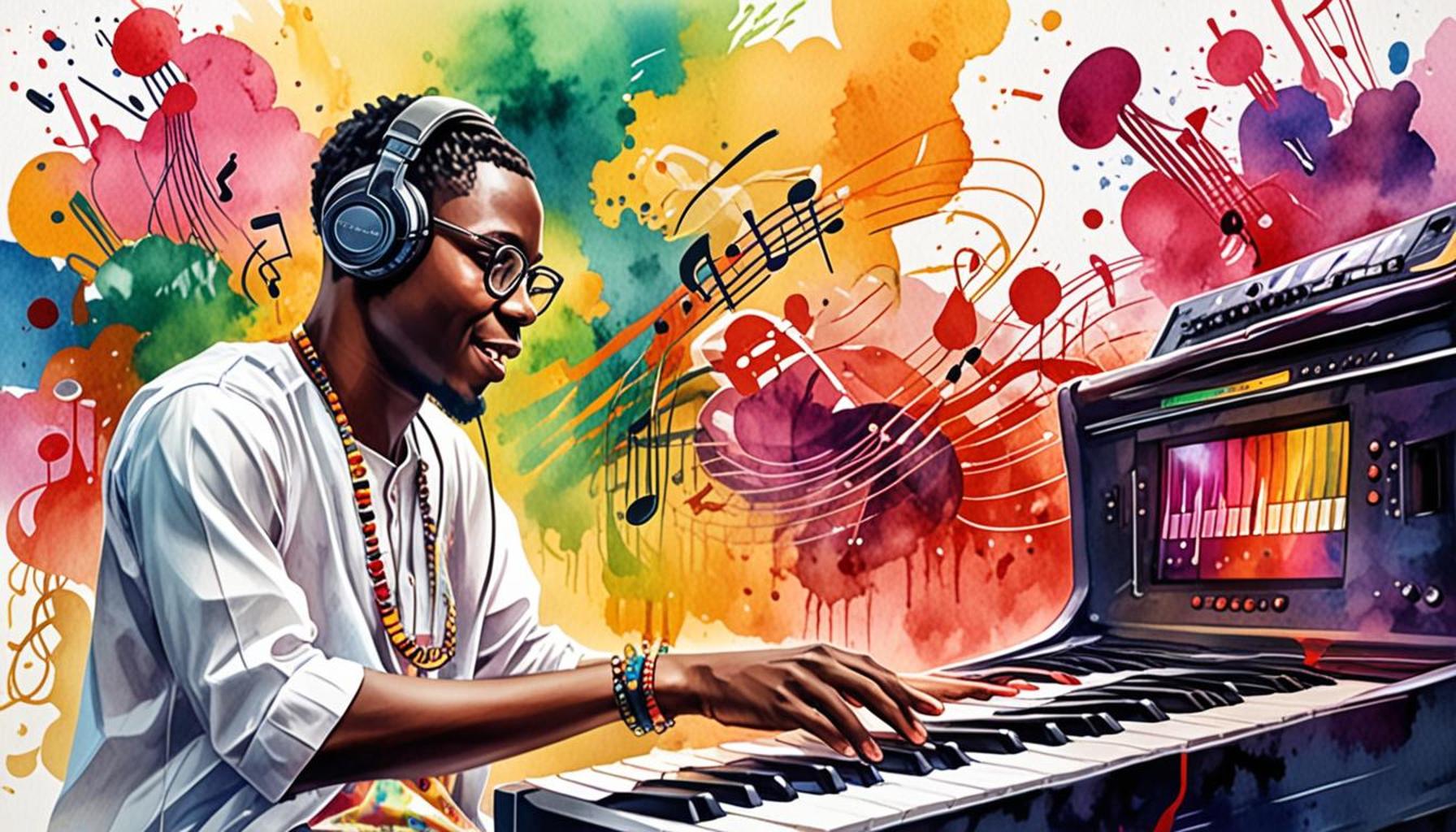
The concept of home production studios signifies a dramatic shift from traditional music production methods. Modern software such as Ableton Live and FL Studio, along with affordable hardware options, are empowering artists to record and produce music from the comfort of their homes. This transformation marks a shift towards a less centralized music industry, where creativity can thrive independently of big-budget setups.
Some defining aspects of this trend include:
- Cost-effectiveness gives emerging artists the freedom to explore their distinct sound without substantial financial strain.
- Freedom from commercial constraints encourages innovation, allowing artists to experiment with various genres and forge original styles.
- Increased output rates because artists can create and refine their work without adhering to studio schedules.
This independence in the production process is giving rise to authentic and diverse sounds, making the Nigerian music scene more vibrant and internationally competitive.
3. Distribution and Streaming Platforms
The proliferation of digital distribution platforms, such as Spotify, Apple Music, and Boomplay, has revolutionized how Nigerian artists distribute their music. These platforms have opened up global markets, enabling artists to reach audiences far beyond their national borders. Such accessibility has bridged the gap between local talent and global recognition.
Critical elements of this technological evolution include:
- Global accessibility, allowing audiences worldwide to discover and enjoy Nigerian music.
- New revenue streams for musicians through streams and downloads, facilitating sustainable career growth.
- Access to audience feedback, through detailed analytics and social media engagement, helping artists refine their approaches.
This leap in distribution capability is crucial not only for increasing Nigerian artists’ visibility but also for sharing the rich cultural tapestry embedded in their music with the world.
2. Social Media Promotion
Social media platforms have become indispensable tools for Nigerian musicians to promote their work and build their brand presence. Instagram, Twitter, and TikTok provide artists with a direct conduit to their fans, fostering a more intimate and interactive relationship.
Key aspects of social media’s influential role include:
- Opportunities for viral marketing through engaging content like challenges, creative trends, and dance routines.
- Offering fans a behind-the-scenes look into artists’ lives, fostering a stronger emotional connection and increased loyalty.
- Facilitating collaborative projects with fellow artists and influencers, broadening artistic horizons.
By effectively leveraging social media, Nigerian musicians enhance their visibility, navigating an increasingly competitive industry with strategic creativity.
1. Innovation in Music Production Techniques
Innovation in music production techniques stands central in the technological transformation of Nigerian music. Equipped with cutting-edge software, artists are experimenting and pushing musical boundaries, blending traditional sounds with contemporary genres such as hip-hop and electronic dance music.
The influence of these advances includes:
- Experimentation with new sounds and blending of genres, broadening the creative scope and appeal of Nigerian music.
- Advanced audio processing and mixing capabilities that significantly enhance the quality of musical productions.
- Leveraging collaborative digital platforms, musicians can now engage in joint music projects without being co-located, facilitating innovative cross-border collaborations.
These technological strides not only propel Nigerian music to keep pace with global trends but also position the country as a nexus of musical innovation on the world stage.
As technology continues to evolve, the creative possibilities it opens up for Nigerian music are boundless. The integration of technology into the music creation process is a testament to the resilience and creativity of Nigerian artists, ensuring that their music continues to resonate globally.
| Category | Details |
|---|---|
| Access to Production Tools | With the advent of affordable software and hardware, Nigerian musicians can now create high-quality music from the comfort of their homes. |
| Online Collaboration | Technological advancements allow musicians to collaborate remotely, connecting artists from various parts of the country and beyond. |
| Distribution Platforms | Digital platforms have transformed the way music is distributed, allowing Nigerian artists to reach global audiences without the need for traditional record labels. |
| Social Media Engagement | Social media serves as a crucial tool for marketing, enabling artists to engage with fans, share their journeys, and promote their music effectively. |
The integration of technology into the music creation process has undeniably reshaped how artists in Nigeria approach their craft. The notion of accessibility has evolved significantly; musicians are now equipped with powerful tools that were once exclusive to recording studios. Platforms like Pro Tools, Ableton Live, and GarageBand are readily available, offering a user-friendly environment for both beginners and seasoned professionals to experiment with sound.Furthermore, the ability to collaborate online has fostered a culture of innovation and creativity. Artists can exchange ideas, share musical files, and even co-write songs from different locations. This not only enhances creativity but also cultivates a sense of community among artists who may have once felt isolated by geographical boundaries.As technology advances, the methods of music distribution have also changed. The rise of platforms such as Spotify, Apple Music, and SoundCloud has democratized the distribution process. An artist in Nigeria can now upload their music and potentially gain millions of listeners worldwide without the backing of a traditional record label. This newfound autonomy encourages a diversity of voices in the Nigerian music scene.Engagement through social media has become another dynamic element. Musicians leverage platforms like Instagram and Twitter to connect directly with their audience, sharing snippets of work-in-progress, behind-the-scenes stories, and engaging personal narratives. This direct line to fans creates a devoted following that often translates into increased streams and album sales.In summary, the transformation brought about by technology is far-reaching, enabling Nigerian musicians to create, collaborate, and showcase their music to a global audience like never before.
Frequently Asked Questions about How Technology is Transforming the Music Creation Process in Nigeria
How has technology changed the way music is produced in Nigeria?
The advent of technology has revolutionized music production in Nigeria by providing artists with easier access to advanced production tools. High-quality recording software, digital audio workstations, and online collaboration platforms have made it possible to produce professional-grade music outside traditional studios. This democratization of music production allows emerging artists to create and share their work without needing major label backing. Technological advancements have empowered a new generation of independent musicians to express their creativity more freely.
What role do social media and streaming services play in the distribution of Nigerian music?
Social media and streaming services have become crucial for distributing Nigerian music, reaching audiences both locally and globally. Platforms like YouTube, Instagram, and Facebook enable artists to build a fan base organically, while streaming services such as Spotify and Apple Music offer unprecedented exposure on international charts. With these tools, Nigerian artists can bypass geographic and financial barriers to showcase their talent worldwide, often leading to collaborations with international artists and recognition in global markets. These platforms have significantly expanded the reach and influence of Nigerian music around the world.
Are there any challenges faced by Nigerian musicians due to technological advancements?
While technology offers numerous benefits, it also presents challenges for Nigerian musicians, such as increased competition and the need to continually engage audiences on multiple platforms. Additionally, with the rise of digital consumption, issues of copyright infringement and inadequate monetization persist, challenging artists to secure their intellectual property and receive fair compensation. Navigating these digital landscapes requires artists to not only focus on their music but also develop skills in digital marketing and personal branding.
How is the growth of digital music impacting traditional music industries in Nigeria?
The rise of digital music has led to a shift in the traditional music industry in Nigeria. Record labels and radio stations, which once held predominant control over artists and their music, are finding it essential to adapt to the digital age. This shift encourages these entities to innovate and incorporate digital strategies to remain relevant. However, this transition can be slow and challenging, as it requires changes in long-standing business models. The evolution of digital music is continually reshaping the framework of the Nigerian music industry, pushing it towards a more inclusive and dynamic future.
What future trends can we expect in Nigerian music creation due to technology?
As technology continues to advance, we can anticipate further developments such as AI-generated music, virtual reality concerts, and more sophisticated music distribution algorithms tailored to individual listening habits. Blockchain technology may also play a role in ensuring transparent and fair compensation for artists. These innovations point towards a future where technology and creativity will be more intertwined than ever, potentially fostering a more diverse and rich musical landscape in Nigeria.
Conclusion
As we draw the curtains on the exploration of how technology is transforming the musical landscape in Nigeria, it is clear that this evolution is reshaping not only the creative process but also the broader cultural narrative. Nigerian musicians are increasingly leveraging digital platforms and social media to distribute their work globally, reaching audiences far beyond geographical boundaries. This democratization of music production has led to a richer and more diverse array of sounds, bridging traditional Nigerian rhythms with modern electronic beats.
The article highlighted the remarkable impact of music production software that has become more accessible to emerging artists. This accessibility levels the playing field, allowing musicians from diverse backgrounds to produce high-quality content without the constraints of expensive recording studios. The convergence of technology and music has also led to an upsurge in collaborative projects, transcending geographical limits and fostering creative alliances across continents.
Moreover, technology has played a pivotal role in preserving and reimagining indigenous sounds, ensuring that cultural heritage remains a vibrant component of contemporary genres. This blend of tradition and innovation underscores the resilience and adaptive spirit of Nigerian musicians. As technology continues to evolve, it will undoubtedly present new challenges and opportunities for Nigerian artists, compelling them to innovate further.
In conclusion, the integration of technology into the Nigerian music scene is more than a trend; it is a transformative force that enhances creativity and expands the horizons for artists. The way forward will involve continuous adaptation to emerging technologies, maintaining the balance between innovation and cultural roots. There is much more to discover as this symbiotic relationship between technology and music progresses, inspiring enthusiasts of creative hobbies to delve deeper into this dynamic transformation.