
The Influence of the Social Environment on Positive Affirmations and the Development of a Growth Mindset
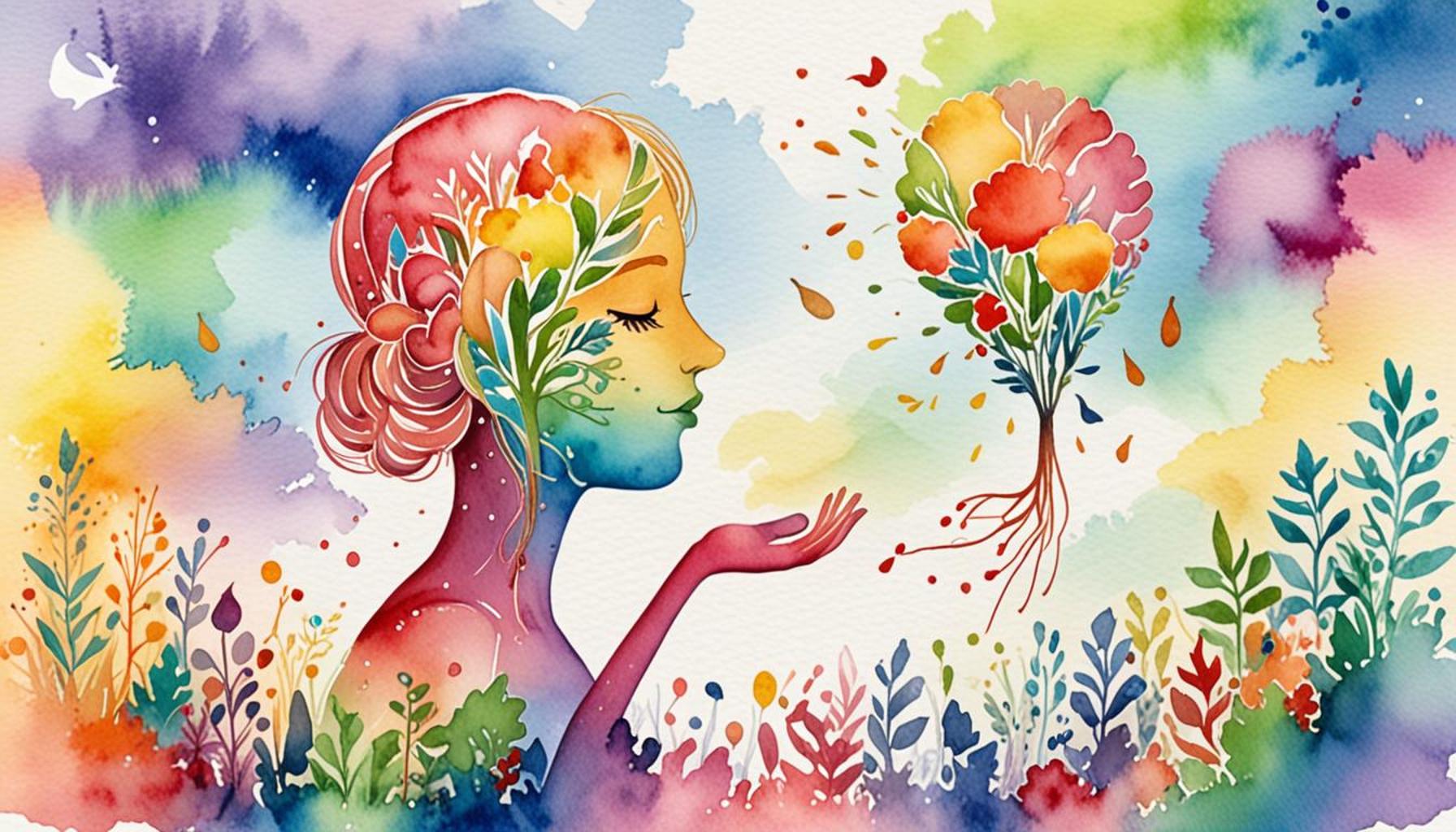
The Impact of Social Surroundings on Personal Growth
The journey of personal development is intricately linked to the people and environments surrounding us. The idea of a growth mindset, popularized by psychologist Carol Dweck, emphasizes the belief that abilities and intelligence can be developed through dedication and hard work. This mindset is significantly influenced by our social interactions and surroundings, which can either foster growth or create obstacles. By exploring the dynamics of social influence, we can better understand how to cultivate an environment that enhances mental resilience and self-belief.
Key to nurturing a growth mindset are the various elements of our social context, including:
- Supportive relationships
- Community engagement
- Cultural attitudes toward failure
Research consistently shows that individuals who surround themselves with positive, goal-oriented peers tend to experience greater levels of success. For example, studies reveal that collaborative environments, such as team-based projects in workplaces or study groups in educational settings, enhance motivation and foster creativity. Mentorship programs, where experienced individuals guide less experienced ones, also provide invaluable encouragement and feedback, leading to accelerated personal growth.
Additionally, community engagement can significantly amplify one’s sense of belonging and purpose, two critical components for developing a growth mindset. Whether participating in local volunteer activities, joining clubs that provide networking opportunities, or being involved in group hobbies, these connections can serve as a strong support network. They not only validate personal efforts but also inspire collective growth, pushing individuals to strive for more.
Cultural attitudes toward failure also cannot be overlooked. In contexts where failure is viewed as a learning opportunity rather than a setback, individuals are more likely to take risks. In the United States, for example, the entrepreneurial spirit celebrates those who fail and try again. Icons like Thomas Edison and Steve Jobs illustrate how resilience in the face of setbacks can lead to monumental success.

As you reflect on your own social circles, consider how they shape your attitudes, goals, and reactions to challenges. Could a few words of encouragement from a close friend serve as the catalyst for a new endeavor? Or might constructive criticism lead you to reassess your strategies for self-improvement?
Join us in uncovering the subtleties of social influence and how they can act as powerful agents of change in our lives. The insights gained from understanding these interactions may just inspire a new approach to your personal growth journey.
DISCOVER MORE: Click here to learn about personal transformation through positive affirmations
Harnessing the Power of Social Connections
Our social environments play a pivotal role in shaping our beliefs, attitudes, and ultimately, our life’s trajectory. When it comes to fostering a growth mindset and embracing positive affirmations, the influence of peers and community cannot be understated. These social dynamics provide essential feedback and encouragement that can inspire individuals to pursue their goals with renewed vigor.
One of the most significant aspects of social influence is the presence of supportive relationships. Studies indicate that individuals who cultivate connections with uplifting and motivating people tend to exhibit increased self-efficacy and persistence. Close friends and family play a crucial role in offering praise, providing constructive feedback, and celebrating milestones along the journey of personal development. When faced with challenges, friends who offer a listening ear and encourage a positive perspective can make all the difference. Notably, social psychologists emphasize that even brief moments of affirmation from a trusted individual can counter feelings of self-doubt and encourage a more resilient mindset.
Furthermore, the engagement of communities—whether through professional networks, local clubs, or interest-based groups—can contribute significantly to personal growth. Consider the impact that joining a mentoring program can have; not only do mentors share their wisdom, but they also inspire mentees to believe in their potential. This exchange propels individuals to step outside their comfort zones, embrace learning opportunities, and develop skills that may have previously seemed unattainable. A supportive community acts as both a safety net and a launchpad, fostering risk-taking and exploration.
- Enhanced Motivation: Being part of a group with shared ambitions can spark motivation and enthusiasm.
- Accountability: Regular interactions with goal-oriented peers serve as a reminder to stay focused on personal growth.
- Resource Sharing: Members often exchange valuable insights and strategies that can pave the way for success.
As we delve deeper into how social environments shape our mindsets, it becomes evident that cultural contexts also play a vital role in how we perceive failure. In settings where ambivalence toward mistakes is prevalent, individuals become more hesitant to take leaps of faith. In contrast, cultures and communities that embrace the concept of failure as a critical component of the learning process encourage individuals to view setbacks as valuable lessons. In the United States, the narratives surrounding entrepreneurial ventures often highlight stories of individuals overcoming numerous failures before achieving ultimate success, demonstrating a collective resilience and a passion for growth.
As you assess your own social surroundings, take note of how they influence your mindset and affirmations. Are the people in your network pushing you to reach your full potential, or are they stifling your ambition? Understanding the delicate interplay between our social contexts and our personal beliefs can illuminate pathways toward a more vibrant, growth-oriented approach to life.
| Category | Key Features |
|---|---|
| Social Support Systems | Connections and encouragement that foster resilience and motivation. |
| Peer Influence | Positive reinforcement from like-minded individuals enhances the adoption of affirmations. |
| Cultural Norms | Shared beliefs that shape perceptions of personal growth and self-improvement. |
| Role Models | Inspiring figures who exemplify a growth mindset, motivating others to follow suit. |
Understanding the influence of the social environment on positive affirmations and the development of a growth mindset is pivotal in personal development. The presence of supportive social networks can significantly enhance an individual’s motivation to embrace challenges and persist in the face of setbacks. Importantly, when peers share the same vision of self-improvement, they create a feedback loop of encouragement. Such environments cultivate resilience, pushing individuals towards greater personal achievements.Additionally, cultural norms play a critical role in how affirmations are perceived and utilized. Societies that celebrate growth and learning create a fertile ground for individuals to adopt a mindset that is adaptable and receptive to change. By observing individuals who embody a growth mindset, others can draw inspiration and find the courage to adopt similar positive habits in their own lives. This chain reaction highlights the profound impact the social environment has on effective personal development strategies. The synergy between social support, peer influence, and role modeling is a compelling framework for fostering a robust growth mindset.
DISCOVER MORE: Click here to delve deeper
Community and its Role in Shaping Mindset
Beyond personal relationships, the broader community context profoundly influences our ability to develop a growth mindset and effectively utilize positive affirmations. A thriving community provides countless opportunities for individuals to interact, share experiences, and gain insights that foster personal growth. This is particularly evident in settings such as educational institutions, workplaces, and civic organizations, where collaboration and communal engagement can significantly enhance motivation and resilience.
Within educational environments, for instance, teachers and peers collectively contribute to a culture that promotes continuous learning. Schools that encourage a growth mindset often celebrate effort and improvement rather than solely focusing on final grades. This paradigm shift allows students to embrace challenges, seek feedback, and learn from failures without the stigma of inadequacy. Programs like social-emotional learning (SEL) advocate for a supportive atmosphere where students practice positive affirmations and build self-esteem, enabling them to tackle obstacles with confidence. Research has shown that SEL-integrated schools see a marked improvement in students’ academic performance and overall emotional well-being.
In workplaces, fostering a culture of encouragement and professional development can transform employee performance and satisfaction. Companies that prioritize mentoring and coaching create environments where employees feel valued, and their contributions are recognized. This aligns with the concept of a growth mindset, as employees are inspired to take risks and innovate. A study published in the Harvard Business Review found that organizations with supportive cultures witness a 20% increase in employee performance and a 25% increase in job satisfaction. These figures underscore how a positive social environment contributes to the successful implementation of affirmations and encourages collective advancement.
- Networking Opportunities: Engaging in community events expands professional networks, introducing individuals to new ideas and practices that inspire growth.
- Collective Problem-Solving: Collaboration within a community fosters diverse perspectives, leading to innovative solutions and enhanced adaptability.
- Shared Experiences: Sharing challenges and successes within community groups reinforces the notion that struggle is a normal part of development, further eliminating fear of failure.
Moreover, the impact of digital communities cannot be overlooked in today’s connected world. Online platforms create spaces where individuals can find like-minded supporters and cheerleaders. From social media groups focused on specific skills to forums dedicated to personal development, these virtual interactions enable individuals to exchange knowledge and reaffirm their abilities. Such engagement not only cultivates a sense of belonging but also normalizes the journey of growth, as users share their stories of perseverance and triumph.
As we continue to explore the intricate relationship between social environments and personal development, it becomes increasingly apparent that the environments we inhabit can either lift us up or hold us back. Assessing the communal factors that surround you is vital to understanding how they shape your mindset. Are you part of networks that uplift and inspire, or do you find yourself in situations that limit your potential? Taking a closer look at the social frameworks within which we operate can unlock barriers and pave the way for personal and collective growth.
DISCOVER MORE: Click here to learn about daily affirmations
Conclusion: Harnessing the Power of Community for Growth
In summary, the exploration of the social environment reveals its undeniable influence on both positive affirmations and the cultivation of a growth mindset. Our interactions within educational settings, workplaces, and broader community networks provide the foundation for personal development. When individuals are surrounded by supportive relationships and positive reinforcement, they are more likely to embrace challenges, learn from setbacks, and ultimately thrive. The integration of programs focusing on social-emotional learning (SEL) in schools serves as a prime example of how environments can effectively shift mindsets toward resilience and improvement.
Moreover, the role of workplaces in fostering mentorship and professional growth highlights how communal encouragement can lead to greater job satisfaction and performance. These environments motivate individuals to step outside their comfort zones, embrace innovation, and recognize their contributions as valuable. Additionally, the emergence of digital communities has transformed the landscape of personal development, offering spaces for connection and exchange that transcend geographical boundaries.
As we reflect on the synergistic potential of our social frameworks, the question remains: Are we actively engaging with environments that challenge us positively and facilitate our growth? By assessing and cultivating supportive networks—both in-person and online—we can unlock pathways to personal and collective advancement. It is clear that the influence of our surroundings can propel us towards greater self-efficacy and resilience, emphasizing the profound impact of a growth-oriented community.
In a world that increasingly values collaboration and shared experiences, understanding the role of social dynamics in shaping our mindset is paramount. As we navigate our journeys, let us seek out and contribute to communities that inspire, uplift, and encourage resilience, thereby crafting a brighter and more supportive future for everyone.