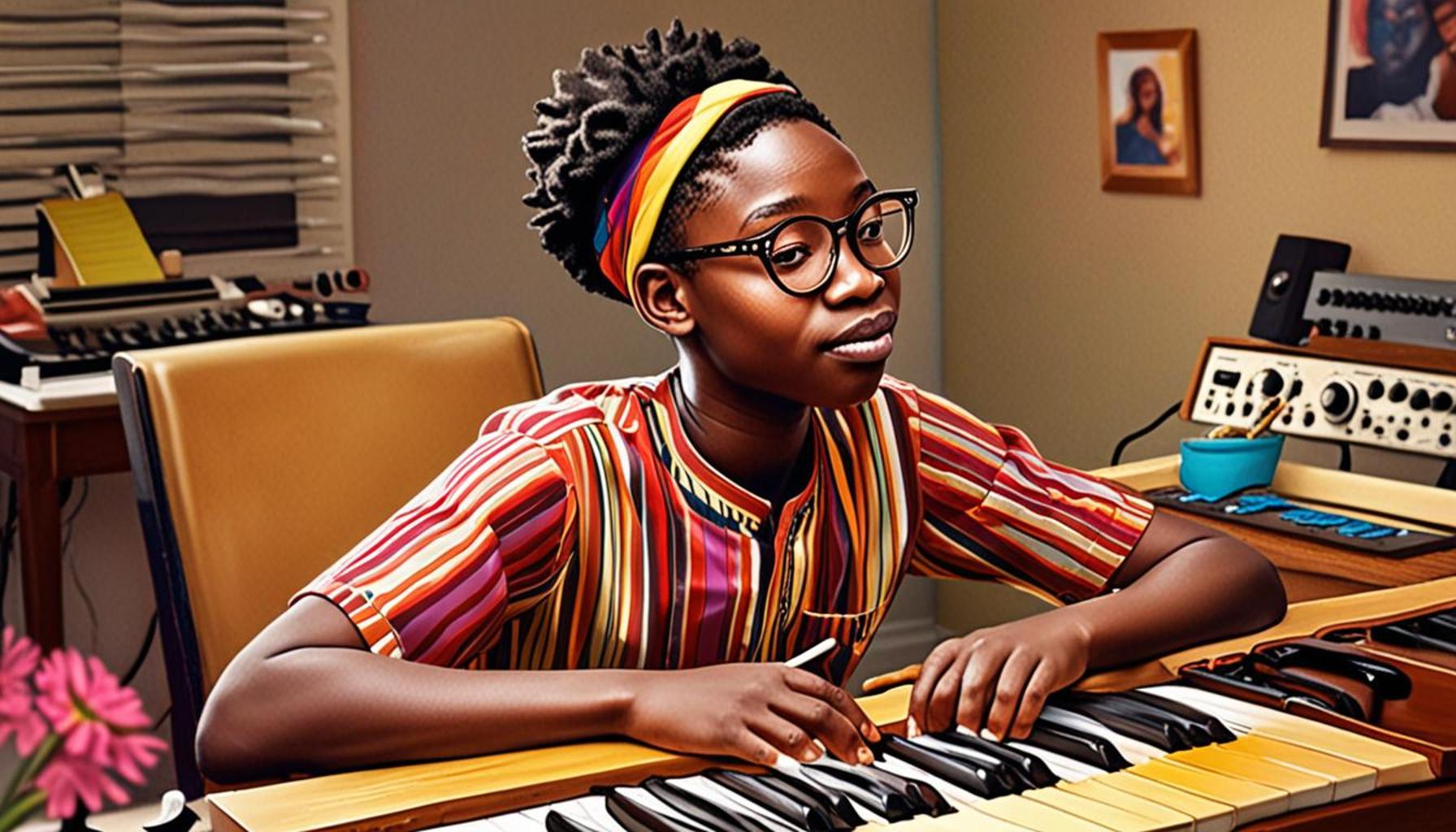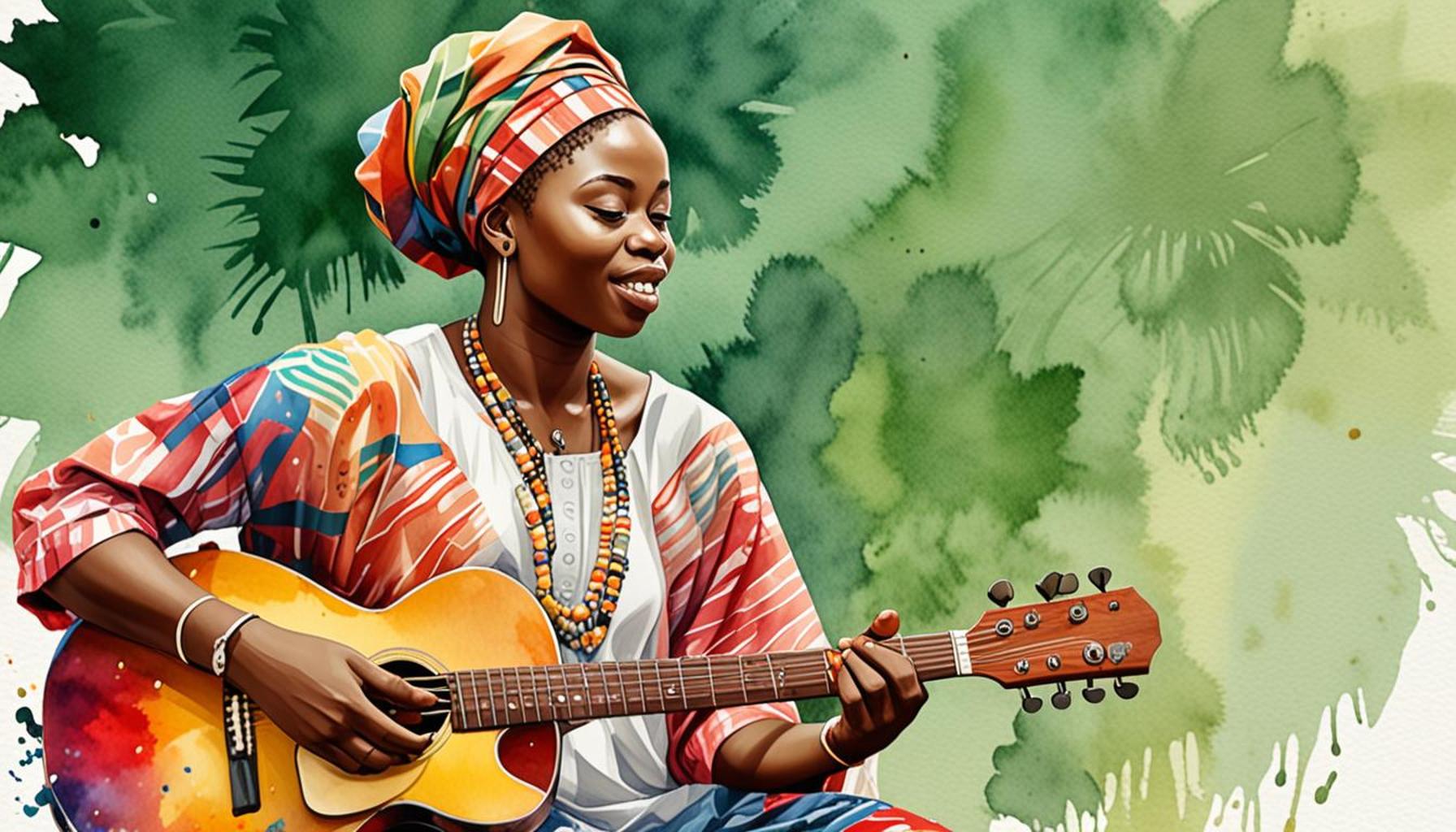
The Influence of Technology on Music Creation: Digital Tools for Emerging Composers in Nigeria
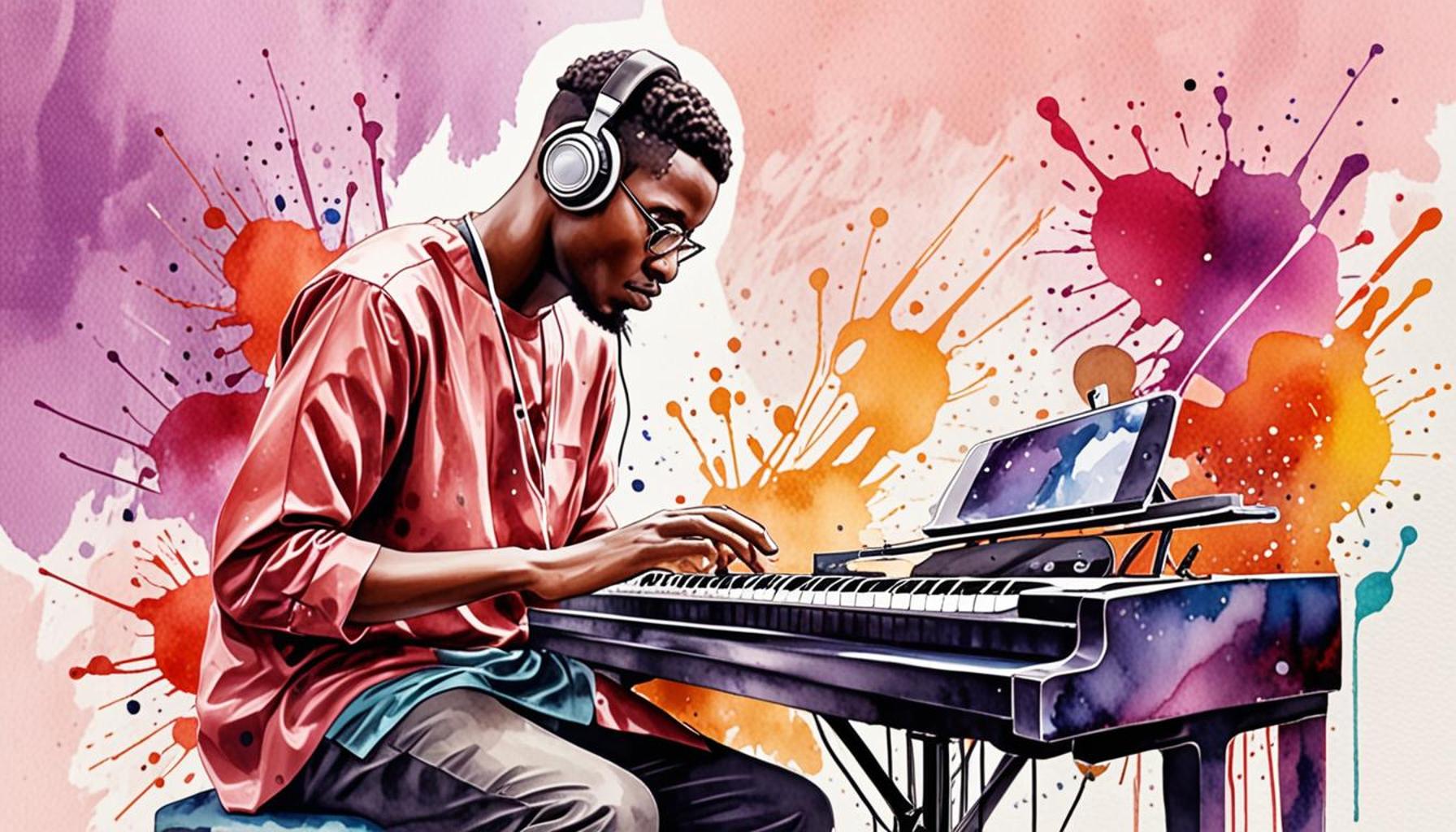
Exploring the Impact of Digital Transformation in Nigerian Music
In the contemporary music scene, the impact of technology on composition and distribution has brought a significant shift for artists, particularly in Nigeria. Once constrained by limited resources and traditional methods, emerging Nigerian musicians are now navigating a vibrant landscape charged by digital tools. This transformation empowers them to explore innovative soundscapes while preserving the rich cultural essence of their genres. The blending of cultural heritage and modern music techniques results in a remarkable fusion that appeals to local and global audiences alike.
At the heart of this revolution are various digital tools that are transforming the way music is created and shared. For instance, Digital Audio Workstations (DAWs) such as FL Studio and Ableton Live allow budding producers to craft polished tracks from their own residences. Notably, these platforms offer extensive libraries of samples and plugins that enable artists to experiment with different sounds, making high-quality production accessible regardless of location.
Moreover, mobile apps, including GarageBand and Splice, play a pivotal role in bridging the gap between inspiration and creation. Imagine a talented musician riding the Lagos BRT, penning lyrics and laying down a melody on their smartphone—this versatility fosters creativity in ways that traditional methods could not. Such apps democratize music production, encouraging even those with minimal formal music training to become creators.
The potential for social media platforms like Instagram and YouTube cannot be overstated. These spaces offer musicians a powerful stage to showcase their art and connect directly with fans around the globe. For instance, emerging stars like Omah Lay and Tems have utilized platforms such as TikTok to introduce snippets of their work, which can turn into viral hits overnight. Social media also facilitates collaborations that merge distinct sounds, enabling artists to broaden their artistic horizons and gain international traction.
This digital transformation is especially poignant in Nigeria’s thriving musical genres like Afrobeat, Highlife, and Afropop. Artists are increasingly blending traditional rhythms with global influences, resulting in sounds that resonate with diverse audiences, transcending geographical boundaries. An example can be found in the collaborative work of artists like Burna Boy, who seamlessly incorporates elements of dancehall, reggae, and traditional Nigerian rhythms in his music.
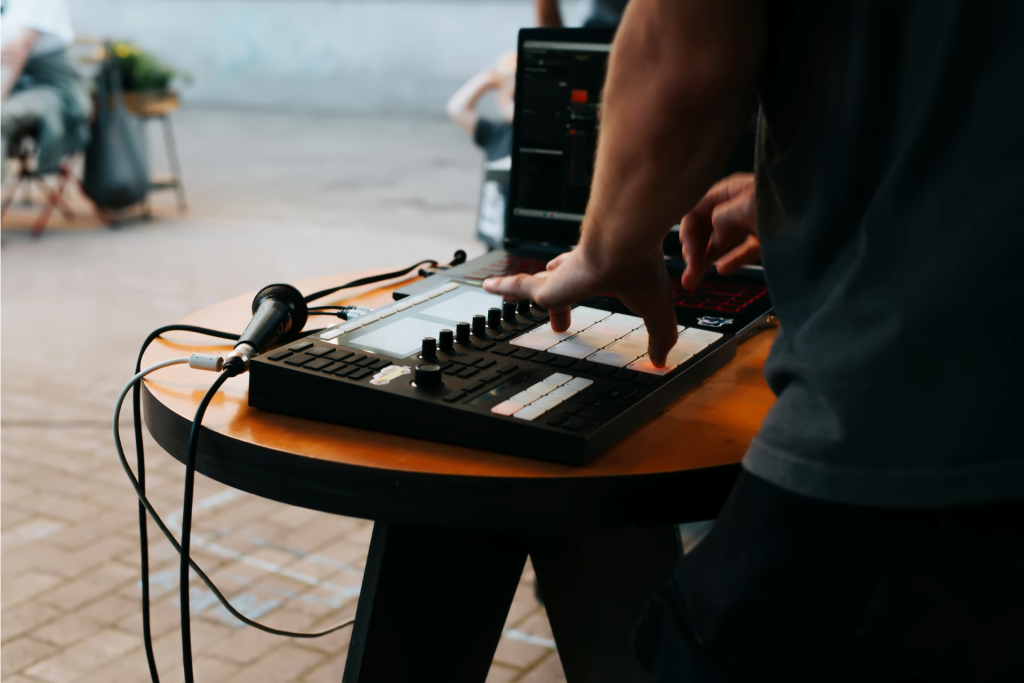
As we look towards the future, the evolving relationship between technology and creativity raises important questions. How will these digital tools continue to redefine the music landscape in Nigeria? Will they enable emerging talents to secure their place in an industry that is often dominated by a few? The exploration of these dynamics reveals both immense opportunities and unforeseen challenges, reflecting a continuously evolving musical ecosystem. As these artists embrace innovation while honoring their roots, the potential for groundbreaking music is limitless, promising an exciting era for Nigerian sound.
SEE ALSO: Click here to read another article
Transformative Digital Tools Empowering Nigerian Composers
As technology continues to evolve, it is altering the music creation landscape for emerging composers in Nigeria. With the availability of various digital tools, innovative approaches to music production have become more within reach for both seasoned and novice artists. These tools are not just pieces of software or hardware; they represent a paradigm shift that empowers artists to bring their visions to life in unprecedented ways.
Digital Audio Workstations (DAWs) have become the cornerstone for music production in Nigeria today. Unlike traditional recording methods that often required a full studio setup and significant financial investment, DAWs like FL Studio, Ableton Live, and Logic Pro allow artists to produce high-quality tracks right from their homes or on-the-go. These platforms come equipped with an extensive array of virtual instruments and sound libraries that encourage experimentation. This democratization of music production means that even a young composer from a small town can create a track that rivals the quality of a studio-produced piece.
Moreover, the rise of music production apps has further supplemented this trend. Applications like GarageBand and Splice enable artists to create and edit music directly on their smartphones or tablets. This newfound mobility is particularly significant in Nigeria, where long commutes and daily routines sometimes inhibit creative expression. With just a few taps on a mobile device, musicians can jot down a melody, edit sound bites, or collaborate with others across towns or cities, effectively turning any location into a studio.
To fully grasp the profound impact of technology on music composition, it is essential to recognize the methods and tools currently available to emerging composers. Here’s a closer look at some of the key digital tools revolutionizing music creation in Nigeria:
- Digital Audio Workstations (DAWs): Complex software that allows musicians to record, edit, and mix audio. Examples include FL Studio, Ableton Live, and Pro Tools.
- Mobile Music Apps: Tools like GarageBand and Splice enable on-the-go music making, making it easy for artists to capture inspiration whenever it strikes.
- Sound Libraries: Resources that provide an array of instrumental, vocal, and environmental sounds for artists to incorporate into their work, enriching the final product.
- Collaboration Platforms: Online tools that facilitate collaboration between artists, fostering partnerships that transcend geographic limitations and enhance artistic expression.
As emerging artists harness these digital tools, the potential for creative collaboration and innovation expands exponentially. Opportunities previously closed off due to geographic constraints or economic barriers are now opening up, allowing artists from various backgrounds to engage and thrive. The implications for the Nigerian music industry are significant as it positions itself on the global stage, inviting a fresh wave of sounds and artistic expressions. The trajectory suggests a future rich with possibilities, as each byte and beat redefines what music can be in an increasingly interconnected world.
| Advantage | Details |
|---|---|
| Accessibility of Tools | Digital tools allow emerging composers in Nigeria to access high-quality music production software at little to no cost. This democratization of technology eliminates financial barriers. |
| Collaboration Opportunities | Online platforms facilitate collaboration between musicians across diverse backgrounds, enhancing creativity and broadening the reach of Nigerian music. |
The digital transformation of the music industry in Nigeria presents a multitude of opportunities for emerging composers. Firstly, the accessibility of digital tools enables artists to explore their creative potentials without the looming threat of financial constraints. Software such as GarageBand and FL Studio are often readily available and user-friendly, offering comprehensive features that were once exclusive to expensive studio sessions. Furthermore, the aspect of collaboration has transcended geographical borders through technology. Platforms like SoundCloud and BandLab allow artists to share their work and engage with peers, thus fostering an ecosystem of innovation. This unique interactive environment encourages the blending of genres and ideas, pushing the boundaries of traditional music and cultivating a distinctive sound that resonates with a global audience. As emerging composers navigate this vibrant landscape, the combination of accessible tools and collaborative networks lays the foundation for a flourishing music scene in Nigeria.
ADDITIONAL INSIGHTS: Expand your understanding here
Fostering Collaboration and Community through Digital Platforms
The influence of technology in music creation extends beyond the mere tools of production; it also encompasses the platforms that facilitate collaboration, connecting emerging composers with one another and with established artists across Nigeria and beyond. Social media, file-sharing services, and dedicated music collaboration platforms have transformed how artists network and share their work, creating an environment rich with opportunity.
Leading the charge in this digital revolution are collaborative platforms such as Soundtrap and BandLab. These online environments allow musicians to produce music together from different locations, regardless of the distance between them. For a composer based in Lagos, collaboration with an artist in Enugu has never been easier. Such platforms not only encourage the merging of diverse musical influences but also empower artists to experiment with various genres—think Afrobeats meeting electronic, or traditional folk merging with hip-hop. These cross-pollinations can lead to entirely new genres and sounds that reflect the ever-evolving cultural landscape of Nigeria.
The role of social media cannot be underestimated, as it serves as a vibrant hub for the music community. Platforms such as Instagram, Twitter, and TikTok empower artists to showcase their work, gain followers, and engage with audiences in real-time. Many Nigerian artists are now using these platforms to push their musical creations, often going viral and gaining significant recognition overnight. For instance, tracks developed using DAWs and mobile apps are frequently shared on TikTok, spurring challenges and trends that contribute to the song’s popularity, which can boost an emerging artist’s career exponentially.
To bolster this wave of creativity, organizations and initiatives are beginning to leverage technology to provide resources for emerging musicians. For instance, workshops and tutorials hosted online give budding composers knowledge on utilizing digital tools effectively. Platforms like YouTube have become invaluable resources, with countless channels dedicated to teaching everything from mixing techniques to sound design. The increasing availability of online learning is dismantling educational barriers, allowing more musicians to gain the skills needed to navigate the complexity of modern music production.
Importantly, the integration of technology into the music creation process is making it easier for artists to monetize their work. Streaming platforms like Spotify, Apple Music, and Boomplay have revolutionized music distribution, providing artists with avenues to reach global audiences while generating income. As these services continue to expand in Nigeria, emerging composers are finding that their works can achieve broader exposure and financial sustainability without relying on traditional record label structures.
In essence, technology is both a tool and a connector. The advancements in digital tools for music creation not only inspire innovation but also enhance community engagement among Nigerian artists. This collaborative spirit is fueling a new era of creativity, where music transcends borders and cultures, reflecting a vibrant tapestry of sounds that is uniquely Nigerian yet globally relevant. As emerging composers continue to embrace these digital advancements, the future of Nigerian music creation looks promising and invigorating, paving the way for a rich and diverse musical heritage.
CHECK OUT: Click here to explore more
Conclusion
The influence of technology on music creation in Nigeria has sparked an era of unprecedented innovation and collaboration among emerging composers. Digital tools and platforms have not only democratized music production, enabling individuals from varied backgrounds to express their artistry, but they have also fostered an interconnected musical community that transcends geographical boundaries. As new genres emerge from the creative interplay of Afrobeats, folk, and electronic music, audiences are treated to a diverse soundscape that reflects both local and global influences.
Furthermore, the accessibility of resources through online learning and collaboration platforms empowers budding artists to refine their skills and grow their networks. This shift not only boosts individual careers but also contributes to the rich tapestry of Nigerian music as a whole. With opportunities for monetization through streaming services, emerging composers can sustain their art while reaching expansive audiences, an achievement that was difficult to imagine just a decade ago.
As we look to the future, it is clear that the role of technology in music creation will only continue to expand. Emerging composers in Nigeria must remain curious and adaptable, embracing new tools and trends that will further enhance their creative expressions. The potential for growth and innovation in this vibrant music scene is limitless, making Nigeria a burgeoning epicenter for musical creativity on the international stage. In harnessing these technological advancements, the next generation of Nigerian artists is poised to not only influence their local culture but also captivate global audiences, solidifying their place in the ever-evolving world of music.