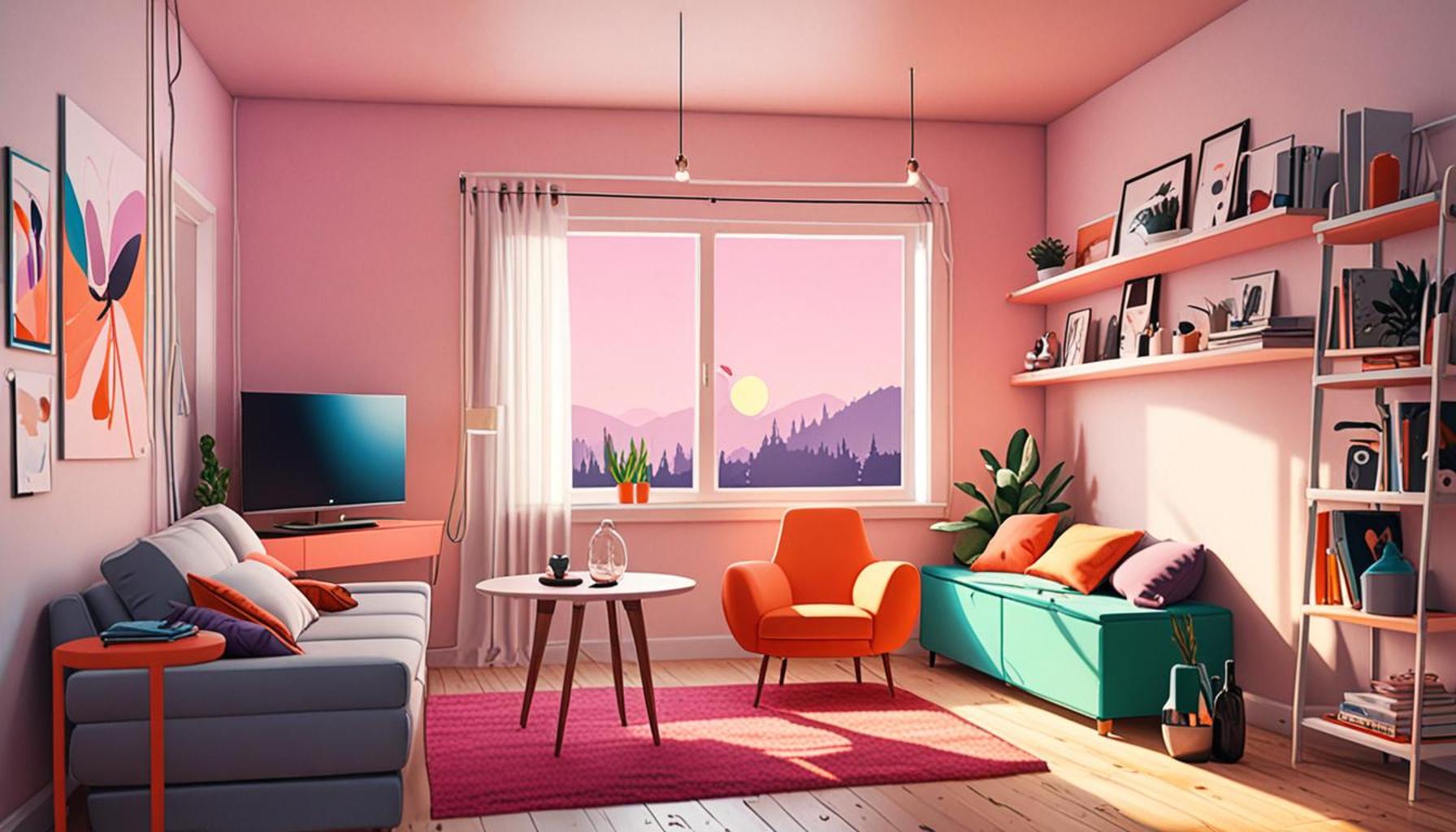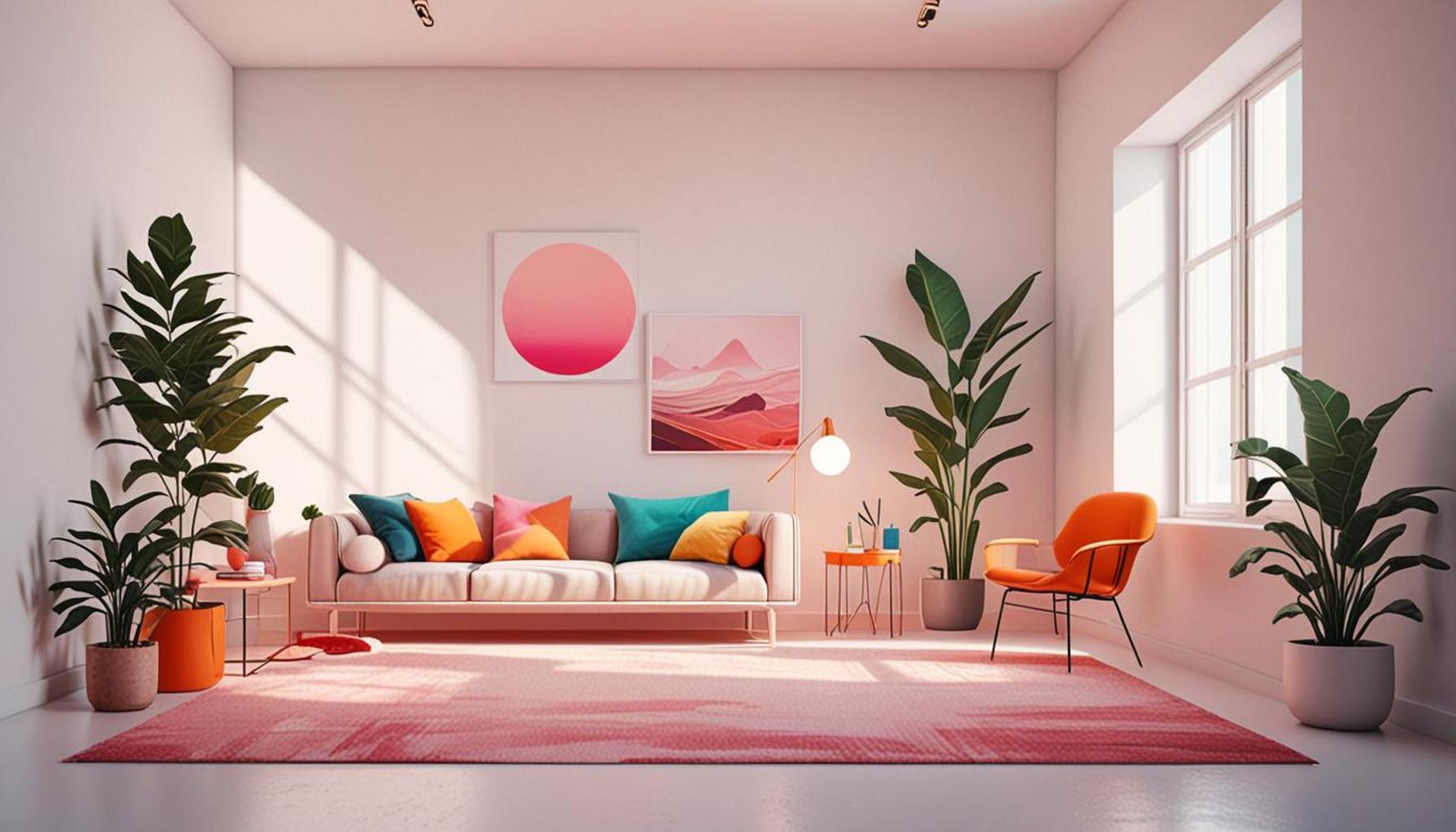
How intentional design can inspire the creation of daily rituals in minimalist environments

Exploring the Depths of Minimalist Living
The essence of minimalist living lies in its capacity to foster clarity and focus. Intentional design plays a pivotal role in this journey, shaping not only spaces but also the daily rituals that emerge within them. By embracing simplicity, individuals can cultivate meaningful habits that resonate with their lifestyle, allowing them to thrive amid the chaos of modern life.
Consider the following aspects of intentional design:
- Clutter-Free Spaces: Reducing excess allows for a clearer mind. Studies have shown that a cluttered environment can lead to increased stress and anxiety. In contrast, a decluttered home enables better concentration and promotes a sense of peace. For instance, adopting the KonMari Method, developed by Marie Kondo, encourages individuals to keep only those items that “spark joy,” thereby establishing a sacred sanctuary conducive for relaxation and productivity.
- Functional Furniture: Multi-purpose items support routines seamlessly. Investing in furniture that serves multiple functions can maximize space and minimize waste. For example, a stylish sofa bed can transform a living room into an inviting guest room, facilitating both social gatherings and restful nights without compromising on aesthetics or functionality.
- Natural Light: Enhancing well-being through illumination creates inviting atmospheres. Properly positioned windows and open layouts can invite an abundance of natural light, which not only boosts mood but also diminishes the need for artificial lighting. Many studies indicate that exposure to natural light can enhance productivity and improve sleep patterns, emphasizing its importance in well-designed spaces.
In a world filled with distractions, minimalism stands as a beacon of tranquility, guiding us toward a structured approach to our daily lives. Establishing rituals becomes a powerful means of connection—to ourselves and our surroundings. Whether it’s morning meditation or evening reflection, every act carries the potential to transform our day. For example, dedicating just ten minutes each morning for yoga can significantly enhance both physical health and mental clarity, illustrating how small changes can lead to substantial benefits.
As you delve deeper, explore how thoughtful design can intersect with mindful practices, inspiring a fulfilling daily rhythm. The synergy between a well-designed environment and intentional habits may just be the key to living with purpose. If you’re intrigued, consider researching local workshops on minimalism or reading books such as “The Life-Changing Magic of Tidying Up” or “Essentialism” by Greg McKeown. These resources can offer valuable insights and practical techniques to seamlessly integrate minimalist principles into everyday life.
The Art of Daily Rituals in Simplified Spaces
In exploring how intentional design supports daily rituals in minimalist environments, we uncover the delicate balance between simplicity and functionality. Rituals, from the mundane to the meaningful, can transform the ordinary into extraordinary experiences. By designing our spaces with purpose, we become more aware of our habits, making way for a lifestyle grounded in intention.
One of the most compelling aspects of intentional design is its capability to create atmospheres that are not just visually appealing but conducive to routine and mindfulness. Below are key elements that can play a significant role in inspiring daily rituals:
- Element of Nature: Integrating natural elements can transform a space into a sanctuary. Incorporating plants, natural wood textures, or stones not only beautifies an area but promotes tranquility and mindfulness. Studies have indicated that contact with nature can lower stress levels and enhance overall well-being. Creating a designated space for plant care or outdoor meditation can become a sacred part of one’s daily ritual.
- Zen Zones: Establishing specific areas in the home dedicated to particular activities can promote focus. For instance, a reading nook designed with comfortable seating and soft lighting can encourage daily reading or reflection. By delineating spaces for different rituals—increasingly common among minimalist advocates—individuals find themselves more motivated to engage intentionally with each practice.
- Mindful Color Schemes: The psychology of color is a potent tool in creating an intentional atmosphere. Soft, muted palettes are known to inspire serenity and calm. An environment painted in light blues or gentle creams can serve as a backdrop for evening relaxation rituals or morning mindfulness practices, encouraging individuals to cultivate inner peace.
Furthermore, the notion of integrating technology with intention cannot be overlooked. A minimalist approach encourages using technology that enhances rather than detracts from our routines. Tools such as digital planners that reduce physical clutter and foster organization support individuals in establishing structured daily rituals. For example, utilizing smartphone applications designed for meditation reminders or habit tracking can seamlessly blend into the minimal aesthetic while nurturing the practice of mindfulness.
As individuals start to align their spaces with their lifestyles, they may find that even the simplest rituals, like morning coffee or evening journaling, become more profound. This intentionality transforms mundane tasks into cherished moments of reflection. By embracing these practices within thoughtfully designed spaces, one not only enhances personal fulfillment but also lays the foundation for a life led by purpose and clarity.
Overall, the fusion of intentional design and daily rituals within minimalist environments highlights the potential for self-discovery and growth. The acts of slowing down and consciously engaging with our surroundings can lead to greater fulfillment and a meaningful connection to the world around us.
Creating Daily Rituals through Intentional Design
In minimalist environments, intentional design serves as a powerful catalyst for establishing daily rituals that can significantly enhance well-being. The key lies in the thoughtfulness of space; every item, be it a piece of furniture or an accessory, should not only serve a purpose but also evoke a sense of calm and harmony. By focusing on simplicity and functionality, individuals can cultivate routines that promote mindfulness and enhance their quality of life.
For instance, a small meditation corner adorned with a comfortable cushion, minimal decor, and soft lighting fosters a serene atmosphere that encourages daily meditation practices. Such spaces invite individuals to engage in reflective rituals, allowing them to pause and center themselves amidst a hectic day.
Moreover, intentional design can facilitate the integration of nature into one’s daily routine. Incorporating natural elements, such as houseplants or natural light, not only purifies the air but also brings the outside in, creating a harmonious environment that uplifts the spirit. This connection to nature can inspire rituals centered around wellness, such as morning stretching or evening relaxation, further rooting individuals in their daily practices.
Another aspect of minimalist design is the emphasis on organization. A tidy, uncluttered space enables individuals to establish clearer mental pathways, making it easier to implement and sustain daily rituals. For instance, a dedicated workspace that is devoid of distractions allows for enhanced focus and fosters productivity, encouraging individuals to develop work-related habits reflective of their values.
Ultimately, how intentional design can inspire the creation of daily rituals lies in its ability to transform ordinary interactions into enriching experiences. By mindfully designing spaces that resonate with personal values, individuals can elevate their daily lives, making every moment intentional and meaningful.
| Category 1 | Category 2 |
|---|---|
| Mindful Spaces | Encourages meditation and reflection. |
| Natural Integration | Promotes wellness rituals with nature. |
As spaces become more intentional, the embrace of simple and functional design allows individuals to reclaim their time and create rituals that nourish both mind and body.
Creating Connection through Design
The interplay of intentional design and minimalist environments cultivates an authentic sense of connection—not only with ourselves but also with others and our surroundings. This forging of connections through design can intrinsically inspire daily rituals that resonate deeply within individuals. Below, we explore further elements that underscore this relationship:
- Purposeful Arrangement: The layout of a space profoundly impacts daily habits. Intentional design emphasizes the importance of spatial harmony, where furniture and objects are deliberately placed to encourage interaction and movement. For example, a long dining table might prompt family gatherings or shared meals, fostering moments of connection. A thoughtfully arranged workspace that minimizes distractions enables a focus on productivity, seamlessly integrating work into daily rituals.
- Textural Variety: Texture plays a pivotal role in creating sensory experiences within minimalist spaces. Soft fabrics such as cushions or throws invite comfort during rituals like reading or meditating, while natural, rough surfaces evoke a sense of grounding and presence. The tactile experience enhances the feeling of connection to an environment, helping individuals to fully immerse themselves in their rituals, whether it’s unwinding at the end of the day or enjoying a mindful meal.
- Simplified Ritual Tools: Intentional design often involves the consideration of ritual tools that are both functional and aesthetically pleasing. For instance, artisanal pottery for morning coffee or hand-crafted journals for writing can elevate these practices from routine tasks to cherished moments of self-care. Choosing objects with intention not only reduces clutter but reinforces the meaning of each ritual, bringing joy and mindfulness to daily interactions with our spaces.
Moreover, intentional design encourages the establishment of community rituals. Consider the rising popularity of communal spaces in urban residences designed for interaction—these invite neighbors to connect, share meals, or participate in group activities. Such designs inspire collective rituals that can strengthen social bonds, emphasizing that minimalism is not solely about isolation, but rather the enhancement of human connection through simplicity.
As the trend towards minimalism continues to grow, so does the exploration of the role that technology can play. Minimalist design pairs well with smart home technology, allowing for customizable environments. Homeowners can program lighting to shift as the day progresses, enhancing evening rituals of relaxation and unwinding. For example, dimming lights during a nightly reading session can create a cozy ambiance that meticulously transforms the atmosphere, turning a simple act into a cherished end-of-day ritual.
Additionally, the concept of interior transparency in minimalist design often encourages the use of large windows that frame outdoor views or allow ample natural light. This fosters not only a feeling of connection to the external environment but also inspires rituals linked to nature, such as morning stretches by a sunlit window or evening relaxation with the backdrop of a sunset. Individuals engaging with their environment in this manner cultivate a holistic approach to daily rituals that harmonize with their surroundings.
In the mix of thoughtful design choices and mindful living, the potential for creating rituals expands remarkably. As individuals explore and embrace these elements, they find ways to embed moments of intentionality and purpose into their everyday lives, allowing simplicity to guide deeper connections with themselves and the world around them.
Embracing Intentional Design for Meaningful Rituals
As we navigate the complexities of modern life, the integration of intentional design in minimalist environments emerges as a powerful tool to foster daily rituals that enhance our well-being. By focusing on elements such as purposeful arrangement, textural variety, and simplified ritual tools, individuals are empowered to create spaces that not only reflect their personal aesthetic but also deepen their connections with themselves and others. This unique approach transforms simple, mundane tasks into enriching experiences, turning a morning coffee or an evening meditation into moments of mindfulness and intention.
Moreover, the rising trend of communal spaces and the adaptation of smart technology within minimalist design amplify the potential for community rituals and individualized practices. This combination not only encourages social interaction but also offers ways to cultivate a sense of belonging within the wider community. As technology evolves, it serves to support rather than detract from intentional living, enhancing the quality of our daily engagements.
Ultimately, embracing intentional design in minimalist environments allows individuals to strip away clutter—both physical and mental—enabling them to focus on what truly matters. By nurturing rituals that resonate with our values and surroundings, we embark on a journey toward deeper fulfillment. The delicate balance of simplicity and intention paves the way for a lifestyle rich in meaning, encouraging a harmonious relationship with our spaces and the world around us. In this ever-evolving landscape, it is clear that the art of intentional design can inspire not just routines, but a profound transformation in how we live each day.