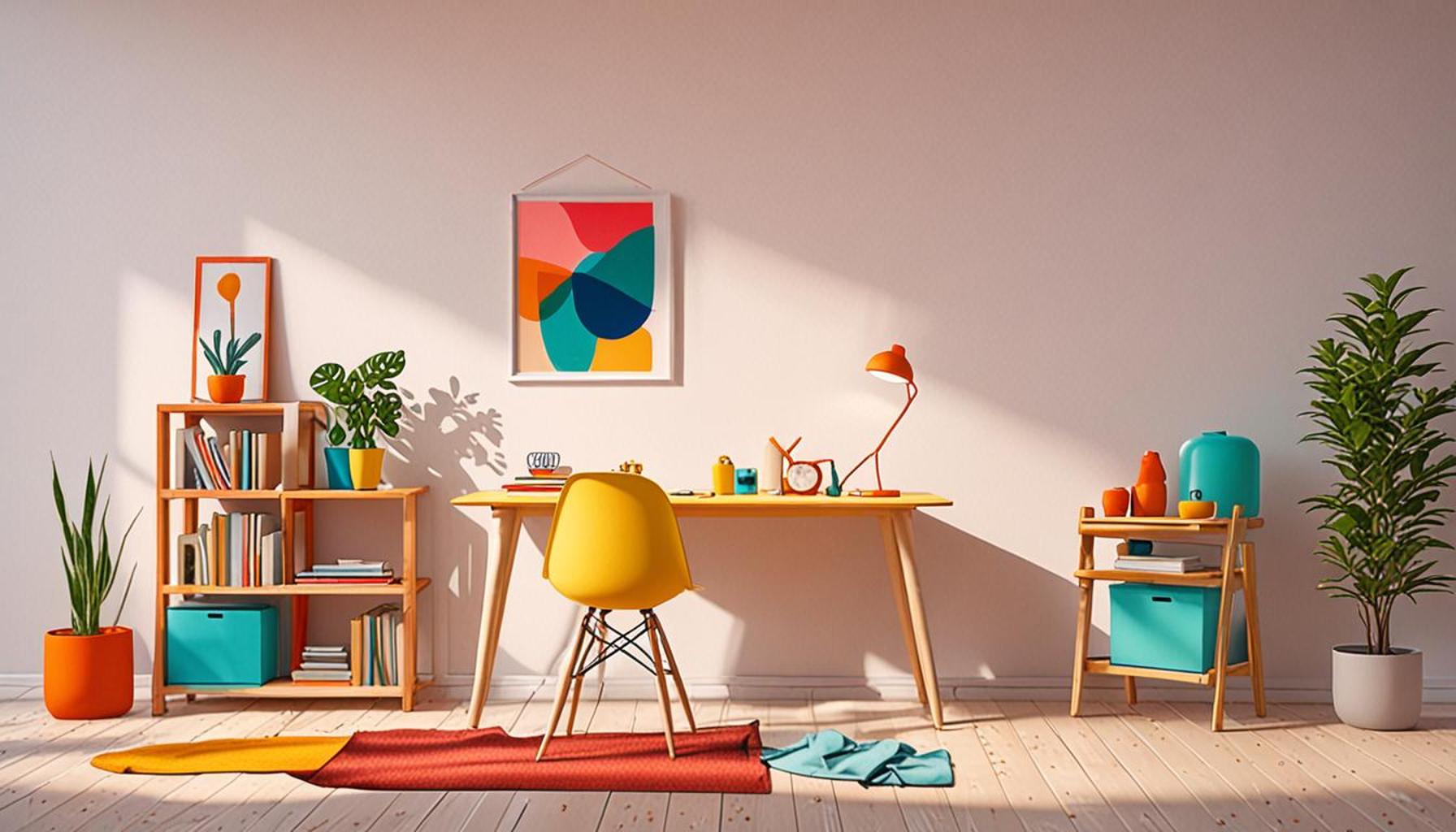
How intentional design can facilitate the transition to a minimalist lifestyle
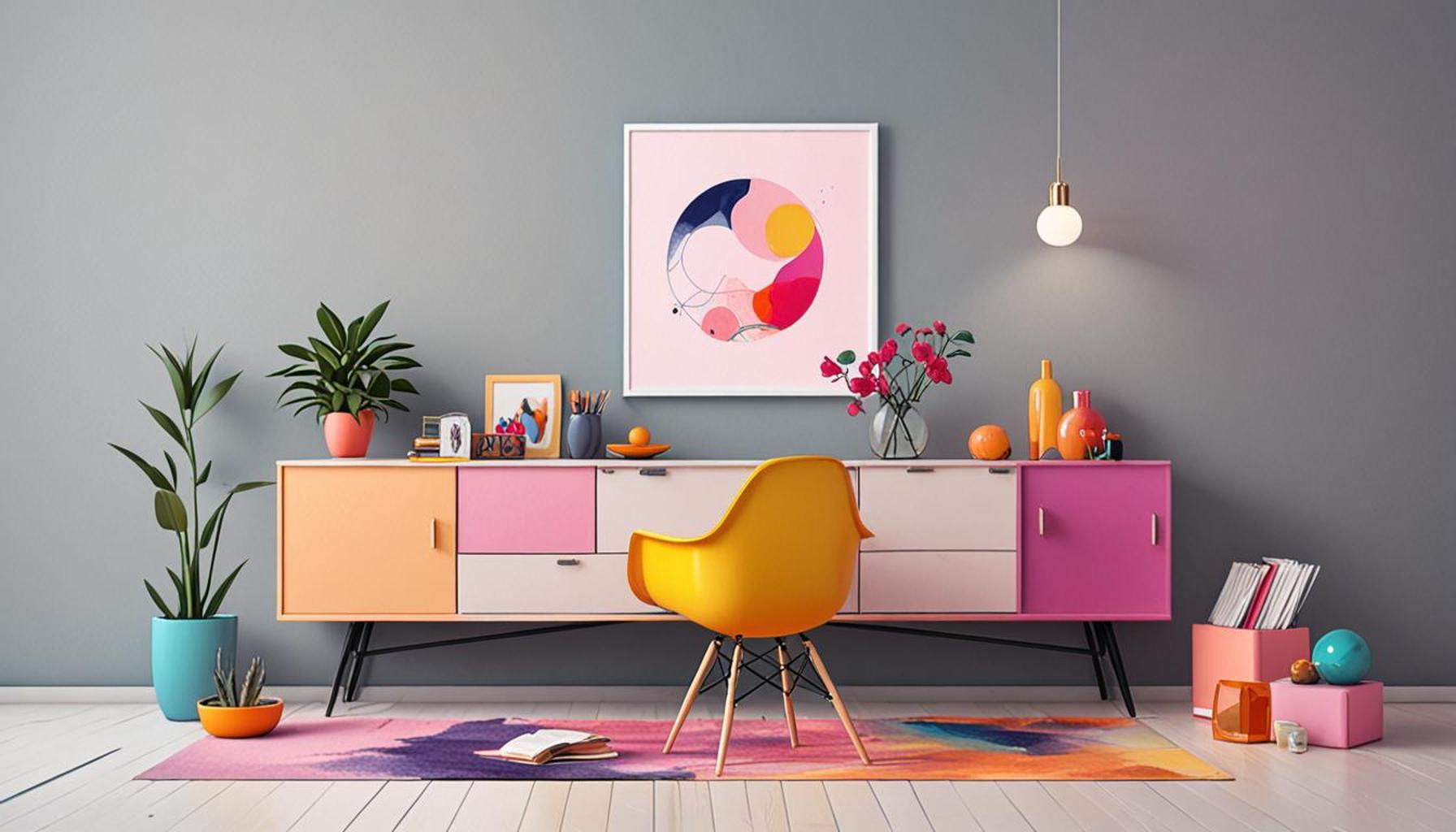
The Transformative Effects of Intentional Design
In a world overflowing with distractions and excess, the pursuit of a minimalist lifestyle has captured the interest of many. Intentional design serves as a pivotal element in this transformative journey, guiding individuals to lead more purposeful lives. The principles of intentional design can be seamlessly woven into the fabric of everyday life, creating spaces and environments that nurture well-being and mindfulness.
At the forefront of intentional design is the concept of functionality. This principle emphasizes that every item or space should contribute positively to daily activities. For example, consider a kitchen where each tool and appliance serves a distinct purpose, eliminating the need for duplicate items. By keeping only what is necessary, such as a set of high-quality knives instead of a bulky block of various lesser knives, you not only save space but also enhance your cooking experience. This pragmatic approach can be applied throughout the home, encouraging individuals to assess their belongings by asking, “Does this serve a purpose?”
Another vital aspect of intentional design is the pursuit of aesthetics. By focusing on simplicity and beauty, individuals can create environments that inspire creativity and joy. For instance, an open living room adorned with a few meaningful art pieces and soft, neutral colors can foster a tranquil atmosphere. The contrast between clutter and spaciousness can significantly affect mood and mental clarity. Natural light, carefully chosen color palettes, and strategically placed decor can transform a dull space into a calming retreat.
In addition to functionality and aesthetics, mindfulness plays a crucial role in intentional design. Creating a space that encourages reflection and calm is essential in our increasingly chaotic lives. For instance, a meditation corner equipped with a comfortable cushion, soothing scents, and soft lighting can provide a sanctuary for personal introspection. Such dedicated spaces remind us to pause and engage with our thoughts, leading to deeper self-awareness.
The rise of the minimalist movement in the U.S.—evident in trends like tiny homes and decluttering challenges such as the Marie Kondo method—further underscores the importance of intentional design. This approach not only reshapes physical spaces but also influences mental clarity. By evaluating what you truly need, you can identify unnecessary clutter, paving the way for a more fulfilling and intentional existence.
Exploring how to blend elements of intentional design with minimalist principles can enrich your life. By embracing these strategies, you can make informed choices that resonate with your values while promoting a tranquil and organized living space. Ultimately, intentional design empowers individuals to curate their environments thoughtfully, allowing them to thrive in a world that often encourages excess.
DIVE DEEPER: Click here to discover more
Creating Purposeful Spaces Through Intentional Design
To achieve a minimalist lifestyle, one must first consciously evaluate the spaces they occupy. Intentional design is about more than just aesthetics; it is a philosophy that prioritizes meaningful choices in every aspect of life. By cultivating spaces that are not only functional but also inspiring, individuals can streamline their environments to promote peace and efficiency. This approach invites you to consider how your physical surroundings influence emotional and mental states, setting the stage for a fulfilling minimalist journey.
One effective strategy in intentional design is to implement the principle of decluttering in a systematic manner. Begin by identifying what is essential in each room. Here are some practical steps to initiate this process:
- Assess Your Belongings: Take inventory of items in each space. Make three piles: keep, donate/sell, and discard. Be ruthless in your selections—only retain what serves a functional or emotional purpose.
- Create Zones: Designate specific areas for different activities. For instance, a workspace should reflect functionality, with minimal distractions around. Zones help keep clutter at bay by providing a home for every item.
- Embrace Multi-Functional Furniture: In small living areas, opt for furniture that serves more than one purpose, such as a coffee table that doubles as storage. This reduces the number of items required while enhancing practicality.
Another aspect to consider is color psychology. The colors around us influence our emotions and can have a significant impact on our mental well-being. Soft, muted tones can evoke tranquility, while brighter shades may stimulate creativity. For example, a calm blue might be perfect for a serene bedroom, while a vibrant yellow could energize a home office. By purposefully choosing color palettes that align with your desired moods, you can curate an environment that bolsters your minimalist lifestyle.
Moreover, the role of natural elements in intentional design cannot be overstated. Incorporating plants, natural light, and organic materials enhances both the aesthetic and the health of the living space. Research indicates that exposure to nature can decrease stress and improve overall wellness. Simple additions such as potted plants or utilizing large windows for sunlight can help foster a connection to the outdoors, encouraging mindfulness and contentment within your home.
As you embark on your minimalist journey, remember that intentional design is a continuous process, rather than a one-time event. Regularly revisiting your spaces, reassessing belongings, and maintaining thoughtful organization will ensure that your environment continues to support your aspirations for a simpler, more meaningful life. This iterative approach can be liberating, guiding you toward long-term harmony and satisfaction, which is the hallmark of a successful minimalist lifestyle.
Understanding the Role of Intentional Design in Minimalism
Intentional design plays a pivotal role in fostering a minimalist lifestyle by promoting simplicity and functionality. When individuals prioritize thoughtful design in their spaces and possessions, they create an environment conducive to serenity and focus. The essence of minimalism lies in eliminating the excess to uncover the true value of the essential. By consciously selecting items that are not only aesthetically pleasing but also serve a purpose, one can achieve both beauty and practicality.
Key Elements of Intentional Design
One fundamental aspect of intentional design is the concept of functional aesthetics. This refers to the balance between beauty and usability, ensuring that every item in a space is not only visually appealing but also fulfills a specific need. For instance, multifunctional furniture, like a sofa bed or a coffee table with storage, embodies this principle by maximizing utility while minimizing clutter.Moreover, intentional design encourages personalization within minimalism. Incorporating elements that reflect an individual’s identity—whether through color, texture, or form—can create a unique yet streamlined environment. This customization fosters a deeper connection to one’s space, reinforcing the idea that minimalism doesn’t equate to sterility; instead, it can be a celebration of one’s taste and lifestyle choices.
Integrating Nature with Minimalist Intentional Design
Another influential factor is the integration of nature into living spaces. Biophilic design—an approach that seeks to connect occupants more closely to nature—enhances the minimalist philosophy by promoting tranquility and well-being. Incorporating natural light, plants, and organic materials not only enhances air quality but also fosters a sense of peace, essential for a minimalist lifestyle.As one transitions into minimalism, the less cluttered a home is, the more inviting and nourishing it becomes. By focusing on intentional design, individuals can curate an atmosphere that eliminates distractions, ultimately leading to heightened focus and productivity.
| Advantages of Intentional Design | How It Aids Minimalism |
|---|---|
| Enhanced Clarity | Clear design principles lead to a clutter-free environment that encourages calmness. |
| Promotes Purpose | Each item serves a function, eliminating the superfluous and allowing for a more meaningful life. |
Through intentional design, the minimalist transition becomes not just a decluttering process but a thoughtful recalibration of living space, prioritizing clarity, functionality, and personal well-being. Each decision in design reinforces the philosophy of minimalism, transforming it from a trend into a sustainable lifestyle.
DISCOVER MORE: Click here to learn about intentional design
The Power of Intentional Design Principles
Beyond mere aesthetics, intentional design acts as a catalyst for creating functional, meaningful environments that nurture a minimalist lifestyle. By embracing specific design principles, individuals can enhance their living spaces while fostering a sense of calm and purpose. Often, the dichotomy of “form versus function” emerges, but intentional design bridges this gap by intertwining both aspects harmoniously.
One core principle is the concept of open space. Open floor plans can significantly influence how one experiences a home; they allow for greater flexibility and create an ambiance of openness and flow. In the United States, particularly in urban areas where space may be at a premium, this trend is soaring in popularity. By minimizing walls and barriers, residents can create a sense of expansiveness, which aligns beautifully with the minimalist philosophy of keeping things uncomplicated and airy. Implementing large furniture arrangements or using strategically placed rugs can define areas without hindering mobility or visual sightlines.
Furthermore, the integration of essentials over excess is paramount. This entails not just reducing the number of items but also considering the quality and significance of what one chooses to keep in their home. Investing in fewer, high-quality items that fulfill multiple functions can significantly enhance one’s living experience. For example, a beautifully designed chair might serve as both seating and a statement piece, engendering a sense of joy and satisfaction that cheap, replaceable pieces fail to invoke. Consumers are increasingly drawn to customizable and sustainable options that reflect their personal values and minimalism journey.
Another principle is biophilic design, which emphasizes human connections to nature. Consideration for natural patterns, materials, and light can enhance one’s well-being. In a country like the United States where indoor air quality often suffers due to pollutants, integrating biophilic elements—such as air-purifying plants, natural wood furnishings, and large windows—can make a significant difference. Studies have shown that even small changes like adding a few plants to one’s workspace can lead to increased productivity and overall happiness.
Moreover, mindful organization is essential in intentional design. This refers to methodically arranging items to facilitate ease of use and promote peacefulness. Implementing tools such as labeled bins, transparent storage solutions, or multi-tiered shelving can prevent clutter from resurfacing. Additionally, designers and minimalists alike recommend incorporating a “one in, one out” rule: every time something new enters a space, something else must exit. This principle ensures that the environment remains streamlined and curated, reflecting intentionality in every corner.
Finally, the role of lighting in intentional design should not be overlooked. Natural light promotes health and well-being while elevating mood and energy levels. Strategic placement of mirrors creates the illusion of spaciousness and reflects light throughout the room. On the flip side, layering artificial lighting through fixtures and ambient sources can enhance warmth and comfort during evenings, making spaces inviting while adhering to minimalist principles.
As you explore the facets of intentional design in your pursuit of a minimalist lifestyle, remember that these principles are adaptable and deeply personal. Each choice should resonate with your unique needs, aspirations, and values, ultimately transforming not just your living space, but your overall approach to life.
DISCOVER MORE: Click here to learn how intentional design can enhance your daily rituals</a
Conclusion
In the journey towards a minimalist lifestyle, intentional design serves as a vital compass, guiding individuals in creating spaces that prioritize meaning, functionality, and serenity. By embracing principles such as open space, essentials over excess, and biophilic design, one can transform their environment into an oasis of calm that echoes their values. As urban areas in the United States continue to grapple with space constraints, the demand for intentional designs that maximize efficiency without sacrificing aesthetics is poised to grow.
Moreover, the integration of mindful organization and effective lighting mechanisms amplifies the transformative power of intentional design. With simple strategies like the “one in, one out” rule and purposeful placement of natural light sources, individuals can cultivate an environment that not only looks beautiful but also fosters mental clarity and emotional well-being. As you consider these aspects, remember that intentional design is highly customizable—what resonates with you might differ from others. Personalization leads to a curated living space that significantly contributes to a minimalist lifestyle.
Ultimately, the path to minimalism is not merely about decluttering but embodying a holistic approach that emphasizes value and sustainability. As consumers increasingly seek products and designs that align with their commitment to minimalism, the design community must respond thoughtfully, continuing to innovate while respecting the core tenets of simplicity and intentionality. By understanding and implementing these principles, anyone can pave the way for a lifestyle that embraces clarity, purpose, and profound satisfaction in every intentional choice made.