The connection between intentional design and emotional well-being in minimalist environments
The Intersection of Design and Emotional Health
In an age where our lives are constantly bombarded with stimuli, the way we curate our environments has never been more crucial. Increasingly, the principles of minimalism have transcended mere aesthetic choices, evolving into powerful tools for enhancing mental health. By stripping away excess and embracing simplicity, we can create surroundings that not only reflect our personal style but also nurture our emotional well-being.
What lies at the heart of minimalist design? Several key characteristics distinguish minimalist spaces as sanctuaries for the mind:
- Clutter Reduction: Studies have shown that clutter can contribute significantly to stress and anxiety. A simplified space eliminates distractions, fostering a serene atmosphere that promotes relaxation and focus. For example, implementing storage solutions that conceal items can help maintain clean surfaces, directly impacting how we feel in our environment.
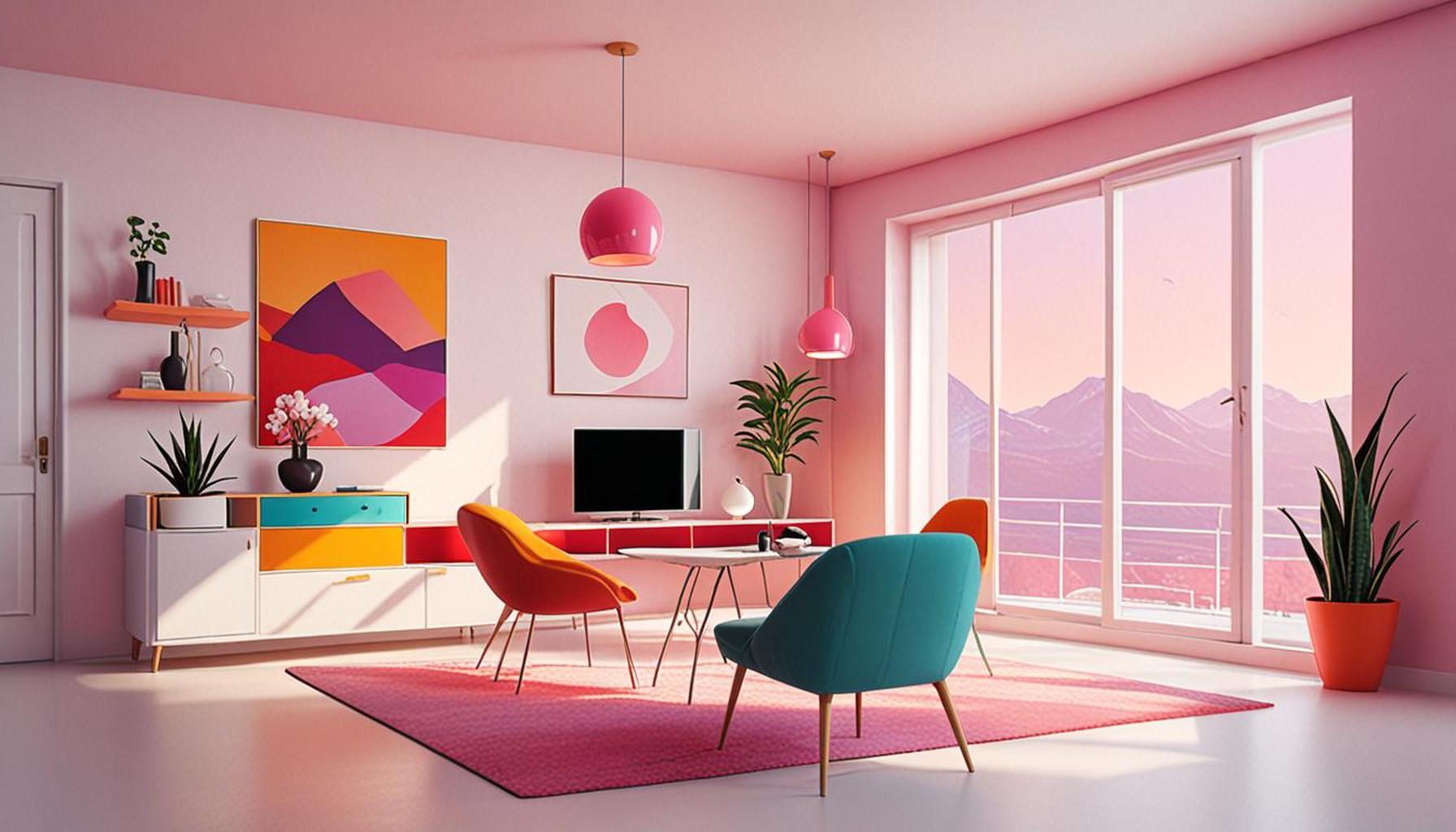
- Natural Light: The emphasis on maximizing daylight in open, airy designs is not merely an aesthetic choice. Sunlight is known to elevate mood and reduce symptoms of depression. Incorporating large windows or skylights can transform an environment into a bright haven, proving beneficial for mental clarity and vitality. In states with long winters, such as Minnesota, harnessing natural light can be a game-changer for emotional health.
- Purposeful Decor: In minimalist settings, each item typically serves a distinct purpose or holds emotional significance. This intentionality encourages a deeper connection to our environment, as every piece becomes a reflection of who we are. For instance, a single piece of art that resonates with an individual’s experiences can create a focal point that inspires happiness and contemplation.
Research underscores the significance of our surroundings on our emotional landscape. A well-designed space can evoke feelings of tranquility and inspire creativity, while chaotic environments can lead to feelings of unease. This is why understanding the interplay between intentional design and emotional well-being is crucial. Many psychologists advocate for the idea that a well-thought-out living space can significantly enhance one’s mental health.
As we journey deeper into the exploration of minimalism, we will delve into its profound psychological benefits. By integrating these principles into our daily lives, we can argue for a more fulfilling and emotionally balanced existence. A minimalist approach not only transforms our physical space but also acts as a catalyst for inner peace and well-being.
Stay tuned to learn how adopting minimalist design principles can enrich your life, offering you the opportunity to cultivate an environment that supports your mental health and overall happiness.
DISCOVER MORE: Click here to dive deeper
Understanding the Psychological Impact of Minimalist Design
The relationship between intentional design and emotional well-being is a nuanced exploration that continues to gain traction in both architectural and psychological circles. Modern psychology has shed light on how behavior is intrinsically linked to our physical spaces. Minimalist environments, characterized by simplicity and purposefulness, have been linked to a plethora of positive emotional outcomes—transforming once chaotic living conditions into sanctuaries of calm.
This connection can be understood through several pivotal aspects of minimalist living:
- Ergonomic Spaces: A key element of minimalist design is the emphasis on ergonomics; the principles that dictate how spaces are arranged for the best use. Well-designed ergonomic spaces not only promote physical comfort but also enhance mood and overall productivity. Research indicates that environments designed with the user’s comfort in mind can reduce stress levels significantly, allowing for greater emotional well-being.
- Color Psychology: The colors present in our surroundings can significantly influence our emotional states. Minimalist designs often incorporate soft, muted colors, which have been shown to evoke feelings of calmness and serenity. A study published in the journal Color Research and Application highlighted how hues such as blues and greens can lower heart rates and promote relaxation, while stark color contrasts associated with maximalist designs may increase tension or discomfort.
- Open Spaces: The spatial arrangement in minimalist settings often features open floor plans that foster fluid movement and interaction. This openness not only creates a sense of freedom but also encourages social interactions, which are vital for emotional health. Research indicates that well-spaced environments can enhance feelings of safety and comfort, making individuals more likely to engage meaningfully with their surroundings.
- Mindful Use of Space: Minimalism encourages not just a reduction of items but also a mindful selection of each element within a room. By surrounding ourselves only with what we truly need or love, we cultivate a sense of gratitude and satisfaction. This intentionality can foster a deeper emotional connection to one’s environment, leading to an enhanced sense of belonging and contentment.
Recognizing the profound implications of deliberate design choices helps in understanding how profoundly our environments can affect our emotional landscapes. As we begin to curate our spaces with intention, we not only enhance the physical aspect of our homes but foster emotional resilience and stability. Adopting minimalism goes beyond aesthetics—it becomes a conscious choice to prioritize our mental health amidst the chaos of modern life.
In the subsequent sections, we will further explore how these minimalist principles, when thoughtfully integrated into daily living, can not only redefine our spaces but also elevate our mental well-being. This journey is not merely about decluttering physical items but about creating environments that nurture the soul.
| Advantages | Details |
|---|---|
| Focus and Clarity | Intentional design in minimalist environments eliminates distractions, fostering mental clarity and improved focus. |
| Emotional Balance | Simplicity allows for an enhanced emotional state as individuals can cultivate a serene and calming atmosphere. |
| Sustainable Living | Minimalism promotes eco-friendly practices, leading to a sense of satisfaction and purpose. |
| Enhanced Well-being | Intentional designs encourage mindfulness and self-reflection, which are crucial for emotional well-being. |
The integration of intentional design into minimalist environments significantly influences emotional well-being, presenting a compelling link between our surroundings and mental health. Each advantage highlighted contributes to a deeper understanding of how curated spaces impact our daily lives. By filtering out excess and creating harmonious settings, individuals experience not only improved productivity but also a sense of balance and emotional richness. Exploring these benefits can inspire a shift towards a more intentional lifestyle, encouraging readers to rethink their spaces for enhanced emotional outcomes.
DIVE DEEPER: Click here to uncover more insights
The Role of Natural Elements in Minimalist Design
Beyond the strategic arrangement of space and use of color, the integration of natural elements in minimalist design can significantly enhance emotional well-being. The trend of bringing nature indoors, often referred to as biophilic design, recognizes that our connection to nature profoundly affects our mental health. In minimalist environments, the presence of plants, natural light, and organic materials is not merely aesthetic but serves to create a restorative ambiance.
- Indoor Plants: The addition of indoor plants is synonymous with minimalist decor. Studies have shown that plants can reduce stress and improve mood, making natural greens an integral part of emotional health in our homes. A study conducted by researchers at Washington State University found that being around plants can reduce feelings of anxiety and lead to a notable lift in mood. Furthermore, plants can enhance indoor air quality, contributing to clearer thinking and better mental clarity, which aligns perfectly with the minimalist philosophy of a clutter-free mind and space.
- Natural Light: The incorporation of natural light into design has been proven to elevate mood and overall well-being. Large windows and open layouts are hallmarks of minimalist design, allowing sunlight to permeate the space, which significantly affects circadian rhythms. According to research published in the Journal of Environmental Psychology, better exposure to daylight contributes to improved sleep quality and cognitive function, while insufficient natural light can lead to mood disorders such as Seasonal Affective Disorder (SAD). By creating environments that maximize light exposure, minimalist designs support emotional stability and enhance our daily functioning.
- Organic Materials: The textures and materials used in minimalist design further contribute to emotional well-being. Natural materials like wood, stone, and cotton not only convey simplicity but also promote a sense of warmth and comfort. Research suggests that environments featuring natural textures can evoke feelings of tranquility and relaxation. The tactile experience of these materials engages our senses, creating a tactile memory that enhances our interaction with the space, and aligns with the minimalist ethos of intentionality and purpose.
The psychological impact of these natural elements cannot be overstated. Integrating nature into minimalist spaces fosters an environment that is not only visually pleasing but also capable of promoting emotional healing and rejuvenation. This holistic approach to design recognizes that our well-being is intimately tied to the environments we inhabit. As minimalist design continues to evolve, the inclusion of natural elements stands as a critical consideration for those seeking emotional sanctuary amidst the chaos of contemporary life.
In the realm of intentional design, the principles of sustainability also emerge as vital contributors to emotional well-being. When spaces are thoughtfully designed with sustainability in mind, residents often feel a sense of purpose and responsibility towards their environment, leading to a more profound emotional connection with their space. The minimalist approach to sustainability encourages mindful consumption and fosters a greater sense of community, reinforcing the idea that design is not just about the individual but also about the collective well-being.
As we unravel these connections, we see that the practice of minimalist design encompasses a wide array of elements that contribute to mental wellness, from natural materials and lighting to the very actions of choosing and curating our environments. As we strive for simplicity, the emotional benefits of minimalist living become increasingly clear, inviting a broader audience to embrace a lifestyle rooted in intentional design.
DISCOVER MORE: Click here to learn about the effects of intentional design
Conclusion: Embracing Simplicity for Enhanced Well-Being
In conclusion, the intricate relationship between intentional design and emotional well-being in minimalist environments underscores the profound impact our surroundings have on our mental health. By embracing simplicity and eliminating distractions, minimalist design facilitates a sense of calm and clarity, allowing individuals to focus on what truly matters. The strategic incorporation of natural elements, such as plants, natural light, and organic materials, plays a pivotal role in enhancing moods and promoting emotional stability. Moreover, the emphasis on sustainability fosters a deeper sense of connection to our environment, reinforcing the idea that our living spaces should nurture not only our physical needs but also our emotional aspirations.
As we navigate a fast-paced, often chaotic world, the principles of minimalism provide a refreshing alternative—creating spaces that align with our values and emotional needs. The profound effects of intentional design invite us to reflect on our choices, challenging us to curate our environments thoughtfully. By prioritizing emotional well-being through minimalist practices, we open the door to a lifestyle enriched with purpose, connection, and tranquility.
This holistic approach to design is not merely a trend; it is an ongoing movement that recognizes the significance of our emotional landscape. As we continue to explore the nuances of intentional design in minimalist environments, it becomes increasingly clear that such spaces hold the potential to transform our daily experiences—enabling us to lead more fulfilling, balanced lives. For those intrigued by the intersection of design and well-being, the journey toward a simpler, more deliberate existence is not only worthwhile but essential.