
The interdependence between intentional design and ergonomics in minimalist spaces
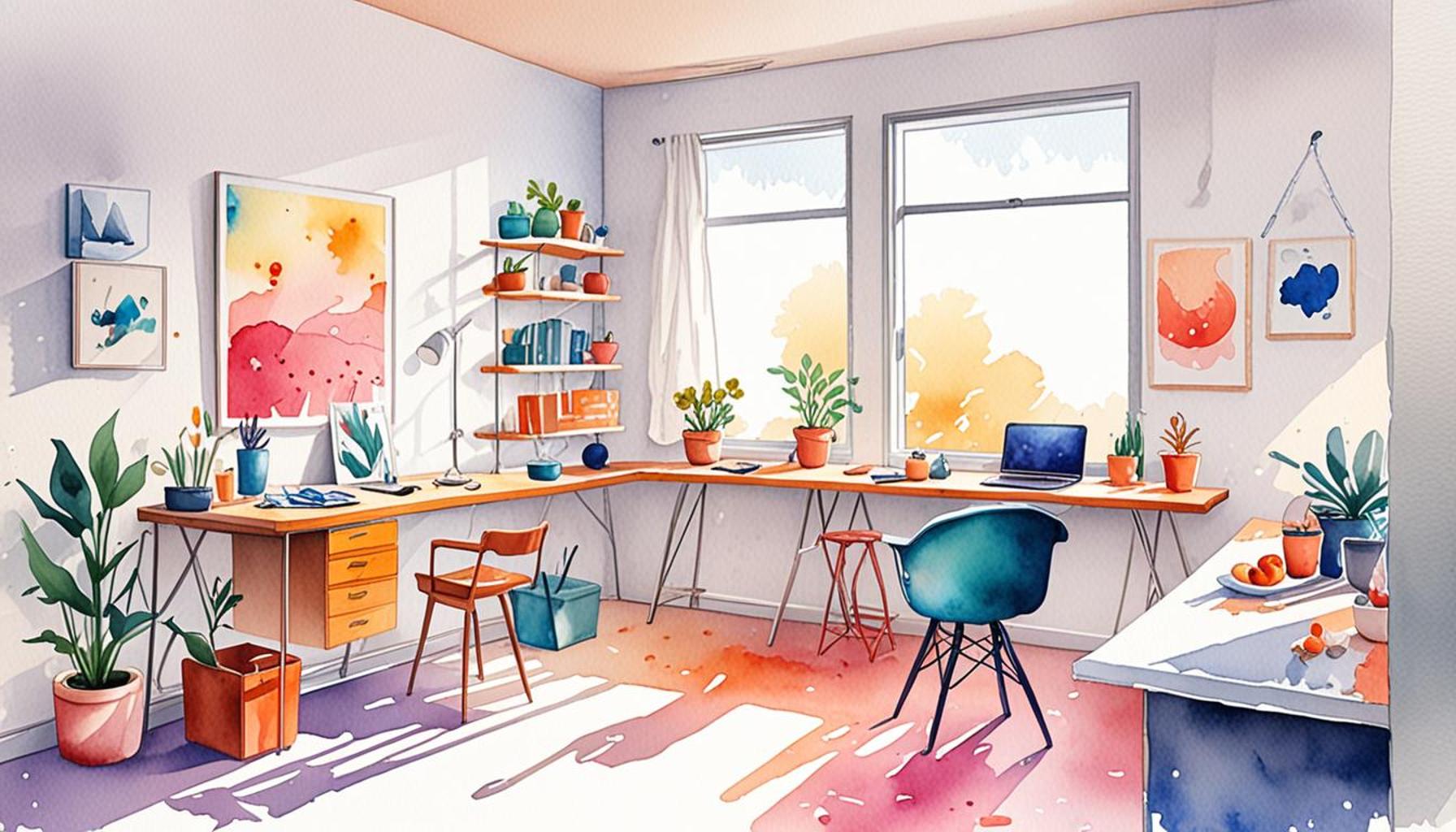
Understanding Minimalist Spaces Through Design and Ergonomics
As society continues to embrace the fast-paced digital age, the trend toward minimalist spaces has gained significant traction. These environments, characterized by their simplicity and lack of clutter, offer not just visual appeal but also a sense of clarity and tranquility that is increasingly sought after in homes and workplaces alike. However, the success of these minimalist aesthetics is deeply intertwined with the principles of intentional design and ergonomics.
- Intentional Design: This principle focuses on creating layouts and environments that serve a specific purpose or function. Intentional design is about making conscious choices in materials, shapes, and arrangements that lead to an efficient, aesthetically pleasing space.
- Ergonomics: This field aims to enhance user comfort and efficiency, whether at work or in leisure settings. Ergonomics considers the human body and its interaction with tools and spaces, ensuring that environments promote well-being and productivity.
- Minimalism: Emphasizing simplicity and functionality, minimalism seeks to strip away the unnecessary—leaving only that which is essential and beneficial. This concept can create a sense of calm and focus, which is particularly valuable in today’s high-stress environments.
The delicate balance between these elements can have a profound impact on our daily interactions within our spaces. Achieving the right synergy allows minimalist designs to be more than just visually appealing; they become sanctuaries that foster productivity and relaxation.
For instance, examine the role of furniture in a minimalist environment. Furniture must strike a perfect balance between style and comfort. A beautifully designed chair or desk may appeal aesthetically, but if it fails to support proper posture and comfort, it undermines its purpose. Ergonomic chairs that adjust to individual needs can enhance productivity during long hours of work, making an environment not just visually attractive but highly functional.
Lighting choices are equally crucial in minimalist spaces. Natural light is often celebrated for its benefits, but the use of artificial lighting must complement the overall design without overwhelming the senses. Dimmable LED fixtures, for example, can enhance mood while promoting energy efficiency, making them a sustainable choice that aligns perfectly with minimalism.
Moreover, the spatial layout of a room significantly affects how we navigate our environment. Thoughtful arrangements that consider pathways and access can facilitate movement and reduce stress. Open floor plans, coupled with strategically placed furnishings, allow for fluid transitions between different areas, preventing feelings of confinement that can accompany cluttered spaces.
This discussion sheds light on how intentional design and ergonomics work in tandem to create minimalist spaces that support both physical comfort and aesthetic value. Insights from design professionals and ergonomic specialists underscore the importance of harmonizing visual appeal with functionality. As you delve deeper into this intersection, you may find that creating an intentional, ergonomic space may not only enhance your physical well-being but also elevate your mental state, leading to improved productivity and satisfaction in daily life.
DIVE DEEPER: Click here to uncover more insights
Bridging Aesthetics and Functionality: The Role of Intentional Design and Ergonomics
In the realm of minimalist spaces, the interplay between intentional design and ergonomics not only shapes the overall aesthetic but profoundly affects user experience. To fully appreciate this relationship, one must explore how these elements coalesce to create environments that transcend mere visual appeal and emerge as holistic places of living and working.
The significance of intentional design lies in its purpose-driven approach. Designers must consider the nuances of how individuals interact with their surroundings. This begins with a deep understanding of the end user’s needs—be it for relaxation, concentration, or dynamic collaboration. By focusing on purpose, designers can create spaces that not only look good but perform well, facilitating the activities and functions inherent to minimalist living. For instance, a minimalist workspace might incorporate adjustable desks that transition from sitting to standing, underscoring a commitment to user well-being while also maintaining a clean, streamlined aesthetic.
Ergonomics, on the other hand, focuses on enhancing comfort and efficiency through the deliberate design of furniture and spatial layouts. In a minimalist environment, where every element serves a function, the principles of ergonomics become vital. It is essential to consider how users interact with furniture, lighting, and the overall spatial organization. A well-designed ergonomic chair, for instance, can significantly reduce physical strain, while poor design can lead to discomfort and decreased productivity. In this light, ergonomic solutions within minimalist spaces do not detract from the aesthetics; rather, they enrich the experience of the space, ensuring that the beauty does not come at the expense of usability.
To better illustrate the interdependence between these two essential components, consider the following features that are paramount in minimalist spaces:
- Flexible Furniture: Pieces that are multifunctional, such as a coffee table that doubles as a storage unit, help maximize space while ensuring that the area remains uncluttered.
- Natural Elements: Incorporating plants or natural materials not only serves as aesthetic enhancements but also promotes wellness—a key ergonomic principle.
- Clear Sightlines: Minimalist designs that allow for clear visual flow contribute to a sense of openness and prevent feelings of confinement, which can be amplifying stress.
- Color Palettes: Using a limited color palette helps maintain a sense of tranquility while reducing the cognitive load associated with overly stimulating environments.
By harmonizing intentional design with ergonomic principles, minimalist spaces become more than just visually captivating; they evolve into empowering environments. Such synergy results in spaces that nurture both the body and mind, fostering well-being and efficiency. As the lines between aesthetics and functionality blur, one begins to realize that minimalism is not merely a style but a way of enhancing daily life through conscious choices and thoughtful design practices.
The Interdependence Between Intentional Design and Ergonomics in Minimalist Spaces
In the realm of minimalist spaces, there lies a significant interdependence between intentional design and ergonomics. This relationship ensures that every element within a space serves a purpose while providing comfort and ease of use.
Intentional design focuses on creating environments that resonate with simplicity and functionality. Designers meticulously select every item, from furniture to decorative elements, with the intent to create an atmosphere that enhances the user experience. This approach highlights the aesthetic appeal of minimalism while prioritizing the user’s interaction with the environment. As a result, each design choice is made with an awareness of its effects on the users’ psychological and physical well-being.
On the other hand, ergonomics involves understanding how humans interact with their surroundings. In minimalist spaces, ergonomic principles guide the selection of furniture that not only looks good but also supports the body in natural postures, enhancing comfort during use. This facet of design is critical as it directly impacts accessibility and promotes a healthy lifestyle in environments that can often be perceived as austere.
The synergy of intentional design and ergonomics creates spaces that feel harmonious and practical. For example, a well-designed minimalist workspace can boost productivity, reduce fatigue, and promote creativity. Properly arranged desks, chairs, and lighting conforming to ergonomic standards allow individuals to work efficiently without compromising their health.
The careful balance struck between aesthetics and functionality invites occupants to experience the space fully. Minimalist design becomes a canvas for living, where every detail is purposefully curated to enhance life quality and support everyday activities. With this understanding, one can appreciate how the relationship between intentional design and ergonomics elevates minimalist spaces into realms of beauty and efficiency.
| Category | Description |
|---|---|
| Intentional Design | Focuses on functionality and aesthetics, creating a unified space. |
| Ergonomics | Enhances comfort and efficiency, ensuring optimal physical interaction. |
As research continues to evolve in the fields of design and ergonomics, the resulting insights will further refine how minimalist spaces are conceptualized, ensuring that both visual appeal and user comfort remain at the forefront of design philosophies.
DIVE DEEPER: Click here to discover more
Creating Synergy: The Impact of Sustainable Practices in Minimalist Design
As the dialogue around intentional design and ergonomics in minimalist spaces evolves, sustainability emerges as a crucial layer that further enhances their interdependence. The modern consumer is increasingly aware of environmental responsibility, thus designers are challenged to craft spaces that are not only aesthetically pleasing and functionally sound but also environmentally friendly. This intersection of minimalism, ergonomics, and sustainability provides an exciting opportunity for innovation and conscientious living.
One of the most compelling aspects of minimalist design is its potential to minimize resource consumption through sustainable materials. Designers are now opting for eco-friendly options such as reclaimed wood, bamboo, and recycled metals. These materials not only contribute to a cleaner environment but also resonate with the principles of ergonomics, as they can be crafted into comfortable and practical furniture. For instance, a chair made from sustainable materials can be designed with ergonomic contouring, emphasizing both ecological awareness and user comfort.
An interesting example can be found in the growing trend of biophilic design, which directly supports the tenets of ergonomics. By integrating elements of nature—such as natural light, plants, and organic textures—into minimalist spaces, designers can create environments that promote well-being and reduce stress. Research has shown that exposure to greenery improves cognitive function and enhances creativity, which is paramount in workspaces. For example, indoor plants in offices not only purify air but also provide visual stimulation that can invigorate the senses, directly impacting productivity and comfort, thereby marrying ergonomic principles with intentional designs.
Moreover, the concept of modular design is gaining traction as it embodies both minimalism and ergonomics while promoting sustainability. Modular furniture pieces can be easily reconfigured or expanded according to need, allowing users to adapt their environments without requiring new materials. This not only minimizes waste but also enhances usability—an ergonomic success. For example, modular seating solutions that allow for varied configurations cater to different social dynamics in collaborative areas, thereby satisfying the need for both comfort and interaction.
Another aspect that should be highlighted is the role of digital tools in optimizing both intentional design and ergonomics. With the rise of technology and smart home systems, designers can now implement features like adjustable lighting and climate control that adapt to user behavior and preferences. This not only adds to the functionality of the minimalist space but also improves comfort levels—addressing the ergonomic aspect. For instance, using smart lighting that adjusts color temperature based on the time of day can enhance focus during work hours while promoting relaxation in the evening, reflecting a deep understanding of users’ needs.
Finally, successful minimalist spaces are becoming synonymous with the idea of wellness design, which revolves around creating environments that support both mental and physical health. By integrating elements such as sound-absorbing materials, ergonomic layouts, and air quality control, designers can significantly enhance user satisfaction without compromising on aesthetics. For example, a minimalist meditation corner with a natural color palette and ergonomic seating can serve as a visually serene space that promotes relaxation, showcasing the compelling relationship between intentional design and ergonomics in minimalist environments.
DIVE DEEPER: Click here to learn more
Conclusion: The Harmonious Balance of Intentionality and Comfort in Minimalist Spaces
In the dynamic world of design, the interdependence between intentional design and ergonomics in minimalist spaces reveals a profound relationship that transcends mere aesthetics. As we have explored, these elements work synergistically to craft environments that not only delight the senses but also prioritize human well-being. By focusing on sustainability, innovative materials, and adaptable modular designs, designers are paving the way for spaces that are sustainable and user-centric.
The incorporation of biophilic design elements, alongside smart technology, demonstrates how attentiveness to human needs can lead to enhanced productivity and comfort. This approach is particularly relevant in today’s fast-paced environment, where more individuals are seeking refuge in calming, cohesive interiors that promote both physical and mental wellness. Minimalist spaces reimagine traditional design paradigms, illustrating that simplicity does not equate to sacrificing comfort or functionality.
As users grow increasingly conscious of their surroundings, the demand for thoughtful, ergonomic design in minimalist settings will undoubtedly grow. The fusion of wellness design, intentional decor, and environmental considerations not only contributes to healthier lifestyles but elevates the longevity of design pieces. As we step into the future of design, the pathway ahead is clear: successful minimalist environments will hinge on the seamless integration of ergonomics and intentionality, championing both human experience and ecological responsibility.
Exploring the implications of this interdependence opens up avenues for further investigation—how can emerging technologies facilitate better designs, or how can cultural nuances influence user experience in diverse settings? Hence, the conversation around intentional design and ergonomics in minimalist spaces remains vibrant, inviting us to delve deeper into their transformative potential.