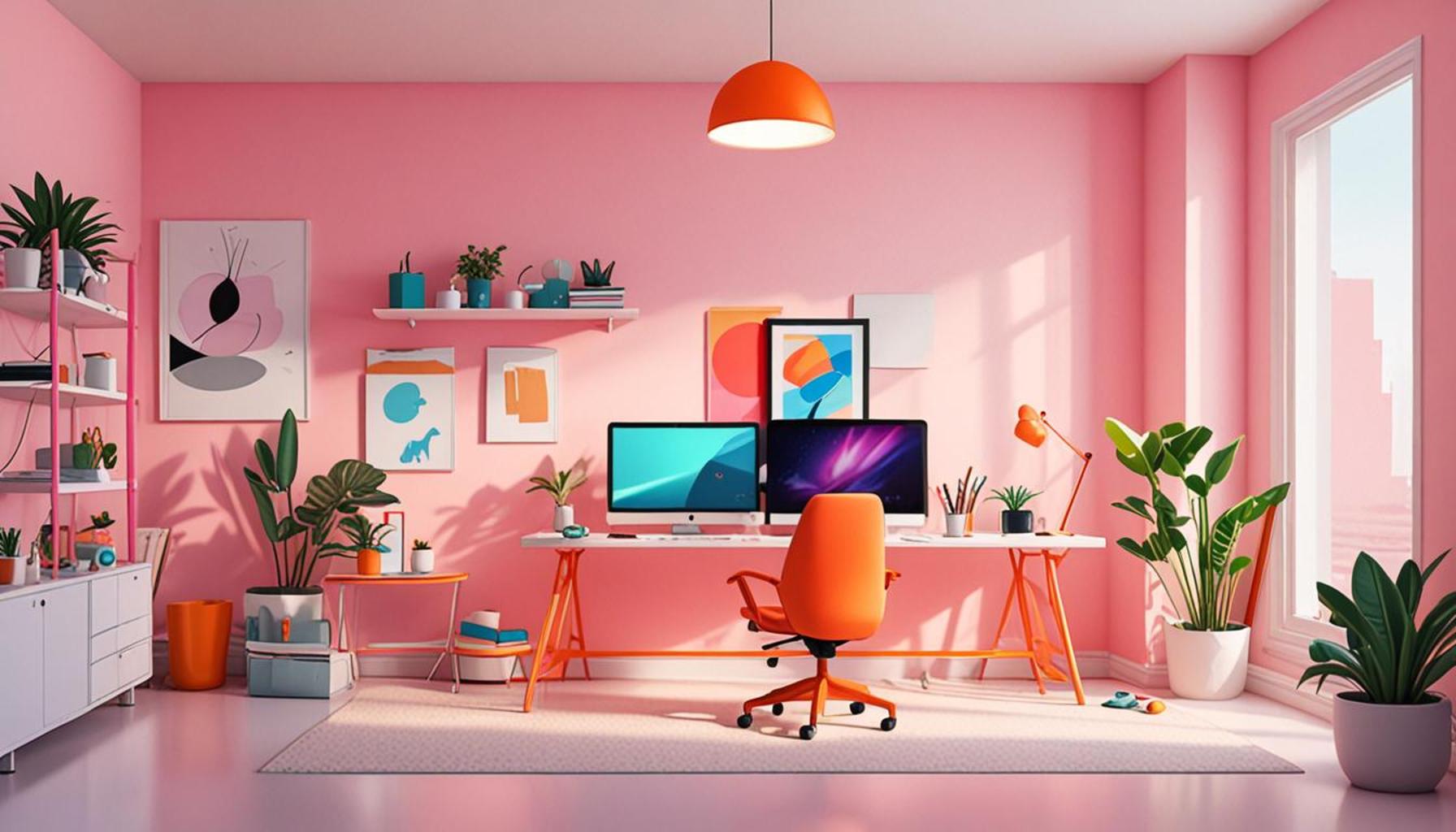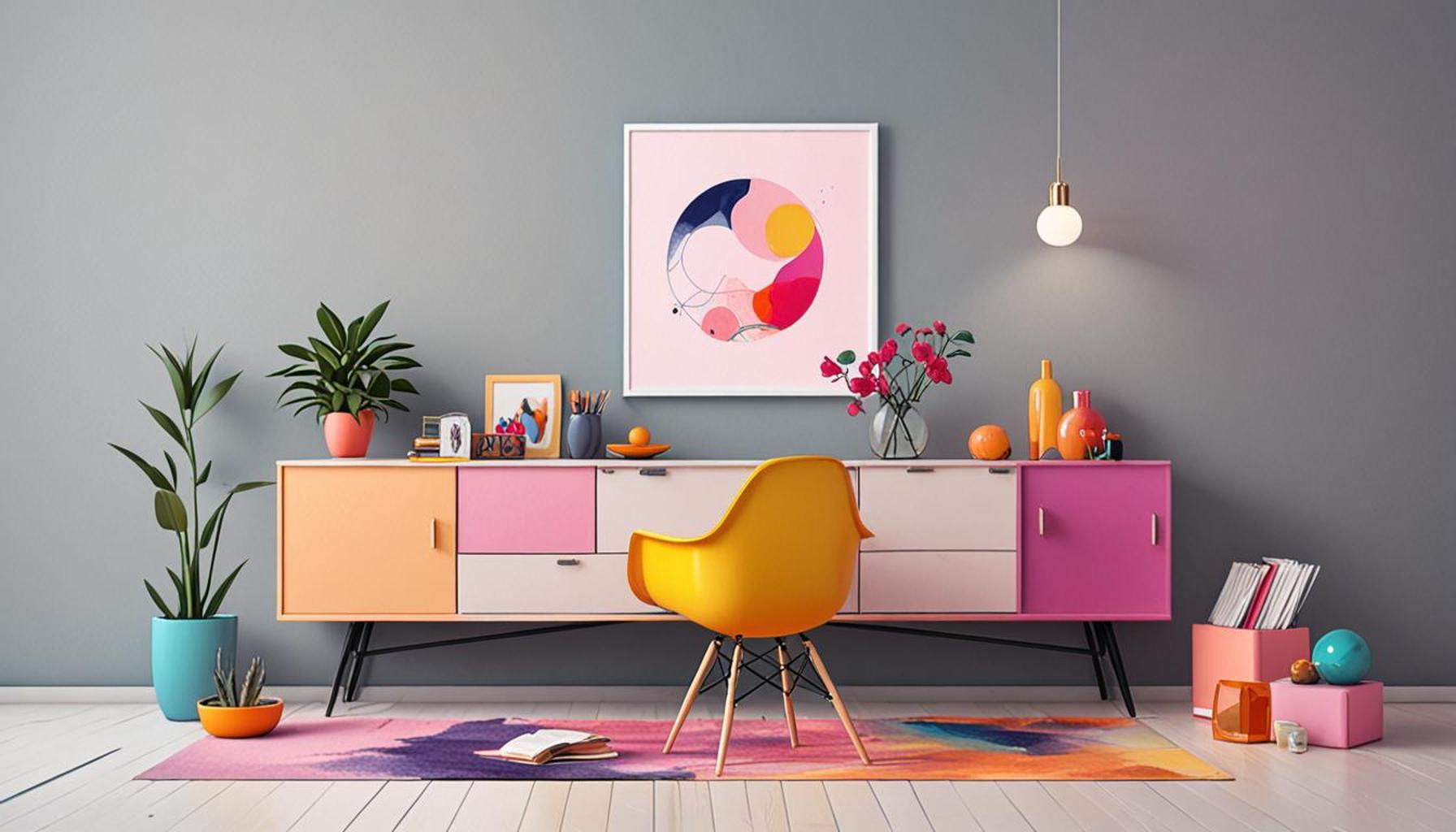
How intentional design can promote flexibility and adaptability in organized environments
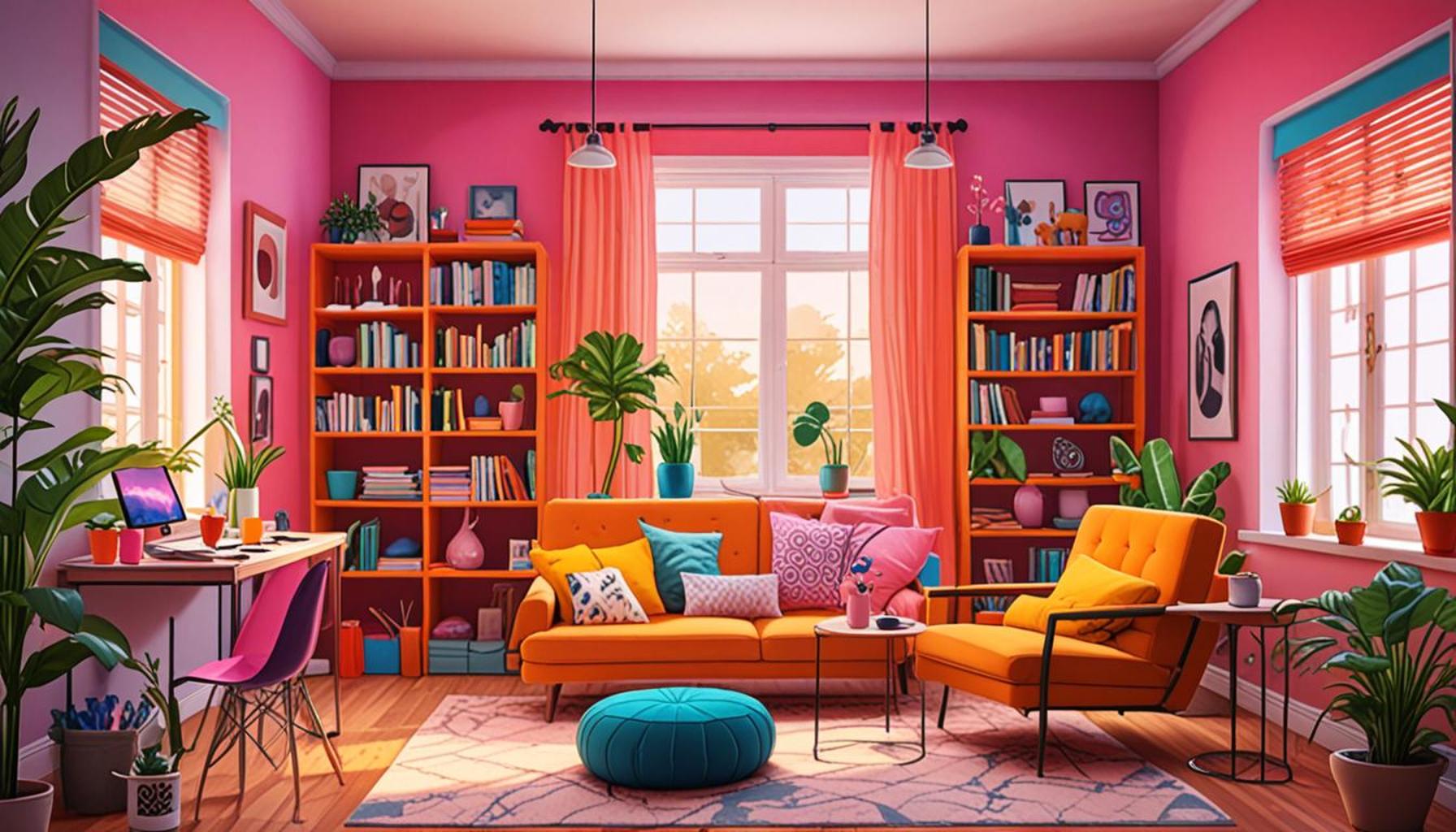
The Importance of Designing for Flexibility and Adaptability
In an age characterized by rapid technological advancements and shifting societal norms, the necessity for flexibility and adaptability in our environments is more pronounced than ever. The way we design our workplaces, educational institutions, and public spaces can profoundly influence individuals and organizations in navigating new challenges. Intentional design is a proactive approach that emphasizes crafting environments that enhance these qualities, ultimately enabling people and teams to flourish even in times of uncertainty.
Below are some key aspects of intentional design that serve as cornerstones for creating dynamic and responsive spaces:
- Modular Spaces: Environments that can be reconfigured easily foster collaboration and spur innovation. For instance, modern offices often utilize movable walls and multifunctional furniture, allowing employees to modify their surroundings to suit specific project needs or team sizes. Collaborative zones equipped with whiteboards and technology encourage brainstorming sessions and spontaneous discussions, leading to creative breakthroughs.
- Adaptive Technology: The integration of technology that adjusts to user needs greatly enriches the user experience. For example, smart lighting systems can change according to the time of day or user preferences, promoting focus during work hours or relaxation in social settings. Such customization not only enhances comfort but also boosts productivity and engagement among users.
- Natural Elements: The growing trend of biophilic design—a concept that seeks to connect people with nature—has shown to significantly improve well-being and creativity. Indoor plants, natural light, and views of green spaces have been associated with reduced stress and increased job satisfaction. Notable workplaces like Google and Amazon have integrated gardens and open natural spaces into their campuses, emphasizing the positive impact of nature on employee performance.
By embedding these elements, organizations can strategically transform traditionally structured environments into vibrant, adaptable spaces. Research supports that flexible designs not only enhance productivity but also elevate employee morale. In fact, a study by Steelcase found that the right workspace design can boost employee engagement by up to 47%, highlighting the potential benefits of intentional design.
This compelling concept invites us to explore the myriad ways intentional design can foster resilience across diverse settings. By understanding and applying these design principles, communities can create supportive environments that empower individuals to adjust and thrive, thereby unlocking new levels of potential.
As we delve deeper into this topic, practical examples and insights await us. The potential reshaping of organized environments through intentional design underscores the importance of advancing our understanding of how best to accommodate the dynamic needs of today’s society.
DISCOVER MORE: Click here to delve deeper
Transformative Features of Intentional Design
Intentional design is a powerful tool that can significantly enhance flexibility and adaptability in organized environments. By understanding and implementing various design features, organizations can create spaces that respond to changing needs and circumstances, ultimately leading to a more agile approach to work and collaboration. Below are some pivotal elements that illustrate how intentional design can encourage adaptability:
- Open Layouts: One of the most effective strategies in intentional design is the creation of open layouts that minimize barriers and promote interaction among team members. These spaces encourage spontaneous conversations and collaborative efforts, making it easier for employees to adapt their workflows. Open environments can also facilitate quick adjustments to seating arrangements, allowing teams to form and dissolve as projects evolve.
- Multi-Functional Furniture: Adopting furniture that serves multiple purposes can significantly increase an environment’s flexibility. Desks that can be adjusted for standing or sitting, chairs that stack or fold, and mobile whiteboards are examples of how furniture can be designed to serve various functions. This enables organizations to quickly reconfigure space for meetings, presentations, or focused work, making them more adaptable to the day’s demands.
- Flexible Working Zones: Creating distinct zones for different activities, such as quiet workspaces, collaboration areas, and social lounges, allows for choice and variability in workplace utilization. This zoning approach not only helps accommodate diverse working styles but also supports individual preferences, fostering an atmosphere where everyone can thrive. Furthermore, designated spaces for relaxation or reflection can help recharge employees, enhancing their ability to adapt to new tasks and challenges.
- Technology Integration: It is essential to integrate advanced technologies to promote adaptability within designed spaces. For instance, collaborative technologies such as virtual meeting tools and interactive displays facilitate communication and information-sharing, even among remote teams. By providing employees with the right tools, organizations empower individuals to adjust seamlessly to changes in project scope or team dynamics.
These intentional design features create environments rich in possibility, where teams can pivot and innovate as needed. Moreover, the significance of flexibility and adaptability in organized spaces extends beyond day-to-day operations; it influences the long-term agility of organizations. For example, a report from the American Institute of Architects suggests that well-designed, flexible workspaces can enhance not only productivity but also employee retention in the highly competitive job market of today.
The ability to adapt to unforeseen circumstances is crucial for any organization. Intentional design thus emerges as an indispensable practice for fostering resilience. It invites us to rethink how we approach the designing of our environments to better prepare for the volatility of modern life.
| Advantages | Impact on Organized Environments |
|---|---|
| Enhanced Collaboration | Intentional design fosters a culture where individuals can easily share ideas and resources, leading to more productive teamwork. |
| Responsive Workspaces | Adaptable layouts and furniture allow for swift modifications in response to changing team needs, promoting efficiency. |
| Innovation Stimulation | A well-designed environment encourages creativity, leading to innovative solutions and improvements across projects. |
| Employee Well-being | Intentional design prioritizes comfort and accessibility, significantly improving job satisfaction and overall morale. |
The role of intentional design in promoting flexibility and adaptability in organized environments is profound. Such design promotes a dynamic atmosphere where workplace efficiency is enhanced through carefully arranged spaces that support collaborative efforts. For instance, making offices more responsive can transform how teams approach projects, enabling them to adapt quickly under pressure. This adaptability encourages a culture of innovation, where creative ideas can flourish, driven by an engaging and responsive environment. Furthermore, prioritizing employee well-being through thoughtful design choices not only benefits individual morale but also boosts overall organizational productivity. This intricate interplay highlights just how crucial intentional design is in cultivating workspaces that thrive on flexibility and adaptability. Exploring these elements can provide deeper insights into sustainable organized environments that are both responsive and empowering.
DISCOVER MORE: Click here to dive deeper
Enhancing Resilience through Intentional Design
Intentional design not only promotes flexibility and adaptability but also plays a critical role in enhancing resilience within organized environments. Resilience refers to the ability of individuals and teams to adjust positively in the face of challenges and stressors, and intentional design can be crafted to bolster this inherent quality. Here are several innovative aspects that contribute to fostering a resilient atmosphere:
- Natural Elements: Incorporating natural elements, such as greenery or natural light, significantly elevates well-being in the workplace. Studies have demonstrated that exposure to plants and sunlight can reduce stress, boost mood, and enhance overall productivity. This biophilia approach helps create environments that can adaptively respond to the emotional and mental needs of employees, ultimately allowing teams to navigate challenges more effectively.
- Adaptable Technology Infrastructure: A robust and adaptable technological infrastructure is a linchpin of intentional design. Organizations must invest in systems that are not only user-friendly but also easily scalable. For instance, cloud-based project management tools can provide teams with the ability to pivot quickly when project parameters change. When technology seamlessly integrates into the workspace, employees are less likely to face disruptions, enabling them to adapt to shifting circumstances without losing momentum.
- Feedback Loops: Implementing built-in feedback loops within the design promotes a culture of continuous improvement and adaptability. By encouraging employees to share their thoughts on how spaces affect their productivity and collaboration, organizations can make informed modifications that reflect the evolving needs of their workforce. This participatory design approach ensures that the environment continuously transforms alongside its users, fostering a dynamic workspace that values adaptability.
- Simplifying Processes: Streamlining tasks and workflows through intentional design can significantly reduce frustration and enhance adaptability. For example, employing visual management tools like Kanban boards or digital dashboards can help teams quickly assess their project status and adjust their strategies as needed. By simplifying processes, employees can focus on problem-solving, rather than getting bogged down in convoluted tasks, allowing for a quicker response to changing demands.
The need for organizations to be resilient has never been more pressing. Factors such as economic fluctuations, remote work trends, and public health concerns have fundamentally shifted how businesses operate. In this context, intentional design arises as a critical strategy that responds to these challenges head-on. According to the Global Workspace Association, workspaces that incorporate flexibility into their design elements not only enhance productivity but also support broader organizational goals, such as sustainability and employee satisfaction.
Furthermore, intentional design can facilitate a culture of learning and growth. By creating spaces that encourage experimentation, organizations invite employees to test new ideas without the fear of failure. This openness promotes a growth mindset, allowing individuals and teams to embrace changes rather than resist them. As workplaces evolve, so too should the design principles that underpin them, making adaptability an integral part of organizational DNA.
For companies seeking to thrive in today’s rapidly evolving landscape, embracing intentional design principles is essential. The integration of thoughtful features into workspaces can create an environment where flexibility, adaptability, and resilience are not just desirable traits, but foundational attributes.
EXPLORE MORE: Click here to discover the impact of intentional design
Conclusion: The Future of Intentional Design in Organized Environments
In a world where change is the only constant, intentional design emerges as a pivotal approach for organizations aiming to cultivate flexibility and adaptability. The principles discussed not only enhance resilience but also create an environment that places employee well-being and productivity at the forefront. By embracing elements such as natural surroundings, adaptable technology, continuous feedback mechanisms, and streamlined processes, companies can build spaces that allow teams to thrive amidst uncertainty.
The shift towards a more dynamic workplace becomes even more essential as companies face various challenges, from economic shifts to the rise of remote work. An organizational setting designed with such foresight can adapt quickly to unforeseen circumstances, ensuring that teams remain effective no matter the obstacles they encounter. Implementing these thoughtful features leads to environments where innovation is encouraged, ideas can flourish, and employees feel empowered to contribute meaningfully.
Ultimately, the journey of intentional design is not just about structural decisions or the arrangement of furniture; it’s a broader commitment to fostering a culture that values learning, growth, and adaptability. As organizations continue to navigate a rapidly changing landscape, prioritizing these design principles will distinguish those that merely survive from those that truly succeed. For organizations willing to invest in intentional design, the rewards are substantial—cultivating a workplace where flexibility and resilience are embedded into the very DNA of the organization, paving the way for sustainable success and a bright future.