The intersection between intentional design and personal organization technologies in a minimalist context
The Rise of Minimalism in Modern Living
In today’s fast-paced world, the quest for minimalism has gained tremendous traction. As individuals search for simplicity, the nexus of intentional design and personal organization technologies emerges as a beacon of clarity and efficiency. From sleek furniture that maximizes functionality to sophisticated apps that streamline our daily tasks, minimalism is not merely a design choice but a lifestyle shift.
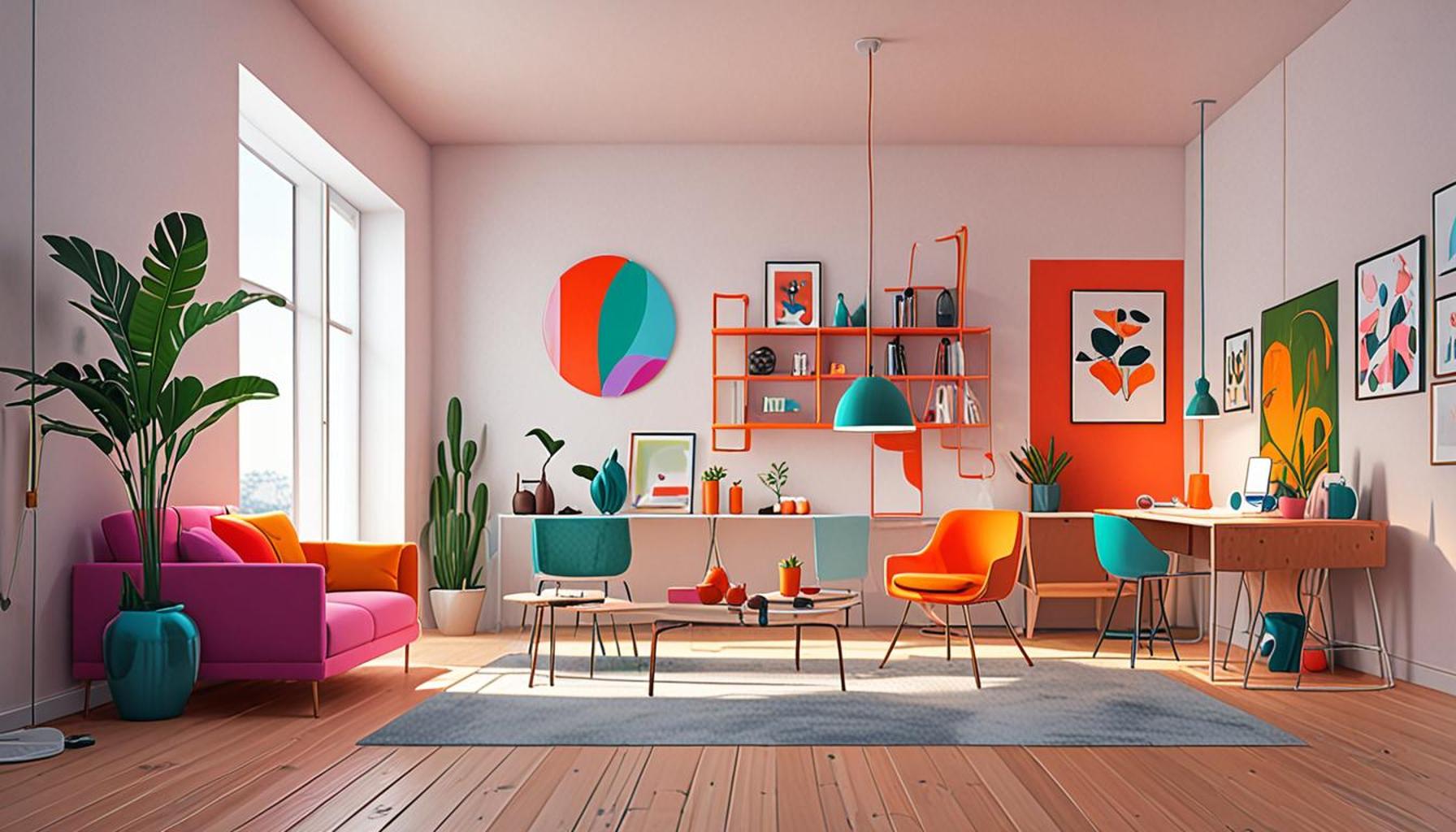
Intentional Design is at the forefront of this movement. It emphasizes creating objects and spaces that are not only aesthetically pleasing but also focus on functionality. For example, in furniture design, pieces that serve multiple purposes—like a coffee table that evolves into a dining table or a sofa that turns into a bed—are becoming increasingly popular. This approach reduces clutter and reflects a newfound appreciation for curated living environments. Architects and designers are also adopting this philosophy by opting for open spaces flooded with natural light, thus promoting a sense of tranquility and openness that starkly contrasts with the cluttered environments many are used to.
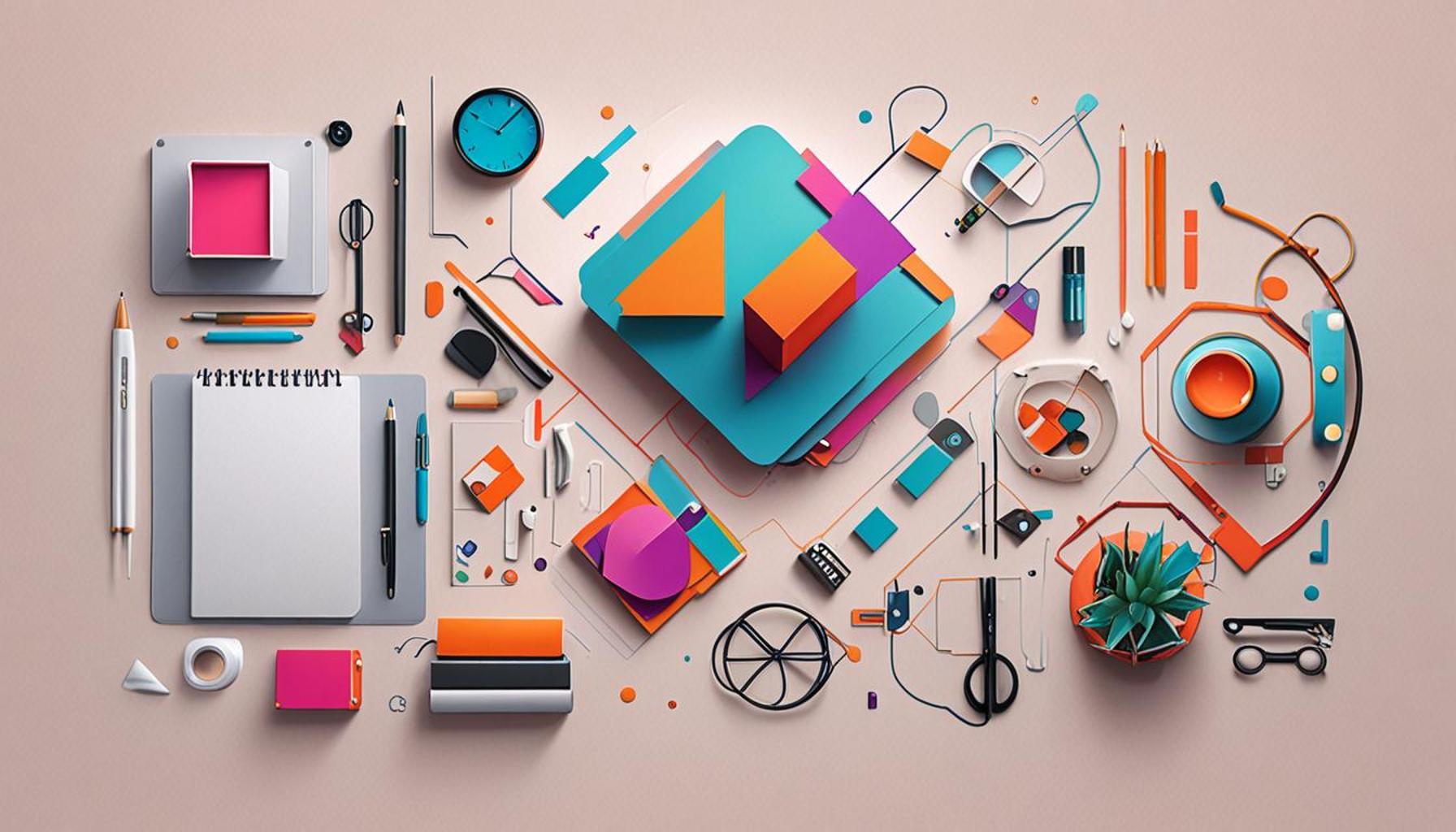
Equally pivotal is the role of personal organization technologies. In an age where distractions are everywhere, tools like digital planners, task management apps, and note-taking platforms help individuals focus on what truly matters. For instance, applications like Notion and Todoist allow users to consolidate tasks, documents, and project ideas in one streamlined location. This not only enhances productivity but also minimizes mental load by allowing users to visualize and prioritize their commitments without the chaos of traditional written lists or multiple applications. The efficiency these technologies offer often aligns perfectly with the principles of minimalism—achieving more with less.
Furthermore, the minimalist philosophy extends beyond physical organization. It advocates for the elimination of excess in all facets of life, from possessions to digital clutter. A testament to this mindset is the increasing popularity of “digital detox” weekends, where individuals consciously unplug from their devices to reconnect with the world around them. The goal is not merely to take a break from technology but to foster awareness of how much our devices have begun to define our existence.
In the United States, where consumer culture often thrives on abundance, the minimalist movement offers a refreshing perspective. By leveraging design principles and cutting-edge technologies, individuals can reclaim their time and mental space while promoting their well-being. The freedom that comes with a minimalist lifestyle encourages deeper connections with people and experiences rather than material goods.
As we delve into this dynamic relationship between design and organization, it becomes clear that exploring minimalism can lead to greater clarity and intention in life. Join us on this journey toward a more intentional, organized, and simplified life, discovering how thoughtful design and innovative organizational tools coalesce in a minimalist paradigm.
DISCOVER MORE: Click here to learn how intentional design can transform your space
Bridging Design and Technology: The Minimalist Approach
As the minimalist lifestyle continues to captivate the modern individual, the convergence of intentional design and personal organization technologies provides a path toward greater efficiency and mental clarity. This synergy empowers users to not only declutter their physical spaces but also to streamline their digital lives, leading to a more holistic approach to organization.
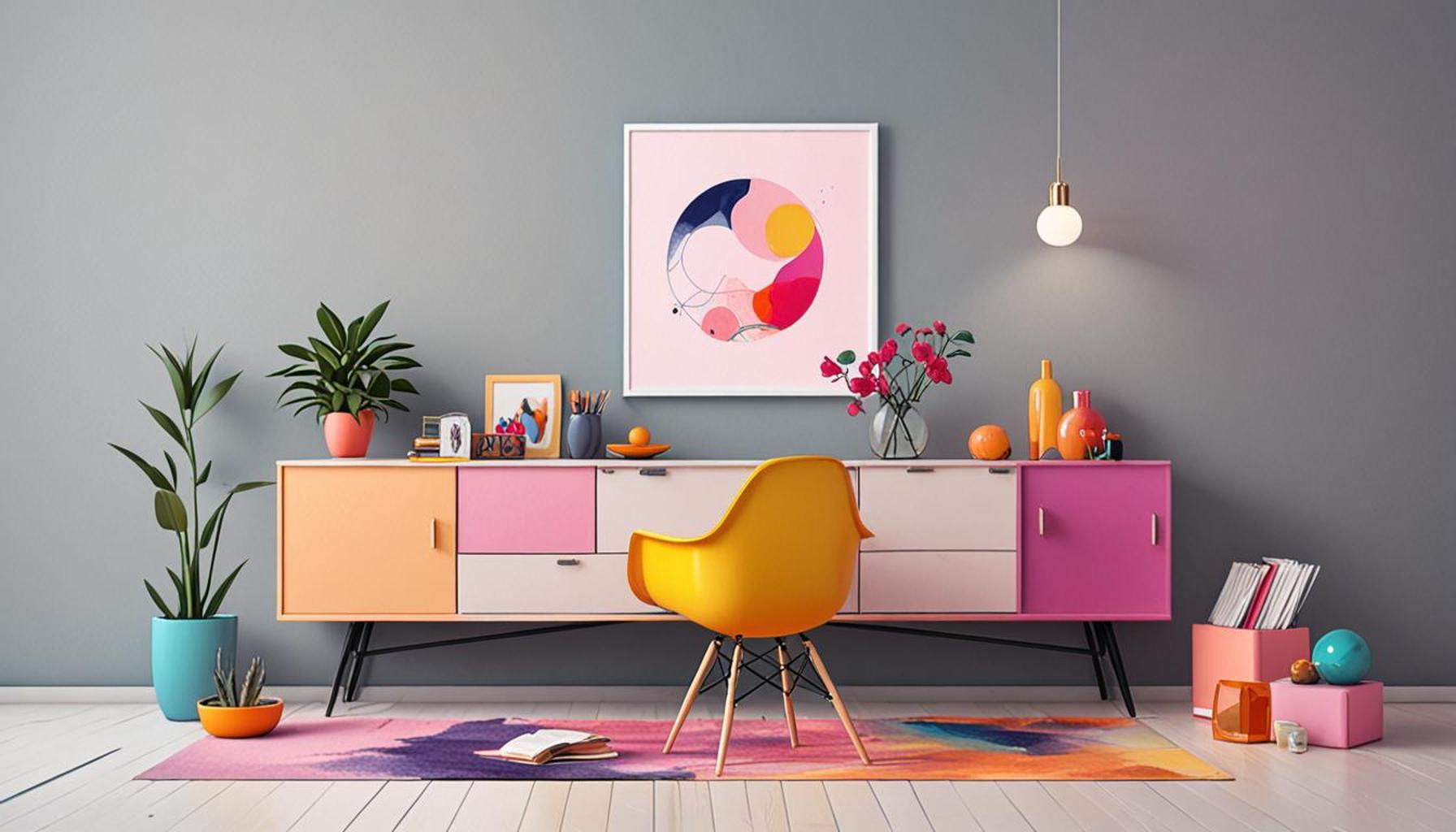
At its core, intentional design revolves around creating elements that purposefully enhance daily living. In this minimalist context, every item serves a distinct purpose, embodying both form and function. By integrating timeless aesthetics with practicality, designers create products that contribute to a tranquil atmosphere while encouraging users to rethink their relationships with material possessions. For example, the growing preference for multipurpose furniture aligns seamlessly with minimalist principles—such as a modular shelving unit that doubles as a workspace, which promotes both order and creativity without overwhelming the senses.
On the technological side, personal organization tools have emerged as crucial allies in fostering minimalism. Strategies such as digital decluttering, implementing AI-driven task management systems, and utilizing cloud-based applications instill a sense of order in our increasingly chaotic lives. Here are some popular tools that exemplify this intersection:
- Evernote: This note-taking app allows users to capture thoughts, ideas, and receipts in a single digital notebook, eliminating the need for physical papers and lists.
- Trello: Designed around visual organization, Trello helps users manage projects through a card and board system that aligns perfectly with a minimalist approach to task management.
- Habitica: This gamified organizational tool transforms your tasks into quests, making personal development engaging while instilling discipline without overwhelming users.
As these tools encourage mindfulness regarding what we choose to keep—be it physical items or digital assets—the minimalist philosophy thrives. Individuals who embrace this mindset often report reduced stress levels, improved focus, and a greater appreciation for life’s simple pleasures. Research indicates that clutter can lead to increased anxiety and decreased productivity, suggesting that minimizing distractions through both design and technology can vastly enhance one’s quality of life.
The impact of minimalism on our interaction with the designed world and digital spaces is profound and distinct. By prioritizing intention and utility, individuals can cultivate environments that support clarity and peace of mind. The journey toward minimalism serves not only as a personal transformation but also as a statement about how we value the spaces and tools we choose to engage with daily.
As we continue to explore the intersection of intentional design and personal organization technologies, it becomes increasingly evident that adopting a minimalist approach allows us to reclaim precious time and energy, ultimately leading to a more fulfilling and intentional lifestyle.
| Category | Key Features |
|---|---|
| Intentional Design | A focus on minimalism and functionality, allowing for greater usability. |
| Personal Organization Technologies | Digital tools designed to simplify daily tasks and improve efficiency. |
| Enhanced Focus | Minimizing distractions fosters a more productive environment. |
| Streamlined Workflow | Integration of apps and tools provides seamless task management. |
In the era where intentional design meets personal organization technologies within a minimalist context, we see a significant rise in productivity and well-being. The combination focuses on essentialism, shedding unnecessary clutter both physically and digitally. The efficiency that comes with personal organization technologies is paramount. Applications tailored for enhancing productivity have emerged, catering to the needs of users who value time and simplicity. From task managers to digital planners, these innovations help streamline daily activities, promoting a seamless workflow.Moreover, intentional design principles emphasize user-friendly interfaces that enhance user experience while maintaining aesthetic simplicity. As a result, individuals are encouraged to minimize distractions, fostering an environment ripe for creativity and focus.As one dives deeper into this intersection, the dual role of these technologies becomes apparent—not only aiding in personal and professional organization but also advocating for a broader lifestyle choice, one that benefits both the individual and society. This engaging blend is worth exploring further, as it may redefine our approach to minimalism and efficiency in both work and daily life.
DISCOVER MORE: Click here to learn about creating healing spaces
Enhancing Lifestyle Through Automation and Design
At the heart of the minimalist movement lies a deeper philosophy—the pursuit of quality over quantity and the embrace of simplicity. In this context, both intentional design and personal organization technologies not only serve fundamental purposes but also elevate one’s lifestyle through thoughtful automation. This intersection encourages individuals to reassess their daily routines and embrace a more streamlined existence by incorporating intuitive design elements and efficient digital systems.
Automated solutions have become increasingly popular as people strive to minimize cognitive overload in their lives. For instance, smart home devices exemplify a stylish convergence of design and technology, creating environments that respond effortlessly to user commands. Devices such as the Google Nest Hub not only integrate seamlessly into minimalist aesthetics with their sleek, unobtrusive form but also allow users to control various aspects of their homes—lighting, temperature, and even task reminders—through simple voice commands. This added layer of automation aligns perfectly with minimalist principles, reducing the need for physical clutter caused by too many gadgets and appliances.
Moreover, the rise of digital wellness applications is equally significant, assisting users in managing their tech usage more mindfully. Apps such as “Forest” and “Moment” promote intentional behavior by encouraging users to focus on their tasks, thereby nurturing a more thoughtful interaction with their devices. The design of these applications reflects a minimalistic ethos: clear interfaces, minimal distractions, and a focus on single tasks can create environments conducive to increased productivity and tranquility.
Beyond these tools, more comprehensive systems are emerging that fuse organization and aesthetic appeal. For example, digital planners such as GoodNotes or Notion enable individuals to curate their own organizational frameworks in visually pleasing formats. With customizable templates, users can design their workflows to resonate with their personal sense of style, creating a hybrid experience that is as much about art as it is about functionality.
Furthermore, as individuals embrace these innovative tools and designs, opportunities for self-reflection abound. The act of implementing mindful organization can serve as a form of personal curation—choosing which tasks, events, and items remain central to one’s life. Engaging with minimalism in this way often leads to newfound levels of self-awareness, allowing individuals to make choices that genuinely reflect their values and aspirations.
Studies reveal that individuals who strategically declutter their environments often report heightened creativity and improved mental well-being. By focusing on what truly matters—both in physical items and digital tools—minimalism becomes a catalyst for personal growth. Leveraging tools like Google Calendar along with a clean, minimal interface encourages individuals to allocate their time wisely, ensuring that they can invest in what brings them joy and fulfillment.
This ongoing exploration at the intersection of intentional design and personal organization technologies emphasizes the potential for transformative change in the lives of those who dare to embrace a minimalist mindset. The journey is not merely about removing excess; it is about creating spaces and systems that resonate with one’s true intentions, nurturing a balanced lifestyle that integrates efficiency and serenity.
DISCOVER MORE: Click here for expert strategies
Conclusion: Embracing Minimalism Through Design and Technology
In conclusion, the intersection between intentional design and personal organization technologies in a minimalist context presents a powerful avenue for enhancing both productivity and well-being. By adopting minimalist principles, individuals can cultivate environments that are not just visually appealing but also functionally potent. The integration of streamlined design elements and sophisticated digital tools propels the minimalist philosophy from mere aesthetics to a profound lifestyle approach.
This harmonious blend paves the way for an intentional framework where users can navigate their daily lives with clarity and purpose. As demonstrated through advancements in smart technologies and digital wellness applications, the focus is not solely on eliminating clutter but rather on enabling users to prioritize what truly matters. When empowered by tools that beautifully merge simplicity with functionality—whether it’s the sleek contours of a smart speaker or the customizable interface of a digital planner—individuals find themselves better equipped to manage their time and space intentionally.
Moreover, this evolving landscape invites further exploration into how design and technology can work collaboratively to foster personal growth and self-awareness. The journey toward minimalism is inherently a reflective process, encouraging one to delineate between need and want, while shaping a curated life that aligns with personal values and aspirations. By diving deeper into this dynamic interaction, individuals can discover new pathways toward a balanced existence—one that is enriched by minimalism without sacrificing style or efficiency.
As we move forward, recognizing the significance of this intersection will be crucial in crafting a better and more mindful future, where the ideals of minimalism are seamlessly woven into our daily routines through intentional design and innovative technologies.