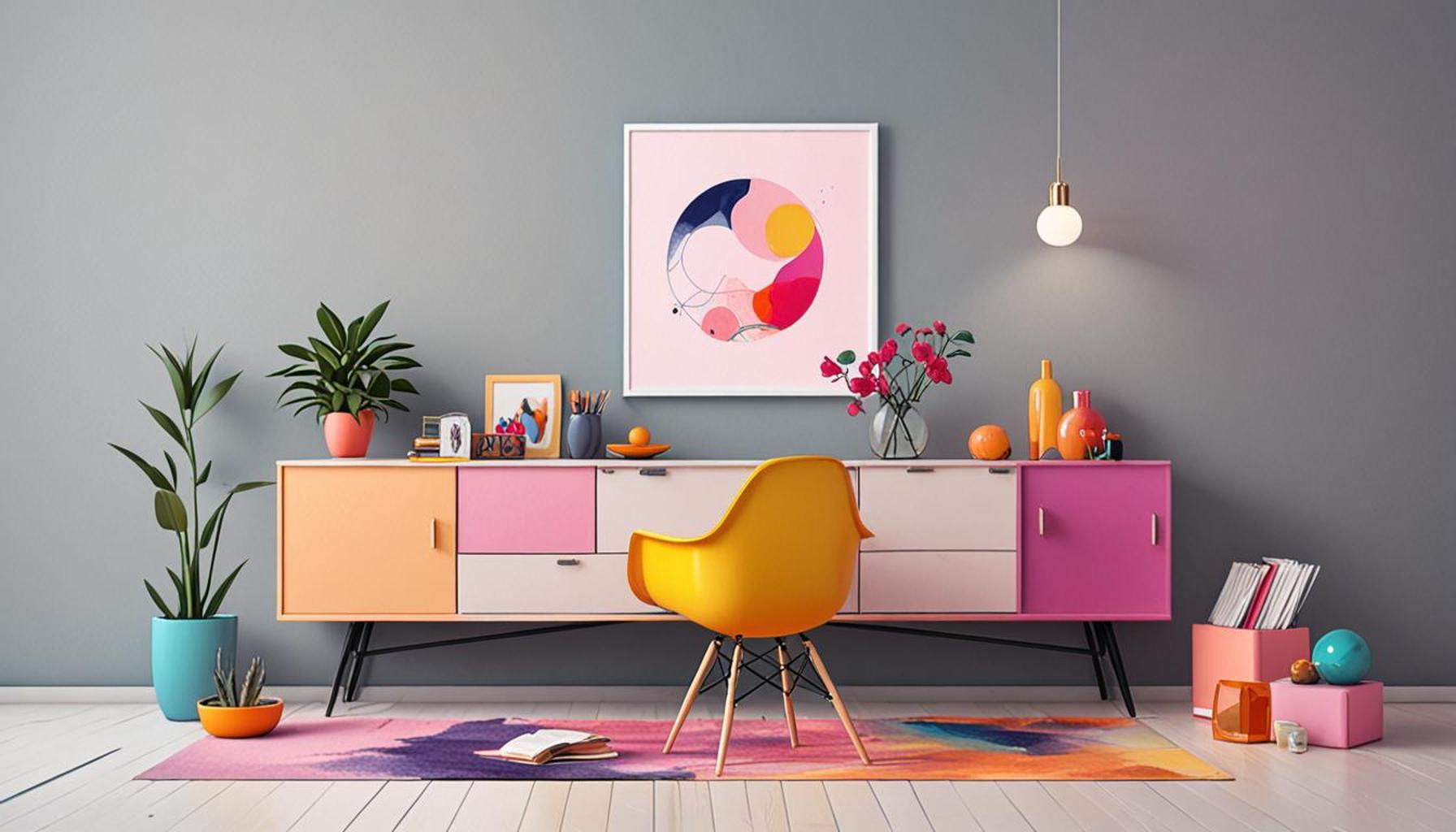
Intentional Design and Waste Reduction: How to Organize Spaces Sustainably
Embracing Sustainable Practices in Design
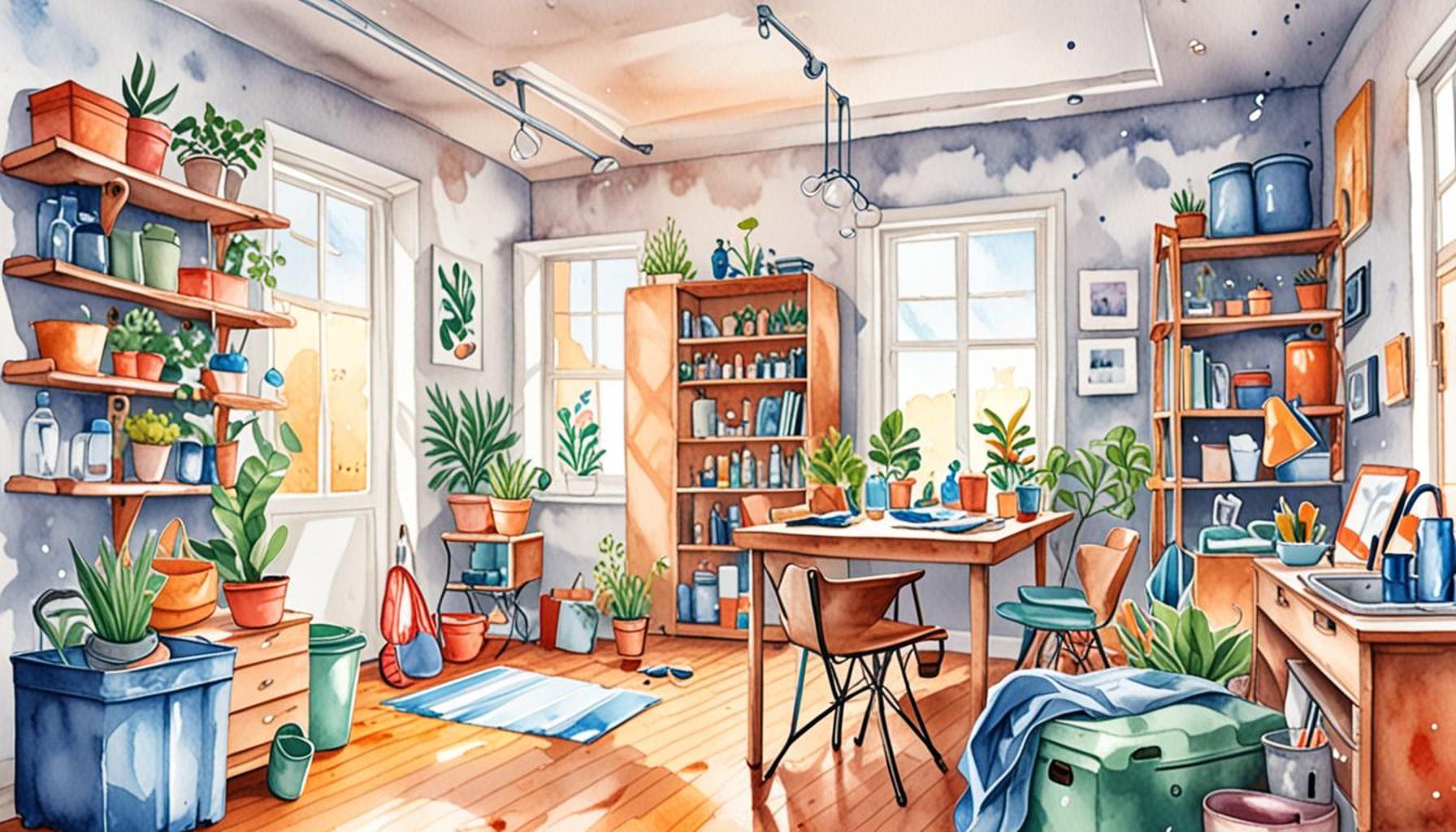
In today’s world, where environmental concerns are at the forefront, the concept of intentional design has gained popularity. It emphasizes creating spaces that are not only functional but also mindful of their impact on the planet. Waste reduction is a crucial aspect of this approach, encouraging us to rethink how we organize our surroundings while integrating sustainability into our daily lives.
The Essentials of Intentional Design
Intentional design is about making deliberate choices that benefit both users and the environment. The philosophy behind it is to consciously consider how our decisions affect not only our immediate surroundings but also the larger ecological system. Here are key elements to consider:
- Materials: Opt for sustainable, recyclable, or repurposed materials. For example, bamboo is a fast-growing plant often used in flooring and cabinetry due to its low environmental impact. Other options include recycled glass countertops or reclaimed wood furniture that tell a story while contributing to a sustainable future.
- Functionality: Design spaces that are adaptable and serve multiple purposes. A living room could also function as a home office or an artist’s studio with the right design choices, maximizing space and minimizing the need for additional rooms and resources.
- Energy Efficiency: Incorporate energy-saving technologies in your designs. For instance, using LED lighting, energy-efficient appliances, or installing solar panels can drastically reduce energy consumption and lower utility bills, making homes more sustainable and economically viable.
Waste Reduction Strategies
Reducing waste in organized spaces can significantly lessen our ecological footprint. The average American produces about 4.9 pounds of waste per day, making it imperative to adopt strategies that minimize this impact. Consider these methods:
- Minimize single-use items: Replace disposable products with reusable solutions. For example, using stainless steel water bottles instead of plastic ones can not only cut down on waste but also save money in the long run.
- Decluttering: Regularly assess items to avoid accumulation and ensure only necessary possessions remain. The minimalist trend encourages individuals to keep only what sparks joy, leading to less clutter and waste overall.
- Upcycling: Transform old items into upgraded versions rather than discarding them. Creative projects like turning an old ladder into a bookshelf or repurposing glass jars as decorative storage can invigorate your space while preserving resources.
By effectively blending the principles of intentional design with practical waste reduction strategies, we can create harmonious spaces that respect our environment and reflect individual style. As sustainable design continues to evolve, there’s a wealth of knowledge and resources available. Engaging in this journey not only has the potential to inspire personal transformation but also contributes to a collective effort toward a more sustainable future for generations to come. From online workshops on sustainable home design to community upcycling events, the avenues for involvement are expansive and enticing for anyone looking to make a positive impact.
DISCOVER MORE: Click here for insights on intentional design
Creating Spaces with Purpose and Integrity
As the conversation surrounding environmental responsibility grows louder, intentional design represents an increasingly essential paradigm. This philosophy seeks not only to enhance our environments aesthetically and functionally but also to foster a sustainable future. Let’s explore how implementing intentional design in our spaces is inherently linked to effective waste reduction strategies, altering our approach to organization and offering significant benefits both to our lives and the planet.
Key Principles of Sustainable Organization
To cultivate spaces that align with the principles of sustainability, it is crucial to adhere to a set of guiding principles within the realm of intentional design. Here are some foundational tenets to consider:
- Smart Space Allocation: Evaluate how every square foot of a room is utilized. Utilizing multi-functional furniture, such as storage ottomans or foldable tables, can significantly heighten space efficiency. This approach reduces the need for additional furniture purchases, thereby minimizing waste and promoting a cleaner environment.
- Simplified Color Palettes: Embrace the power of color in your decor. Utilizing a limited color palette can create a sense of harmony in any space and allow for easy mixing and matching of existing items, reducing the urge to buy new decor pieces and minimizing waste.
- Natural Light Maximization: Make the most of natural lighting by arranging furniture to enhance sunlight dispersion throughout your space. This shift reduces dependency on artificial lighting, leading to lower energy consumption and a palpable connection to the natural environment.
The Impact of Mindful Consumption
Transitioning to intentional design also beckons individuals to adopt a more mindful approach to consumption. The choices we make in our surroundings can have profound implications for waste reduction outcomes. Consider these strategies that align with sustainable practices:
- Invest in Quality Over Quantity: Choosing high-quality items that are durable and timeless may initially incur a higher expense, but they pay off in the long run by avoiding frequent replacements that contribute to landfill waste.
- Buy Local and Artisan-Made: Supporting artisans and local businesses can foster a sense of community while cutting down the carbon footprint associated with transporting goods over long distances. Crafted items also often showcase unique designs, adding character to your space.
- Implement Recycling Stations: Organize your living spaces by integrating designated recycling areas. Simple setups with clear labels can encourage the responsible disposal of paper, plastics, and metals, effectively promoting a process of reducing waste at the source.
When we weave together the philosophies of intentional design and waste reduction, we not only create spaces that are visually appealing and functional but also contribute to the health of our environment. As we actively seek to integrate sustainable practices into our daily lives, it is essential to remember that the journey toward eco-conscious living is both a personal and a collective effort. The choices we make in designing our spaces can inspire others and work toward generating significant change in our communities.
| Advantages | Benefits |
|---|---|
| Enhanced Aesthetics | Intentional design creates visually appealing spaces that promote comfort and productivity. |
| Resource Efficiency | Utilizing sustainable materials reduces consumption and minimizes environmental impact. |
| Improved Wellbeing | Thoughtful organization leads to less clutter, improving mental clarity and focus. |
| Waste Reduction | Implementing waste management strategies significantly lowers the amount of waste produced. |
| Financial Savings | Purchasing second-hand and durable items cuts costs long-term. |
Intentional design and waste reduction present a holistic approach to organizing spaces sustainably. By focusing on aesthetic appeal and functional efficiency, individuals and businesses can cultivate environments that not only serve their purpose but also contribute positively to the planet. Research indicates that environments designed with intention can lead to improved well-being, amplifying productivity levels and creativity. Moreover, utilizing resources effectively and embracing sustainable materials enhances both the beauty and functionality of a space, paving the way for innovative designs that challenge traditional standards. Implementing effective waste management strategies can drastically cut down on landfill contributions, while also encouraging a culture of sustainability within communities. This shift not only fosters a healthier planet but also reinforces the importance of making conscious choices, ultimately leading to financial savings when investing in long-lasting solutions. This ongoing commitment to sustainability through intentional design provides a roadmap for individuals looking to make a significant impact on their environments, urging readers to rethink their spaces.
DISCOVER MORE: Click here to dive deeper
Integrating Nature and Technology in Sustainable Spaces
As we explore further into the interplay between intentional design and waste reduction, it becomes clear that integrating elements from both nature and technology can create harmonious environments that minimize our ecological footprint. By fostering a closer relationship between our living spaces and the natural world, we can encourage sustainable practices that contribute to a healthier planet.
Biophilic Design: A Natural Approach
One of the most compelling strategies in sustainable organization is the concept of biophilic design. This approach emphasizes the innate connection humans have with nature, integrating natural elements into living spaces to promote well-being. Here are some effective methods for incorporating biophilia in your spaces:
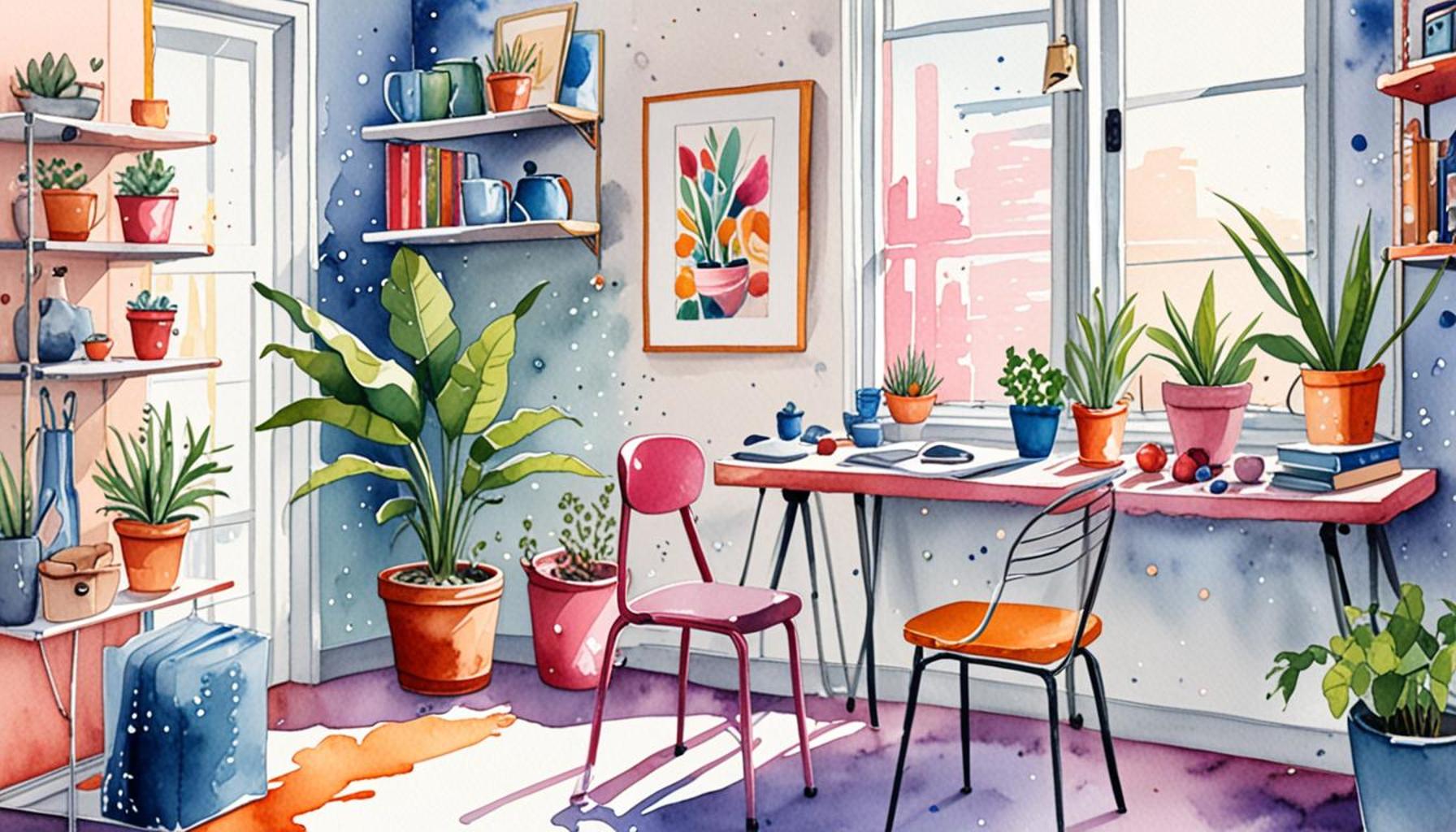
- Houseplants: Adding greenery to your home not only enhances aesthetic appeal but also improves air quality. Research shows that certain houseplants, like snake plants and pothos, can purify indoor air and absorb pollutants, creating a healthier environment.
- Natural Materials: Utilize sustainably sourced materials such as bamboo, reclaimed wood, or cork. These materials not only reduce the demand for virgin products but also bring warmth and texture to a space, fostering a more tranquil atmosphere.
- Connection to Outdoor Spaces: If possible, create a seamless transition between your indoor and outdoor areas. Open up sliding doors to a patio or terrace, which encourages natural ventilation and sunlight, thus reducing the need for air conditioning and artificial lighting.
The Role of Technology in Sustainable Design
While nature plays a vital role in intentional design, technology also offers innovative tools for enhancing sustainability. Integrating smart technology into our spaces can lead to significant waste reduction:
- Energy Monitoring Systems: Utilize smart home technology to track and manage energy consumption. Devices like smart thermostats and energy monitors allow residents to analyze patterns and adjust their energy use accordingly, leading to lower utility bills and reduced environmental impact.
- Smart Water Systems: Efficient water use is crucial for sustainability. Smart irrigation systems utilize weather data to optimize water usage in gardens, significantly conserving resources while maintaining plant health. Inside, low-flow faucets and showerheads can greatly reduce water waste.
- Recycling and Waste Management Apps: Take advantage of technology to manage waste effectively. Numerous applications provide information on local recycling guidelines and help track the types and amounts of waste generated, leading to more informed decisions in waste reduction.
The combination of biophilic design elements and cutting-edge technology presents a powerful means of creating intentional spaces that echo the principles of sustainability. By appreciating the relationships formed through thoughtful design and innovative resources, we can cultivate environments that not only meet our modern needs but do so in a way that respects our planet. As we continue to reimagine our spaces through this lens, the prospect of sustainable living becomes more tangible, fostering a legacy of ecological consciousness for future generations.
DIVE DEEPER: Click here to learn more
Conclusion: A Sustainable Future Through Intentional Design
In an era where sustainability is more than just a trend, embracing intentional design offers an effective pathway to waste reduction and environmental stewardship. By thoughtfully organizing our spaces, we engage in a collective effort that transcends individual actions and resonates within communities. The integration of natural elements and innovative technology not only enhances aesthetic appeal but actively contributes to the health of our planet.
From the incorporation of biophilic design principles to the use of smart home technologies, the possibilities are vast. Simple measures such as incorporating houseplants can drastically improve indoor air quality, while smart thermostats allow us to monitor and reduce energy usage efficiently. This synergistic blend of nature and technology represents a forward-thinking approach to living sustainably.
As we reflect on our personal environments, we must ask: How can we design spaces that promote harmony with the earth? The answers lie in our choices—from selecting sustainable materials to minimizing waste production through conscientious habits. Each decision counts toward fostering a sustainable legacy.
Ultimately, embracing intentional design is not merely about aesthetics but about generating meaningful change for future generations. By understanding the impact of our organizational habits, we encourage a culture of sustainability that reverberates far beyond our individual spaces. As we reshape our surroundings, let us remain committed to a vision of a world where thoughtful design and mindful living coalesce for the greater good.