
Cultivating Mindful Spaces: Designing Environments that Foster Clarity and Peace
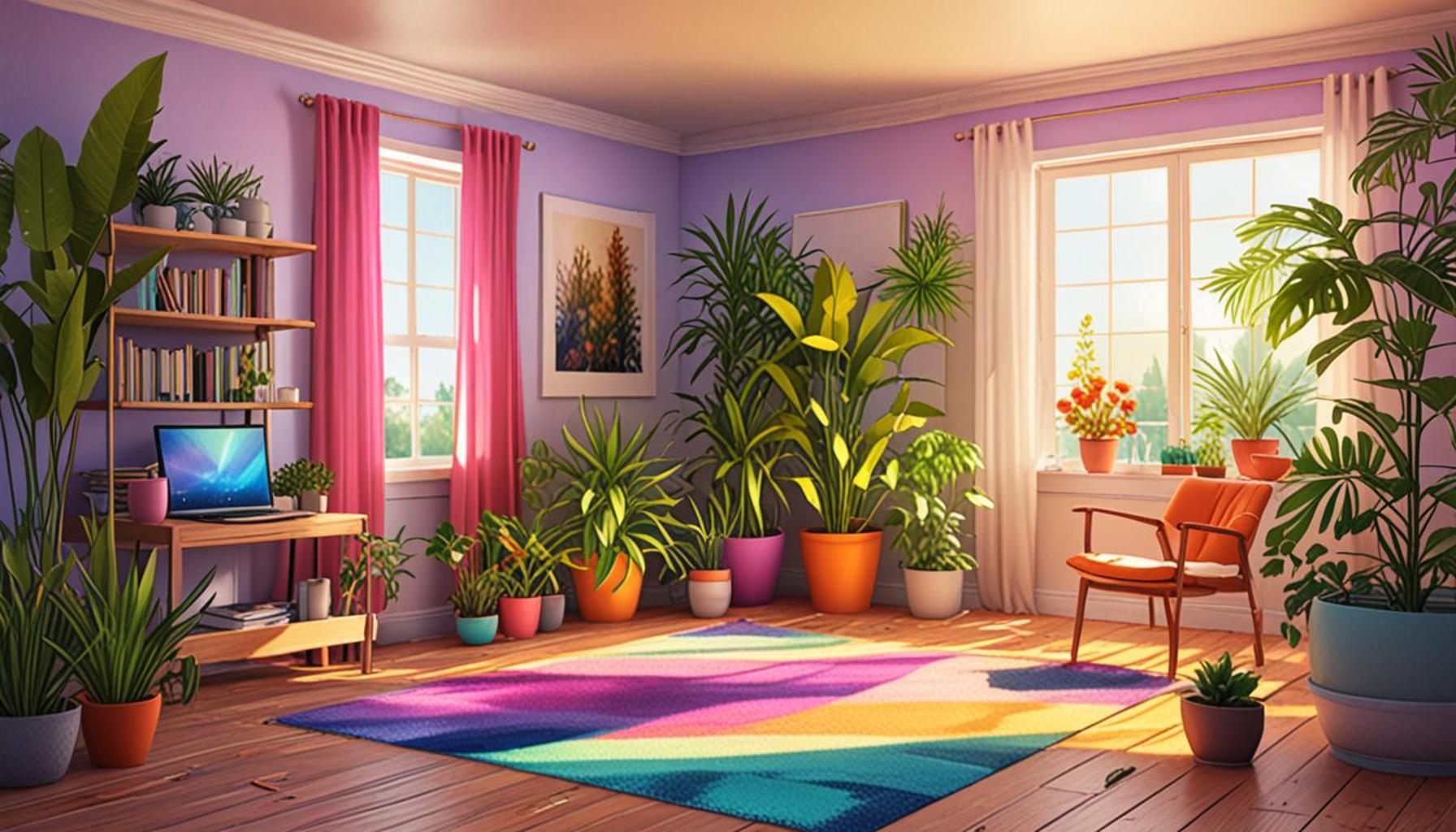
Creating Mindful Spaces for Enhanced Well-Being
In an era where constant notifications and endless to-do lists dominate our daily existence, the importance of carving out spaces that foster mindfulness cannot be overstated. Mindful spaces serve as sanctuaries where individuals can step away from the chaos of everyday life, offering a retreat that promotes clarity and peace. In doing so, these environments play a crucial role in enhancing overall well-being and mental health.
Picture a personal sanctuary designed to invite tranquility—be it a cozy reading nook filled with books and soft cushions, a lush garden brimming with native flowers, or a minimalist office that prioritizes focus. The design of these spaces is essential, requiring attention to various key elements that impact our mood and mental clarity.
Natural Light
One of the most effective ways to boost mood and energy is by maximizing natural light. Incorporating large windows or skylights allows sunlight to flood the space, making it feel alive and vibrant. Studies have shown that exposure to natural light can increase serotonin levels, leading to improved mood and enhanced productivity. For instance, a sun-drenched workspace can make the difference between a dull workday and an inspiring one, allowing individuals to feel more engaged and focused.
Textures
The use of textures is another crucial aspect of mindful design. Soft fabrics such as cotton throws, plush rugs, and linen pillows create a tactile experience that calms the senses. Natural materials like wood, stone, and bamboo not only contribute to aesthetic beauty but can also instill a sense of grounding and connection to nature. Imagine sinking into a plush armchair draped with a cozy blanket as you sip your favorite herbal tea—instantly, you feel your stress begin to fade.
Color Palette
The choice of colors within a space plays a significant role in fostering a peaceful atmosphere. It’s beneficial to opt for soothing tones such as greens and blues, which are known to promote relaxation and reduce anxiety. A living room painted in soft sage can evoke a sense of calmness, providing the perfect backdrop for unwinding after a long day. You can take inspiration from nature, which presents a myriad of calming colors, to design your own sanctuary.
Encouraging Mindfulness Activities
Beyond aesthetic qualities, spaces designed with mindfulness in mind often include areas that encourage activities promoting mental clarity. Consider establishing quiet zones within your home, where you can meditate, reflect, or simply enjoy a moment of solitude away from distractions. A small corner with comfortable seating, soft lighting, and perhaps a waterfall fountain can serve as an ideal retreat. Additionally, incorporating greenery can elevate the mood of any space; studies suggest that having houseplants can improve air quality and provide a calming effect, making you feel more energized and positive.
Furthermore, maintaining decluttered areas is essential for mental clarity. A minimalist approach reduces distractions, calming the mind and helping individuals focus on the tasks at hand. By simply keeping surfaces clear and organizing belongings, you can create a more serene environment that nurtures creativity and productivity.
By intentionally cultivating mindful environments, individuals can reclaim their focus and experience moments of peace amid life’s hustle and bustle. Whether it’s enhancing a work environment or redesigning a personal retreat, the investment in mindful spaces is an empowering step toward improving our quality of life. Such transformations are not just practical—they are essential for implementing wellness into our daily routines.
DIVE DEEPER: Click here to discover more
Key Elements of Mindful Space Design
Create an environment that speaks to your senses, invigorates your spirit, and calms your mind. Cultivating mindful spaces requires an understanding of the pivotal elements that together foster both clarity and peace in our lives. By integrating well-researched design principles, you can transform any area—from a corner of your home to an office cubicle—into an oasis of mindfulness. Here are some of the essential components that contribute to creating such spaces:
Natural Elements
The integration of natural elements is fundamental in fostering a sense of peace. Biophilic design—an approach that seeks to connect people with nature—suggests that incorporating plants, water features, and natural light enhances well-being. Numerous studies have highlighted that interacting with nature can reduce stress, elevate mood, and improve focus. A simple way to integrate this into your space is by adding indoor plants such as pothos, snake plants, or peace lilies. Not only do they beautify the environment, but they also help purify the air, further enhancing the atmosphere of tranquility.
Comfortable Layout
Another pivotal aspect is establishing a comfortable layout. The arrangement of furniture and the flow of a space can significantly impact how inviting it feels. Ensuring comfortable seating that accommodates relaxation and social interaction is crucial. Avoid overcrowding a space with furniture; instead, create a harmonious flow that allows movement and interaction without the feeling of constriction. Zoning different areas for specific activities, such as a reading nook or a meditation corner, can also enhance the functional use of the space.
Sound Design
Sound design is often overlooked, yet it is a crucial component in creating mindful environments. The sounds that fill a space can evoke various emotions, so consider incorporating elements that promote serenity. Soft background music, the gentle rustle of leaves, or even a soothing water fountain can provide a peaceful ambiance. Additionally, the use of noise-canceling materials—such as carpets or upholstered furniture—can dampen harsh noises, allowing for an atmosphere conducive to focus and reflection.
Mindful Decor
Every item in your space can carry energy that influences your emotional state. Mindful decor emphasizes choosing pieces that resonate with you personally and have a positive impact on your mental state. This might include artwork that inspires you, photographs that remind you of cherished memories, or handcrafted items that reflect your values and aesthetics. By selecting decor with intention, you not only beautify your space but also create an environment that nurtures your well-being.
- Incorporate plants to enhance air quality and beauty.
- Choose comfortable furniture that invites relaxation.
- Utilize sound elements like gentle music and nature sounds.
- Select decor items that inspire and motivate you.
By carefully considering these elements and their impacts, you can cultivate mindful spaces that are not merely functional but are also a source of peace and clarity. Engaging with your environment in this intentional manner can lead to a profound shift in how you experience daily life, encouraging a more balanced and fulfilled existence.
| Category | Details |
|---|---|
| Natural Elements | Incorporating plants and natural light enhances well-being and reduces stress. |
| Color Psychology | Using calming colors like blues and greens can create a tranquil atmosphere. |
The design of our environments plays a pivotal role in enhancing clarity and peace. One essential aspect is the integration of natural elements, which not only improve air quality but also invoke a sense of calm. Studies show that rooms filled with greenery promote mental clarity and a connection to nature. Alongside plants, understanding color psychology is crucial in designing mindful spaces. Colors can evoke emotions and set the tone for an area. For instance, hues of blue are often linked to tranquility, while greens instill a sense of renewal. Further exploring these elements can lead to creating environments that truly foster peace. Research in interior design supports the concept of spatial harmony as a significant contributor to our overall mental health. By acknowledging and leveraging these principles, individuals can curate spaces that not only look appealing but are transformative for the mind and spirit.
DISCOVER MORE: Click here for essential tips on organizing your personal spaces
Color and Light: The Essence of Atmosphere
The color scheme of a space can profoundly influence mood and emotional well-being. Colors have the power to evoke specific feelings and can either calm or invigorate a person. For example, soft pastels like light blue and green are renowned for their ability to create a sense of tranquility and peace, making them ideal choices for bedrooms or meditation spaces. Meanwhile, brighter colors like yellow can evoke cheerfulness and energy, perfect for creative spaces or kitchens. When designing mindful spaces, it’s essential to consider how different colors affect your emotional state and choose hues that foster the desired atmosphere.
Equally important is lighting. Natural light is critical in enhancing not only the visual appeal of a space but also its psychological impact. Studies have shown that exposure to natural light can improve mood, energy levels, and even productivity. Large windows, skylights, or light tubes are excellent ways to bring the outdoors inside. However, in areas where natural light is scarce, utilizing warmer artificial lighting can create a cozy and inviting ambiance. Dimmers can also be beneficial, allowing you to adjust the light levels according to the activities or time of day, ensuring your space remains a sanctuary of comfort.
Intentional Organization and Decluttering
In a world filled with distractions, the power of intentional organization cannot be overstated. A cluttered environment can lead to a cluttered mind, making it challenging to focus and achieve a sense of peace. To cultivate mindful spaces, prioritize decluttering and organizing your belongings. This process should go beyond mere tidiness—it involves thoughtfully deciding which items truly serve you and spark joy, as famously advocated by organizer Marie Kondo.
Incorporating efficient storage solutions, such as baskets, shelves, and boxes, can also enhance organization while contributing to a clean aesthetic. Utilizing hidden storage options can help maintain the visual simplicity of the space, allowing for a more peaceful atmosphere that encourages mindfulness and clarity. Furthermore, implementing a regular maintenance routine to keep clutter at bay can ensure that your space retains its serene qualities over time.
Purposeful Movement and Flexibility
A mindful environment should also accommodate purposeful movement. Consider how you can design spaces that encourage physical activity and relaxation interchangeably. Furniture on wheels, for instance, can allow for easy reconfiguration, facilitating both social gatherings and solitary contemplation. Furthermore, creating open areas where activities such as yoga or stretching can take place fosters a dynamic flow that’s indispensable for personal well-being.
For those working from home, incorporating standing desks or adjustable ergonomic furniture not only enhances comfort but also promotes movement throughout the workday. Being able to alternate positions not merely enhances physical health, but also sustains mental clarity and reduces fatigue, contributing to an overall mindfully curated workspace.
- Utilize calming color palettes to enhance tranquility.
- Maximize natural light while using soft artificial lighting.
- Focus on intentional decluttering to promote clarity.
- Encourage movement through flexible and adaptable space design.
These elements intertwine to create mindful spaces that resonate with positivity and functionality. By leveraging the power of color, light, organization, and movement, you can formulate an environment that not only promotes clarity and peace but also nurtures your personal experience and promotes holistic well-being.
DIVE DEEPER: Click here to discover how intentional design shapes daily rituals</
Conclusion: The Journey Toward Mindful Spaces
The art of cultivating mindful spaces is a profound journey that encompasses thoughtful design and intentional choices. By integrating elements such as soothing color palettes, natural lighting, and intentional organization, we can create environments that not only enhance our physical surroundings but also elevate our mental well-being. Each aspect of our living spaces—whether it’s the calming aura of soft hues or the invigorating energy of natural light—plays a pivotal role in promoting clarity and peace in our lives.
Moreover, adopting purposeful movement through adaptable furniture and flexible layouts ensures that our spaces accommodate both relaxation and productivity, accommodating our diverse needs throughout the day. A mindful environment supports our well-being by offering a retreat from the chaos of the outside world, allowing us to recharge, reflect, and reset.
As we embark on this quest to design spaces that resonate with positivity and tranquillity, we should remember that cultivating mindfulness in our environments is not just about aesthetics; it’s about creating a haven that nurtures our spirit and encourages personal growth. By fostering clarity and peace in our surroundings, we ultimately enhance our capacity to focus and thrive in our daily lives.
As you consider your own spaces, reflect on how these principles could uplift your journey towards a more mindful life. The potential for transformation is vast, inviting you to redefine what a nurturing environment means in your personal quest for well-being.