Simplified Living and the Importance of Personal Space: Creating Environments that Calm the Mind
The Allure of Simplified Living
In recent years, the prevailing lifestyle trend has shifted remarkably towards *simplified living*. This inclination feels particularly relevant as people grapple with the complications of modern life. Amid the constant barrage of information, stressors, and commitments, individuals are increasingly exploring methods to declutter not only their physical spaces but also their mental environments. This cultural shift emphasizes an emerging recognition of the profound impact our surroundings have on our mental health and overall well-being.
Creating personal spaces that are conducive to tranquility not only nurtures individual peace but can be truly transformative. Central to this endeavor are essential elements that define simplified living:
- Minimalism: The practice of minimalism involves intentionally reducing physical possessions to focus on what truly matters. By eliminating unnecessary items, individuals often discover the clarity that comes with a simplified space. For example, in major cities like New York or San Francisco, where living spaces can be markedly smaller, many residents find that a minimalist approach helps them maximize space while reducing feelings of overwhelm.
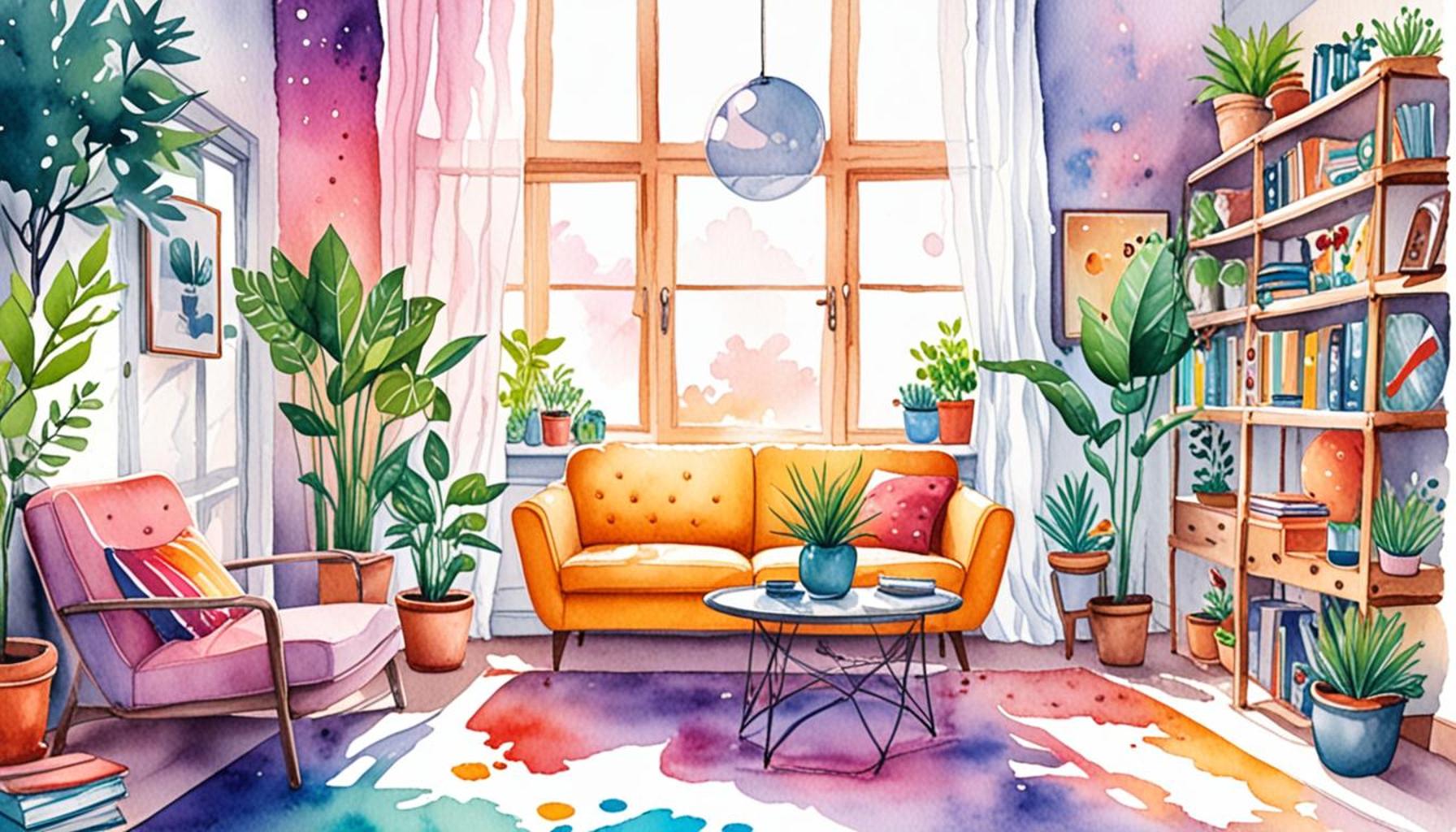
- Nature Integration: Incorporating elements of nature into personal spaces is another effective strategy. Studies suggest that having houseplants can reduce stress and improve air quality, resulting in a more serene atmosphere. Whether it is a small herb garden in the kitchen or larger potted plants in the living room, nature serves not only as a decorative element but also as a source of calm.
- Personal Touch: It’s essential to personalize spaces with items that evoke joy, such as artworks, photographs, or souvenirs from meaningful experiences. For instance, a collage of family photos or a curated shelf of travel mementos can spark happiness and promote a sense of belonging.
The relationship between environment and mental well-being is supported by research. A thoughtfully designed space can lead to:
- Reduced Stress: Spaces characterized by simplicity and calm can significantly diminish stress levels. By minimizing distractions, such environments become sanctuaries where individuals can recharge.
- Increased Productivity: A clean and well-organized environment often enhances focus and inspires creativity. For many working from home, having a dedicated workspace that is free of clutter can lead to more productive days.
- Improved Relationships: Shared environments that prioritize calm can create stronger social connections. Family members or roommates who participate in maintaining a peaceful space may find it easier to communicate and collaborate.
As this movement towards *personal space* gains momentum across the United States, it becomes increasingly clear that cultivating an environment that prioritizes peace is more than just a trend; it’s a necessity for achieving a balanced and fulfilling life. With the right strategies, anyone can embark on a journey toward a more harmonious existence, discovering not only the beauty of simplified living but also the invaluable benefits it offers.
Dive Deeper: Click here to learn about the impact of design on colors and textures</
Essentials of Creating a Calming Environment
To truly embrace the premise of simplified living and its connection to personal space, it is essential to address the strategic changes one can make in their daily surroundings. Simple adjustments can facilitate not only a more organized living area but also a mindset that favors tranquility. Understanding the key components that contribute to a calming environment can help individuals tailor their spaces in ways that enhance their mental health.
Organization and Decluttering
First and foremost, organization is a cornerstone of simplified living. Clutter can engender feelings of anxiety and distract from daily tasks. To combat this, creating zones within one’s personal area can be tremendously beneficial. This might include:
- Dedicated Workspaces: Designating a specific area for work can help create a mental barrier between productivity and leisure. Equipping this space with the necessary tools while ensuring it remains clutter-free fosters a focused mindset.
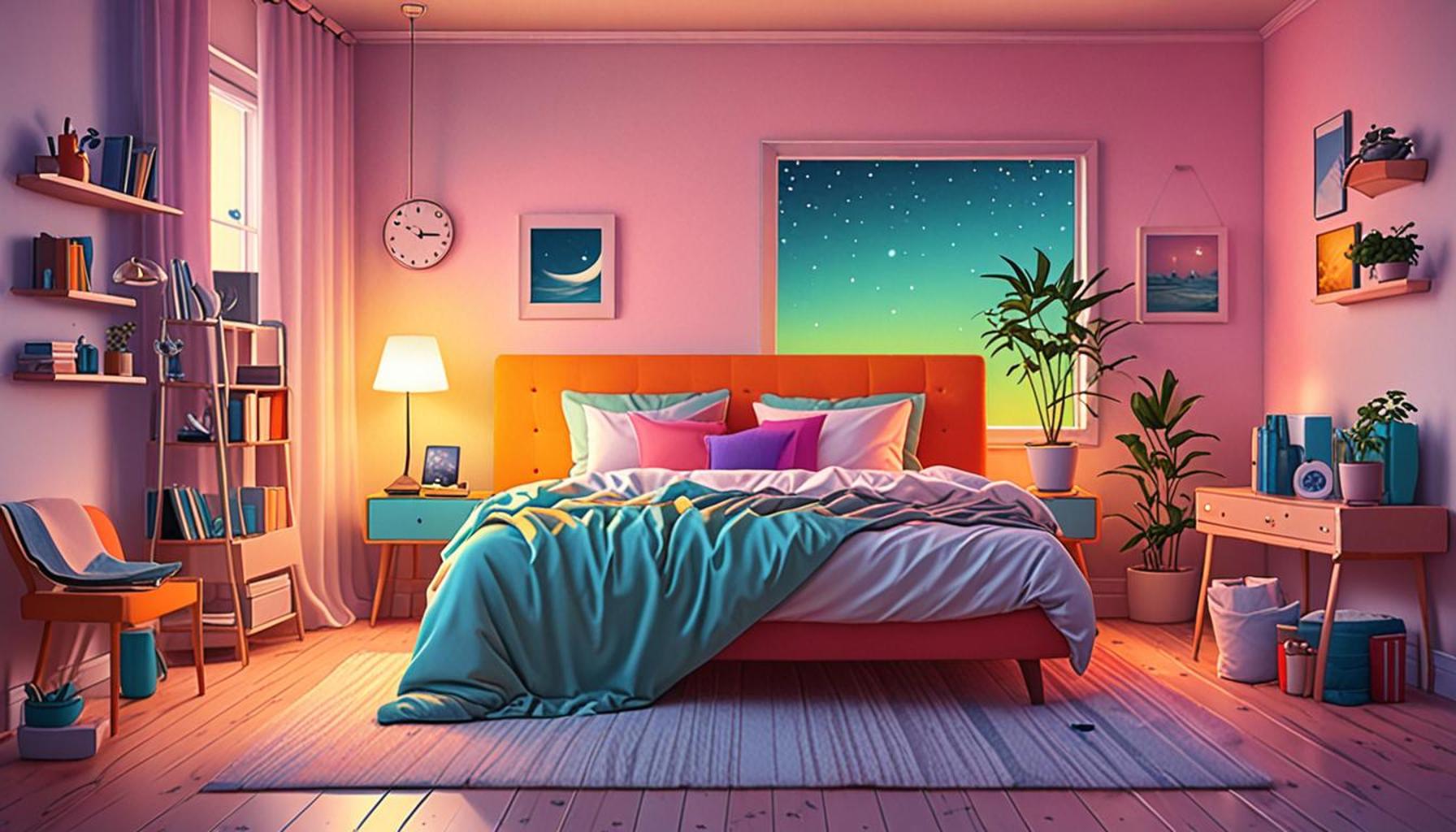
- Relaxation Areas: Similarly, creating a peaceful nook for relaxation—perhaps with a cozy chair and warm lighting—offers a retreat for unwinding at the end of the day.
- Seasonal Reassessment: As seasons change, so do the items we use. Regularly assessing and rotating belongings can prevent buildup and ensure that what remains in the space serves a purposeful role.
By establishing clear boundaries around each space, individuals can shift their mindset to match the tasks at hand, whether they are engaging in focused work or nurturing relaxation.
Mindful Decor Choices
In addition to organization, decor choices profoundly influence the atmosphere of personal spaces. Every item within an environment should serve a dual purpose—functionality and visual appeal. When selecting decor, consider the following approaches:
- Soft Textures: Incorporating textiles such as plush rugs, soft blankets, and pillows can create an inviting ambiance that enhances comfort.
- Soothing Color Palettes: Colors have the power to elicit emotional responses. Choosing softer shades—such as pastels and earth tones—can foster a sense of calm and relaxation throughout the space.
- Art that Resonates: Choosing artwork that speaks to personal experiences can instill a sense of pride and familiarity within the space, creating a comforting atmosphere.
By prioritizing these elements and genuinely reflecting on what items bring joy, individuals can curate an environment that not only simplifies life but also nurtures the mind.
The ripple effect of a calming, well-organized space extends beyond individual well-being. As personal spaces become sanctuaries, the essence of simplified living lights a path to enrich overall life quality, connecting the physical environment with mental wellness and emotional harmony.
Understanding Simplified Living
Simplified living is not just a trend; it is a lifestyle that encourages individuals to declutter their physical and mental spaces. By adopting this ethos, individuals can experience a sense of peace and empowerment, allowing for a more mindful approach to daily life. The essence of simplified living emphasizes prioritization over excess, where removing distractions leads to heightened awareness and focus.
One of the keystones to achieving this clarity is the creation of personal space. A well-organized, tranquil environment fosters calmness and allows for introspection. When a space is devoid of chaos, it not only elevates physical comfort but also contributes to mental well-being.
The Impact of Personal Space on Mental Health
Research has shown that an inviting and serene personal space can significantly reduce stress and anxiety levels. According to studies, individuals who nurture their environments often report feeling more in control and less overwhelmed by daily pressures. The arrangement of one’s surroundings plays a pivotal role in shaping emotional states and overall well-being.
A personal space that reflects individuality and promotes tranquility can serve as a sanctuary from the outside world’s demands. This is especially crucial in today’s fast-paced society, where the line between work and home life often blurs. Emphasizing the importance of designated spaces allows for both separation and a sense of belonging.
| Advantages of Simplified Living | Features of Personal Space |
|---|---|
| Enhances Mental Clarity | Organized and Intentionally Designed |
| Reduces Stress Levels | Reflection of Personal Identity |
By exploring these advantages and features, we unlock the potential to create spaces that not only calm the mind but also enrich our lives with purpose and tranquility. Embracing a lifestyle of simplified living signifies a deeper relationship with one’s environment, crucial for mental well-being and personal growth.
DISCOVER MORE: Click here to delve deeper
Incorporating Nature and Natural Elements
Another significant aspect of simplified living is the integration of nature into personal spaces. Numerous studies highlight the mental health benefits of nature, including reduced stress levels and enhanced overall mood. Here are some vital strategies to consider when incorporating nature into personal environments:
- Indoor Plants: Adding greenery to your space can drastically improve air quality and elevate mood. Plants such as snake plants or peace lilies not only purify the air but also require minimal maintenance, making them ideal for a simplified lifestyle. Placing them in various locations—near windows, on desks, or in relaxation areas—encourages interaction with nature throughout the day.
- Natural Light: Maximizing natural light is essential for creating a calming atmosphere. Positioning furniture to allow sunlight to flood the space can infuse it with positivity and warmth. If natural light is limited, consider daylight-mimicking bulbs to recreate a more serene environment.
- Nature-Inspired Decor: Incorporating elements inspired by the outdoors, such as wooden furniture, stone decor, or paintings featuring natural landscapes, can foster a connection to nature without the need for extensive alterations. These design choices create a soothing atmosphere that reinforces a sense of balance and tranquility.
Bringing nature indoors transcends mere aesthetics; it establishes a holistic environment that nurtures the mind and promotes peace.
Establishing Personal Routines
A well-curated physical space serves as a canvas for personal routines that promote mental clarity and peace. Creating order in one’s schedule is just as vital as organizing the physical environment. Here are elements to consider when crafting a routine that cultivates wellness:
- Intention Setting: Start each day by setting clear intentions. This practice can be as simple as journaling or meditating, providing a grounding moment that encourages mindfulness and focus. Designing a moment or space for this practice can help reinforce habits that prioritize well-being.
- Digital Detox: Taking regular breaks from screens can lighten mental load and improve focus. Establishing ‘screen-free’ zones or times can create spaces in which individuals can recalibrate and engage with their surroundings without distractions.
- Mindful Movement: Incorporating activities such as yoga or stretching in designated areas encourages connection with the body while fostering relaxation. Spaces designed for such activities should be free from clutter and equipped with calming elements like soft lighting or soothing sounds.
Creating routines that facilitate a sense of calm is as important as the environment in which they occur. This curated approach allows individuals to experience mental clarity and balance in all aspects of their lives.
The Role of Sound and Scent
A less frequently discussed aspect of calming environments is the influence of sound and scent. These multimedia elements can also be deliberately curated to enhance personal spaces:
- Soundscapes: Implementing soft background music, nature sounds, or even white noise machines can create an atmosphere conducive to focus and relaxation. The right auditory environment can significantly impact stress levels and productivity, prompting individuals to explore sound options that resonate with their preferences.
- Aromatic Therapy: Using essential oils, scented candles, or incense can create inviting scents that calm the mind. Scents such as lavender and chamomile are known for their soothing properties, helping to anchor a peaceful mood and enhance the overall ambiance of the personal space.
By addressing the auditory and olfactory components of a living space, individuals can further refine their environments, making them comprehensive sanctuaries for mental peace and tranquility.
DISCOVER MORE: Click here to learn about intentional design in minimalist spaces
Conclusion
In our increasingly chaotic world, the concept of simplified living emerges as a vital antidote, fostering an environment that prioritizes mental peace and personal well-being. The careful curation of personal space, intertwined with strategies that incorporate nature, establish routines, and enhance sensory experiences, is paramount in crafting sanctuaries free from distractions and stressors.
By embracing indoor greenery, we not only bring life into our homes but also tap into nature’s restorative powers. Maximizing natural light illuminates our paths to tranquility, while nature-inspired decor helps maintain a connection with the serenity of the outdoors. Additionally, adopting intentional routines—like intention setting and mindful movement—serves to anchor our days in clarity and purpose, inviting calmness into even the busiest of schedules.
Moreover, the auditory and olfactory elements of our environments are equally essential, as they shape our emotional responses. Creating soundscapes that soothe and introducing aromatic therapies can dramatically transform a space into a haven of serenity. As we explore the intricate relationship between our surroundings and mental health, it becomes evident that every choice we make regarding our personal spaces can have a profound impact on our state of mind.
Ultimately, simplified living is not merely a trend; it is a conscious lifestyle choice that empowers individuals to prioritize their mental well-being. By considering the interconnectivity of personal space, nature, routine, and sensory experiences, we can pave the way for a more balanced and peaceful existence. Now, more than ever, it’s clear that investing in our environments translates to investing in ourselves.