The Importance of Natural Light: How Minimalism Can Maximize Spatial Efficiency in Indoor Environments
Unlocking the Benefits of Light and Space
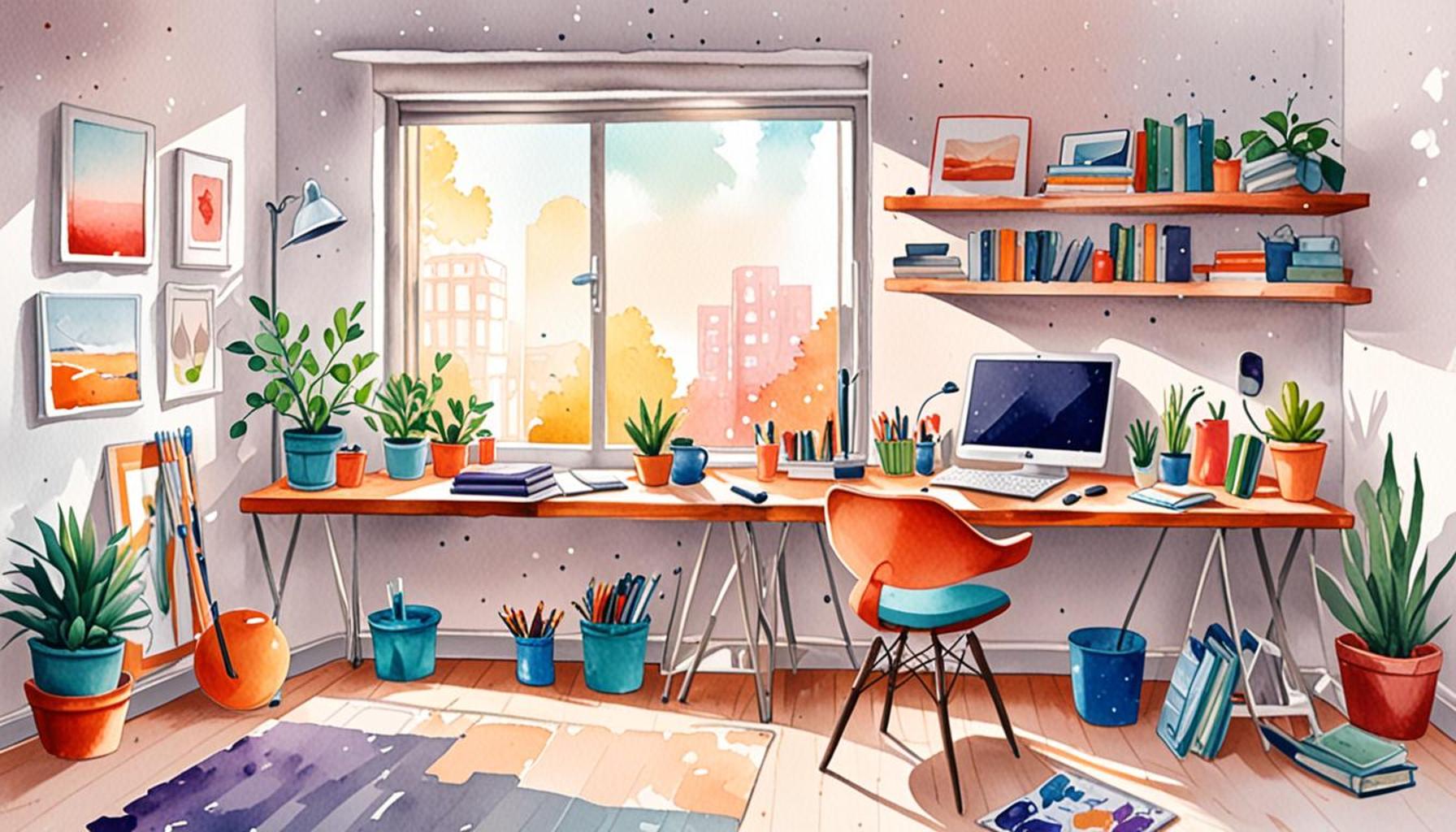
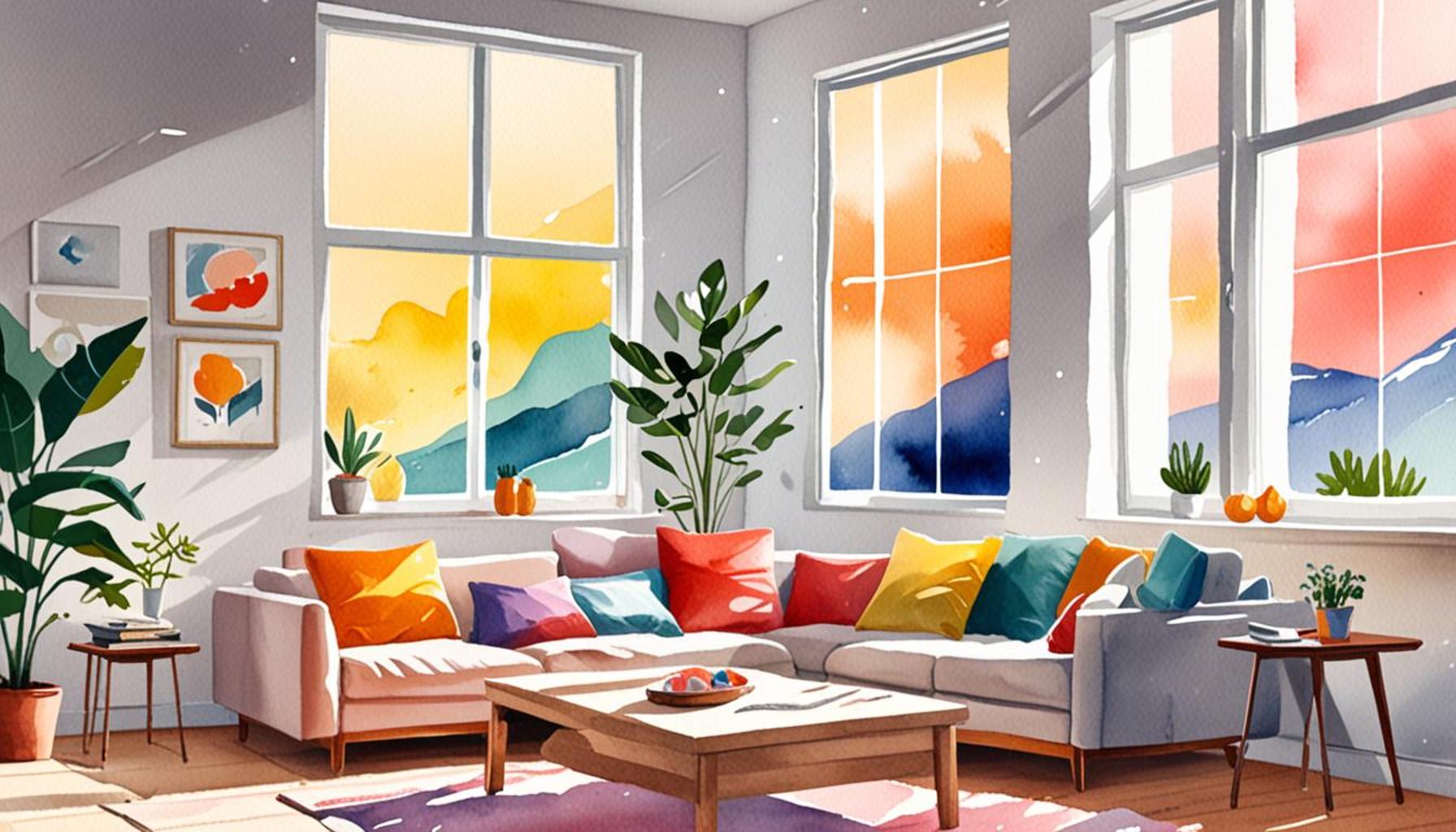
In today’s fast-paced world, our indoor environments often feel cramped and chaotic. The influx of digital technology has led to a rise in physical clutter, which in turn detracts from our mental clarity. One solution to this problem lies in harnessing natural light and adopting a minimalist approach that focuses on quality over quantity.
So, why is natural light so essential for indoor spaces? Here are a few compelling reasons:
- Improves Mood: Numerous studies have indicated that exposure to sunlight can enhance mood and overall well-being. Sunlight stimulates the production of serotonin, a hormone linked to feelings of happiness and focus. For example, individuals working in offices with ample natural light report higher job satisfaction compared to those in windowless environments.
- Boosts Productivity: Research illustrates that people who work in spaces filled with natural light tend to be more productive and efficient. A study conducted by the Heschong Mahone Group discovered that employees with access to windows could perform 15% better in productivity than those without. This boost in focus is essential in workplaces pushing for innovation and creativity.
- Reduces Energy Costs: Utilizing daylight not only benefits your mood but also your wallet. By maximizing the use of natural light during daylight hours, homeowners can significantly reduce their reliance on artificial lighting, leading to lower electricity bills. According to the U.S. Department of Energy, homes that strategically use natural light can save 30-40% on energy costs.
When paired with a minimalist lifestyle, the beneficial effects of natural light become even more pronounced. The fundamental principles of minimalism encourage:
- Less Clutter: A clean space allows light to fill the room, creating an open, airy atmosphere that fosters creativity. Decluttering not only frees up mental space but also enables a more effortless flow of light.
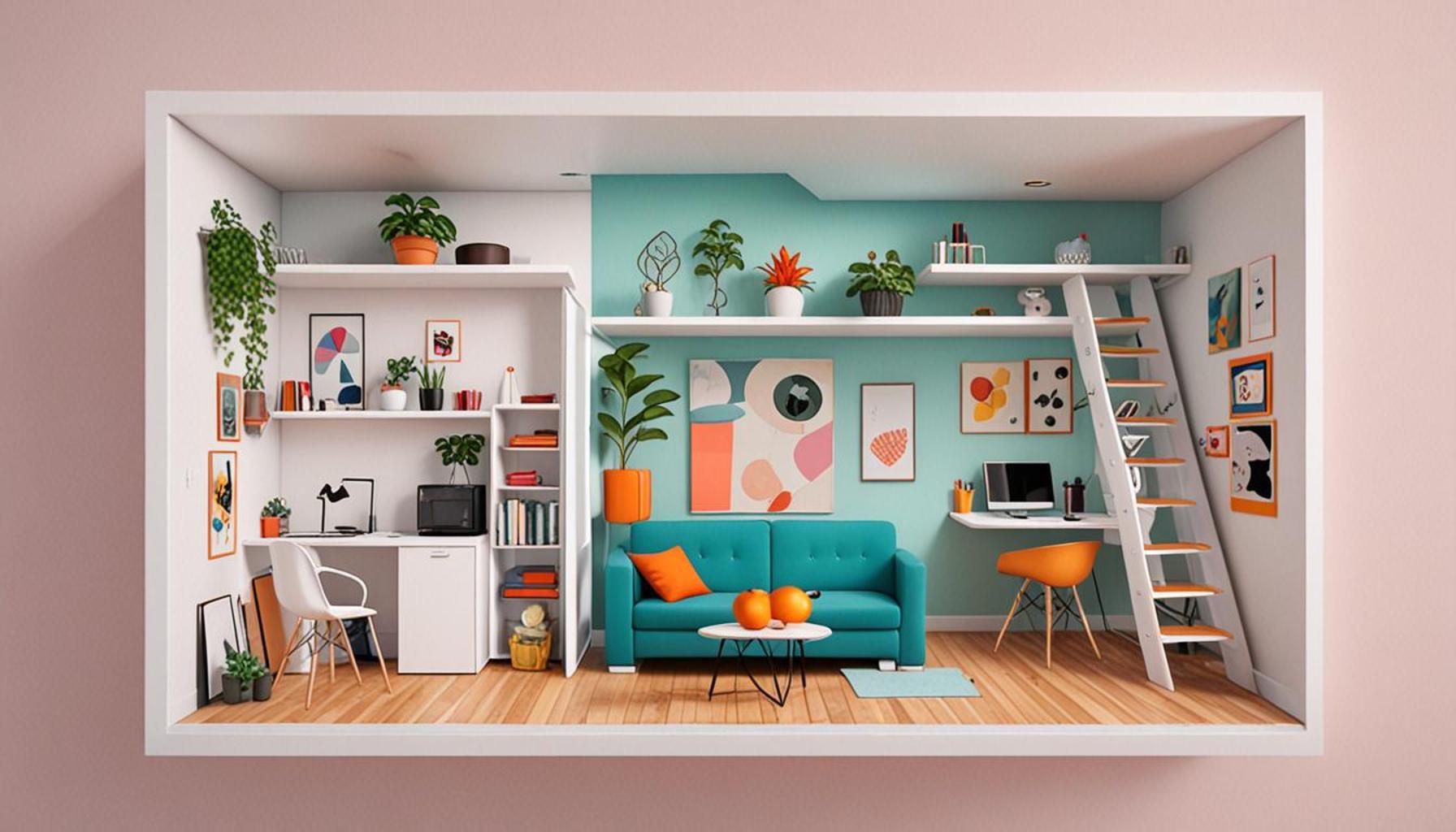
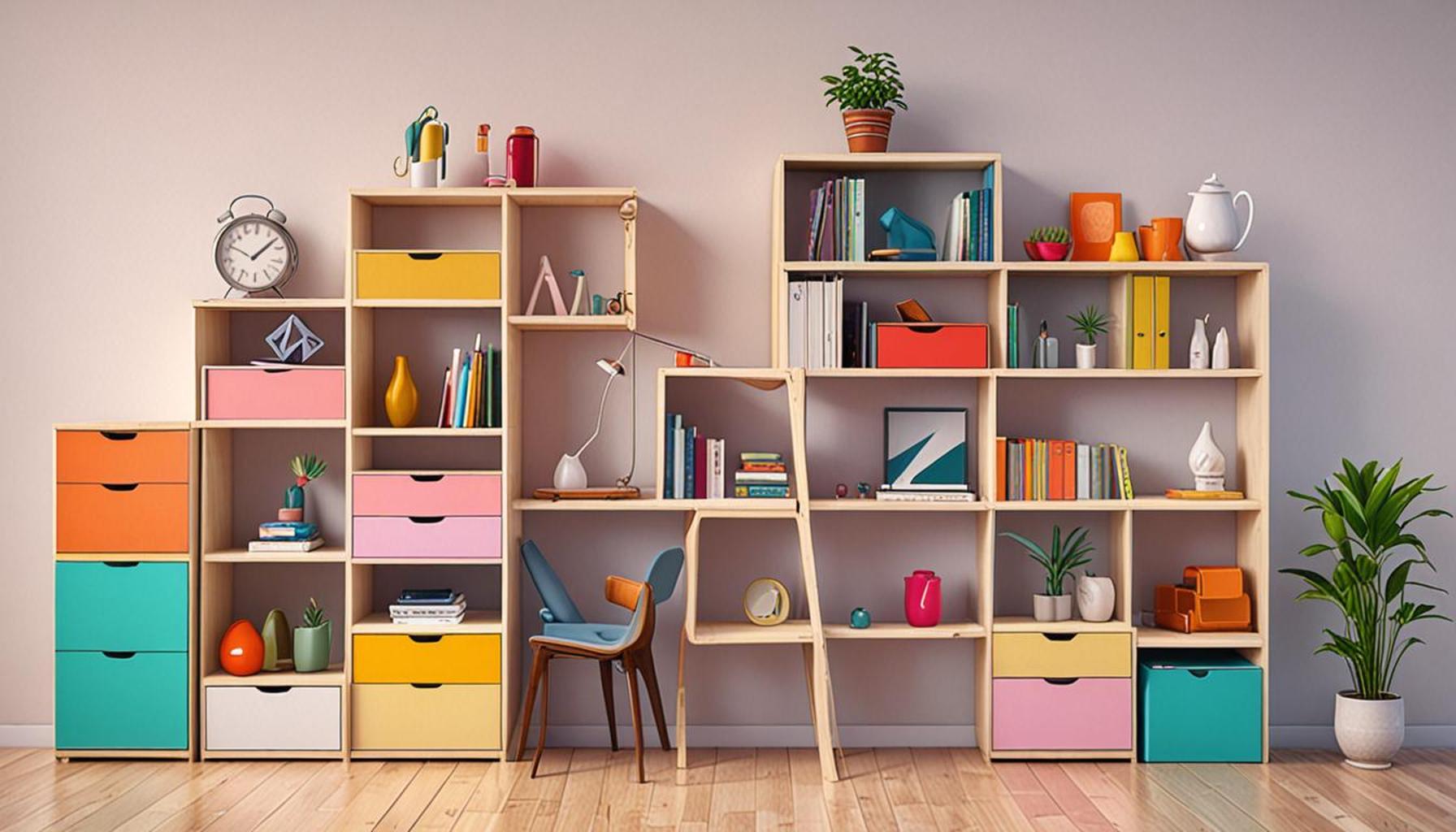
- Functional Design: Prioritizing essential items enhances the spatial efficiency of a room. For instance, smart furniture choices, such as multifunctional pieces that serve as both seating and storage, can create a more efficient use of space, leaving room for natural light to thrive.
- A Greater Connection to Nature: Well-placed windows or open layouts invite the outdoors in, fostering a sense of tranquility. Consider homes that embrace biophilic design principles, where large windows and sliding glass doors create seamless transitions between indoor and outdoor living spaces.
As we delve deeper into this topic, we will explore how to maximize spatial efficiency through thoughtful design choices that incorporate the profound effects of natural light. By understanding and implementing these strategies, we can transform our indoor living spaces into havens of comfort and productivity, encouraging us to thrive both personally and professionally. Embracing natural light and minimalist principles not only enhances our environment but also supports our well-being in a world that often feels overwhelming.
DISCOVER MORE: Click here to uncover the essence of mindful travel
Shedding Light on Efficiency
Maximizing spatial efficiency in indoor environments is not just about the physical layout; it involves an intricate dance with natural light. When thoughtfully integrated into a minimalistic design, natural light can transform small, confined spaces into vibrant, open atmospheres that promote both comfort and functionality. This transformation begins with understanding how light interacts with space and the psychology behind it.
Natural light plays a critical role in creating an inviting and productive environment. When sunlight streams into a room, it illuminates surfaces, highlighting textures and colors that might otherwise go unnoticed. This visual stimulation not only enhances the aesthetic of a space but also contributes to a greater sense of awareness and connection to the surroundings.
To capitalize on the benefits of natural light, it is essential to consider the orientation and placement of windows. For instance, locations that receive morning sun, such as east-facing windows, are ideal for energizing spaces like kitchens and home offices. Conversely, west-facing windows can provide warmth and relaxation in the evening, perfect for living areas or bedrooms. Here are a few strategies to maximize natural light in minimalist designs:
- Strategic Window Placement: Arrange windows to capture optimal sunlight throughout the day. This can involve larger openings or strategically placed skylights that allow light to bounce off surfaces, creating a seamless flow of illumination.
- Reflective Surfaces: Utilize light-colored walls, mirrors, and furniture to reflect and amplify natural light. These elements can create an illusion of more space while enhancing brightness.
- Open Layouts: Adopt an open floor plan that permits light to traverse freely between rooms. Flexibility in design allows for multifunctional spaces, reducing the need for heavy, obstructive furnishings.
- Use of Glass: Incorporate glass doors and panels to blur the boundaries between indoors and outdoors. This design choice not only maximizes light but also improves airflow, contributing to a healthier living environment.
Minimalism encourages a deliberate approach to design that prioritizes functionality and aesthetics. By reducing excess and focusing on essential elements, individuals can create spaces that are both visually engaging and conducive to leveraging natural light. This balance is vital in establishing a peaceful retreat from the chaos of daily life.
As we continue to explore the profound effects of natural light in conjunction with minimalist principles, it becomes clear that embracing these strategies can lead to enhanced well-being. Whether through a renovation project or a fresh start in a new home, incorporating these elements can revolutionize how space is utilized and experienced. With intentional design choices, the symbiotic relationship between minimalism and natural light offers a promising pathway to transforming indoor environments into vibrant, centered spaces that nourish both mind and body.
The Impact of Natural Light and Minimalism on Well-being
The effects of natural light in our indoor environments extend well beyond aesthetic appeal. Research indicates that exposure to natural light can significantly improve mental health by enhancing mood and productivity. Natural light regulates the body’s sleep-wake cycle, promoting healthier sleep patterns and overall well-being. In minimalist spaces, the abundance of natural light creates a calming atmosphere, reducing stress levels and facilitating a feeling of openness.Moreover, the principles of minimalism, championed for their simplicity and functionality, pair effectively with the advantages of natural light. When designing a minimalist interior, the focus is on reducing clutter and utilizing space efficiently. This approach allows for strategic placement of windows and skylights, maximizing the entry of sunlight. The synergy between these two concepts not only makes spaces feel larger but also reinforces the connection between humans and the environment.Incorporating large windows, open layouts, and reflective surfaces can further enhance the penetration of daylight into indoor areas. For instance, positioning mirrors opposite windows can help distribute light throughout a room, increasing brightness and reducing the need for artificial lighting. This minimalistic design approach not only conserves energy but also contributes to a more sustainable lifestyle aligned with contemporary eco-friendly values.
The Technological Integration of Natural Light
As sustainability becomes increasingly essential, technology also plays a crucial role in integrating natural light into indoor environments. Smart home systems can optimize light usage by adjusting window coverings based on sunlight intensity. These advancements encourage energy efficiency and create a dynamic living atmosphere that adapts to daily habits. Furthermore, studies reveal that incorporating biophilic design elements, which connect indoor spaces to outdoor nature, can enhance cognitive function and emotional well-being.With these insights, it’s evident that a holistic approach to interior design—embracing both natural light and minimalism—can significantly enhance quality of life. This combination not only maximizes spatial efficiency but also fosters healthier and more efficient living spaces. Thus, as urban areas continue to grow, embracing these concepts will prove invaluable in our quest for sustainable and health-oriented environments.
DISCOVER MORE: Click here to simplify your life
The Connection Between Natural Light and Well-Being
Understanding the interplay between natural light and our well-being reveals why integrating light into minimalistic designs is not just aesthetic but vital for overall health. Scientific studies have consistently shown that exposure to natural light can positively impact mood, productivity, and even sleep quality, underscoring its importance in our daily environments. In addition, workplaces and homes designed with ample light often report lower levels of stress and heightened creativity among occupants.
For example, a study conducted by WSP, a design consultancy, highlighted that employees working in environments flooded with natural light experienced a 15% increase in productivity. Such tangible benefits make a compelling case for redesigning indoor spaces to embrace natural light fully. In a minimalistic approach, this means carefully considering how light can enhance functionality without the clutter that can detract from focus and tranquility.
Moreover, the psychological effects of natural light extend beyond mere productivity. Exposure to daylight regulates our internal circadian rhythms, which play a crucial role in sleep patterns and general health. Consequently, incorporating features such as large windows, open blinds, and strategically placed mirrors to reflect the sun helps foster environments conducive to better sleep and rejuvenation. This is especially relevant in urban environments, where many face challenges like noise and limited outdoor access.
- Daylight Harvesting: Employing automated shading systems or dimmable lighting can optimize available daylight. This not only helps to maintain consistent light levels throughout the day but also reduces reliance on artificial lighting, leading to energy savings and a smaller carbon footprint.
- Indoor Plant Integration: Utilizing plants not only beautifies a space but improves air quality and enhances the visual appeal created by natural light. Integrating greenery can help to further enhance the experience of light-filled minimalism, creating a soothing atmosphere that nurtures mental clarity.
- Priority on Multitasking Areas: Spaces such as the kitchen and living room can double as multifunctional areas for work and relaxation, with natural light serving as a connector. By keeping furniture to a minimum and virtual boundaries fluid, these areas become adaptable to different needs throughout the day while remaining bright and airy.
- Color Psychology: The choice of colors in minimalist designs can profoundly enhance how light interacts within a space. Soft pastel tones can reflect light pleasantly, creating an illusion of more space, while vibrant colors can energize a room provided they are balanced with ample daylight. Understanding the psychology of color in relation to natural light allows for more intentional design choices.
All of these strategies work synergistically to create environments that reflect a minimalist ethos while prioritizing natural light. The essence of minimalism is not merely a reduction of possessions but an elevation of quality, with natural light standing as a cornerstone of keen spatial efficiency. In a world where many feel disconnected from nature, designing indoor spaces to harness natural light can be a profound way to reconnect, fostering not only aesthetic satisfaction but also well-being and productivity. Therefore, in the evolving dialogue on design, prioritizing natural light embodies a commitment to enhancing the human experience in indoor environments.
DISCOVER MORE: Click here to learn about intentional design and lighting choices
Conclusion: Embracing Natural Light in Minimalistic Design
In summary, the interplay between natural light and minimalist design is not just an aesthetic choice but a fundamental aspect that enhances spatial efficiency and promotes overall well-being. As outlined, the ability of natural light to boost productivity, improve mood, and facilitate better sleep patterns highlights its essential role in creating healthy indoor environments. By prioritizing light, we can transform ordinary spaces into extraordinary sanctuaries of peace and creativity.
Furthermore, the integration of design strategies such as daylight harvesting, plant incorporation, and versatile spaces underscores a new approach to interior architecture—one that champions simplicity and functionality without sacrificing comfort. These minimalistic techniques not only reduce visual clutter but also create atmospheric balance that can significantly impact our daily experiences.
As urban living continues to pose challenges—such as limited access to green spaces and the overwhelming presence of artificial lighting—adopting sustainable practices that favor natural light becomes increasingly important. To enhance the human experience, architects, designers, and homeowners alike must consider how to leverage sunlight to create environments that are rejuvenating and energizing.
Ultimately, embracing natural light through minimalistic design principles offers a pathway to reconnect with nature, enhance personal productivity, and foster a sense of tranquility amidst the chaos of modern life. As we reflect on our interior spaces, let us commit to illuminating our lives with the warmth and clarity that only natural light can provide.