Minimalism in the Kitchen: Strategies for Creating Efficient and Functional Spaces
Exploring the Art of Kitchen Minimalism
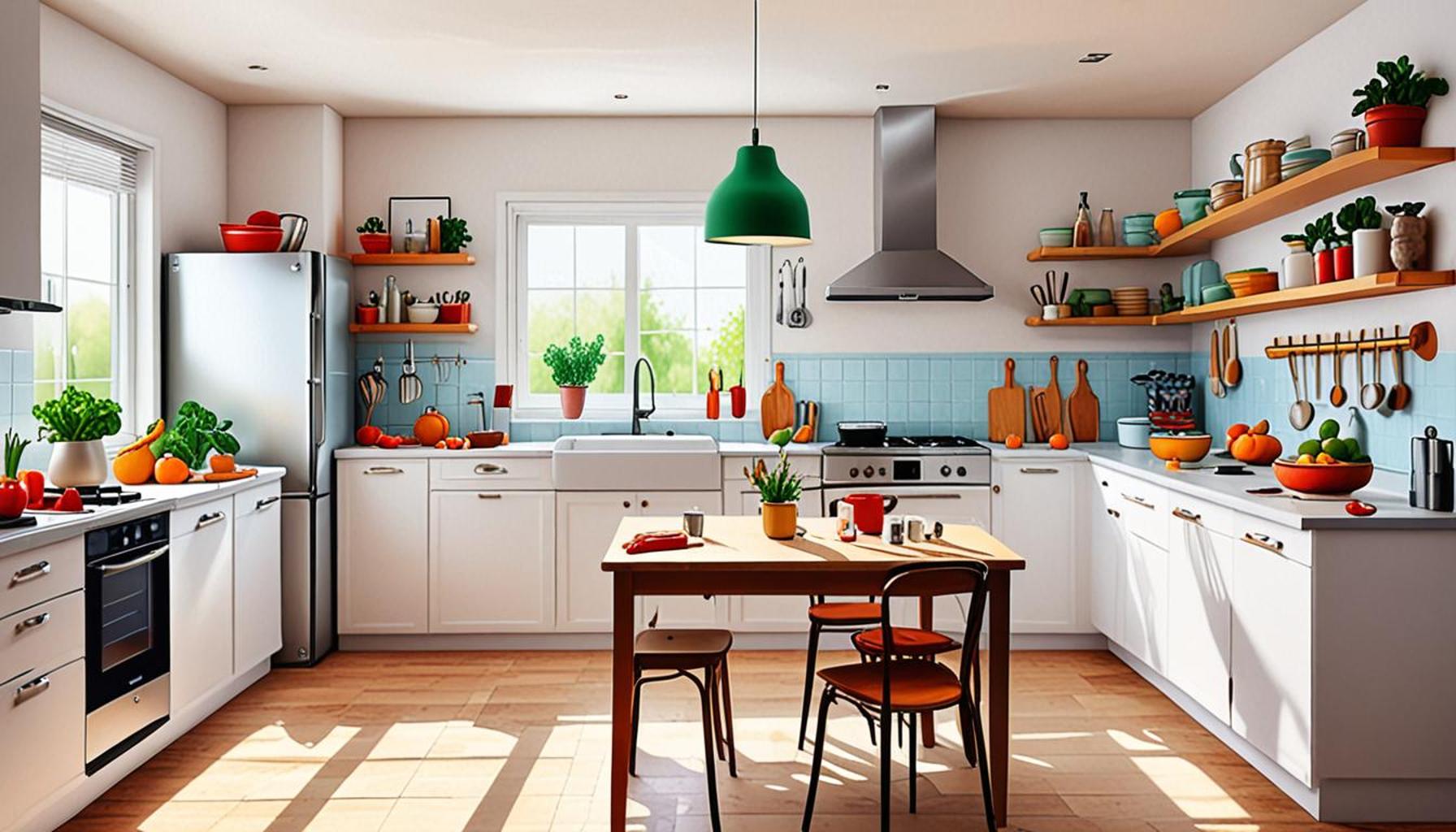
The modern kitchen has transcended its traditional role as a mere cooking area and has evolved into a multifaceted space that embodies lifestyle and efficiency. As the size of homes continues to shrink and our lives become increasingly hectic, adopting a minimalism philosophy emerges as a compelling solution. This approach emphasizes simplicity, making the kitchen a sanctuary of order and tranquility where culinary tasks can flourish.
Understanding the Importance of Minimalism
In today’s fast-paced world, the concept of minimalism resonates more than ever, allowing individuals to navigate through the chaos with ease. Embracing minimalism in your kitchen can result in several benefits:
- Enhanced Efficiency: With fewer items on the counter, the cooking process is significantly streamlined, allowing for quicker meal preparation. For instance, having a limited selection of high-quality knives rather than a drawer full of mediocre ones can help you accomplish tasks more swiftly.
- Increased Space: A decluttered environment contributes to a greater sense of openness. Consider how a well-organized pantry with transparent storage containers can transform your cooking experience, making it simple to locate ingredients without sifting through disorganized shelves.
- Improved Focus: A simple, distraction-free kitchen nurtures creativity. When your surroundings are tranquil and orderly, your mind can concentrate on the culinary artistry at hand, whether you’re whipping up a gourmet meal or trying a new recipe with the family.
Essential Strategies for Embracing Minimalism
Implementing a minimalist ethos in your kitchen can elevate your culinary adventures to new heights. Here are some effective strategies to assist you in this transformative journey:
- Prioritize Quality Over Quantity: Investing in high-quality, multi-functional kitchen tools is key. Instead of cluttering your drawers with various gadgets, consider versatile tools like an immersion blender that can puree soups, whip cream, and even blend smoothies.
- Declutter Regularly: Establish a seasonal review of your kitchen items. This practice ensures that only necessary utensils, cookware, and appliances remain. Having fewer items not only simplifies your cooking but also makes it easier to maintain cleanliness.
- Utilize Vertical Space: Make the most of your kitchen’s vertical space to avoid crowding your countertops. Installing floating shelves or wall-mounted racks can provide aesthetically pleasing storage for herbs, spices, and essential kitchen tools while keeping the floor area open.
By successfully implementing these strategies, your kitchen can transform into a visually stunning yet highly functional environment, serving as a retreat for culinary creativity. As you delve deeper into the minimalist lifestyle, you may uncover striking insights into how this philosophy can profoundly enhance not only your cooking but also your overall quality of life.
DIVE DEEPER: Click here to learn more
Essential Strategies for Embracing Minimalism
Implementing a minimalist ethos in your kitchen can significantly elevate your culinary adventures, creating a space that is not only aesthetically pleasing but also highly functional. By embracing minimalism, you can transform your cooking experience, making it more enjoyable and efficient. Here are some effective strategies to assist you in this transformative journey:
- Prioritize Quality Over Quantity: Investing in high-quality, multi-functional kitchen tools is crucial for minimizing clutter. Imagine having a single immersion blender rather than multiple devices; it can puree soups, whip cream, and blend smoothies seamlessly. Such items not only save valuable drawer space but also enhance your cooking experience, making it easier to switch between tasks. A well-established example can be found in brands like Vitamix or Breville, known for their durable and versatile kitchen appliances that stand the test of time.
- Declutter Regularly: Establishing a seasonal review of your kitchen items ensures that only the essentials remain in your space. This practice is more than just a biannual chore—it cultivates mindfulness about what you truly need and use. A clutter-free kitchen promotes a functional environment where each utensil and appliance has its place, allowing you to find what you need quickly. Consider donating items that you haven’t used in the past year; not only does this free up space, but it also allows others in your community to benefit from your unneeded tools. A streamlined kitchen can significantly enhance both your cooking efficiency and your overall enjoyment of food preparation.
- Utilize Vertical Space: To avoid crowding your countertops, leverage your kitchen’s vertical space creatively. Installing floating shelves, wall-mounted racks, or magnetic strips can provide elegant storage solutions for herbs, spices, and essential kitchen tools. This technique not only keeps surfaces clear for food preparation but also opens the room up visually, creating an airy and inviting atmosphere. Many homeowners have found that hanging pot racks not only save space but also serve as a stunning decorative element, making the kitchen a focal point of the home.
- Create Zones: Efficient kitchens are often organized into functional zones tailored to specific tasks. By designating areas for prep, cooking, and serving, you streamline your workflow, minimizing chaos during meal-making. For instance, keep all cutting utensils, cutting boards, and mixing bowls within arm’s reach of your prep zone. Consider using drawer organizers to keep these items neatly separated; this can transform a disorganized space into a well-oiled machine, where every item is in its rightful place, enhancing your overall cooking experience.
- Embrace Minimalist Décor: In terms of aesthetics, less is undoubtedly more. Opt for simple yet functional designs that focus on neutral colors and natural materials. This not only creates a soothing environment but can improve your mood while cooking. Open shelving can be an excellent way to display beloved items, such as curated cookbooks or artisan dishes, combining decoration with practicality. The choice of materials can also reflect eco-friendliness; bamboo utensils, for example, are both sustainable and visually appealing, aligning with minimalist principles.
By successfully implementing these strategies, your kitchen can become a visually stunning yet highly functional environment, serving as a retreat for culinary creativity and personal expression. As you delve deeper into the minimalist lifestyle, you will likely uncover profound insights not just about your cooking habits, but about your overall quality of life. Minimalism encourages a more organized and thoughtful approach to living, emphasizing experiences over possessions. As you assess the way you interact with your kitchen, consider how these strategies can extend beyond food preparation, potentially influencing your perspective on home organization and personal fulfillment.
| Category 1 | Category 2 |
|---|---|
| Space Efficiency | Emphasizes organizing kitchen items to maximize workflow, utilizing vertical and hidden storage solutions. |
| Reduced Clutter | Encourages the removal of unnecessary items, creating a more peaceful cooking environment that inspires creativity. |
| Enhanced Functionality | Promotes multi-functional tools and appliances, saving space while improving kitchen efficiency and versatility. |
| Stylish Aesthetics | Minimalism integrates sleek designs and neutral colors, giving the kitchen an inviting and modern ambiance. |
Exploring these categories showcases the significant influence that minimalism can have on our kitchen spaces. High-quality and purposeful items, neatly organized, not only enhance efficiency but also foster a more enjoyable cooking experience. By investing in fewer yet essential tools, you can cultivate an atmosphere that elevates functionality without compromising on style.Incorporating minimalist strategies into your kitchen design may also lead to sustainable living practices. With a focus on quality and utility, you are less likely to contribute to wasteful consumer habits, ultimately allowing for a more mindful approach to culinary endeavors. Discover more about how you can achieve this efficient and functional space, and enjoy the tranquility that comes with a thoughtfully organized kitchen.
DISCOVER MORE: Click here to learn how to let go of what no longer serves you
Enhancing Functionality Through Smart Design Choices
Minimalism in the kitchen transcends mere aesthetics; it fundamentally alters the way you interact with your culinary environment. Beyond decluttering and organizing your tools, adopting strategic design choices can further elevate functionality. Here’s how to design a minimalist kitchen that meets your needs and aligns with the philosophy of simplicity:
- Incorporate Hidden Storage Solutions: One of the most effective ways to maintain a minimalist kitchen is by incorporating hidden storage solutions. Think about utilizing cabinetry with pull-out drawers or toe-kick drawers that maximize unused space. Such designs allow you to conceal dishes, pots, and pantry essentials while keeping surfaces pristine. This enables easy access to your items when you need them, all while ensuring that clutter remains out of sight. For instance, companies like IKEA offer modular kitchen systems that emphasize both style and practicality, making it easier for homeowners to embrace minimalist functionality.
- Choose Multi-Purpose Furniture: Opt for furniture that serves multiple purposes to retain maximum efficiency in your space. A kitchen island, for example, can function as a dining space, prep area, and storage unit while maintaining a sleek silhouette. Look for islands with built-in storage or those that can be easily moved to accommodate your needs. Additionally, considering multi-use stools that can serve as extra seating or be tucked away can help streamline your layout. The fusion of form and function creates a harmonious synergy central to minimalist design.
- Design for Natural Light: One often-overlooked aspect of creating a minimalist kitchen is the use of natural light. Large windows or open layouts can enhance the perception of space and foster a more inviting atmosphere. The relationship between light and color is essential; using lighter wall colors can reflect natural light, creating an airy feel. If structural changes aren’t feasible, consider adding mirrors to enhance brightness and give the illusion of a larger area. A study by the American Society of Interior Designers indicated that natural light not only improves aesthetics but also elevates mood and productivity, making it an essential aspect of a functional kitchen.
- Implement Efficient Lighting: Beyond natural light, effective artificial lighting can profoundly impact your kitchen’s functionality. Layered lighting, which combines ambient, task, and accent lighting, ensures that your kitchen remains welcoming and practical during any time of day. Countertop task lighting can illuminate prep areas, while pendant lights over dining spaces can create focal points without adding clutter. Opt for LED fixtures that have adjustable brightness levels; these energy-efficient choices aid in setting the right ambiance while reducing energy consumption.
- Choose a Cohesive Color Palette: When selecting colors for your minimalist kitchen, focus on a cohesive palette that promotes tranquility and functionality. Stick to neutral tones like whites, blacks, and grays, complemented by occasional bursts of color through accessories or plants. Designing with a consistent color scheme aids in creating a unified look, minimizing visual chaos. Incorporating plants—such as herbs on windowsills—can introduce natural elements without cluttering the space, offering both aesthetic beauty and culinary benefits.
By carefully considering these design choices, your minimalist kitchen can forge an environment where efficiency coexists beautifully with simplicity. The intent is to cultivate a space that not only serves its intended purpose but inspires creativity and enjoyment in your cooking endeavors. The key lies in finding the balance between functionality and personal expression, which is at the heart of a minimalist lifestyle. As you explore various design options, reflect on how these principles can enhance not just your cooking but your overall living experience, reshaping your relationship with your kitchen at home.
DISCOVER MORE: Click here to learn about the impact of intentional design
Embracing Minimalism for a More Functional Kitchen
In conclusion, adopting minimalism in the kitchen is about much more than aesthetics. It is a transformative approach that redefines how we engage with our cooking and dining spaces. By implementing strategies such as hidden storage solutions, multi-purpose furniture, efficient lighting, and cohesive color palettes, you can create an environment that is both functional and beautiful. This intentional design fosters not only enhanced productivity but also invites a harmonious lifestyle that encourages creativity and joy in the culinary process.
As you reflect on your own kitchen setup, consider the vital role of natural light and efficient storage in crafting an inviting atmosphere. Studies indicate that a well-illuminated kitchen not only enhances mood but also promotes efficiency in cooking tasks. Integrating plants and other natural elements simplifies the space while adding freshness and vitality, further contributing to a minimalist ethos.
Ultimately, the minimalist approach encourages an evaluation of what is truly essential. By letting go of excess, one can celebrate not only the act of cooking but also the moments shared around the table. As you embark on your journey towards a minimalist kitchen, remember that each design choice is an opportunity to create a responsive space that reflects your personal style while prioritizing functionality. The balance between simplicity and personal expression is a rewarding pursuit, capable of reshaping your entire living experience.