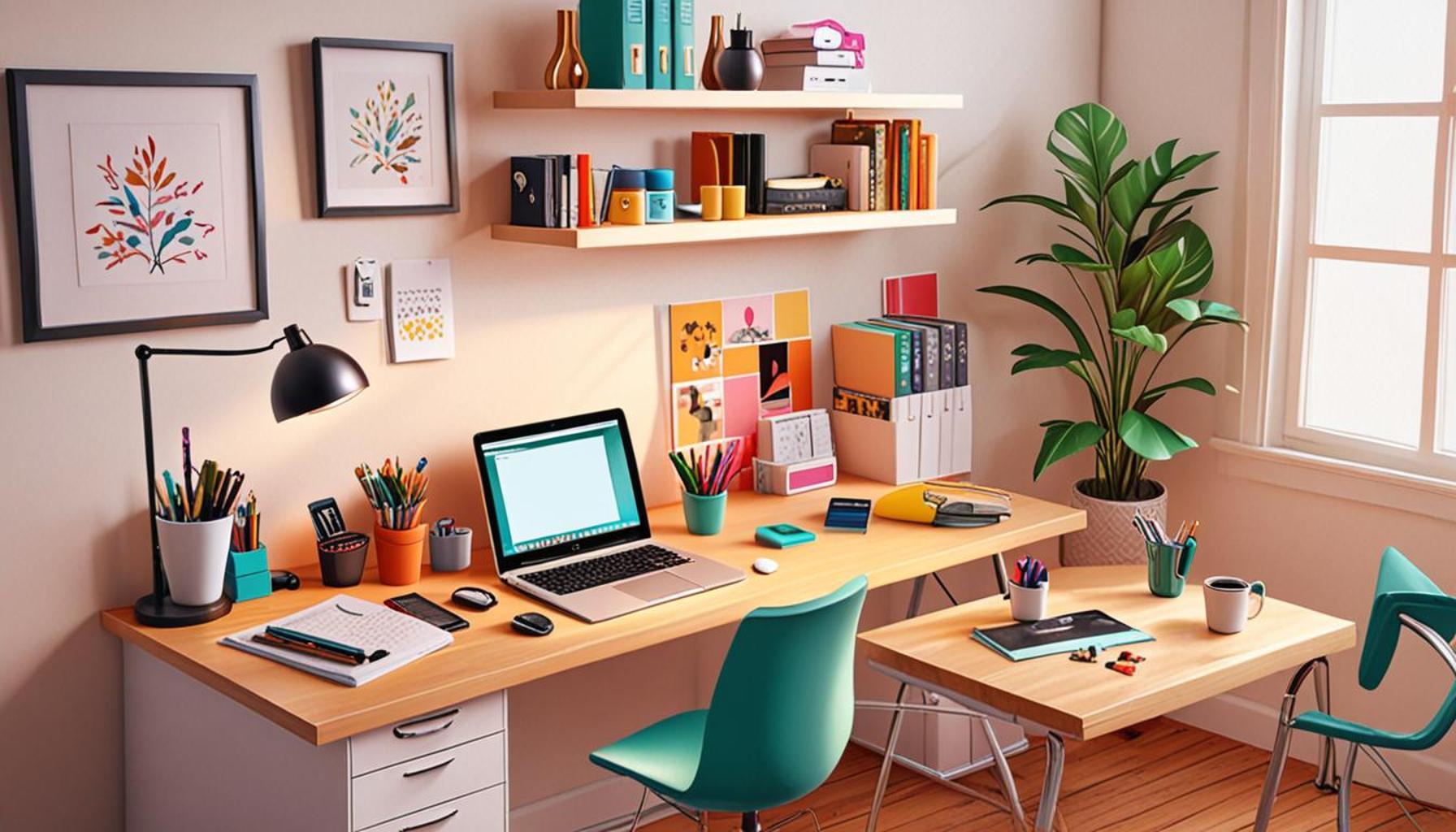
Minimalism and Mobility: Efficient Solutions for Living in Temporary Spaces

Embracing a New Way of Living
Modern life is increasingly demanding flexibility and adaptability. With more people moving for work or personal reasons, temporary living spaces have become a common solution. This scenario has led to a rising need for innovative approaches that prioritize both minimalism and mobility. These lifestyle adjustments are not just practical; they represent a shift in how individuals view their environment and possessions.
The Rise of Minimalism
Minimalism is not just a trend; it’s a lifestyle choice that resonates with a growing number of individuals across the United States. This way of living encourages people to pare down their belongings to the essentials, fostering a sense of peace amidst the chaos of modern life. Adopting minimalism provides an opportunity to:
- Reduce clutter and simplify daily living. By eliminating excess items, individuals can create a more harmonious and organized living space, which has been shown to reduce stress and increase focus.
- Focus on experiences rather than possessions. Emphasizing travel, hobbies, and relationships over material goods can lead to greater fulfillment. For instance, instead of purchasing the latest gadgets, one might choose to invest in a weekend getaway or a cooking class, enriching their life with memorable experiences.
- Adopt environmentally friendly practices. Minimalism encourages sustainable living by reducing waste and consumption. This approach aligns with eco-conscious movements prevalent in cities like Portland and San Francisco, where many residents actively seek to lessen their environmental footprint.
Mobility as a Necessity
As mobility becomes a defining characteristic of the contemporary lifestyle, several factors underscore its importance. Flexible living arrangements are essential for modern professionals who often find themselves relocating for job opportunities or personal aspirations. Furthermore, temporary living spaces often require smart organization solutions. This necessity has spurred creative designs for multifunctional furniture—think sofa beds or collapsible tables—that cater to limited space without sacrificing comfort.
- Transportation and housing need to be convenient and efficient. Access to reliable public transportation can greatly influence where people choose to live, leading many to opt for urban areas with robust transit networks. As a consequence, many temporary living arrangements now incorporate smart technology to optimize space and functionality, such as apps that facilitate home sharing or rental services that make moving seamless.
The combination of minimalist principles with a nomadic lifestyle opens a new realm of possibilities. By embracing this transformative way of living, individuals can enjoy increased freedom, engagement with their surroundings, and a deeper appreciation for what truly matters. This article will explore further efficient solutions that cater to living in temporary settings while enhancing comfort and functionality. Stay tuned to discover how you can embrace this evolving lifestyle and navigate the complexities of modern living with ease.
DISCOVER MORE: Click here to learn about sustainable space organization
Finding Balance in a Transitory Lifestyle
The synergy of minimalism and mobility aligns seamlessly with the needs of today’s fast-paced world. As urban centers continue to burgeon and people increasingly transition between careers or cities, the concept of living lightly is gaining traction. The emphasis on a minimalist lifestyle fosters a sense of clarity, helping residents to thrive in compact living quarters, often characterized by flexible leases or temporary setups.
Innovative Design Solutions
In response to the demand for functional yet stylish solutions, several innovative design trends have emerged. Architects and interior designers are reimagining traditional living spaces to maximize every square foot. Features such as converted shipping containers and tiny homes exemplify this creativity, allowing individuals to experience the freedom of mobility without compromising on aesthetics. These designs prioritize:
- Multi-functionality: Furniture that serves several purposes—from foldable dining tables to sofa beds—allows individuals to easily adapt their environments to their needs.
- Smart storage solutions: Utilizing vertical space and hidden compartments can significantly reduce clutter. Shelving units that double as room dividers are a popular choice in modern dwellings.
- Portable and sustainable materials: Materials like bamboo and recycled metals are not only lightweight and conducive to mobility but also align with eco-friendly practices.
As urban living draws more people into temporary residences, the need for efficient space utilization becomes paramount. Modular living solutions are on the rise, allowing users to customize their setups based on their personal circumstances. For instance, a growing family may need to expand their living space rapidly, while a single professional might prefer a cozier arrangement. Such adaptability is essential for making temporary living feel more permanent and accommodating.
The Psychological Benefits of Minimalism
Adopting a minimalist approach to living also imparts psychological advantages. Studies indicate that individuals who embrace minimalism often report increased feelings of well-being and satisfaction. By focusing on fewer, carefully chosen possessions, they experience:
- Reduced anxiety: A decluttered environment leads to a more peaceful mind, enabling individuals to concentrate on their goals rather than being overwhelmed by physical distractions.
- Enhanced creativity: With fewer distractions, individuals are more likely to explore creative pursuits, leading to greater personal fulfillment.
- Stronger connections: A minimalist lifestyle encourages people to prioritize experiences and relationships over material goods, fostering deeper connections with others.
Incorporating these principles into daily life transforms temporary living situations into rich, fulfilling experiences. As we delve deeper into the intersection of minimalism and mobility, we will uncover more efficient solutions that enhance comfort and functionality, allowing individuals to navigate the complexities of modern living with ease. Stay tuned for insights on how to craft harmonious, temporary living spaces that truly reflect your lifestyle needs.
| Advantages | Key Features |
|---|---|
| Space Efficiency | Utilization of vertical space and multifunctional furniture to maximize livable area |
| Cost-Effectiveness | Lower utilities and maintenance costs due to reduced living space and fewer materials |
In exploring the theme of Minimalism and Mobility, it’s crucial to understand how these concepts offer practical advantages for living in temporary spaces. The emphasis on space efficiency encourages creative designs that incorporate vertical solutions and multifunctional furniture, allowing individuals to adapt their homes seamlessly to their lifestyles. This is particularly beneficial for those who frequently relocate or temporarily occupy spaces. Furthermore, embracing minimalism naturally leads to increased cost-effectiveness. Smaller living areas generally present lower utility bills and reduced maintenance needs, granting individuals more resources to allocate to experiences rather than material possessions.The trend towards minimalist mobility not only enhances convenience but also promotes a sustainable lifestyle, making people more aware of consumption patterns and waste management. By understanding the foundational aspects of minimalism, individuals can approach their living situations with newfound clarity and purpose, further supporting a systematic alignment with modern lifestyle demands.
DIVE DEEPER: Click here to discover more about mindful meal preparation
Embracing a Lifestyle of Flexibility and Functionality
The increasing popularity of minimalism in conjunction with mobility has sparked a wave of innovation across various industries, driving the development of products and concepts tailored for those living in temporary spaces. These solutions reflect a growing understanding of how a flexible lifestyle can meet the demands of the modern world.
Transformative Technologies
The rise of smart home technology is revolutionizing how individuals interact with their living spaces, even when those spaces are temporary. From smart lighting that adjusts to mood and time of day to app-controlled heating and cooling systems, technology is enabling individuals to create a comfortable environment that suits their needs, regardless of size.
Moreover, the advent of smart furniture is allowing for even more efficient use of space. For example, furniture pieces equipped with built-in charging stations or integrated storage compartments are becoming increasingly popular. A bed that lifts to reveal hidden drawers or a coffee table that expands for dining ensures that every item serves multiple functions, an essential principle of minimalist design.
The Impact of Community on Mobility
In our collective pursuit of minimalist living, community plays a critical role. Shared living initiatives, such as co-living spaces and communal housing models, have gained momentum, particularly in metropolitan areas like New York and San Francisco. These setups provide residents with individual privacy while encouraging collaboration and interaction, thus creating a robust support system for those who live transitorily.
Furthermore, community-focused designs are being integrated into these living environments. Shared amenities, such as co-working spaces, communal kitchens, and rooftop gardens, foster a sense of camaraderie among residents while maximizing space utility. This concept supports a more sustainable lifestyle by reducing individual consumption and promoting resource-sharing.
Financial Considerations and Environmental Impact
Minimalism and mobility are not just about aesthetics; they also align with sound financial reasoning and environmental responsibility. Temporary living arrangements often reduce financial burdens, resulting in lower rent, utility costs, and maintenance expenditures. Choosing to live minimally can translate into significant savings over time. Interestingly, a study by the National Association of Realtors found that those who embrace minimalism tend to manage their finances better, leading to healthier monetary habits.
Moreover, living in temporary spaces supports a more sustainable lifestyle. By consuming less and opting for portable, eco-friendly products, individuals contribute to reducing waste and lowering their ecological footprints. The shift towards sustainable materials, such as responsibly sourced wood or biodegradable options, represents a growing conscious consumerism movement that resonates with minimalism’s ethic of simplicity.
As individuals embrace the principle of living with less and prioritize experiences over possessions, they also contribute to a thriving ecosystem that emphasizes mindful living, community building, and environmental stewardship. The interplay between minimalism and mobility continues to inspire new ways of thinking about living spaces, encouraging a return to simplicity while adapting seamlessly to our dynamic lifestyles.
DISCOVER MORE: Click here to learn how to live more sustainably
Conclusion: A New Way of Living
In a world characterized by rapid change and uncertainty, the convergence of minimalism and mobility offers innovative pathways for individuals seeking efficient living solutions in temporary spaces. This modern lifestyle challenge goes beyond mere aesthetics, integrating the principles of flexibility, functionality, and community engagement into our daily lives. By harnessing transformative technologies, such as smart home devices and multifunctional furniture, residents can maximize limited spaces while ensuring comfort and practicality without the clutter of excess.
The role of community cannot be understated in this movement. As cities increasingly embrace co-living spaces and collaborative environments, they foster not only a sense of belonging but also promote sustainability through resource-sharing. This collective spirit allows individuals to thrive amidst transient living, transforming what may seem like limitations into opportunities for connection and creativity.
Alongside financial benefits and environmental considerations, the minimalist approach encourages a shift in focus towards meaningful experiences rather than material possessions. As we navigate this evolving landscape, it’s crucial to continue exploring the balance between minimalism and mobility, enabling us to redefine our relationship with our living spaces. In embracing this lifestyle, we are not just championing a trend; we are paving the way for a more mindful, interconnected, and sustainable future.
Ultimately, the journey towards living efficiently in temporary spaces invites us to rethink not only how we occupy physical space but also how we connect with one another in our shared quest for simplicity and purpose.