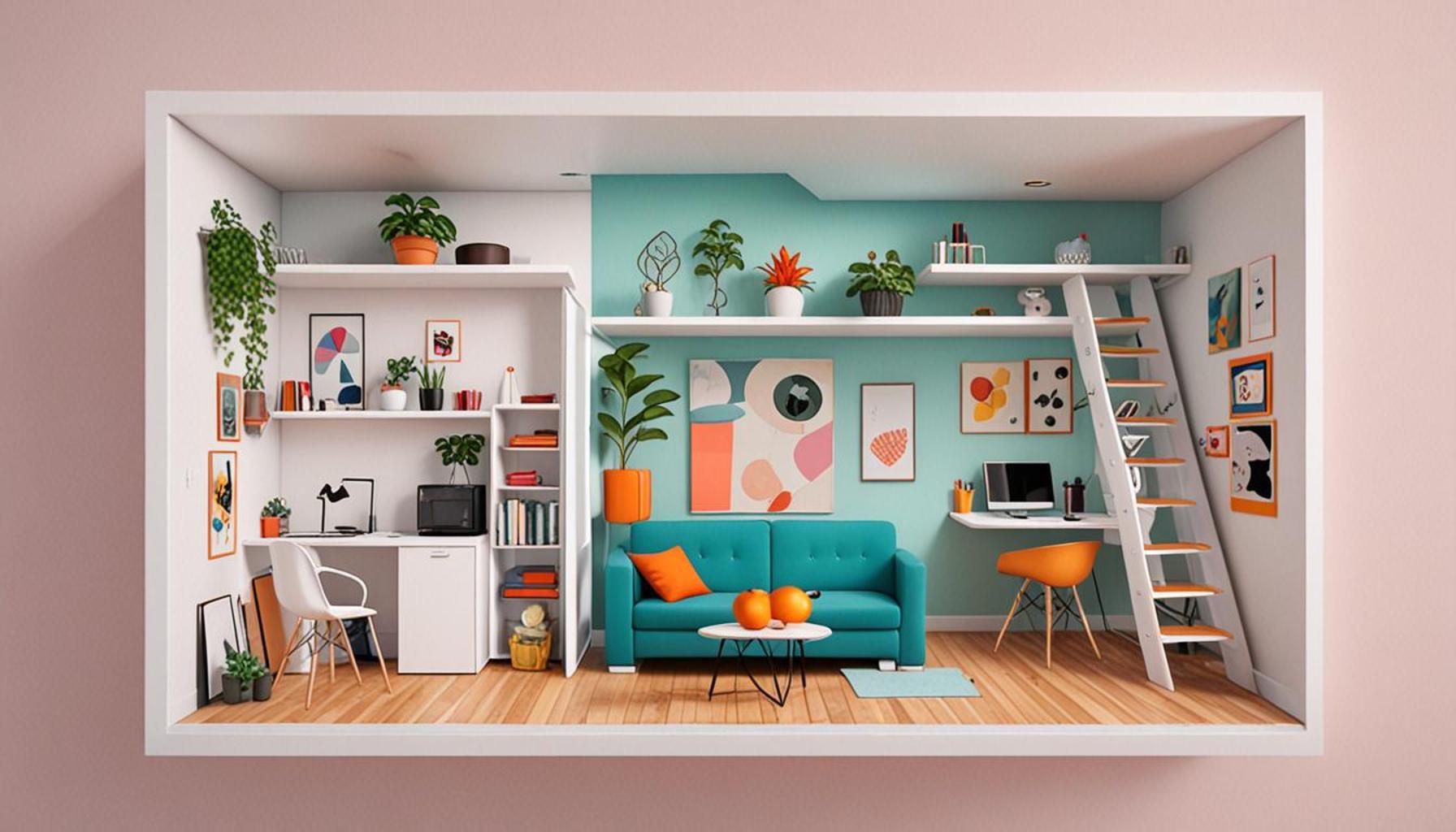
Creating Functional Environments: The Role of Minimalism in Space Efficiency
Understanding Minimalism in Modern Living
In today’s fast-paced world, the emphasis on maximizing living spaces has given rise to innovative approaches that prioritize functionality without compromising aesthetic appeal. One such transformative philosophy is minimalism, which promotes an intentional and simplistic lifestyle. Embracing minimalism is not just about reducing clutter; it’s a comprehensive approach to rethinking how we occupy and enjoy our environments.
At its core, minimalism revolves around clarity and order. One of the primary tenets of this lifestyle is decluttering. This practice goes beyond tidying; it involves a thorough assessment of our belongings and making conscious decisions about what to keep. For example, rather than cramming drawers and closets with items rarely used, minimalists advocate for a curated selection of possessions that spark joy and utility. Marie Kondo’s organizational methods have gained immense popularity in the United States, inspiring individuals to transform their homes into tranquil spaces free from the chaos of excess.
Another essential element of minimalist living is multi-functional furniture. Pieces designed with versatility in mind not only save space but also reduce the need for multiple items. For instance, a sofa that converts into a bed or a table that expands for dining can cater to various activities without overwhelming a small room. Companies like IKEA have capitalized on this trend, offering stylish yet practical designs that appeal to both functionality and aesthetics for urban dwellers.
Emphasizing Open Layouts
Furthermore, the concept of open layouts has gained traction among architects and interior designers alike. Eliminating unnecessary walls creates an illusion of a larger, more fluid space. This design choice not only promotes a sense of freedom but also enhances interpersonal connections, as families can interact more easily across distinct areas of a home. The popularity of loft-style apartments in metropolitan areas exemplifies this trend, marrying efficiency with modern living.
Benefits of Minimalist Living
The impact of minimalism extends far beyond aesthetic appeal. By fostering a more intentional approach to living, space efficiency can significantly enhance an individual’s quality of life. For one, a well-organized space leads to reducing stress. Living among a clutter-free environment can result in improved mental clarity, allowing residents to focus on what truly matters.
Moreover, minimalism encourages creativity. A less cluttered area offers more room for imaginative expression—an essential factor for artists, writers, and creators alike. With fewer distractions, individuals can dive deeper into their creative pursuits, exploring new ideas and projects.
Finally, embracing minimalism allows one to maximize functionality. Spaces designed with purpose in mind foster higher productivity. Whether it’s a home office that inspires work or a living room that encourages relaxation and connection, thoughtful design leads to more effective use of space.
As we explore further into minimalism and its applications in design, this journey promises valuable insights into creating functional environments that cater not only to aesthetic appeal but also to practical needs. The allure of minimalism is not merely a trend; it is a pathway toward reimagining our spaces for a more fulfilling and purposeful life.
DIVE DEEPER: Click here to gain insight
The Intersection of Design and Functionality
As the population continues to rise and urban spaces become more congested, the quest for space efficiency has never been more crucial. Minimalism stands at the forefront of this movement, offering solutions that marry aesthetic simplicity with functional design. By stripping away the unnecessary, minimalism creates environments that serve dual purposes, catering to both the needs and desires of the modern occupant.
One of the primary advantages of adopting a minimalist approach is the significant optimization of available space. Rather than focusing on volume, minimalism emphasizes the quality of space and its functionality. This philosophy is particularly pertinent in the U.S., where urban living often necessitates managing smaller apartments and homes. As square footage shrinks, the effective use of what remains becomes paramount.
Transformative Design Elements
Functional minimalist environments typically incorporate various design elements aimed at maximizing space efficiency. Here are key components that contribute heavily to this goal:
- Built-in Storage Solutions: Integrated storage options, such as shelves installed within walls or under-the-bed drawers, help to eliminate clutter by creating invisible spaces for belongings. This not only optimizes each room but also maintains an uncluttered look.
- Smart Technology: Advancements in technology have led to smart devices that can control lighting, heating, and security. These innovations allow users to manage their environment more efficiently, using less space for operational components, which is something often seen in modern homes across Silicon Valley.
- Neutral Color Palettes: A minimalist design often features light and neutral color schemes that create a sense of openness. Such palettes reflect light, making compact spaces feel larger and more airy, a critical factor in urban settings where daylight is a luxury.
Additionally, sustainable materials are becoming increasingly popular among minimalists. Recycled or eco-friendly materials not only represent a commitment to environmental consciousness but also contribute to a streamlined aesthetic, where materials are used purposefully and effectively. This circular design philosophy aligns with the growing trend of sustainable living, attracting eco-minded consumers across cities like Portland and San Francisco.
Challenges and Considerations
While the benefits of minimalist design are substantial, there are also challenges that need to be addressed. Adopting a minimalist lifestyle often requires a shift in mindset, particularly concerning consumer habits. Americans, accustomed to accumulation, may find it difficult to part with their possessions, which brings forth the challenge of emotional attachment to belongings.
To successfully undertake a minimalist transformation, individuals must be willing to engage in a thoughtful process of evaluation and discard. This may involve seeking assistance from professionals or employing innovative techniques like the KonMari method, which promotes a value-driven analysis of personal belongings. In essence, embracing minimalism necessitates a commitment to reimagining one’s relationship with material possessions while fostering a space that maximizes utility and comfort.
As the dialogue around functional environments continues to evolve, minimalism stands as a beacon of innovation, showcasing how less can indeed become more. By understanding its role in enhancing space efficiency, individuals can unlock the true potential of their living spaces, paving the way for a lifestyle that prioritizes simplicity, purpose, and satisfaction.
| Advantages | Description |
|---|---|
| Maximized Space Utilization | Minimalism allows for effective use of available space, ensuring that every square inch serves a purpose. |
| Reduced Clutter | By adopting a minimalist approach, environments become streamlined, leading to improved mental clarity and focus. |
| Enhanced Aesthetics | Minimalism creates a visually appealing atmosphere that promotes calmness and relaxation. |
| Sustainability | Emphasizing the essentials often leads to a more sustainable lifestyle by reducing consumption and waste. |
The core tenet of minimalism in space efficiency is the ability to transform environments by focusing on what truly matters. Each of these advantages not only reflects practical benefits but also enhances the overall quality of life for individuals within these spaces. For example, a clutter-free environment has been shown to significantly reduce stress and anxiety, contributing to better mental health. As more people seek patterns of living that prioritize functionality, the exploration of minimalist design becomes increasingly relevant. By embracing this aesthetic, one can achieve not only beauty but also a greater sense of purpose and utilization of every element within their space. Such insights beckon further investigation into how minimalism can be integrated into diverse settings, inspiring a shift towards practicality and intentional living.
DISCOVER MORE: Click here to learn about creating sensory experiences in minimalist spaces
Minimalism as a Catalyst for Change
Beyond aesthetics, the adoption of minimalism in various environments serves as a catalyst for broader societal changes, impacting not just individual spaces but also how we interact with the collective environment around us. In cities teeming with population density, the principles of minimalism underscore a necessary evolution towards space efficiency while promoting community engagement.
Community-Focused Spaces
More than just individual homes, the principles of minimalism can significantly enhance communal areas such as parks, co-working spaces, and residential complexes. For instance, urban planners are increasingly redesigning public spaces to highlight minimalist landscaping—environments stripped of excessive ornamental features, focusing instead on sustainable plants and multifunctional layouts. This not only maximizes usability but also fosters community bonding by encouraging more social interaction in shared spaces.
In cities like Austin and Denver, minimalist parks featuring minimalist designs with open spaces, simple seating, and integrated art installations invite residents to engage without the distractions of overcrowding or visual chaos. These environments cultivate a sense of belonging, proving that functional aesthetics can enhance communal life alongside individual living spaces.
The Impact of Multitasking Furniture
A crucial aspect of minimalist design revolves around the concept of multifunctional furniture. Furniture that adapts to multiple uses not only conserves space but also embodies the essence of minimalist philosophy. For example, sofa beds, extendable dining tables, and modular shelving units allow homeowners to maximize their limited square footage while still enjoying functional comforts.
This trend has gained momentum in urban areas where the prevalence of micro-apartments—a design solution to high real estate prices—has risen sharply. According to a report from the National Multifamily Housing Council, micro-apartments, typically around 300 square feet, have become a practical housing solution in metropolitan areas like New York City and San Francisco. In these living scenarios, furniture that offers additional storage space or converts to serve different purposes is invaluable, ensuring residents can live abundantly within minimal confines.
Psychological Benefits of Minimalism
The psychological advantages of minimalism extend beyond mere aesthetics. Research has shown that clutter can negatively affect mental well-being and productivity. By embracing a minimalist environment, individuals can foster a more peaceful mind, enhance concentration, and promote creativity. As a result, professional spaces, particularly in tech hubs where innovation is key, are increasingly adopting minimalist design principles to encourage a focused work environment.
Moreover, companies in the creative domain have noted higher employee satisfaction rates when offices utilize open floor plans, streamlined décor, and accessible communal areas, reflecting the minimalist notion of ‘less is more.’ Such adjustments resonate with the millennial workforce’s preference for simplicity, flexibility, and engagement in their professional settings.
The Role of Digitalization
As technology continues to integrate into our daily lives, its intersection with minimalist principles creates new avenues for space efficiency. Smart home technology allows residents to control appliances, lighting, and security systems remotely, thereby reducing the need for excessive physical devices and management systems in home environments. By prioritizing technology that harmonizes with the minimalist lifestyle, individuals can seamlessly achieve a high degree of efficiency without cluttering their living spaces.
In cities across the United States, the smart home movement is gaining traction, with homeowners investing in systems that enhance their living experience while ensuring their spaces remain uncluttered. This intersection of digitalization and minimalism holds the promise of a future where functional environments are not just possible but are practical principles for daily living.
DISCOVER MORE: Click here to learn about minimalist kitchen strategies
Conclusion
In an increasingly urbanized world where space efficiency is paramount, the principles of minimalism emerge as an essential framework for creating functional environments. By focusing on simplicity, multipurpose designs, and innovative technology, minimalist living promotes a harmonious balance between aesthetics and utility. The transformative power of minimalism extends beyond individual homes, influencing communal areas that foster connection and engagement among residents, enhancing the overall quality of life.
With the rise of micro-apartments and multifunctional furniture, urban dwellers are navigating tight spaces without sacrificing comfort or style. Furthermore, the integration of smart home technology aligns seamlessly with minimalist ideals, allowing for enhanced control over our living environments while minimizing clutter. This trend not only streamlines lifestyle management but also encourages a mindset orientated towards functionality over excess.
Moreover, embracing minimalism also leads to significant psychological benefits. By reducing distractions and promoting clean, serene spaces, individuals can enhance their productivity, creativity, and overall well-being. The minimalist movement highlights that our environments shape our experiences, thus advocating for intentional design choices that resonate with both personal habits and collective needs.
As communities and cities continue to evolve, the adoption of minimalist principles stands to revolutionize how we conceive of and interact with our spaces. To explore solutions aimed at marrying function with beauty, individuals and designers alike must delve deeper into the possibilities of minimalism, paving the way for environments that are not just livable, but truly functional.