Relaxation Spaces: Integrating Minimalism to Create Tranquil and Functional Environments
The Importance of Creating Tranquil Spaces
In our fast-paced world, finding moments of peace can often feel like an insurmountable challenge. The constant demands of work, family, and daily responsibilities can lead to overwhelming stress. To combat this, relaxation spaces emerge as essential sanctuaries where the noise of daily life can dissipate, promoting much-needed mental clarity and calm. By integrating minimalism into these environments, we can cultivate a sense of serenity that encourages rejuvenation.
Key Features of Minimalist Relaxation Spaces
Minimalism emphasizes simplicity and functionality, making it an effective approach for creating relaxation areas. Here are some essential elements to consider:
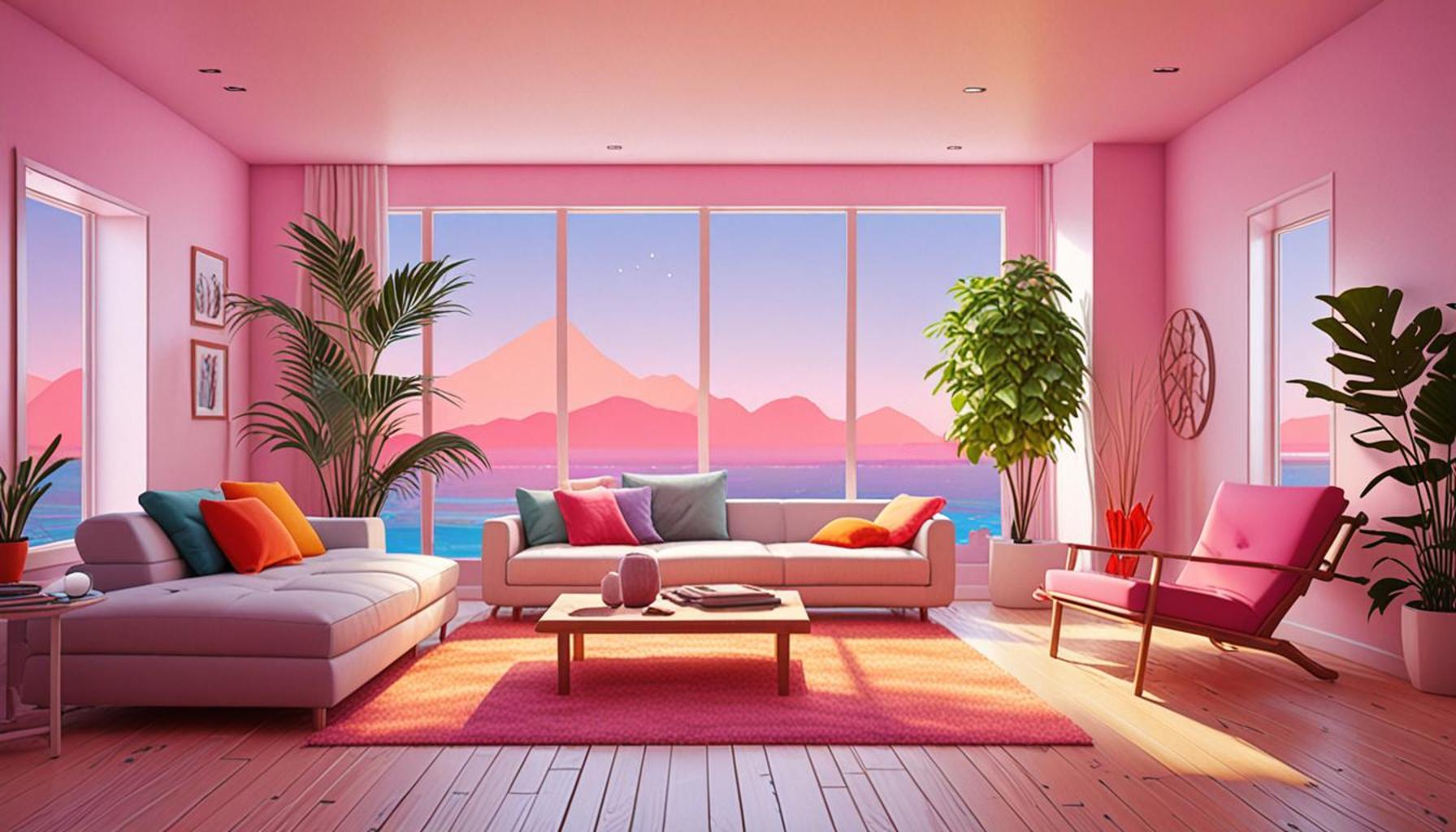
- Natural Light: Large windows and open layouts allow sunlight to flood in, creating a soothing atmosphere that can uplift the mood and enhance focus. According to studies, exposure to natural light increases serotonin levels, which can help mitigate anxiety and depressive symptoms.
- Neutral Colors: Soft, neutral palettes like beige, pale gray, and muted pastels promote relaxation. These colors reduce visual noise and allow the mind to focus on peace rather than distractions, making spaces more inviting and restorative.
- Functional Furniture: Choosing multipurpose pieces maximizes space and utility without clutter. For instance, a bed with built-in storage or modular seating can maintain freedom of movement while eliminating the need for excessive furniture.
Further enhancing tranquility, incorporating elements of nature into relaxation spaces can foster a deep sense of calm. Indoor plants, like snake plants or peace lilies, bring life and purify the air, while soothing water features, such as small fountains or aquariums, can create gentle background noise that drowns out stressful thoughts. Additionally, calming scents from essential oils or candles can positively affect mood and relaxation.
The American Perspective
With a growing focus on mental well-being across the United States, it is crucial to understand the significant impact of our environments. The rise in home gardens and the popularity of wellness retreats highlight a shift towards more mindful living. Relaxation spaces inspired by minimalist principles are not merely a trend; they play a vital role in supporting overall health and well-being.
By embracing simplicity and thoughtful design elements, we can shape environments that resonate with peace and enable deeper relaxation. The journey towards creating an effective relaxation space invites exploration into contemporary design techniques and philosophies. As individuals and communities continue to invest in their mental health, the development of tranquil spaces becomes more relevant and necessary, fostering an atmosphere where personal growth and serenity can thrive.
DISCOVER MORE: Click here to delve deeper
Design Principles for Tranquil Relaxation Spaces
Creating a relaxation space that embodies the tenets of minimalism requires a thoughtful approach to design. It’s not merely about reducing clutter; it involves a deliberate selection of elements that serve both aesthetic and functional purposes. Here are several guiding principles that can elevate your relaxation environment to one that is both tranquil and efficient:
- Intentional Layout: The arrangement of furniture and decor should facilitate a sense of flow and openness. Avoid overcrowding spaces with unnecessary items. Instead, focus on a layout that promotes ease of movement and creates inviting pathways, allowing your mind to navigate the area without distractions.
- Sound Management: Noise can be a significant barrier to relaxation. Integrating sound-absorbing materials, such as rugs, curtains, and upholstered furniture, can mitigate background noise. Additionally, consider incorporating tranquil soundscapes—be it soft music, nature sounds, or white noise—to envelop the environment in calmness.
- Personal Touch: While minimalism leans towards simplicity, it also allows for personal expression. Integrating a few carefully selected items that reflect your personality—such as a unique piece of art or a cherished photograph—can add warmth and character to your space without overwhelming it.
In the realm of minimalist design, functionality often goes hand in hand with aesthetic beauty. For instance, consider the use of built-in shelves or modular storage units that can neatly house books, plants, and other decorative items. This approach not only reduces visual clutter but also creates a sense of order that is essential for mental serenity. Moreover, taking advantage of vertical space helps maintain a clean floor plan, further contributing to the feeling of openness.
Creating Visual Depth
Another vital aspect in establishing a serene atmosphere is the sense of visual depth within the space. Use of varying heights and layers can help engage the eye, adding dimension without creating chaos. Large plants or tall bookshelves can draw the eye upwards, while soft textiles and low furniture encourage grounding. Striking a balance between these elements can foster an expansive feel, making the area more inviting.
Personalized Lighting Solutions
Lighting plays an impactful role in determining the ambiance of a relaxation space. Natural light should be prioritized whenever possible; however, consider supplementing it with artificial sources that provide a warm glow. Soft, dimmable lighting options or strategically placed lamps can create cozy nooks perfect for reading or meditating. The right lighting choice can transform a room from sterile to serene, making it indispensable in your design process.
By carefully implementing these design principles, individuals can create relaxation spaces that offer not only visual appeal but also solace from the pressures of life. As we navigate through our busy schedules, the importance of these thoughtfully-designed refuges cannot be overstated. They represent more than just physical locations; they symbolize a commitment to nurturing our mental well-being.
| Advantage | Description |
|---|---|
| Enhanced Focus | Minimalism reduces distractions, allowing individuals to concentrate better in their environment. |
| Stress Reduction | Calm and uncluttered spaces foster a sense of peace, contributing to lower stress levels. |
The concept of relaxation spaces is deeply embedded in the principles of minimalism. By eliminating excess and embracing simplicity, these environments create a sanctuary away from the chaos of everyday life. Enhanced focus emerges as a vital benefit, as minimalistic design effectively reduces distractions, helping individuals to direct their energies towards tasks that matter. In practice, spaces featuring clean lines and limited decorative elements allow for clearer thought processes and improved productivity.Additionally, the integration of tranquility in design plays a crucial role in stress reduction. Psychological studies support this notion, indicating that individuals surrounded by calm aesthetics experience significantly lower levels of tension and anxiety. Elements such as natural light, soft color palettes, and comfortable yet sparse furnishings contribute to environments that promote relaxation, making it easier to unwind and reset. Through these thoughtful arrangements, relaxation spaces continue to shape how we interact with our surroundings, ultimately leading to healthier lifestyles and mental clarity.
DISCOVER MORE: Click here to learn how minimalism boosts productivity
Textural Harmony and Natural Elements
Enhancing a relaxation space goes beyond just visual appeal; it encompasses the sensory experience as well. Textural harmony invites tactile pleasure and comfort into minimalist design. By integrating various textures, you can create a rich sensory landscape that captivates without overwhelming the senses. Soft throws, plush pillows, and lightly textured furnishings offer tactile engagement while still adhering to a minimalist aesthetic. The key is to choose a limited palette of materials and colors that create cohesion, elevating the overall appeal without leading to sensory overload.
Incorporating Natural Elements for Serenity
Bringing the outdoors in is a transformative strategy in designing relaxation spaces. Biophilic design, which emphasizes the connection between humans and nature, can foster a sense of calm and renewal. Consider incorporating elements such as indoor plants, natural wood, or stone features. Houseplants not only purify indoor air and promote well-being but also introduce a lively green contrast to a clean and muted color scheme. For example, a strategically placed snake plant or a calming peace lily can add a pop of life without deviating from a minimalistic ethos.
Additionally, using natural materials in furniture and decor can reinforce this connection to nature. Furniture made from reclaimed wood, bamboo, or even rattan can enhance the tranquility factor of your space while promoting sustainability. This approach not only supports eco-friendliness but also adds a layer of warmth and uniqueness that elevates your relaxation environment.
Color Psychology in Minimalist Spaces
The colors you choose play a pivotal role in setting the tone of your relaxation area. Utilizing a neutral color palette—one that features soft whites, creams, and gentle earth tones—can create an atmosphere that feels spacious and serene. Colors such as sage green or soft blues can evoke feelings of tranquility and peace, further supporting mental relaxation.
Moreover, it’s vital to consider the psychological impacts of color on mood. For instance, research indicates that blues can reduce feelings of anxiety, while soft greens can encourage feelings of balance and restoration. In minimalist design, it’s crucial to limit the color selections to avoid overwhelming sensations, focusing instead on thoughtful combinations that promote calmness. You might even enhance this effect with accent items in muted pastels, providing just enough interest without straying into chaos.
The Role of Art and Mindfulness
Incorporating art in minimalist relaxation spaces can be particularly impactful when chosen with intention. Opt for large, statement pieces that provably evoke a sense of peace or connection, rather than a collection of smaller items that might clutter visual space. A serene landscape painting or a soothing abstract piece can create focal points that draw attention and inspire mindfulness.
Additionally, consider incorporating spaces dedicated to mindfulness practices, such as a meditation corner or a soft reading nook. This functionality reinforces the space’s purpose—nurturing mental wellness and emotional balance. By providing designated areas that encourage quiet reflection, you reinforce the minimalist principle of intentional living, merging functionality with a relaxing ambiance.
With these elements in mind, anyone seeking to transform their home into a haven for relaxation can appreciate the harmonious blend of minimalism and tranquility. The journey toward a serene environment becomes a beautiful exploration of both style and well-being.
CHECK OUT: Click here for tips on enhancing your digital workspace
Conclusion: Embracing Serenity Through Minimalism
In a world often characterized by chaos and noise, the significance of creating relaxation spaces that embrace minimalist design cannot be overstated. By thoughtfully integrating elements such as textural harmony, natural materials, and intentional color choices, we can transform our environments into sanctuaries of tranquility and well-being. These elements converge to not only promote aesthetic appeal but also enhance our overall mental and emotional health.
Moreover, integrating biophilic design by introducing plants and natural textures fosters a profound connection to nature, ultimately enriching our living spaces and nourishing our spirits. The power of color psychology further emphasizes how a carefully curated palette can evoke feelings of calmness and balance, making it an essential consideration in any relaxation space.
Importantly, art and mindfulness have their roles too; they invite intentional engagement, prompting moments of reflection and enhancing the intimate connection we forge with our surrounding environments. By incorporating designated areas for mindfulness practices, we can align our living spaces with our inner desires for peace and balance.
Ultimately, the journey toward minimalism in relaxation spaces is an exploration of simplicity and serenity. It reflects a conscious choice to foster an environment that nurtures our well-being. As you tread this path, consider the profound effects that thoughtfully designed spaces have on your mental landscape, encouraging you to cultivate a lifestyle that prioritizes tranquility and functionality. The pursuit of such harmony not only elevates your surroundings but also empowers you to lead a more balanced and fulfilling life.