
Decluttering Techniques for the Family: Involving Children in the Organization Process
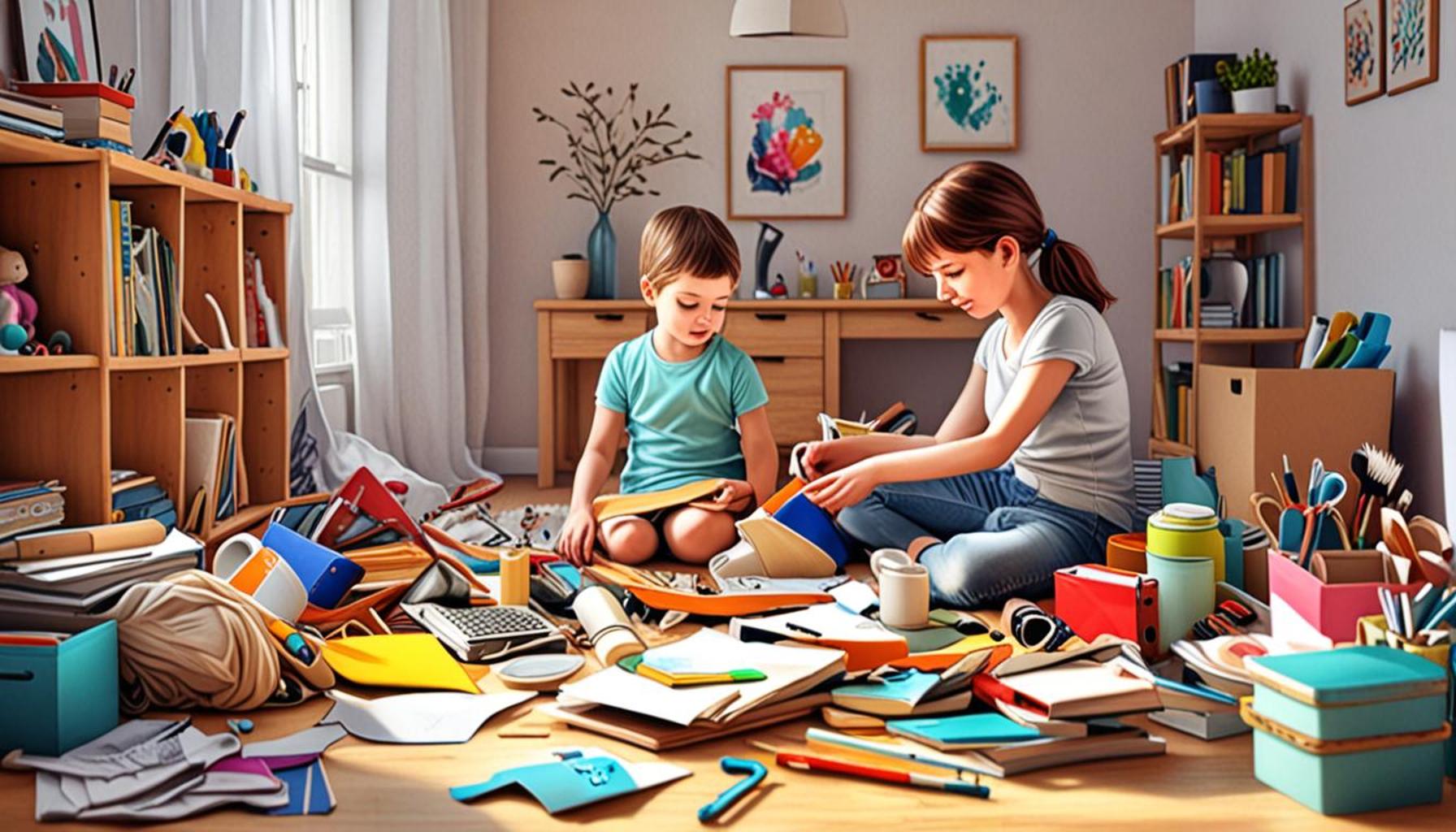
Unlocking the Power of Family Organization
In today’s fast-paced world, clutter can quickly become a source of stress for families. Finding effective decluttering techniques not only helps create a serene home environment but also teaches vital life skills to children. By engaging kids in the organization process, families can turn a daunting task into a fun and meaningful bonding experience.
Benefits of Involving Children in Decluttering
When children participate in decluttering, they gain a sense of responsibility and ownership over their space. This involvement has a ripple effect, nurturing their development in various areas. Some notable benefits include:
- Life Skills Development: In the process of sorting toys, clothes, or school supplies, children learn essential skills like decision-making, organization, and prioritization. For instance, when deciding whether to keep or donate a beloved toy, they practice evaluating their emotional attachment against practical considerations like space and usage.
- Emotional Connection: Involving kids fosters a sense of belonging and teamwork within the family unit. When a child feels they have a say in their environment, it strengthens their emotional ties to their home and family. This can lead to increased confidence and communication skills as they express their needs and opinions.
- Creative Solutions: Children often approach problems with fresh eyes, leading to innovative ideas for space management. For example, instead of a standard toy chest, kids might suggest using decorative baskets that blend with the home decor, blending organization with creativity.
Furthermore, involving children in this process can instill values such as simplicity and mindfulness about possessions. Understanding the importance of keeping only what is necessary encourages them to appreciate what they have, rather than accumulating excessive items. As families tackle clutter together, they create lasting memories and an organized living space that reflects their shared values.
Families can utilize specific strategies to make decluttering engaging. For instance, organizing a “treasure hunt” for items that can be donated or recycled can spark excitement among kids. Additionally, using a timer can turn decluttering into a game, where each family member races against the clock to sort through a specific space. Implementing fun challenges, such as seeing who can fill the most donation bags in 30 minutes, adds a competitive edge that motivates everyone to participate.
Ready to explore diverse strategies for decluttering with your children? As you embark on this journey, you’ll find that it’s more than just about organizing; it’s about bonding and creating a family culture rooted in cooperation and respect for one’s space. Keep reading to uncover tips and techniques that make organization engaging for everyone in the family.
DIVE DEEPER: Click here to discover more about harnessing natural light
Empowering Children through Fun Decluttering Activities
As families embark on the journey of decluttering, one of the most effective techniques is to transform the organization process into enjoyable activities that engage children. This approach not only reduces clutter but also helps children understand the significance of maintaining an organized space. Here are some practical and interactive methods to involve kids while decluttering:
1. Themed Decluttering Days
Designating specific days for different areas of the home can make decluttering feel less overwhelming and more structured. For instance, families can declare “Toy Tuesdays” where everyone focuses on sorting toys—keeping favorites, donating duplicates, and organizing what remains. By creating a special theme, children look forward to these days, anticipating fun while learning valuable skills.
2. Create a Declutter Playlist
Music has the power to energize and motivate. Curating a declutter playlist with fun, upbeat songs can transform decluttering into a family dance party. As kids groove to their favorite tunes, they can also sort through their belongings, making the task feel less like a chore and more like a celebration.
3. Implement “Keep, Toss, Donate” Boxes
Having designated boxes or bins labeled “Keep,” “Toss,” and “Donate” can simplify the decision-making process for children. This clear and visual method provides a structured approach that makes it easier for kids to categorize items. Encourage them to personally decorate their boxes, fostering a sense of ownership and creativity that enhances their enthusiasm for the task.
4. Offer Positive Reinforcement
Recognizing effort is key when involving kids in household duties. Families can implement a rewards system to encourage participation in decluttering. For instance, families could establish a star or sticker chart where children earn incentives for their contributions, such as extra screen time, a family movie night, or a small treat. This positive reinforcement helps motivate children and instills a sense of achievement.
5. Foster Storytelling
Encouraging children to share stories about their belongings creates a personal connection that can aid in decision-making. As they hold each item, ask questions such as, “What’s your favorite memory with this toy?” or “How long has it been since you played with this?” This practice helps children reflect on the emotional value of their possessions, making it easier to part with items they no longer use while promoting mindfulness about their belongings.
These engaging techniques promote not only the physical act of decluttering but also valuable lessons in teamwork and collaboration. By incorporating fun elements into the process, families can make a daunting task enjoyable, paving the way for better organized homes and insightful learning experiences for children.
Involving children in the decluttering process not only teaches them organizational skills but also fosters a sense of responsibility and ownership over their belongings. Engaging kids in this task can turn a daunting chore into a fun and educational experience, significantly aiding in family bonding. Here are some effective techniques to incorporate children into the decluttering efforts:1. Make It a Game: Turn decluttering into a fun activity by creating games where children earn points for each item they decide to keep, donate, or toss. Using a point system can create excitement and positive associations with the process.2. Set Clear Guidelines: Provide children with a simple framework to follow. For instance, the “one in, one out” rule can help them understand that for every new toy or article they bring into the home, they must part with an old one. This not only helps manage clutter but also instills the importance of mindful consumption.3. Create Decluttering Zones: Designate specific areas in the house for decluttering sessions. Encourage children to choose their zones, such as their bedroom or play area, which empowers them and makes them feel more involved in the process.4. Teach Decision-Making: Guide children in making decisions about their belongings by asking open-ended questions. Instead of asking if they want to keep an item, prompt them with questions like, “How often do you play with this?” or “Does it make you happy?” This develops their critical thinking and self-reflection skills.5. Use Visual Aids: Visuals such as charts or checklists can help children see their progress. For younger children, consider using colorful stickers or drawings to denote items that are to be kept, donated, or tossed. This visual reinforcement can energize their involvement and make the task less intimidating.6. Celebrate Achievements: After a decluttering session, take the time to celebrate the efforts made. Whether it’s a small treat, a family movie night, or an outing, rewarding their hard work can motivate children to participate in future organization efforts.7. Lead by Example: Children learn by observing their parents. By actively participating in decluttering and organizing, you demonstrate the importance of these practices. Share your thoughts and feelings about the process, allowing them to see your enthusiasm and commitment.Integrating children into decluttering and organization processes creates a foundation for lifelong skills that benefit the entire family. These techniques not only help reduce clutter but also provide valuable lessons in responsibility, teamwork, and the joy of a clean and organized space. As part of a family initiative, these practices foster collaboration and understanding, ultimately nurturing a sense of belonging among family members. By utilizing these techniques, families can transform decluttering from a chore into an engaging experience that enhances relationships while instilling essential life skills in children.
DIVE DEEPER: Click here to uncover more
Building Lifelong Skills through Organization
As families work together to declutter their living spaces, it’s important to recognize that these efforts extend beyond simply tidying up. Involving children in the organization process can impart essential skills that serve them well into adulthood. By fostering an environment that prioritizes tidiness, families can help children develop habits that promote responsibility and mindfulness. Here are some additional strategies to consider:
1. Set Realistic Goals Together
Goal setting is an essential life skill, and it’s beneficial to involve children in planning the decluttering process. Encourage them to set achievable goals such as “We will sort through 10 books” or “We will organize the sock drawer today.” This not only gives children a sense of control but also helps them stay motivated and focused. By tackling smaller, manageable tasks they can see their progress, enhancing their sense of accomplishment.
2. Use Visual Aids
Visual aids can be incredibly effective tools in decluttering. Consider creating before-and-after photos of spaces that need organization. Children can visually appreciate the transformation while understanding the impact of their contributions. Charts, diagrams, or checklists can also serve as guides to manage tasks efficiently, making the decluttering process more straightforward and engaging.
3. Introduce the Concept of Minimalism
Teaching children about minimalism can reshape their perspective on possessions. Discuss the idea that fewer belongings lead to a less chaotic environment and more time for enjoyable activities. Helping them understand this principle lays the groundwork for making mindful choices in the future. Children can create their own “wish lists” for items they genuinely value, leading them to recognize the difference between needs and wants.
4. Encourage Teamwork through Family Challenges
Introducing a friendly family challenge can spark excitement around decluttering. For example, families can compete to see who can fill their “donate” box the fastest, or who can spot the most hidden toys in their rooms. Establishing fun prizes, like a special family outing or a fun craft night, can encourage participation and strengthen bonds as a unit. This approach showcases teamwork and makes the decluttering process a shared adventure.
5. Involve Children in the Donation Process
Taking the process one step further, make sure to include children in the actual donation of items. Taking a trip to a local charity to drop off donations is not only rewarding but also allows children to see the impact of their efforts firsthand. This experience nurtures empathy and teaches them the importance of giving back to the community.
By incorporating these strategies, families can transform decluttering from a daunting task into an enriching experience that develops children’s organizational skills and instills principles of responsibility. Emphasizing teamwork, creativity, and personal growth in the decluttering process not only keeps the home tidy but also fosters lifelong habits that children can carry with them into their adult lives.
DIVE DEEPER: Click here to discover how minimalism can enhance your workspace
Conclusion: The Lasting Impact of Family Decluttering
Involving children in the decluttering process goes well beyond merely clearing out space—it is about shaping their understanding of organization and responsibility. As families navigate the journey of decluttering techniques, they cultivate essential skills that will benefit children throughout their lives. From goal setting and teamwork to the principles of minimalism and community involvement, each step teaches valuable lessons that extend beyond the home environment.
Moreover, when families engage in this organization process together, they not only declutter their living spaces but also strengthen their familial bonds. The act of sorting, donating, and celebrating achievements transforms what might be perceived as a chore into a meaningful activity that fosters communication, collaboration, and creativity. By introducing fun and interactive challenges, families can create lifelong memories while instilling values such as empathy and mindfulness.
As parents and caregivers dedicate time to involve children in decluttering, they empower the next generation to navigate their environments with intention and clarity. With the lessons learned during these collaborative efforts, children will be better equipped to make informed decisions about their belongings, appreciate the importance of sharing, and cultivate a lifelong respect for their living spaces. This holistic approach to decluttering and organization not only strengthens home life but also lays the foundation for a more thoughtful and responsible approach to the world around them.