Affirmative Practices to Alleviate Stress: Creating a Daily Ritual of Calm
Finding Serenity in Daily Life
In the hustle and bustle of modern life, stress can often feel overwhelming. From fast-paced work environments to pressing personal responsibilities, it becomes crucial to carve out moments of peace amidst the chaos. This is where affirmative practices come into play, offering essential tools for individuals seeking to reclaim their calm and enhance their overall well-being.
Establishing a daily ritual can lead to transformative benefits that enrich both mental and emotional health. Consider the following practices that can easily be woven into the fabric of your everyday routine:
- Mindfulness Meditation: This practice encourages the cultivation of awareness and acceptance of the present moment. By dedicating just ten minutes a day to mindful breathing or guided imagery, individuals can experience a sense of grounding that counteracts anxiety. Research shows that consistent mindfulness can lead to alterations in brain structure and function, fostering greater emotional regulation.
- Breathwork Techniques: Engaging in deep breathing exercises can physically and mentally reduce anxiety levels. Techniques such as the 4-7-8 method, where you inhale for four seconds, hold for seven, and exhale for eight, create a physiological response that calms the nervous system. This practice takes only a few moments but can significantly enhance your emotional resilience.
- Gratitude Journaling: Taking time to reflect on positive experiences or things you are thankful for can powerfully shift your mindset. Studies indicate that writing down three things you are grateful for each day enhances overall life satisfaction and decreases feelings of depression. This simple yet impactful practice encourages a focus on the positives, making it a valuable tool in fostering resilience.
Incorporating these activities into your daily routine not only helps alleviate stress but also fosters resilience. Insights from psychological research emphasize that even moments spent focusing on calm can enhance emotional well-being. For instance, practicing mindfulness or breathwork can lead to reduced symptoms of anxiety and depression for many individuals. Moreover, gratitude journaling has been linked to improved relationships and a greater sense of belonging.
By embedding these practices into everyday life, you actively support your mental health in the long run. Building a ritual of calm doesn’t have to be time-consuming or complex; it simply requires commitment and consistency. Start small and gradually expand your practices to discover what works best for you. Engaging with these strategies not only cultivates a lasting sense of tranquility but also encourages a more balanced and fulfilling life, even in the face of external pressures.
Join us as we explore effective methods and additional resources for establishing your personal pathway to peace, paving the way for a more serene existence amid the demands of modern living.
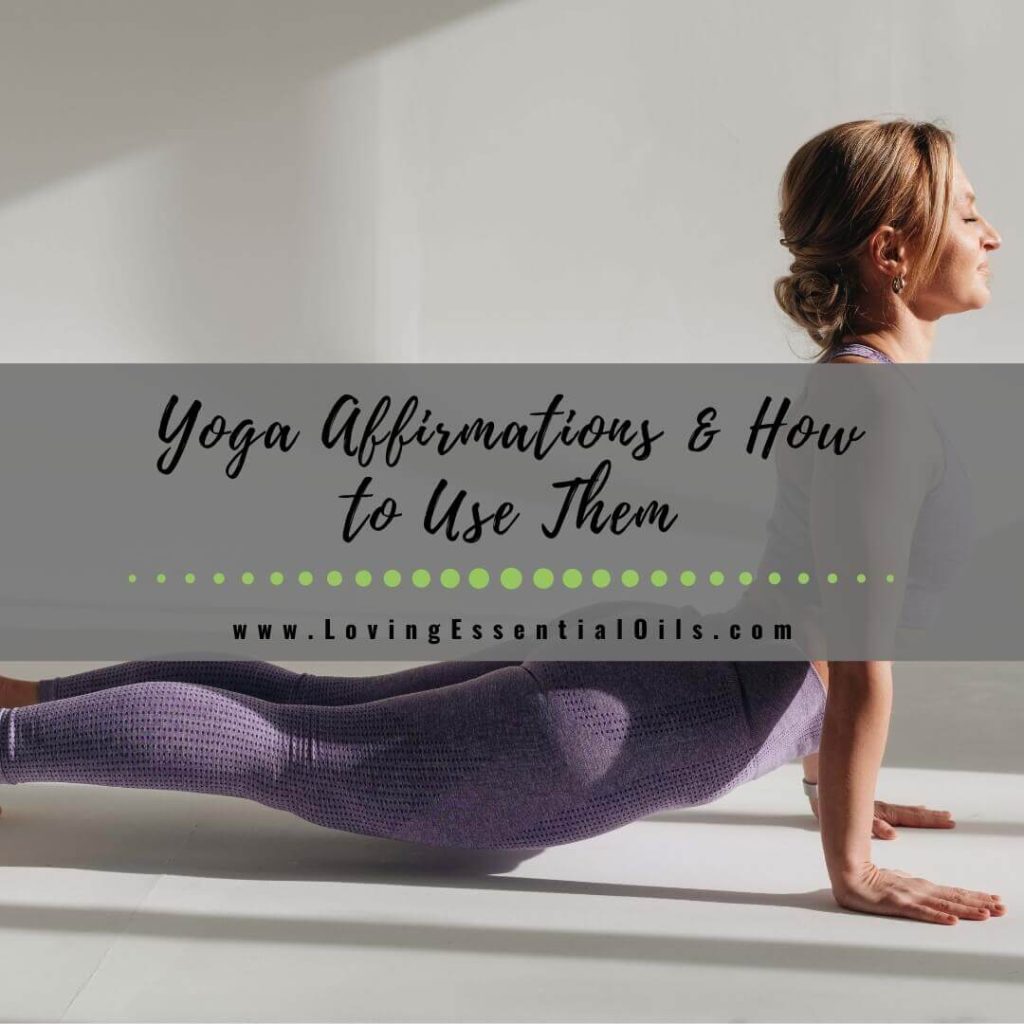
DISCOVER MORE: Click here to learn how positive affirmations can transform your mindset
Embracing Simple Practices for Lasting Calm
In a world where stress seems to be a constant companion, the key to finding tranquility lies in adopting affirmative practices that fit seamlessly into daily life. These practices don’t require extensive time or resources; instead, they can be incorporated into your existing routine to create a moment of respite. Here, we delve into several effective methods that can be employed as part of your daily ritual to cultivate calm and diminish the burden of stress.
The Power of Visualizations
One promising technique is the use of visualizations. By spending just a few moments each day imagining a serene scene—such as a quiet beach or a lush forest—individuals can significantly lower their stress levels. Visualization activates the brain’s relaxation response, reducing anxiety and promoting a sense of well-being. To enhance this practice, try pairing your visualization with calming music or nature sounds, creating a multi-sensory experience that deepens your state of relaxation.
Nature Immersion
Connecting with nature is another powerful way to alleviate stress. Research suggests that even short amounts of time spent outdoors can provide an immediate boost to mental health. Nature immersion—whether it’s a walk in the park, gardening, or simply sitting on your balcony with a plant—can help restore balance. Such practices activate the parasympathetic nervous system, counteracting the fight-or-flight response that stress tends to trigger. Furthermore, the exposure to natural light and fresh air can have invigorating effects on mood.
Creative Expression
Engaging in creative activities is not just a means of self-expression but also a therapeutic practice that can help dissolve stress. Creative expression through art, writing, or music can facilitate emotional release and reflection. Studies show that just 20 minutes of any creative endeavor can significantly improve mood and decrease anxiety levels. Consider setting aside time each day to indulge in a hobby that sparks joy—be it painting, crafting, or journaling about your thoughts and experiences.
Physical Movement
Incorporating physical movement into your daily routine can also serve as a potent antidote to stress. Exercise triggers the production of endorphins, the body’s natural stress relievers. Engaging in activities such as yoga, tai chi, or even brisk walking can improve emotional resilience. Aim for at least 30 minutes of movement per day, and mix varied exercises to keep it enjoyable. Not only will this enhance physical wellness, but it will also elevate your mood and provide a considerable buffer against stressors.
The beauty of these practices is their accessibility; they can be readily adapted to fit anyone’s lifestyle. Whether you initiate your day with a brief visualization, take a nature walk during lunch, or dedicate your evenings to creativity, every small effort contributes to your overall well-being. By integrating these affirmative practices into daily life, you pave the way toward lasting stress relief and a more profound sense of serenity.
| Advantage | Explanation |
|---|---|
| Enhanced Focus | Incorporating calming rituals helps to clear the mind, leading to improved concentration and productivity. |
| Emotional Resilience | Daily practices foster emotional strength, enabling individuals to better handle stressors and challenges. |
Implementing affirmative practices not only creates a sense of ritual but also builds a personal sanctuary within one’s daily routine. The *meditative nature* of these rituals allows for a profound connection to the present moment, resulting in reduced anxiety levels. Each practice can also be tailored, ensuring relevance to individual lifestyles, making the approach inclusive and adaptable.Furthermore, embracing a *daily ritual of calm* can significantly contribute to an individual’s overall well-being. Simple actions, such as mindful breathing, journaling, or nature walks, greatly enhance one’s mental health. By allowing these affirmative strategies to flourish, individuals engage in a transformative process that nurtures both body and mind. The journey towards tranquility can lead to not just a reduction in stress, but a flourishing of inner peace and fulfillment.As you explore these practices, notice how they dynamically interact with your daily life, revealing endless possibilities for relaxation and rejuvenation. Additionally, through understanding the deeper benefits of these rituals, you can further enhance your commitment to stress alleviation.
DISCOVER MORE: Click here to uncover the power of daily affirmations
Integrative Techniques for Sustained Peace of Mind
Beyond solitary practices, integrating additional techniques into your daily routine can significantly amplify your stress-relief efforts. These practices not only enhance the calming experience but also foster a deeper connection to oneself and the environment. Here, we explore a collection of innovative approaches that can enrich your daily ritual of calm and promote emotional stability.
The Influence of Breathwork
One of the simplest yet most effective tools for stress reduction is breathwork. This ancient practice focuses on harnessing the power of the breath to facilitate relaxation and mental clarity. Techniques such as diaphragmatic breathing or the 4-7-8 method—which involves inhaling for four counts, holding for seven counts, and exhaling for eight—are designed to ground individuals in the present while activating the body’s relaxation response. Regularly incorporating breathwork into your routine, even for just five to ten minutes each day, can lead to profound tranquil effects, enhancing overall cognitive function and emotional control.
Mindfulness and Meditation
Another essential affirmative practice is mindfulness. This involves remaining present and fully engaged in the moment without judgment. Mindfulness can be practiced through formal meditation sessions or integrated into daily activities such as eating or walking. Research indicates that regular mindfulness practice can reduce symptoms of anxiety and depression, promote emotional resilience, and improve overall well-being. Starting with short sessions of focused attention, gradually extending to longer periods, can help lay a solid foundation for a mindfulness practice that harmonizes with your lifestyle.
Affirmations as Reinforcement
Utilizing positive affirmations can dramatically shift one’s mindset. These powerful statements encourage self-reflection and promote positive thinking. For instance, repeating phrases like “I am at peace” or “I handle stress with grace” can reinforce feelings of internal stability. To strengthen the effectiveness of affirmations, consider writing them down and placing them in visible areas such as mirrors or workspaces where they can serve as daily reminders of your commitment to cultivating calmness.
The Role of Social Connections
Humans are inherently social beings, and the benefits of social connections on stress relief cannot be overstated. Building and maintaining relationships with friends, family, or support groups can serve as a buffer against stress. Engaging in regular social activities or even reaching out through texts or calls can enhance feelings of belonging and support. Studies reveal that social interaction releases oxytocin, the hormone associated with bonding, which can help alleviate feelings of anxiety and promote a sense of calm.
Gratitude Journaling
Practicing gratitude is a profound way to shift focus from stressors to the positive aspects of life. Keeping a gratitude journal can be a simple yet impactful practice. Devote a few minutes each day to write down three things you are grateful for, whether big or small. This technique not only enhances emotional resilience but also fosters a mindset of abundance, overshadowing the daily stressors that might otherwise dominate your thoughts. Studies have shown that people who regularly engage in gratitude practices exhibit lower levels of stress and greater overall happiness.
As you explore these integrative techniques and incorporate them into your daily life, the cumulative effect will create an oasis of calm amidst the chaos. Embracing these affirmative practices is a powerful step towards not only alleviating stress but also cultivating a profound sense of peace and emotional well-being throughout your life.
DISCOVER MORE: Click here to learn how affirmations can help
Conclusion: Cultivating Calm Through Consistent Practices
In the quest for a more serene existence, embracing affirmative practices offers a pathway to effectively alleviate stress and enhance our overall well-being. The techniques explored—from breathwork to mindfulness, positive affirmations, meaningful social connections, and gratitude journaling—form a comprehensive toolkit that empowers individuals to regain control over their mental and emotional landscapes. Incorporating these practices into your daily routine not only fosters immediate relief but also cultivates long-term emotional stability, allowing you to navigate life’s inevitable challenges with grace and resilience.
Moreover, the beauty of these techniques lies in their accessibility; they require no special equipment or extensive training, making them feasible for anyone, regardless of age or background. By dedicating as little as ten minutes a day to these rituals, you can significantly transform your outlook on stress and instill a sense of calm amidst daily chaos. As research continues to highlight the profound impact of these practices, it becomes increasingly clear that prioritizing mental health is not just an individual effort but a societal necessity.
In summary, the time to create and commit to your personal daily ritual of calm is now. As you explore these affirmative practices, strive to tailor them to your preferences and circumstances, fostering an authentic connection to your journey of peace. The pursuit of a tranquil mind starts with intentionality—so take the first step today towards a more tranquil existence.