Menu

How intentional design can help in choosing functional and aesthetic objects in small spaces

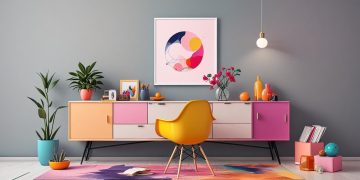
Explore how intentional design enhances functionality and aesthetics in small spaces. By prioritizing multi-functional furnishings, selecting timeless pieces, and incorporating vertical elements, you can create inviting and efficient environments. This approach maximizes space while reflecting your personal style, transforming limited areas into beautifully organized retreats.

The role of intentional design in the choice of minimalist and sustainable furniture

The article explores how intentional design shapes the selection of minimalist and sustainable furniture, emphasizing functionality, eco-friendly materials, and emotional connections. It highlights the importance of mindful consumer choices that align aesthetics with sustainability, fostering a deeper commitment to environmental responsibility while inspiring community engagement.

How Intentional Design Can Transform Your Personal Organization Routine

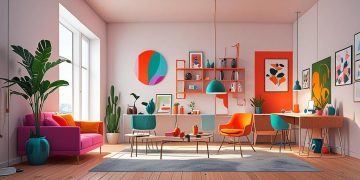
Embracing intentional design in personal organization enhances productivity and reduces stress. By incorporating thoughtful elements like visual cues, functional layouts, and customized tools, individuals can simplify their routines, prioritize tasks effectively, and create a clutter-free environment that supports well-being and clarity in daily life.

The influence of intentional design on the choice of colors and textures in organized environments

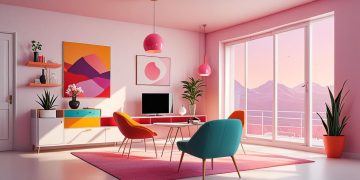
Intentional design significantly impacts the choice of colors and textures in organized environments, influencing emotions, behaviors, and overall experiences. By utilizing color psychology and carefully selected textures, spaces can enhance productivity, relaxation, and well-being, creating harmonious settings that foster creativity and improve quality of life.

How intentional design can inspire the creation of daily rituals in minimalist environments

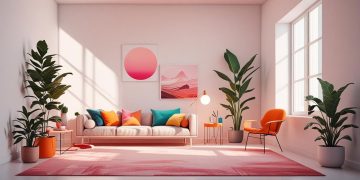
This article explores how intentional design enhances minimalist living by inspiring daily rituals that promote mindfulness and well-being. By creating clutter-free spaces, integrating natural elements, and utilizing functional furniture, individuals can cultivate meaningful habits that enrich their lives and foster deeper connections with themselves and their surroundings.

Exploring intentional design as a tool for deconstructing consumerism in minimalist environments

The article examines how intentional design serves as a powerful tool for deconstructing consumerism within minimalist environments. By focusing on meaningful consumption, sustainability, and purposeful living, it encourages individuals to embrace mindful choices that enhance well-being, promote community connections, and foster a shift away from excessive materialism.