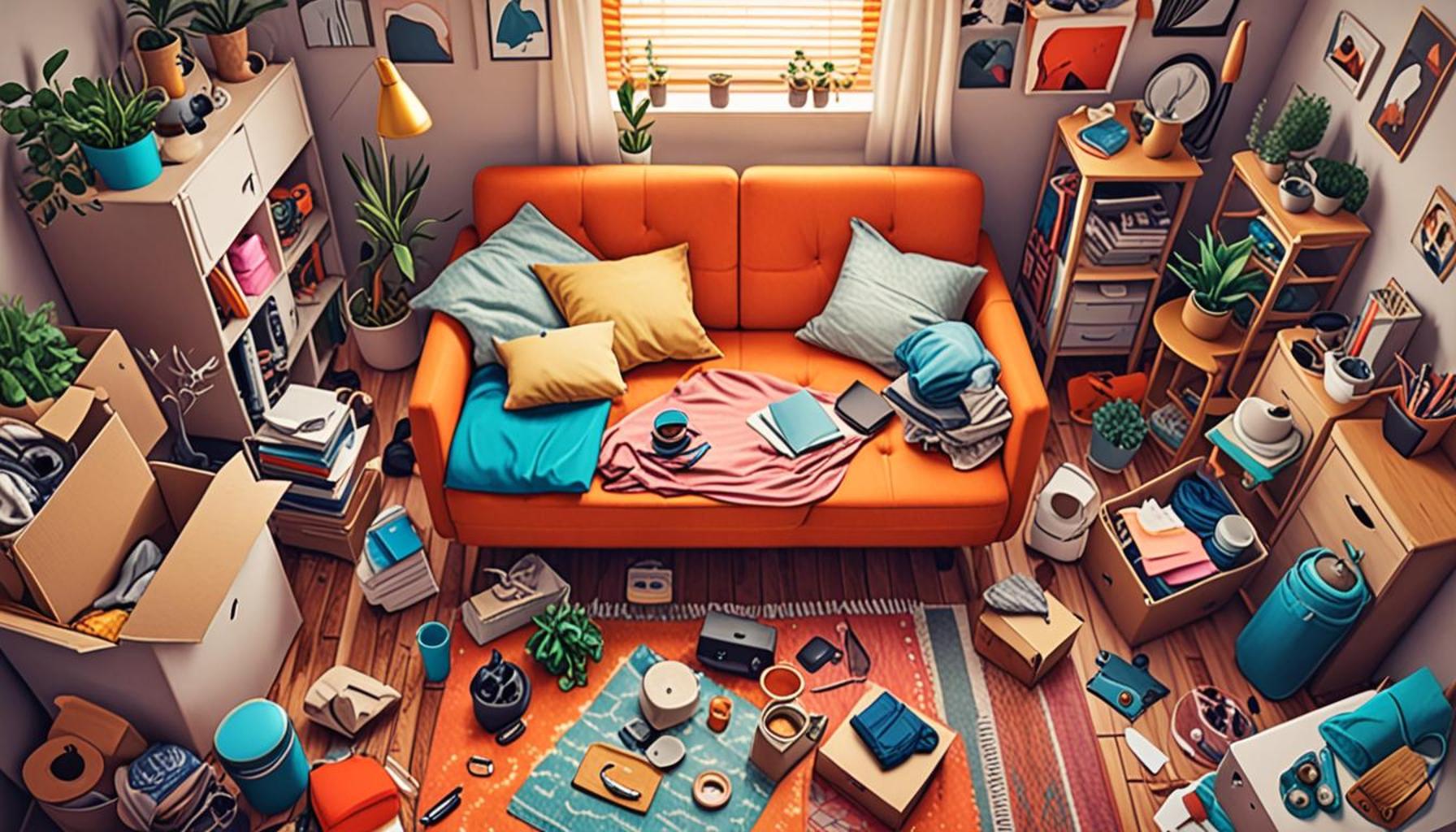
Decluttering Sentimental Items: Strategies for Dealing with Memories and Space
Understanding the Challenge of Sentimental Clutter
Many individuals find that their homes are filled with reminders of the past, often in the form of sentimental items. These can range from gifts that evoke joy to childhood memorabilia that brings a flood of nostalgia. However, as the quantities of these objects accumulate, they can create significant emotional and physical clutter that hampers both our living space and our mental well-being. The tension between the desire to hold onto memories and the necessity to declutter can be overwhelming, making the process of deciding what to keep and what to let go a formidable challenge.
Consider the range of common sentimental items that often weigh us down:
- Photographs and albums: Captured moments from vacations, birthdays, and milestones often end up filling boxes or albums that seldom see the light of day. While photographs are invaluable, an overwhelming collection can lead to confusion about what truly matters.
- Gifts from loved ones: Items received on special occasions can carry emotional weight, making it difficult to part with them, even if they no longer serve a purpose in our lives.
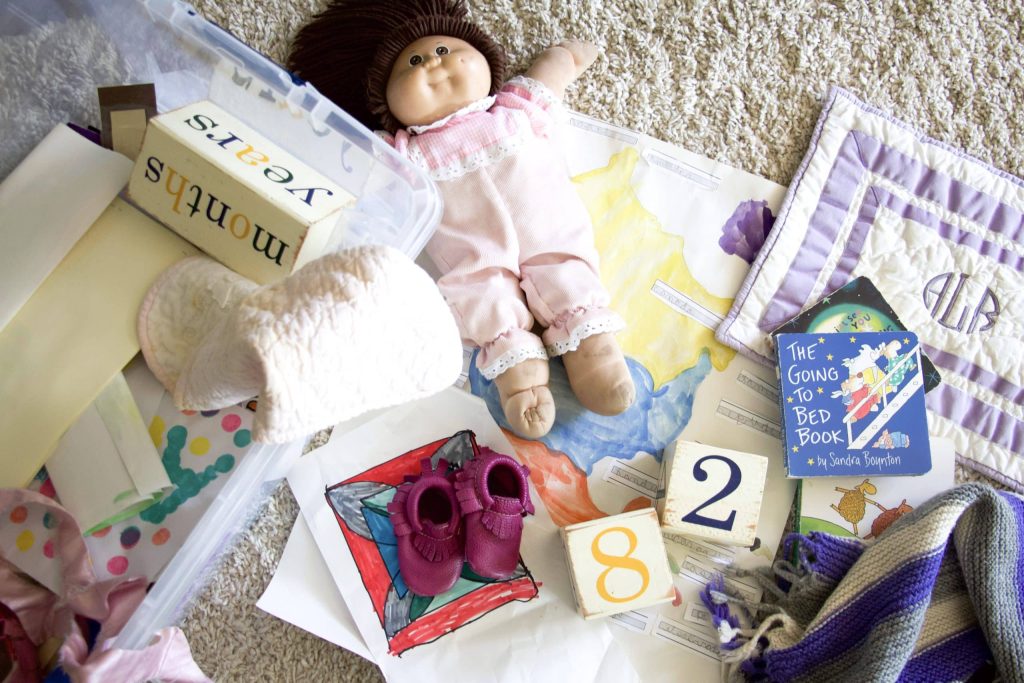
- Childhood toys: Items like action figures, dolls, or board games may seem like mere objects, but they often represent treasured memories and formative experiences that are hard to dismiss.
- Inheritance and family heirlooms: Heirlooms passed down through generations hold family stories and legacies. However, inheriting multiple items can create a burden, prompting questions about preservation versus practicality.
- Trophies and awards: While these items signify accomplishments, they can also accumulate dust on a shelf, making them a source of guilt if we feel unworthy of their presence.
Decluttering these sentimental items requires a delicate balance of emotional intelligence and practical strategies. One effective approach is to acknowledge the memories and emotions tied to these objects while thoughtfully considering their relevance to your current lifestyle. For instance, rather than keeping every single photograph from a particular event, you might choose a few that best capture the essence of those moments.
Understanding the impact of nostalgia on our decision-making can play a significant role in navigating this complex process. Recognizing that it is the memories that matter, rather than the physical items themselves, can free you to make more intentional choices about what to retain.
In the following sections, we will delve into effective strategies for decluttering sentimental items without losing the essence of the memories attached to them. Empower yourself to make purposeful decisions aligned with your present life and discover new ways to honor the past while creating space for new experiences in your home. You will gain valuable insights into managing the emotional weight of nostalgia, paving the way for a more organized and serene living environment.
EXPLORE MORE: Click here to discover how evaluating your possessions can enhance your personal growth
Assessing Emotional Attachment: The First Step Toward Clarity
Before diving into the decluttering process, it’s essential to assess your emotional attachment to sentimental items. Understanding why something holds value can be the key to making informed decisions. Many people hang onto items due to feelings of guilt or obligation rather than genuine appreciation or need. To combat this, take time to reflect on the meaning behind each item. Ask yourself questions such as:
- Does this item bring me joy or positive memories? Recognizing items that elicit happiness can steer your decisions.
- Is this object relevant to my current life? Evaluate whether the sentiment still holds weight in your present circumstances.
- Am I keeping this to please someone else? Distinguishing personal values from external pressures can clarify your motivations.
- How often do I actually use or see this item? Items tucked away often lose their significance over time.
By answering these questions, you can gain insight into which items genuinely enrich your life and which may be kept out of habit. This self-discovery can help initiate the decluttering journey without leveling an emotional burden. Remember, it’s normal to feel nostalgia; however, distinguishing between nostalgia and practicality can empower you to move forward.
The “One in, One Out” Principle
Another effective strategy is the “one in, one out” principle. This rule allows you to maintain balance in your living space. For every new sentimental item you consider bringing home, commit to letting go of another. This can help mitigate clutter while encouraging more intentional acquisitions. As you integrate this principle, you may find it easier to weigh the merits of new items against those already in your possession.
Moreover, approaching your decluttering efforts with a structured timeline can enhance decision-making. Set aside specific periods, such as weekends, to tackle designated sentimental categories—photographs one week, childhood toys the next. Breaking the process down into manageable chunks can reduce feelings of being completely overwhelmed, making the task feel more achievable.
Creating a Memory Book or Digital Archive
In the digital age, preserving memories doesn’t have to involve physical items. Consider creating a memory book, where you compile photographs and stories behind them, allowing you to condense physical items while retaining the essence of those memories. Alternatively, digital archiving—scanning photos or creating an online gallery—can be an effective way to declutter while ensuring memories are accessible and organized. Doing so creates a dedicated space for reflection without consuming physical space in your home.
As you navigate the complexities of decluttering sentimental items, remember that it is a personal journey. Emphasizing emotional awareness and practical strategies will support you in both preserving cherished memories and reclaiming your space for new experiences.
Strategies for Decluttering Sentimental Items
When it comes to decluttering sentimental items, the emotional attachments can often make the process daunting. However, implementing specific strategies can help ease this challenge and create more space in your life without losing precious memories.
1. Creating a Memory Box
One effective method is to establish a memory box. Select a container that is not overly large, and curate the most meaningful items you wish to keep. This could include letters, photographs, or small mementos. Limiting the size of your memory box ensures that you only retain what truly matters, fostering a focused approach to sentimentality.
2. Documenting Instead of Keeping
Instead of holding on to every item, consider taking high-quality photos of sentimental objects. Document the story or memory associated with each item before letting it go. This way, you preserve the memory without taking up physical space. You might also create a digital scrapbook or a dedicated social media album to celebrate these cherished memories in a more organized way.
3. Trusting the “One Year Rule”
Another strategy involves the “One Year Rule.” If you haven’t used or looked at a sentimental item in the past year, it’s a good indicator that you might not need it anymore. This rule encourages you to reevaluate your attachments to items and decide which truly enrich your life.
4. Making Decisions with a Friend
Sometimes, sharing the process with a trusted friend can bring fresh perspectives. They might help you see the sentimental items with different eyes, making it easier for you to part with things you once deemed essential. Their support can also provide emotional security during a potentially overwhelming time.
5. Gradual Decluttering
Instead of attempting to tackle everything at once, break the process into manageable sessions. Pick one category of items—such as clothing, children’s toys, or holiday decorations—and go through them systematically. This method not only makes the task feel less daunting, but it also allows for more thoughtful reflection on each category as you create more space around you.Employing these strategies can significantly transform your perspective on sentimental items, helping you manage memories effectively without sacrificing valuable space. The journey of decluttering isn’t merely about letting go; it can also be enriching, allowing you to focus on the most meaningful aspects of your life. Each decision potentially opens the door to a lighter, more organized space that better reflects who you are today.
| Strategy | Advantages |
|---|---|
| Creating a Memory Box | Focus on retaining only the most meaningful items, avoiding clutter. |
| Documenting Instead of Keeping | Preserve memories in a digital format for easy access without physical space constraints. |
By embracing these strategies, you can navigate the intricate relationship with your sentimental items, paving the way for clarity and rejuvenation in your living environment.
DISCOVER MORE: Click here to learn how mindfulness can declutter your space
Finding Balance: The Intersection of Sentiment and Space
Once you’ve assessed your emotional attachment to sentimental items, the next stage involves balancing those attachments with your physical space. For many, the challenge isn’t just about deciding what to keep or discard; it’s about understanding how sentimental clutter affects overall well-being. Research has shown that maintaining a clutter-free environment can enhance not only physical space but also mental clarity and emotional well-being. Hence, it is essential to approach the decluttering process with a holistic mindset.
Repurposing Sentimental Items
Sometimes, the emotional weight of an item can be transformed through creative repurposing. Instead of keeping an entire box of childhood toys collecting dust, consider selecting a few key pieces to upcycle. Turning vintage toys into shelf decor or incorporating meaningful fabrics into a quilt can infuse your space with memories while reducing physical clutter. This method provides a fresh approach to honoring memories, allowing for both creativity and practicality to coexist.
Moreover, consider engaging in DIY projects that will help breathe new life into keepsakes. For example, old postcards can be framed to create a unique gallery wall, merging nostalgia within a modern context. Repurposing is not only about utility; it can also deepen your connection to your sentimental items, allowing you to interact with them in a way that feels intentional and meaningful.
Sharing the Journey with Loved Ones
Incorporating family and friends into the decluttering process can provide additional emotional support while broadening perspectives. Discussing memories attached to certain items may lead to surprising revelations and allow for shared decision-making. Perhaps a sibling would cherish a particular toy from childhood, or a friend might love to display a memorable gift in their home. By sharing the burden of these sentimental items, you not only alleviate your own physical load but also spread joy by giving cherished objects a new home.
Moreover, hosting a memory swap can also be an engaging way to part with sentimental items without loss. Gather close friends or relatives, each with items to share, and swap things that hold memories for one another. This method can transform the concept of letting go into an enriching, community-oriented experience.
Mindfulness and Memory Reflection Practices
Incorporating mindfulness into the decluttering process can help navigate the emotional landscape of sentimental items. Practicing mindfulness exercises such as meditation or journaling can enhance your understanding of your feelings attached to objects. Taking dedicated time to reflect on the story behind each item may lead to a better appreciation of what truly matters, enabling you to make decisions with confidence.
Consider keeping a decluttering journal, where you document your thoughts and feelings about particular items. This could help you track both your emotional journey and the physical changes in your space. Writing down experiences attached to specific items can be a powerful tool to internalize those memories, potentially making it easier to let go.
Ultimately, creating a harmonious balance between sentiment and physical space requires thoughtful consideration and practical strategies. Acknowledging emotions, engaging creativity, including loved ones, and practicing mindfulness can transform what often feels like an overwhelming task into a fulfilling journey.
DIVE DEEPER: Click here to discover the benefits of minimalism in your workspace
Embracing Change: The Journey of Decluttering Sentimental Items
In conclusion, decluttering sentimental items is an introspective journey that combines emotional processing with practical organization. The balance between holding onto memories and maintaining a serene living space can be challenging, yet it is crucial for both mental clarity and overall well-being. By repurposing meaningful items, you breathe new life into cherished memories while significantly reducing clutter. This creative approach allows you to keep the essence of those memories alive in a way that aligns with a modern lifestyle.
Moreover, involving loved ones in the process can transform what might feel like an isolating task into a shared experience filled with support and community connection. Through conversations and memory swaps, you not only release physical items but also create new bonds through storytelling and shared nostalgia. Additionally, incorporating mindfulness into this process fosters a deeper understanding of your attachments, guiding you toward empowering decisions about what to keep and what to let go.
Ultimately, embracing the act of decluttering sentimental items is not merely about creating space; it is about honoring your past while making room for growth. As you embark on this journey, remember that every item left behind carries a story, and every choice made contributes to your present and future. Taking small steps toward a clutter-free environment will not only enhance your physical surroundings but also cultivate peace of mind and emotional clarity, leading to a more fulfilling life.