
Decluttering Techniques for the Kitchen: How to Simplify Utensils and Ingredients for a Minimalist Life
Embrace Simplicity in Your Kitchen
In today’s fast-paced world, the concept of minimalism has taken center stage, and your kitchen is no exception. A cluttered kitchen can lead to feelings of stress and overwhelm, distracting you from the joy of cooking. Simple decluttering techniques, when executed effectively, can transform this vital space into an oasis of calm, making your time spent in the kitchen more productive and enjoyable.
To truly embrace minimalism in your kitchen, it’s essential to make conscious choices about what you keep and what you discard. This approach not only benefits your physical space but also contributes to a clearer mind as you cook. With so many gadgets and utensils available, it can be easy to allow unnecessary items to accumulate. Here are some effective strategies to consider:
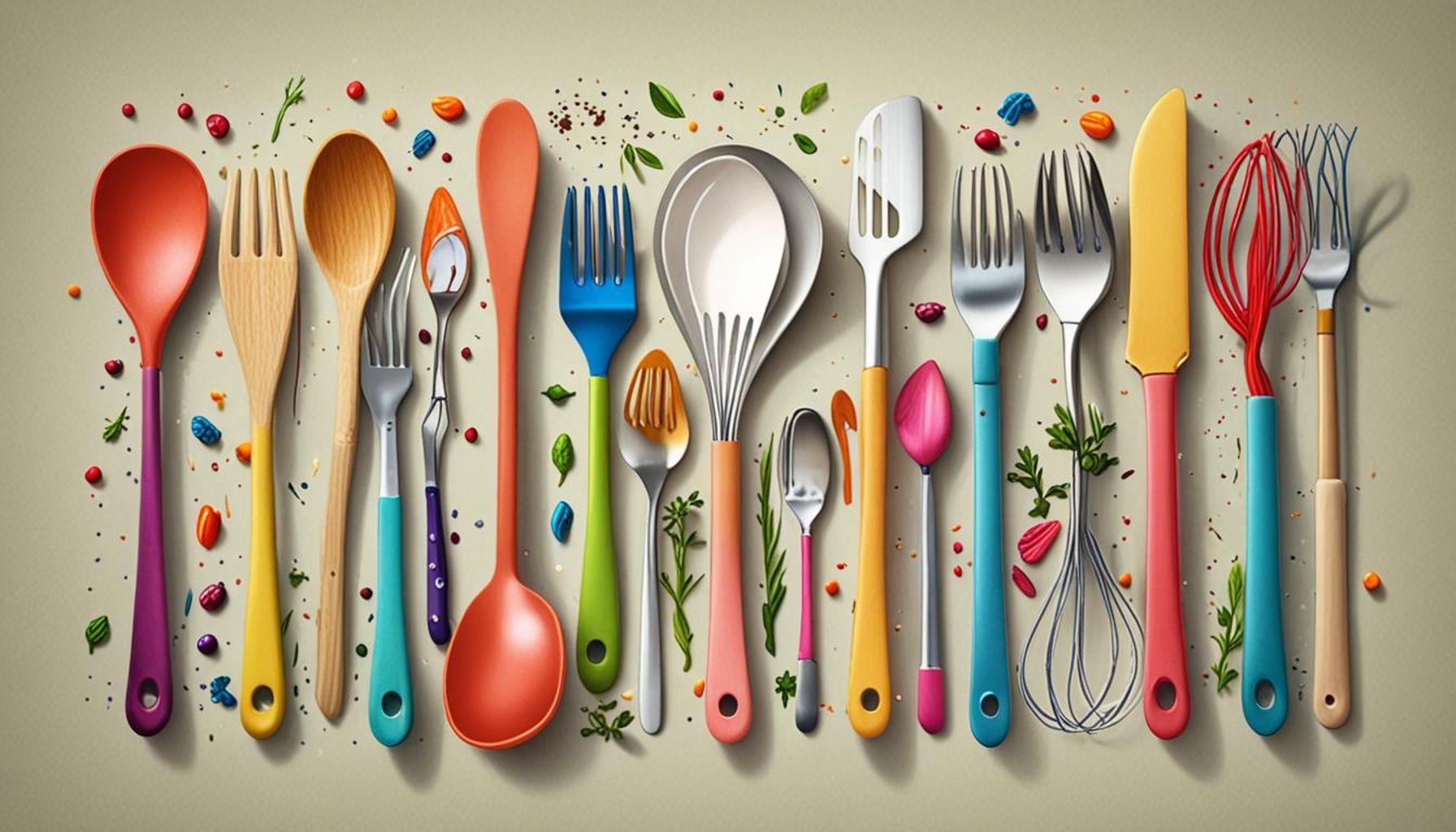
- Evaluate your utensils: Keep only those tools that you use frequently. For example, if you have an array of spatulas, ask yourself which ones you reach for most often. You might find that a single silicon spatula and a wooden spoon can handle most of your cooking needs.
- Assess your gadgets: Remove items that serve only a seasonal purpose or require specific occasions. A popcorn maker might be fun but could occupy valuable space year-round. Instead, embrace multifunctional appliances like a food processor that can handle various tasks, from chopping vegetables to making dough.
- Streamline your pantry: Organize ingredients by category and discard outdated items. Regularly check expiration dates on spices and grains. Having a clean, organized pantry not only aids in meal prep but also prevents food waste, which is critical given that billions of pounds of food are wasted every year in the United States alone.
Learning to simplify your kitchen involves more than just eliminating excess items; it requires a thoughtful understanding of the essential tools and ingredients that genuinely enhance your culinary experiences. By focusing on essential items, you will find that cooking becomes more enjoyable and less of a chore. Imagine stepping into a well-organized kitchen where everything you need is within arm’s reach, allowing you to concentrate on the artistry of cooking rather than the frustration of searching for tools.
In the following sections, we will delve into practical decluttering techniques tailored specifically for the kitchen. These methods will illuminate paths towards embracing a minimalist lifestyle while still enabling your passion for cooking. Prepare to embark on a journey that not only reclaims your kitchen space but also elevates your culinary skills. Get ready to rediscover your kitchen’s potential and enjoy the process of creating meals that nourish both body and soul.
DISCOVER MORE: Click here for insights on maximizing your space
Fundamental Steps to Declutter Your Kitchen
Embarking on a decluttering journey can seem daunting, especially in the kitchen where countless utensils and ingredients can easily pile up. However, by deploying strategic methods, you can create a functional environment that supports your culinary passions. Enable your kitchen to reflect a minimalist ethos, which prioritizes simplicity and sustainability. Here are several practical steps that you can take to streamline your kitchen effectively:
- Set Clear Goals: Start by determining what a decluttered kitchen means to you. Visualize a space where every item has its place, and you can effortlessly locate your utensils and ingredients. Setting clear goals enhances your focus and motivation during this process.
- Start with One Category: Rather than attempting to declutter your entire kitchen at once, focus on one category per session. Whether it’s utensils, pans, or dry goods, concentrating your efforts makes the task feel less overwhelming. This systematic approach allows for deeper contemplation of what items you truly need.
- Utilize the Four-Box Method: For each category you choose, designate four boxes: Keep, Donate, Trash, and Relocate. As you sort through your items, place each one in the box that corresponds with your decision. This method reduces indecision and helps clarify your intentions for each utensil or ingredient.
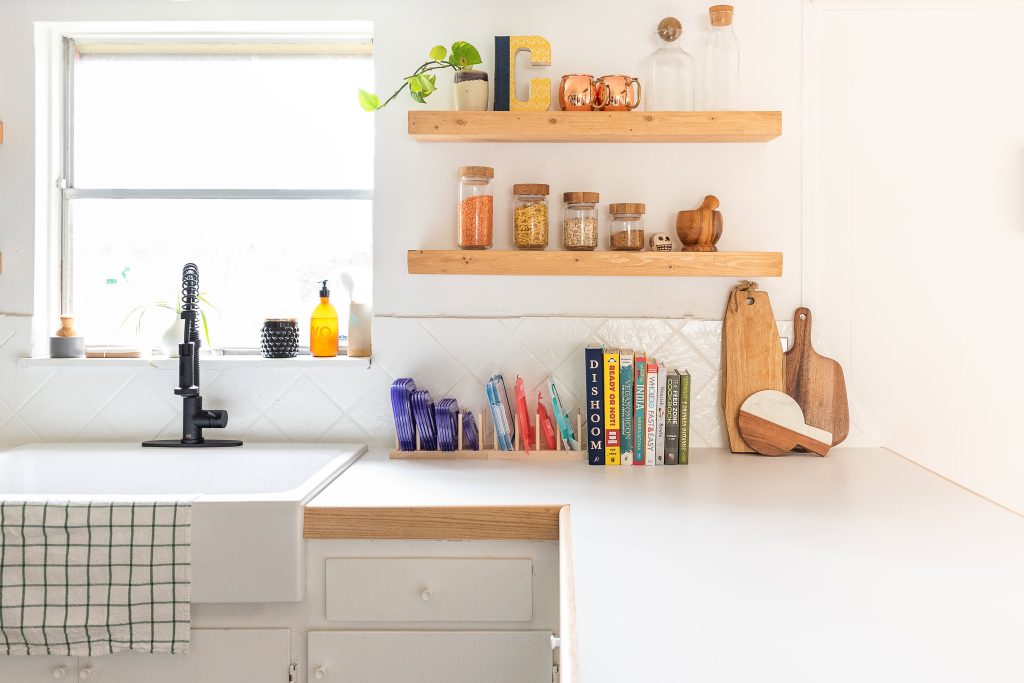
- Measure Your Ingredients: When decluttering your pantry, remove containers and packaging that are taking up unnecessary space. Invest in transparent, stackable containers to store dry goods like flour, grains, and pasta. Labeling them clearly not only enhances your aesthetic but also allows you to monitor what you have on hand more effectively.
- Practice a One-In, One-Out Rule: To maintain your newfound simplicity, adopt a one-in, one-out policy for any new purchase. For example, if you buy a new kitchen gadget, consider parting ways with an old one. This continuous cycle encourages mindful consumption and prevents future clutter.
Implementing these techniques can transform not only the physical space of your kitchen but also your relationship with cooking. It encourages an intentional practice that revels in the essentials while excluding the non-essentials. Imagine chopping vegetables with a well-chosen chef’s knife in a spacious, orderly kitchen instead of grappling with so-so knives and outdated tools. This minor shift can vastly improve your cooking experience.
As you proceed, remember that decluttering is not solely about getting rid of items; it’s about understanding which tools and ingredients support your culinary journey effectively. In the next sections, we’ll explore deeper insights into organizing and optimizing your kitchen space to align with your minimalist lifestyle, ultimately allowing you to embrace the beauty of simplicity.
| Technique | Description |
|---|---|
| The One-In, One-Out Rule | For every new utensil or ingredient you add, remove one. This method helps maintain the balance of your kitchen, preventing excessive accumulation. |
| Grouping Utensils | Categorize utensils and ingredients into clear sections. For example, keep baking tools separate from cooking utensils to streamline your cooking process. |
As you explore the concept of decluttering in the kitchen, it’s essential to understand that each technique serves not only to organize but also to enhance your culinary experience. The One-In, One-Out Rule encourages mindfulness when shopping, ensuring that your kitchen remains a place of simplicity rather than chaos. Meanwhile, grouping utensils effectively minimizes the time spent searching for items amidst clutter, an essential aspect for anyone embracing a minimalist lifestyle.Consider implementing strategies such as rotating your pantry items regularly, which ensures freshness and reduces the chances of forgetting about ingredients that may expire. Opting for multi-functional tools can also significantly reduce the number of items you need in your kitchen, allowing you to keep only the most utilized utensils at your fingertips. Take this opportunity to cultivate a kitchen environment that not only looks aesthetically pleasing but also supports your minimalist goals effectively. By engaging with these decluttering techniques, you can transform your kitchen into a sanctuary of simplicity, fostering a space where cooking becomes a joyous and stress-free activity.
DISCOVER MORE: Click here to learn about transformative furniture techniques
Advanced Techniques for Kitchen Organization
While implementing fundamental steps to declutter your kitchen is essential, diving deeper into advanced techniques can elevate your minimalist lifestyle to new heights. These strategies not only maximize your space but also enhance your cooking efficiency, allowing you to savor every culinary moment. Here are transformative practices to rethink your kitchen layout and functionality:
- Create a Zone System: Organizing your kitchen into specific zones can dramatically improve efficiency. Designate areas for cooking, prep, cleaning, and storage. For instance, keep cooking utensils like spatulas and ladles near the stove, and store cutting boards and knives in the prep area. This method allows you to access what you need intuitively, making your cooking process smoother and more enjoyable.
- Capitalize on Vertical Space: Often overlooked, vertical space in your kitchen is a hidden opportunity. Install wall shelves or pegboards to store frequently used utensils and pots, granting you much-needed counter space. Magnetic strips can also hold knives, freeing drawer space for other items. Consider using multi-tiered racks for spices and oils, which not only organizes but also allows for easy visibility.
- Embrace Multi-Functional Tools: Transitioning to multi-functional kitchen gadgets is a game-changer in decluttering. Opt for tools that serve multiple purposes, like a food processor that can slice, dice, and puree. Investing in items such as an Instant Pot, which can act as a pressure cooker, slow cooker, and rice cooker all in one, not only saves space but also diminishes the need for separate appliances.
- Implement a Meal Prep Strategy: Simplifying your ingredients can significantly reduce pantry clutter. By developing a meal prep routine, you choose recipes that utilize similar ingredients throughout the week. This approach aids in minimizing what you keep on hand while enhancing the longevity of perishable items. Consider prepping batches of staples like grains or chopped vegetables at the beginning of the week to streamline cooking.
- Review Regularly: The decluttering process is not a one-time effort; it requires ongoing commitment. Set aside time every few months to assess your kitchen items critically. During this review, consider whether each utensil or ingredient still serves a purpose in your cooking practices. If you haven’t used it for several months, it might be time to reassess its value in your life.
By implementing these advanced techniques, you will cultivate a kitchen that resonates with the principles of minimalism, encouraging not just functionality but also a deeper connection to the art of cooking. The payoff is tangible: a space that inspires creativity and eliminates overwhelm, transforming meal preparation into a delightful experience.
Furthermore, creating a visually appealing space through careful organization can enhance your engagement with cooking. Research shows that an organized environment contributes positively to mental clarity and reduces stress. Just imagine walking into your kitchen to a serene setting where everything is at your fingertips, making cooking feel less like a chore and more like a form of self-expression.
As you adopt these techniques, consider how each decision you make counts toward simplifying your life. In the next section, we will explore the importance of mindful consumption and how it ties into maintaining a clutter-free kitchen long-term.
DISCOVER MORE: Click here to learn how simplifying your life can reduce stress
Conclusion
In a world that often champions excess, the art of decluttering your kitchen stands as a refreshing counter-narrative, inviting you to embrace a minimalist lifestyle. By implementing the decluttering techniques discussed, such as creating designated zones and embracing multi-functional tools, you not only streamline your cooking space but also transform your relationship with food and preparation.
Reevaluating the items you hold onto and adopting practices like meal prepping can lead to a significant reduction in kitchen clutter, allowing you to focus on what truly matters—creating delicious meals and enjoying the process. A decluttered kitchen fosters a calm and organized environment that can unlock creativity and rejuvenate the cooking experience. Research has consistently shown that an organized kitchen can enhance your overall well-being, reducing stress and increasing joy in the culinary journey.
It’s important to remember that the journey to a minimalist kitchen is not a one-time commitment but an ongoing process of reflection and reassessment. By regularly evaluating your kitchen tools and ingredients, you’ll cultivate a space that not only serves your current needs but evolves with your lifestyle.
As you take these steps toward simplifying your kitchen, consider how each small change contributes to a greater goal of mindfulness and intentionality in your life. The heart of the home can be a sanctuary of simplicity and innovation—a place where every tool and ingredient serves a purpose. So, embark on this decluttering journey and rediscover the joy of cooking with a space that inspires you.