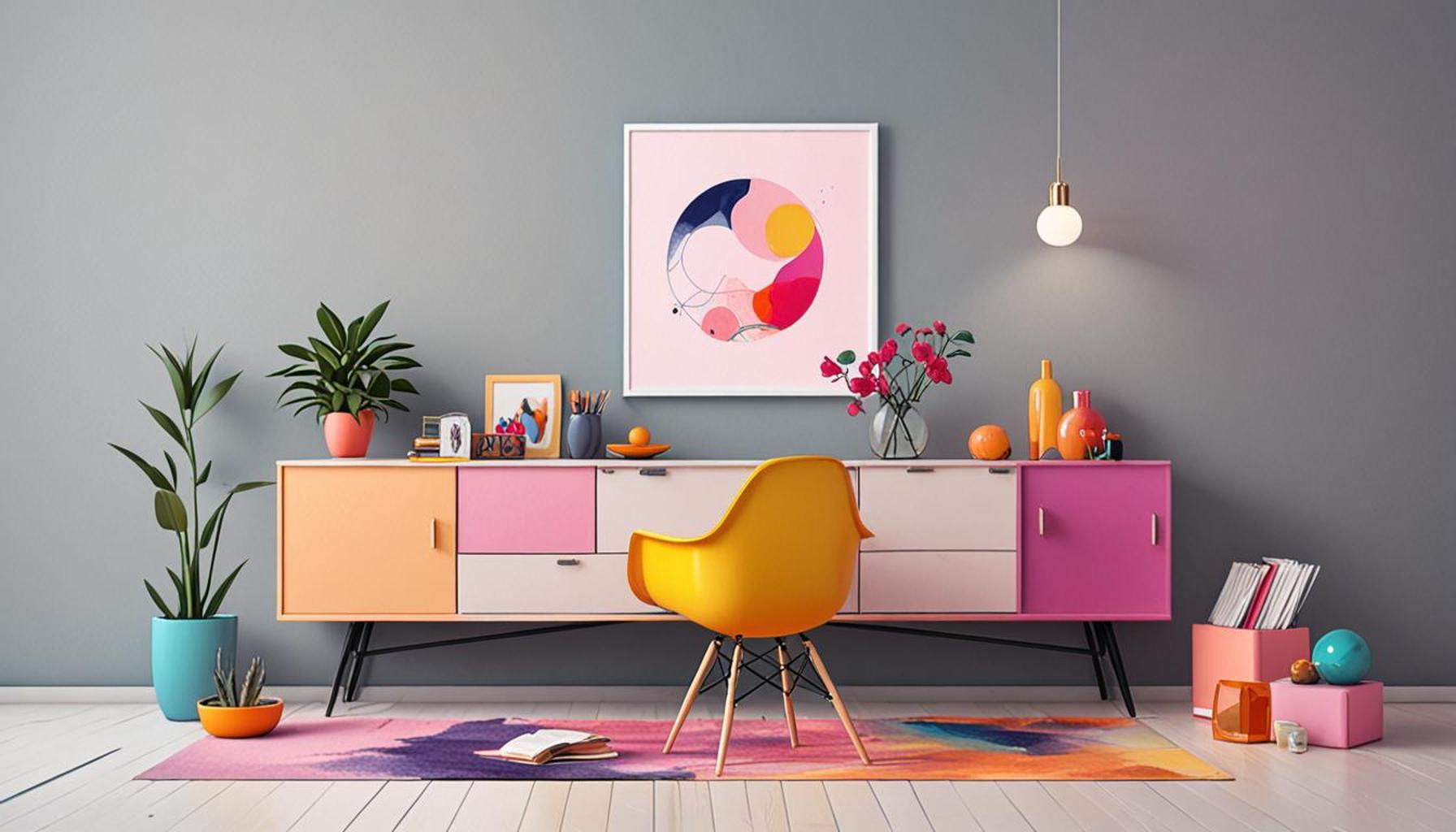
Exploring intentional design as a tool for deconstructing consumerism in minimalist environments

Exploring the Depths of Intentional Design in Our Lives
In a world where the pressure to accumulate more possessions often feels overwhelming, consumers are beginning to awaken to the realization that not all items bought lead to true satisfaction. The impact of consumerism is far-reaching, affecting not only financial well-being but also emotional and mental health. The relentless pursuit of material goods has led many to feel more cluttered and disconnected from their true values. In this context, intentional design emerges as a formidable approach that brings forth clarity and purpose within the structure of minimalism.
Defining Intentional Design
Intentional design emphasizes the importance of functionality and purpose in every item within a living or working space. It prompts individuals to ask critical questions: “Does this serve a purpose in my life? Does it enhance my well-being?” For example, consider furniture pieces that are not only aesthetically pleasing but also multifunctional, like a coffee table that can be converted into a workspace or storage unit. This approach cultivates a home environment that caters to both needs and desires without succumbing to the excess often perpetuated by massive retail promotions and fast fashion trends.
The Essence of Minimalism
Minimalism advocates for simplicity by endorsing the idea that less is more. The focus shifts from quantity to quality, urging individuals to cherish meaningful items over a collection of unnecessary knickknacks. Think about the popular small-space living movement, where valuable lessons in space efficiency help urban dwellers create harmonious homes with fewer possessions. Elements such as open shelving, natural lighting, and neutral color schemes are employed to imbue a sense of serenity. When each object in a minimalistic setting is deliberately chosen, it tells a story that resonates with personal values.
A Critical Lens on Consumerism
The rise of consumerism critique invites individuals to regularly question societal norms about purchasing habits. For instance, the minimalist movement frequently champions second-hand shopping or thrift culture as a means of embracing sustainability while reducing waste. By understanding the environmental impact of mass manufacturing, many are led to make conscious choices that promote sustainable and long-lasting solutions. The shift towards minimalism not only eschews the mindless accumulation of possessions but encourages a more mindful engagement with what we choose to bring into our lives.
The Power of Intentional Design and Minimalism
As American society grapples with an increasing awareness of its consumption habits, the synthesis of intentional design and minimalism is becoming essential. Individuals who embrace these concepts are better equipped to foster environments tailored to their values and aspirations. By making intentional choices in what we acquire and how we display it, we create spaces that mirror our priorities, enhancing our quality of life.
In conclusion, as we cultivate spaces free from the clutter of consumerism, we find pathways to authenticity and fulfillment. The journey toward intentional living begins when we recognize the transformative power of design that prioritizes purpose and mindfulness, guiding us toward a more balanced existence.
Understanding the Intersection of Intentional Design and Consumerism
As we delve deeper into the relationship between intentional design, minimalism, and the deconstruction of consumerism, it is essential to recognize the cultural context in which these concepts thrive. The American landscape is marred by a culture that glorifies constant consumption; large retail chains promote an insatiable desire for the latest trends, which, in turn, creates cycles of waste and regret. However, through the lens of intentional design, this cycle can be challenged and redefined.
Analyzing Consumer Culture
Consumer culture in the United States is often driven by emotional triggers and societal pressures. The idea that ownership equates to happiness is deeply embedded, leading to a paradox where more possessions result in increased stress and anxiety. The mindset of ‘buy more to be happy’ ignores the potency of intentional living. As individuals engage with their surroundings and the items within them purposefully, their relationship with consumerism begins to shift.
Benefits of Intentional Design in Minimalist Environments
In minimalist environments, intentional design serves as a tool for re-evaluating what we deem necessary in our lives. This approach offers several benefits:
- Clarity of Purpose: Intentional design aids in clarifying the purpose of every item we own. Each piece serves a function that is aligned with our values, which fosters a greater appreciation for our possessions.
- Reduced Clutter: By focusing on quality over quantity, spaces become less cluttered, leading to reduced stress and enhanced mental clarity.
- Enhanced Sustainability: Minimalism encourages the use of sustainable materials and second-hand goods, which actively combats the detrimental impact of consumerism on the environment.
- Empowered Choices: Individuals empowered with the knowledge of intentional design are more inclined to make conscious purchasing decisions, thus actively resisting societal pressures.
Case studies that illustrate these benefits can be found in the lives of those who have adopted minimalism as a lifestyle choice. For example, prominent advocates like Joshua Becker and Marie Kondo embody the principles of intentional design by helping others create systems of organization that focus on the essentials. Their methodologies underscore the shift toward a more purposeful interaction with our belongings—one that asks what truly brings joy and utility into our lives.
The Role of Technology in Intentional Design
Moreover, technology has begun to play a significant role in promoting intentional design principles. With various apps focused on organization and inventory management, individuals can maintain control over their possessions and avoid unnecessary purchases. Virtual platforms such as Pinterest and Instagram showcase minimalist design inspirations, allowing people to explore alternative ways to furnish their lives without succumbing to excessive consumerism.
By embracing intentional design within minimalist environments, individuals in the US can challenge the prevailing culture of consumerism. The journey towards a more mindful existence begins with understanding the impact of the items we choose to surround ourselves with, fostering a community centered around sustainability and authenticity.
| Category | Details |
|---|---|
| Purposeful Consumption | Design encourages thoughtful purchasing decisions that lead to fewer, but more meaningful, items. |
| Sustainability | Emphasizes the use of eco-friendly materials and processes, reducing waste and environmental impact. |
| Aesthetic Value | Focuses on timeless design elements that enhance simplicity and beauty, attracting conscious buyers. |
| Mental Clarity | Creates spaces that promote mental well-being by reducing clutter and distractions. |
The exploration of intentional design as a vehicle for deconstructing consumerism sheds light on the critical role of minimalism in shaping our environments. Designers and consumers alike are challenged to rethink their relationship with material possessions, moving beyond mere consumption towards a more enriching experience. By embedding purpose into design, we cultivate spaces that reflect values over vanity, encouraging a culture of thoughtful engagement rather than mindless acquisition.Such an approach not only fosters a connection to the surrounding environment but also nurtures a sense of community. Through the promotion of design that is both practical and aesthetically pleasing, individuals are likely to gravitate towards products that prioritize functionality and sustainability. As this mindset spreads, the paradigm of consumerism can be gradually transformed, leading to a more balanced and sustainable way of life. Moreover, this shift in perception can inspire manufacturers to create products that are not only desirable but also considerate of the planet’s future.
Reimagining Consumption through Intentional Design
In envisioning a shift away from rampant consumerism, it becomes essential to examine how intentional design contributes to creating meaningful spaces devoid of superfluous clutter. It is not simply about owning less; rather, it encompasses a holistic view of how we interact with our environments. This concept serves as a powerful framework for reimagining consumption, especially in the context of minimalist environments.
Creating Meaningful Spaces
The essence of intentional design is rooted in understanding the emotional and psychological connections individuals foster with their physical environments. Each item reflects a deliberate choice—whether it’s a vintage chair, a handcrafted coffee mug, or a potted plant—imparting personality and intentionality into living spaces. Such mindful decisions not only declutter our homes but also provide a stronger sense of identity.
Research indicates that environments rich in personal meaning can positively affect mood and well-being. For example, a study conducted by environmental psychologists found that participants in aesthetically pleasing, well-organized spaces reported significantly lower levels of stress and anxiety. This correlation further underscores the role of intentional design in cultivating environments that encourage mindful consumption.
Community and Connection
Additionally, intentional design causes a ripple effect, fostering community connection and collaboration. This aspect of minimalism transcends individual households as communities gather to engage in activities such as clothing swaps, sharing events, and workshops that focus on sustainability and intentional living. By integrating principles of intentional design into communal practices, individuals amplify their impact, supporting local economies rather than the larger, corporate retail systems that dominate consumer culture.
- Local Initiatives: Communities across the United States are embracing initiatives that encourage members to prioritize local artisans and businesses, thus curbing reliance on mass-produced goods. Events like farmer’s markets and craft fairs not only support local economies, but they also cultivate relationships that bolster a shared commitment to intentional design.
- Design Collaboratives: Engaging in design collaboratives—spaces where individuals can come together to share resources, skills, and tools—enables the exchange of ideas. Collaboratives promote a culture of sharing, minimizing the need for ownership of every tool or piece of equipment, thereby reducing consumerist tendencies.
Education as a Catalyst for Change
Education plays an integral role in proliferating the principles of intentional design. Schools and educational institutions are beginning to incorporate lessons on minimalism and sustainability into their curricula. By exposing young individuals to these concepts early on, students develop an understanding that encourages judicious consumption and prioritizes quality over quantity.
Moreover, organizations like Project Drawdown advocate for immersive workshops on conscious living and sustainable practices. Such initiatives empower participants to adopt intentional designs in their own lives, stimulating an ongoing dialogue about consumer responsibility and the importance of deconstructing harmful consumption patterns.
As America navigates a landscape increasingly dictated by materialism, the marriage of intentional design and minimalism offers a promising avenue for rethinking consumption. By utilizing these principles, individuals and communities alike have the potential to pave a transformative path toward a more sustainable and mindful existence, bridging the gap between today’s consumer society and tomorrow’s intentional living environment.
DISCOVER MORE: Click here to learn more
Conclusion: The Future of Intentional Design in Consumerism
In conclusion, the intersection of intentional design and minimalism offers a compelling framework for addressing contemporary consumerism. By intentionally curating our environments and fostering meaningful connections with the objects we choose to surround ourselves with, we begin to dismantle the pervasive culture of excess that defines modern society. The emotional impacts of thoughtfully designed spaces not only enhance individual well-being but also contribute to a collective shift toward more sustainable living practices.
The ripple effects of adopting intentional design principles extend beyond personal spaces, encouraging stronger community ties. Local initiatives and design collaboratives unite individuals in a shared mission to support sustainable practices and reduce dependence on mass-produced goods. This collective action challenges the entrenched ideologies of consumerism, steering communities towards valuing quality and connection over quantity.
Moreover, embedding these principles within educational frameworks nurtures a new generation that is conscious of their consumption habits. As schools and organizations inspire critical dialogues around minimalism and sustainability, we can cultivate a culture that prioritizes purpose-driven choices. The potential for such educational efforts to reshape societal norms cannot be understated.
Ultimately, embracing intentional design as a tool for deconstructing consumerism is not merely an aesthetic choice; it is a profound shift towards a lifestyle marked by mindfulness, sustainability, and community. The journey may be challenging, but with each mindful decision we make, we step closer to a future where consumption is defined not by the abundance of things we accumulate, but by the richness of our experiences and connections.