
Facial Care for Sensitive Skin: Identifying Irritations and Effective Solutions

The Complex Nature of Sensitive Skin
Navigating the world of facial care for sensitive skin can often feel like a daunting task. Sensitive skin is not merely a skin type; it is a condition marked by a heightened reactivity to various environmental factors and products. Individuals with this skin type may experience redness, itching, burning, and dryness, which can lead to frustration when selecting skincare routines. This heightened sensitivity often arises from a compromised skin barrier, which makes it essential for users to recognize their personal triggers to manage and protect their skin effectively.
Common Irritants
Understanding the elements that provoke sensitive skin is the first step towards effective skincare. Here are some prevalent irritants:
- Certain fragrances and preservatives: Many products contain synthetic fragrances that can amplify skin irritation. Consider alternatives like fragrance-free or naturally scented options that employ essential oils.
- Synthetic ingredients in skincare products: Harsh chemicals such as sulfates and parabens can strip away moisture and disrupt the skin barrier, leading to further sensitivity. Look for labels that highlight organic or non-toxic formulations.
- Extreme weather conditions: Hot sun, cold winds, and low humidity can leave sensitive skin feeling parched. Sunburn and windburn are common issues faced by those with sensitive skin, necessitating protective measures.
- Stress and hormonal changes: Events such as stressful situations or hormonal fluctuations during menstrual cycles can trigger breakouts and irritation. Hence, maintaining overall well-being is critical for sensitive skin health.
Effective Solutions
Once one identifies the irritants, implementing tailored solutions becomes crucial. Here are some strategies that can provide relief:
- Opt for hypoallergenic products: These are formulated to minimize the risk of allergic reactions and often forgo common irritants found in conventional products. Brands like Cetaphil and La Roche-Posay offer excellent options.
- Incorporate soothing ingredients: Natural components such as aloe vera, chamomile, and calendula are renowned for their calming properties. These ingredients can help reduce inflammation and provide a refreshing relief to irritated skin.
- Follow a consistent skincare routine: Establishing a routine that emphasizes simplicity can benefit sensitive skin greatly. This might include a gentle cleanser, a soothing moisturizer, and SPF for protection against sun damage.
In conclusion, understanding sensitive skin and its unique needs can significantly transform your skincare journey. By identifying irritants and exploring effective solutions, individuals can enjoy healthier and more resilient skin. Delve deeper into the nuances of sensitive skin care to unlock the secrets of protecting and nourishing your complexion, making every day a good skin day.
DISCOVER MORE: Click here to learn about facial massage techniques
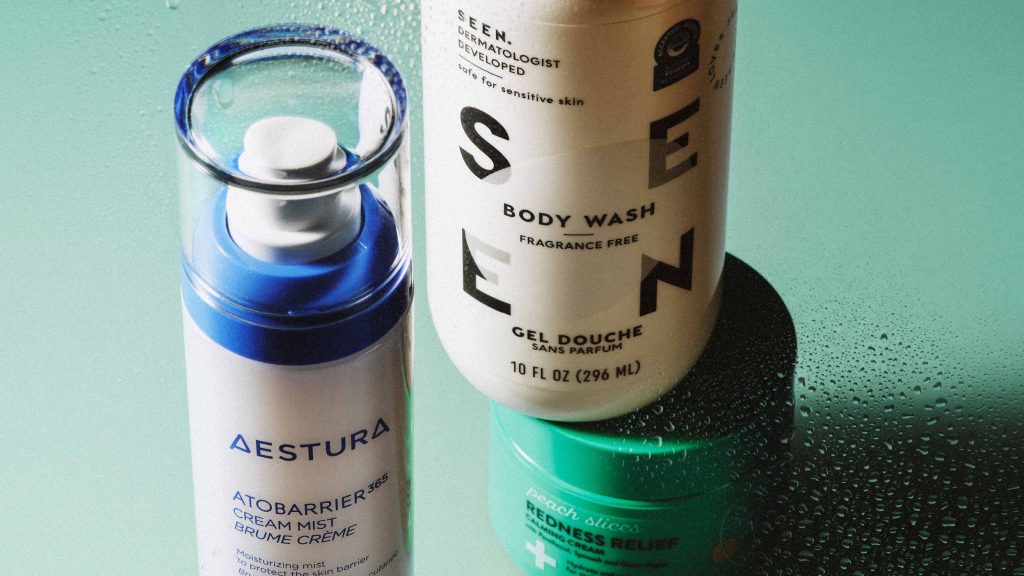

Recognizing Your Skin’s Uniqueness
When it comes to facial care for sensitive skin, one of the first and most essential steps is recognizing your skin’s unique qualities. Sensitive skin often exhibits a combination of different factors, including genetic predisposition, environmental exposure, and personal health conditions. Understanding how these elements interact can empower individuals to tailor their skincare routines effectively, leading to enhanced comfort and health.
The Importance of Patch Testing
Before diving into a new skincare product, performing a patch test can be incredibly beneficial, as it allows you to gauge your skin’s reaction without risking widespread irritation. To conduct a proper patch test:
- Select an area: Choose a small, discreet area of skin, such as the inner wrist or behind the ear, for testing.
- Apply a small amount: Use a dime-sized amount of the product on the selected area, spreading it evenly.
- Monitor for reactions: Observe the area for 24 to 48 hours for any signs of irritation, such as redness, swelling, or discomfort.
- Assess results: If any adverse reactions occur, it’s a sign that the product may not be suitable for your sensitive skin.
This simple yet effective practice can save time, money, and, most importantly, your skin from potentially damaging products.
Adapting Your Routine for Sensitive Skin
Another critical aspect of facial care for sensitive skin is the formulation of a customized skincare routine. Simplicity and consistency are key. To create an effective regimen, consider incorporating the following elements:
- Gentle cleansing: Use a mild, non-foaming cleanser that is free from sulfates and artificial fragrances. Cleansing gels or oils that respect the skin barrier can be excellent choices.
- Hydration: Choose moisturizers that contain hydrating ingredients such as hyaluronic acid, glycerin, and ceramides, formulated to keep sensitive skin replenished without added irritants.
- Sun protection: Daily application of a broad-spectrum sunscreen, with an SPF of 30 or higher, is vital. Opt for mineral-based sunscreens that typically contain zinc oxide or titanium dioxide, as these are less likely to cause irritation.
The importance of a straightforward approach cannot be overstated; complicated regimens with multiple products may exacerbate skin sensitivities. Moreover, maintaining a consistent routine helps strengthen the skin’s barrier, which over time can lead to improved resilience against irritants.
By acknowledging your skin’s unique traits and embracing a deliberate skincare approach, you open the door to a more soothing and effective experience. Understanding your skin through the lens of sensitivity allows for greater control and empowerment, paving the way towards healthier skin that looks and feels better.
Understanding Irritations in Sensitive Skin
Sensitive skin can often react to environmental factors, products, and even stress, leaving individuals frustrated and seeking relief. Identifying irritations is crucial for effective facial care. Factors such as harsh weather, exposure to pollution, and the use of irritating ingredients in skincare products can exacerbate sensitivity. It’s essential to recognize these triggers to formulate a profound understanding of your skin’s unique needs.
One of the key aspects to consider is the formulation of skincare products. Many products contain additives that might not be suitable for sensitive skin types. When shopping for facial care products, always look for labels that specify hypoallergenic and fragrance-free. These options typically contain fewer harmful compounds, reducing the likelihood of adverse reactions. Natural ingredients, such as chamomile and aloe vera, are known for their soothing properties and can significantly improve skin tolerance.
Effective Solutions for Facial Care
When it comes to caring for sensitive skin, establishing a routine that focuses on gentle, nourishing treatments can make all the difference. It’s vital to start with a mild cleanser to remove impurities without stripping the skin’s natural oils. Look for cleansers enriched with ceramides and glycerin, which help retain moisture and strengthen the skin barrier.
Once the skin is clean, opting for a calming serum containing ingredients like niacinamide or zelenka can significantly help soothe irritation and redness. These ingredients not only provide hydration but also promote healing and enhance the overall resilience of sensitive skin.
Furthermore, integrating a well-balanced moisturizer tailored for sensitive types is essential. Look for formulations designed to provide long-lasting hydration without clogging pores. Those that include antioxidants can further protect against environmental aggressors and improve skin health.Finally, incorporating a weekly soothing mask can provide additional nourishment and address specific issues. Masks containing oatmeal or honey can be particularly beneficial for relieving discomfort associated with sensitivities.By understanding the distinctive traits of sensitive skin and utilizing effective solutions, individuals can achieve a balanced, healthy complexion, free from the irritations that have hindered their skincare journey. Make informed choices and discover the transformative impact of appropriate skin care tailored specifically for sensitive skin.
| Category | Key Features |
|---|---|
| Identifying Irritations | Environmental factors, harsh products |
| Effective Solutions | Gentle cleansers, calming serums |
DISCOVER MORE: Click here to learn about the impact of climate on beauty products
Common Irritants and How to Avoid Them
Identifying irritants that exacerbate sensitive skin is crucial for effective facial care for sensitive skin. Various factors, including environmental triggers and specific ingredients in skincare products, can lead to discomfort, redness, and breakouts. By understanding these irritants, individuals can make informed choices to protect their delicate skin.
Essential Ingredients to Avoid
When seeking solutions for sensitive skin, it is essential to scrutinize the ingredient list of skincare products. Some common culprits that can incite irritation include:
- Fragrances: Both synthetic and natural fragrances can cause allergic reactions and sensitivity, making fragrance-free products a safer choice.
- Alcohol: Many skincare products contain alcohol, which can dry out the skin and disrupt the skin barrier. Opt for alcohol-free formulas to minimize irritation.
- Exfoliating agents: While exfoliation can be beneficial, harsh scrubs or products containing alpha hydroxy acids (AHAs) and beta hydroxy acids (BHAs) can compromise sensitive skin. Instead, choose gentle exfoliants like lactic acid or enzymatic scrubs.
- Preservatives: Some preservatives, such as parabens, can provoke reactions in sensitive individuals. Look for products that utilize safer alternatives, like natural preservatives derived from ingredients like rosemary or grape seed extract.
Being aware of these irritants can help steer you away from products that heighten sensitivity. Checking labels and doing your research can provide invaluable insights into the best choices for your skin.
Environmental Factors to Monitor
Beyond product ingredients, several environmental factors may contribute to skin irritation. Indoor heating and air conditioning can strip moisture from the skin, leading to dryness and sensitivity. Seasonal changes, particularly the transition from cold winter winds to warm indoor heat, can also provoke flare-ups. To mitigate these effects, consider the following:
- Humidifiers: Using a humidifier at home can restore moisture to the air, maintaining the skin’s hydration and improving comfort levels.
- Sun protection: The sun’s UV rays can exacerbate sensitivity. Wearing protective clothing and using sunscreen daily is essential, even during cloudy days.
- Water: Staying hydrated is key. Drinking plenty of water helps maintain skin hydration from the inside out, combating the effects of environmental factors.
Monitoring these environmental factors will not only help reduce irritation but also promote overall skin health. By taking proactive steps, you can create a harmonious environment that supports the well-being of sensitive skin.
Consulting with a Specialist
For individuals struggling with severe sensitivity or persistent irritations, consulting with a dermatologist can provide tailored solutions. Dermatologists can assess skin conditions such as rosacea or eczema and recommend specific treatments for management. They can also help identify any underlying allergies that could be contributing to the problem.
Our understanding of sensitive skin continues to evolve, with ongoing research highlighting the importance of individual skincare adaptations. By recognizing irritants and employing preventative strategies, you can cultivate a skincare regimen that embraces your skin’s uniqueness while minimizing discomfort. Remember, the journey to nurturing sensitive skin doesn’t have to be overwhelming; informed choices can lead to healthier, happier skin.
DISCOVER MORE: Click here for insights on ingredient choices
Conclusion
In conclusion, caring for sensitive skin requires a well-informed approach to effectively identify irritations and implement solutions. By recognizing common irritants—ranging from specific ingredients in skincare products to environmental factors such as indoor climate control—individuals can take proactive measures to protect their delicate dermis. Fragrance-free, alcohol-free, and gentle exfoliant products should be at the forefront of your skincare arsenal, complemented by consistent sun protection and proper hydration.
Furthermore, the use of a humidifier can significantly enhance skin comfort during dry seasons, while regular water intake supports overall hydration. Such adjustments to both your skincare routine and day-to-day environment play a vital role in maintaining skin health without overwhelming sensitivity.
For those with persistent challenges, consulting a dermatologist remains an invaluable step. Specialists can provide tailored insights that account for unique skin conditions, thus leading to comprehensive management strategies. The ongoing pursuit of the right balance—between nourishing your skin and avoiding irritants—is key to feeling confident in your complexion.
As research advances, the understanding of sensitive skin continues to evolve, paving the way for innovative treatments and personalized approaches. By making informed choices, you can cultivate a skincare regimen that not only alleviates discomfort but also celebrates your skin’s individuality. With persistence and knowledge, embracing your sensitive skin journey will lead to healthier and happier skin outcome.