
How Clutter Affects Our Relationships: The Importance of an Organized Space for Coexistence
The Hidden Impact of Clutter on Relationships
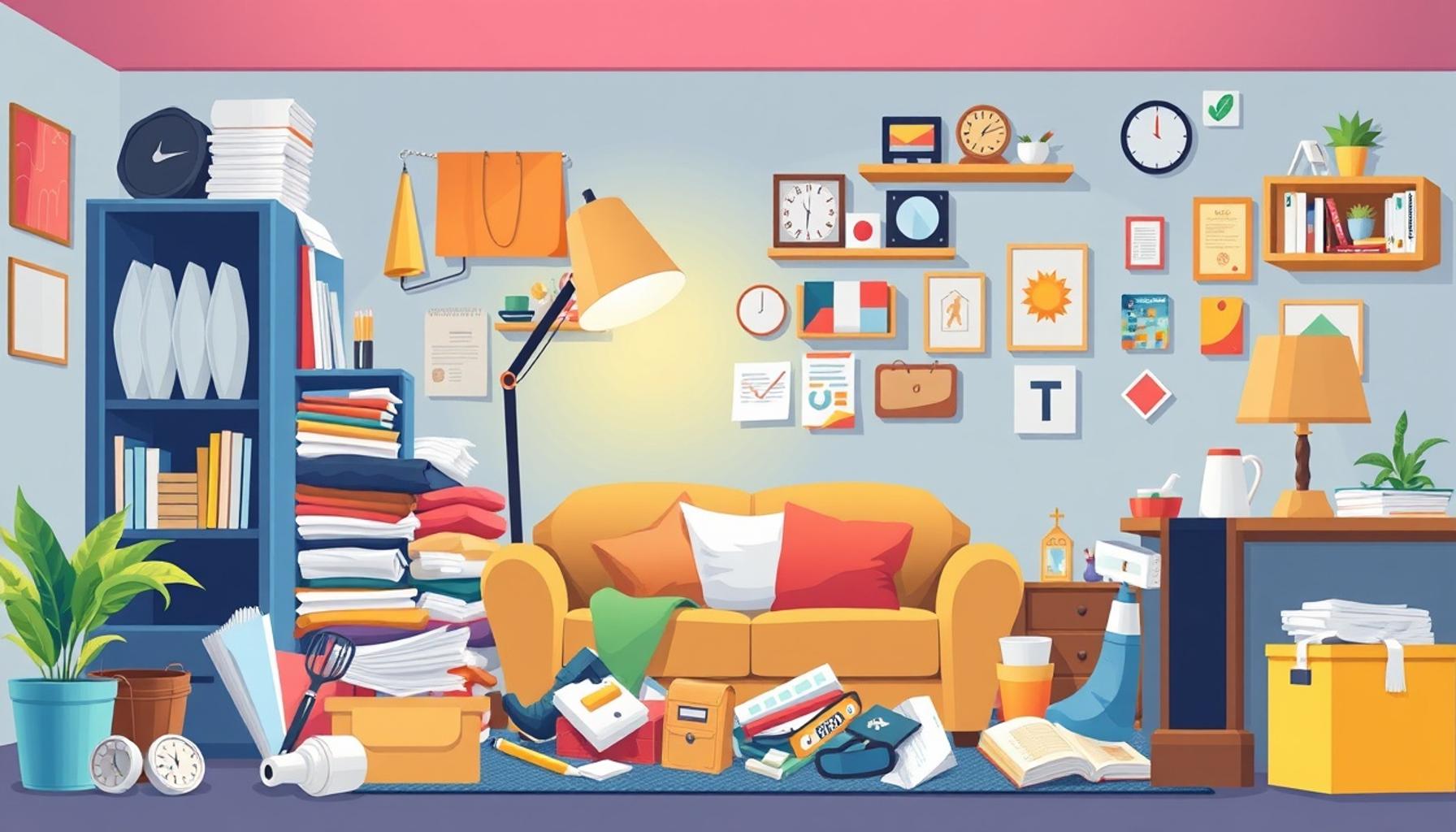
Have you ever stepped into a room, only to feel an immediate sense of unease due to the chaotic surroundings? Spaces filled with clutter can lead to more than just visual discomfort; they often trigger emotional responses that ripple through our relationships. Clutter can significantly impact our relationships, creating a backdrop for miscommunication, tension, and even resentment among family members and roommates. This phenomenon reveals the profound influence our living spaces have on our daily lives and interactions.
Many individuals think clutter is simply a personal issue tied to one’s organizational skills, but it extends far beyond that. The messiness of one’s environment can often bleed into interpersonal dynamics. Here are some essential points to consider:
- Stress Levels: A chaotic environment can exacerbate anxiety, leading to heightened stress levels. Research from the Princeton Neuroscience Institute suggests that clutter can impair our ability to focus, thereby complicating communication and problem-solving within relationships. For instance, when one partner finds it difficult to locate important documents in a messy house, it can lead to frustration and heated disagreements.
- Prioritization: Disorganization may provoke conflicts over perceived priorities and responsibilities. When household chores are neglected due to clutter, one partner may feel burdened while another seems oblivious, leading to accusations of unfairness. Understanding and addressing these underlying issues can foster healthier dialogue, promoting collaboration in maintaining a more organized home.
- Quality Time: A cluttered home can deter family members from spending meaningful time together. For instance, a messy living room packed with discarded items may discourage family game nights or movie marathons. This lack of shared space can impact family bonding, making it challenging to create cherished memories.
Recognizing these factors can pave the way for a serene and enjoyable living space. Studies indicate that a tidy environment can contribute to improved moods and stronger relationships. In the fast-paced life of the United States, where time is often limited and stress is pervasive, transforming one’s home into an organized sanctuary can serve as a vital source of connection and tranquility.
By exploring the intricate link between clutter and relationships, we can uncover practical strategies for cultivating harmony through organization. Decluttering not only impacts individual well-being but can also enhance family dynamics. From setting aside time for regular cleanups to creating organizational systems that cater to everyone’s needs, small changes can lead to significant improvements in how we relate to one another. Stay tuned to discover practical tips on how even minor adjustments in your environment can fortify your connections with those you care about most.
DIVE DEEPER: Click here to explore more about visual organization techniques
The Correlation Between Clutter and Mental Well-being
Understanding the connection between clutter and mental well-being is vital in comprehending how our personal environments affect our relationships. As numerous psychological studies indicate, our surroundings play a crucial role in shaping our moods and emotional states. Clutter can trigger feelings of overwhelm and chaos, which can, in turn, create tension between individuals living in the same space.
One of the primary reasons clutter affects relationships stems from its ability to increase stress and irritability. According to a study published in the journal “Personality and Social Psychology Bulletin,” individuals living in cluttered homes report higher levels of distress compared to those in organized spaces. A cluttered home can act as a constant reminder of unfinished tasks and chaos, perpetually weighing down on our mental state and affecting how we interact with others. When stress levels are high, communication often suffers, giving rise to misunderstandings and conflicts.
Moreover, clutter often serves as a visual symbol of priorities and responsibility. When one partner is frustrated by an untidy living environment, it might mirror deeper issues related to shared responsibilities and expectations. This discord can result from a lack of communication about household responsibilities, leading to feelings of resentment. Addressing this imbalance is essential, as unmanaged clutter can subtly dictate the emotional tone of the entire household.
Triggers and Interruptions: How Clutter Disrupts Communication
Consider the typical scenario in a busy family home. A parent returning home from work may feel bombarded by a sea of toys, clothes, and unwashed dishes. This environment not only hinders one’s ability to unwind but also interferes with important moments of connection. For example, if a family dinner is to be enjoyed at a cluttered table, the distraction of disorder can prevent meaningful conversations from taking place. When distractions abound, it impedes the formation of strong emotional bonds.
In addition to interrupted discussions, clutter can also hinder intimate moments and shared activities, reducing the opportunities for families to bond. In setting aside time for quality family interactions, many households find themselves stifled by the chaos that surrounds them. Here are some ways clutter affects these vital connections:
- Distraction: Clutter can steal attention away from loved ones, making it difficult to engage meaningfully during shared experiences.
- Embarrassment: Individuals may feel ashamed to invite friends and family over, leading to isolation and a diminishment of social interactions.
- Resentment: When clutter represents a disparity in workload, it can breed resentment, causing underlying tensions to bubble to the surface over time.
Recognizing these effects enables us to adopt proactive strategies for addressing clutter in our lives. By embracing organizational practices, not only can we enhance our own mental well-being, but we can also improve the quality of our interactions with those around us. As we delve deeper into this topic, we shall explore practical solutions and tips for creating an organized home that fosters love and connection.
| Impact on Personal Relationships | Effects on Emotional Well-being |
|---|---|
| Decreased Communication | Increased Stress Clutter creates a chaotic environment, making it challenging for individuals to find clarity in their thoughts. |
| Conflict over Space | Impacts Mental Health Living in a cluttered space can lead to anxiety and feelings of being overwhelmed. |
An organized space can significantly influence the dynamics of relationships, particularly in shared living environments. Clutter often leads to decreased communication, as the mental load of navigating through chaos can impede meaningful conversations. Additionally, it can spark conflicts over space, causing tension and frustration among occupants. The emotional toll of clutter cannot be overlooked, as it often contributes to increased stress levels. In chaotic surroundings, individuals may feel trapped in a cycle of disarray, leading to an overall sense of overwhelm. These feelings can ultimately jeopardize relationships and diminish personal well-being. Creating a harmonious and organized space fosters a positive atmosphere, facilitating better interactions and enhancing emotional health. Efficient organization can pave the way for healthier coexistence, providing both physical and psychological benefits that extend beyond mere aesthetics. Understanding the significance of an organized space can empower individuals to take action in enhancing their living environments, thus nurturing stronger relationships and promoting well-being.
DISCOVER MORE: Click here to delve deeper
Impact on Family Dynamics and Emotional Connections
Clutter does not only disrupt individual well-being; it also plays a significant role in the overall dynamics within a household. The nature of family interaction often hinges on cooperation and shared responsibilities. When clutter becomes pervasive, it shifts the balance of these interactions, introducing a layer of frustration that can hinder effective communication and reduce emotional intimacy. In essence, a cluttered environment can lead to an emotional disconnect among family members, decreasing the quality of relationships.
Consider how children perceive their home environment. Studies have shown that children raised in organized households often exhibit better focus, reduced anxiety, and improved behavior. The presence of chaos can mirror emotional instability, with children misinterpreting disorganization as a manifestation of neglect or disinterest from their caregivers. This misunderstanding can foster insecurity and resentment, which can persist into adulthood, affecting future relationships.
Clutter as a Barrier to Affection and Support
Another significant aspect of clutter’s impact on relationships is how it serves as a barrier to affection and support. When clutter accumulates, couples may find themselves arguing over the state of their living space rather than engaging in meaningful discourse. A lack of emotional availability becomes apparent, as individuals feel overwhelmed by their surroundings and struggle to engage with their partner effectively. For many couples, even small issues related to clutter can spiral into larger conflicts, overshadowing essential aspects of their relationship.
This phenomenon can lead to what mental health professionals refer to as “clutter blindness,” where individuals become so accustomed to their disorganized surroundings that they fail to acknowledge the emotional consequences. Over time, this blindness can result in diminished emotional connectedness, as partners may begin to disengage from one another when surrounded by discord.
Strategies for Reestablishing Connection
To mitigate the adverse effects of clutter, it is crucial for families to develop collaborative strategies aimed at decluttering their living spaces. Engaging in this process together can help families not only to manage physical clutter but also to strengthen their emotional bonds. Here are some practical approaches:
- Set Shared Goals: Work together to establish household organization goals, encouraging each family member to contribute their ideas and resources. This inclusion promotes teamwork and accountability.
- Regular Decluttering Sessions: Schedule routine sessions dedicated to sorting through belongings. Making it a family activity fosters connection, as participants engage in discussions about sentimental items while learning about each other’s experiences.
- Create Designated Spaces: Designating specific areas for various activities can help simplify organization while reducing clutter. For example, a reading nook or a game corner can give family members places to unwind and engage with one another meaningfully.
These methods not only combat clutter but also pave the way for deeper connections, emphasizing that a harmonious living space fosters love, understanding, and cooperation.Creating a nurturing environment contributes to the overall wellness of each family member, ultimately enhancing the quality of their relationships.
DIVE DEEPER: Click here to discover the benefits of decluttering
Conclusion: Embracing Order for Stronger Bonds
In the fast-paced world we live in, the impact of clutter on our relationships cannot be underestimated. An organized space is more than just a visually appealing environment; it serves as the foundation for healthy interactions and emotional connections. From families to romantic partners, the presence of chaos can act as a subtle barrier that leads to misunderstandings and tensions. As we have explored, disorganization can distort perceptions, diminish emotional availability, and create friction, ultimately contributing to a disconnect among loved ones.
By prioritizing an organized living space, we pave the way for better communication and understanding. Implementing simple yet effective strategies—such as setting shared goals for organization and regularly engaging in decluttering activities—can transform not just the physical environment but also the interpersonal dynamics of a household. The commitment to maintaining order enhances not only the aesthetic appeal of our homes but also fosters an emotional sanctuary where affection and support can flourish.
As you embark on your own journey toward a more organized life, remember that it is not just about tidiness; it is about nurturing relationships and creating an atmosphere conducive to love and cooperation. In this age of distraction and chaos, let us reclaim our spaces and, by extension, our connections. The benefits of an organized space will ripple through our lives, reminding us that clarity and order can lead to deeper bonds and a more harmonious existence, truly enriching our relationships for years to come.