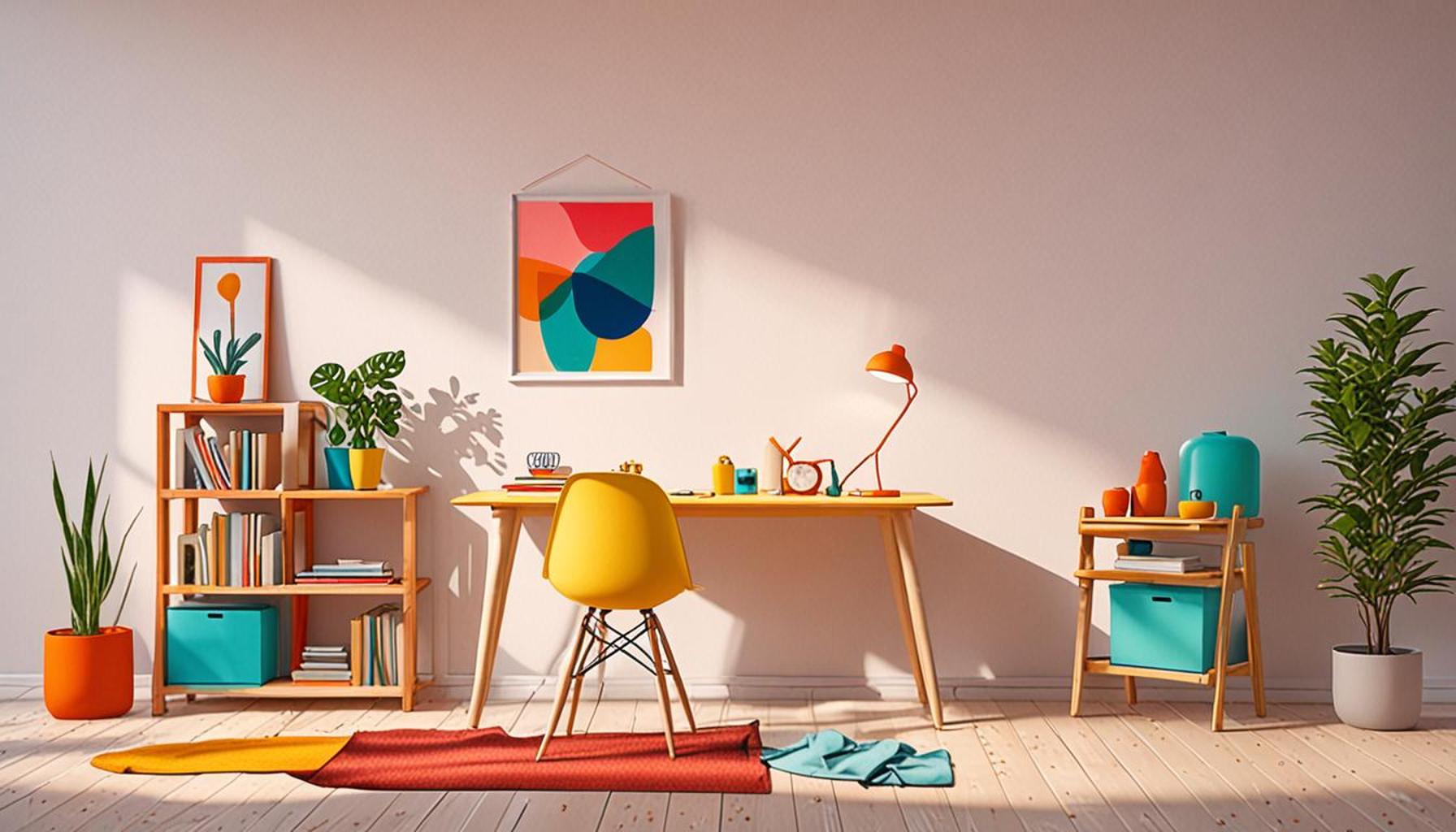
How intentional design can influence the selection of sustainable materials in minimalist projects.

Shaping a Sustainable Future through Intentional Design
As society grapples with the pressing challenges of climate change and resource depletion, architects and designers are at the forefront of fostering a sustainable future. The principle of intentional design goes beyond mere aesthetics, aiming to create spaces that are not only functional but also attuned to the environment and the well-being of their inhabitants. In this context, minimalist design emerges as a powerful approach, embodying simplicity and functionality while facilitating meaningful choices regarding material usage.
Intentional design prioritizes the selection of sustainable materials, presenting a robust framework for reducing environmental impact. Architects can opt for materials that boast a lower carbon footprint, such as recycled steel, which requires significantly less energy to produce compared to new steel. Moreover, the distinction between renewable and non-renewable resources becomes pivotal. By embracing materials like bamboo—an incredibly fast-growing grass that is both strong and lightweight—designers are championing sustainability without sacrificing style.
- Choosing materials that have a lower carbon footprint helps reduce greenhouse gas emissions.
- Prioritizing renewable resources provides an eco-friendly alternative that aligns with global sustainability goals.
- Encouraging the use of local materials not only minimizes transportation emissions but also supports regional economies.
The influence of minimalism in the realm of sustainability can be observed in the growing popularity of reclaimed wood in residential projects across the United States. This eco-conscious choice not only showcases the beauty of natural aging and imperfections, but it also prevents wood from ending up in landfills, thus contributing positively to the environment.
Furthermore, the American market is witnessing a transformation, where consumers are increasingly attracted to designs that reflect their values of eco-friendliness and simplicity. This shift is evident in developments that emphasize energy-efficient systems, such as solar panels and green roofs, which not only conserve energy but also enhance the overall value and aesthetic appeal of properties.
Considering the intersection of intentional design and material choices opens a dialogue about the future of architectural projects. It pushes the boundaries of creativity and practicality, encouraging ongoing innovation that resonates with contemporary consumers. As awareness of environmental issues escalates, the importance of these principles in shaping a sustainable future cannot be overstated. Designers and architects alike hold the responsibility to lead the charge towards a more harmonious coexistence with our planet.
DISCOVER MORE: Click here to dive deeper
Integrating Intentional Design with Sustainable Material Selection
The concept of intentional design is not merely a trend within the design landscape; it is a purposeful movement that fundamentally reshapes how architects and designers approach their projects. At its core, intentional design emphasizes making conscientious decisions regarding every aspect of a project, especially the materials selected. In minimalist architecture, where the mantra revolves around “less is more,” the implications of this philosophy are profound, offering limitless opportunities to prioritize sustainability.
Minimalist design champions simplicity, which translates into functionality and efficiency. By embracing a minimalist aesthetic, designers can minimize resource consumption while maximizing the potential for innovative sustainable material choices. For instance, utilizing locally sourced materials not only reduces transportation emissions but also enhances the connection between the building and its surroundings. This practice promotes a sense of place and can lead to the development of unique architectural narratives that reflect the regional culture and ecology.
Moreover, intentional design encourages the use of materials that promote durability and longevity. In a world where disposable culture reigns, selecting materials like hempcrete, which is not only environmentally friendly but also offers superior insulation, aligns perfectly with minimalist principles. Such materials resist wear and reduce the need for frequent replacements, ultimately leading to lower resource consumption over time.
- Resource Efficiency: Choosing materials that are sustainably sourced or recycled helps reduce the depletion of natural resources.
- Waste Reduction: Incorporating reclaimed or repurposed materials lessens waste and minimizes landfill contributions.
- Carbon Sequestration: Utilizing materials that sequester carbon, like certain types of timber, contributes positively to the environment.
An illustrative example of intentional design in action can be seen in the rise of green building certifications within the United States, such as LEED (Leadership in Energy and Environmental Design). Many projects pursue these certifications to demonstrate their commitment to sustainability, with a clear emphasis on the sourcing and use of eco-friendly materials. Consumers are increasingly drawn to properties boasting these certifications, as they convey responsibility and care for the environment, which resonates deeply in today’s market.
Furthermore, as technology advances, the landscape of sustainable materials becomes ever-expanding. Innovations such as 3D-printed buildings utilizing biodegradable materials are on the rise, providing alternative pathways toward sustainability. With a focus on intentional design, architects are prompted to think creatively about the materials they employ, navigating toward options that not only fulfill functional needs but also align with environmental goals.
As the conversation around sustainability and architecture continues to gain momentum, the role of intentional design in selecting sustainable materials becomes increasingly critical. Designers must remain engaged in ongoing research and innovation, continually seeking out materials that fulfill their dual purpose of beauty and resilience while aligning with minimalist values. This commitment will not only enhance the quality of architectural projects but will also contribute to a broader cultural shift towards sustainability.
| Advantages | Impact |
|---|---|
| Enhanced Environmental Responsibility | By selecting sustainably sourced materials, designers can significantly reduce the carbon footprint of their projects. This intentional decision-making promotes environmental stewardship and fosters community awareness regarding sustainable practices. |
| Improved Aesthetic Appeal | Intentional design not only focuses on functionality but also emphasizes beauty. Minimalist projects using sustainable materials can result in stunning visual harmony that appeals to modern aesthetics while staying eco-friendly. |
Exploring the relationship between intentional design and sustainable material selection reveals how deeply interconnected these elements have become in minimalist projects. For instance, the choice of materials like bamboo, reclaimed wood, or recycled metals not only supports ecological sustainability but also enhances durability. These materials can elevate the lifecycle of the finished product, thereby promoting a culture of longevity and responsibility among consumers.Furthermore, intentional design practices encourage transparency about the materials used, including their origins and production processes. This openness can lead to a stronger consumer relationship, where buyers feel informed and empowered about their choices. As designers strive for minimalism, they prioritize quality over quantity, ensuring that every piece serves a purpose, further enriching the minimalist ethos.Incorporating local sustainable materials also benefits the economy, supporting local artisans and reducing transportation emissions. By focusing on resourcefulness and local sourcing, projects become more than just buildings; they turn into statements of sustainability and cultural relevance. Such a holistic approach encourages new trends in the architectural landscape, inviting more professionals to experiment and adapt to consumer demands for both elegance and eco-friendliness. This paradigm shift in design underscores the potential for profound change, prompting others in the industry to reconsider their values and practices. The impact of intentional design coupled with sustainability in minimalist projects is vast, setting a powerful example for future endeavors.
DISCOVER MORE: Click here to delve deeper
Shaping User Experience Through Sustainable Choices
Intentional design transcends the aesthetic realm, deeply impacting user experience and overall interaction with space. A core tenet of minimalist design is to create environments that are not only visually striking but also provide an emotional and sensory connection for its inhabitants. This intimate relationship between people and their surroundings can be significantly enhanced through the selection of sustainable materials.
Sustainable materials often possess unique tactile qualities and natural finishes that contribute to a more enriching atmosphere. For instance, using materials like cork, bamboo, or reclaimed wood not only aligns with sustainability goals but also adds warmth and texture to a space, fostering a welcoming environment. Such choices are particularly relevant in residential projects, where the ambiance can influence mood and well-being. Incorporating natural materials can lead to a reduced dependency on artificial finishes and chemicals, promoting better indoor air quality—a hidden yet pivotal aspect of minimalist design.
Additionally, intentional design shines a spotlight on transparency and honesty in material usage. By showcasing the inherent characteristics of the materials—such as natural wear patterns or the grains of reclaimed wood—designers communicate a narrative of sustainability. This authenticity strengthens the user’s bond with the space and ignites a respect for the materials themselves, encouraging mindfulness regarding their origins and the impact of consumption in general.
- Biophilic Design: Integrating natural elements through sustainably sourced materials encourages a connection to nature, which has been shown to improve mental health and productivity.
- Cognitive Sustainability: Selecting materials that foster a sense of comfort and tranquility can reduce stress and enhance the quality of life in workspace environments—particularly vital in urban settings.
- Aging Gracefully: Sustainability in design also encompasses the concept of materials that age beautifully, offering character and visual interest over time, which aligns with the minimalist principle of longevity.
Technology continues to expand the horizons of sustainable materials, especially within minimalist architecture. Emerging products like recycled aluminum and low-impact concrete are redefining industry standards. Innovative firms across the US are pioneering the use of these materials, presenting a powerful statement that sustainability can coexist harmoniously with cutting-edge design. These materials reduce the environmental impact typically associated with construction, showing that intentional design can indeed lead to a tangible reduction in carbon footprints.
As American cities grapple with the effects of climate change, from extreme weather events to urban heat islands, there is a profound urgency for resilient architecture. Communities are recognizing that intentional design coupled with sustainable materials can offer more than just aesthetic appeal; it can serve as a crucial mechanism for adaptation and resilience. Properties designed with life-cycle assessments in mind provide insights on material performance over time and promote a sustainable usage cycle that benefits both the environment and occupants.
Furthermore, as awareness grows amongst consumers, there is a greater demand for architecture that accurately reflects sustainable values. Projects that embrace intentional design and sustainable materials not only fulfill regulatory requirements but also resonate with clients who prioritize ethical and environmental considerations. In cities such as Portland and San Francisco, where environmental advocacy is deeply ingrained in the culture, the demand for such designs continues to grow, driving architects and designers to rethink their approaches and innovate consistently.
DIVE DEEPER: Click here to learn more
Redefining Minimalism Through Sustainable Intentionality
In conclusion, the interplay between intentional design and sustainable materials is reshaping the landscape of minimalist architecture and interior design. By selecting materials that not only embody visual appeal but also prioritize environmental responsibility, designers can create spaces that resonate with both aesthetics and ethics. The use of sustainable materials—such as reclaimed wood, bamboo, and low-impact concrete—introduces a sense of authenticity and connection to nature, enriching user experience while promoting well-being.
Moreover, the principles of biophilic design and cognitive sustainability reinforce the significance of choosing materials that foster a calming environment, particularly vital in bustling urban areas. This mindful materiality encourages users to develop a deeper bond with their spaces, challenging them to consider the origins and impacts of their consumption choices. As cities across the United States increasingly confront climate change challenges, intentional design emerges not only as a stylish solution but a critical tool for resilience.
Looking ahead, the demand for innovative and sustainable designs will only amplify as consumers prioritize environmentally conscious practices. Architects and interior designers are called to be pioneers in this movement, exploring new materials and technologies while embracing the timeless principles of minimalism. By elevating the conversation around responsible design, we can redefine not just how we shape spaces, but also how those spaces reflect our values and aspirations for a better future.