How Intentional Design Can Transform Your Personal Organization Routine

Understanding the Role of Intentional Design in Organization
In today’s hectic lifestyle, where distractions abound and time slips away unnoticed, personal organization often feels overwhelming. However, by embracing intentional design, individuals can fundamentally shift their approach to managing time and activities. This design philosophy advocates for the strategic incorporation of thoughtful elements into organizational systems, which can significantly enhance clarity and efficiency.
What Encompasses Intentional Design?
Intentional design, in practical terms, translates into a deliberate selection of tools, layouts, and aesthetic choices that collectively aim to simplify life. Let’s delve deeper into its key elements:
- Visual Aesthetics: Imagine the impact of using color coding for your tasks. For example, you can assign red for urgent deadlines, green for long-term projects, and blue for appointments. Not only does this create a visually appealing system, but it also allows for quick identification and prioritization of tasks at a glance.
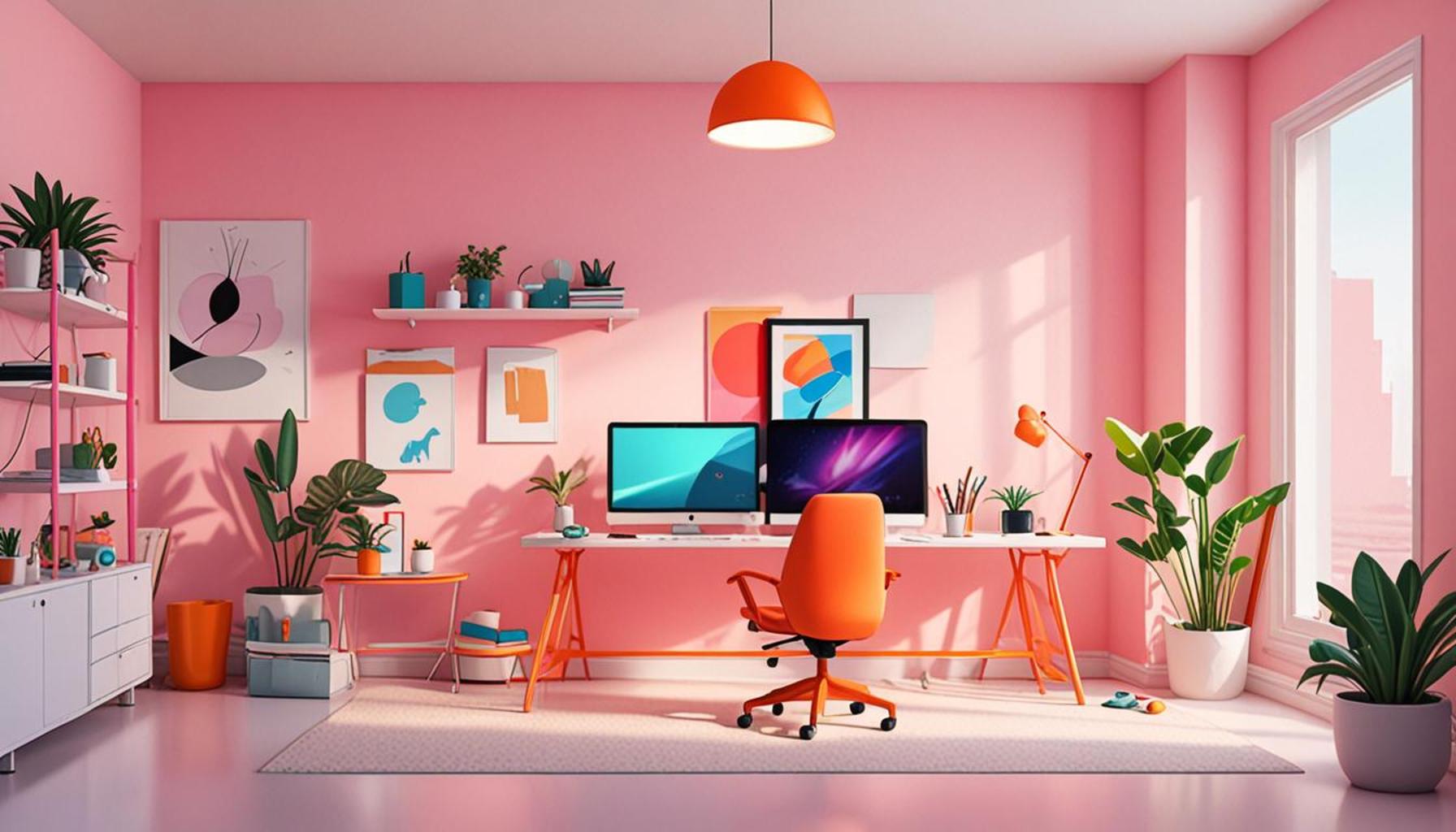
- Functional Layouts: Consider how the arrangement of your workspace can influence your productivity. An intentional design can lead to a functional layout where essential tools and resources are within arm’s reach. For instance, positioning a planner or digital device in an uncluttered space can minimize distractions and encourage focus, leading to enhanced workflow.
- Simplified Tools: The tools used for organization should support efficiency. This means selecting planners, apps, or storage solutions that align with your personal style rather than complicating your processes. For example, digital task management platforms like Trello or Asana can streamline project management by allowing users to visualize tasks and deadlines clearly.
Each of these components not only plays a role in enhancing organizational skills but redefines how we approach daily challenges. Emphasizing intentional design goes beyond aesthetic appeal; it profoundly affects productivity and mental clarity. Knowing how to apply these principles allows individuals to create a framework that supports their unique needs, ultimately leading to greater success in personal and professional endeavors.
Implementing Intentional Design in Your Life
To harness the advantages of intentional design, it’s essential to take concrete steps toward integrating these principles into your routines. Start by assessing your current organizational methods and identifying areas where intentional design can be applied. Maybe it’s time to revamp your to-do list format or rearrange your desk for better functionality. The objective is to create systems that not only look good but also work effectively to reduce stress and enhance productivity.
As you embark on this journey toward a more organized life, embrace the idea that thoughtful design can be a powerful ally. By adopting these practices, you can enjoy a more streamlined existence while unlocking your full potential.
Key Benefits of Intentional Design in Personal Organization
Integrating intentional design into your personal organization routine is not merely about creating a visually appealing space; it is about enhancing functionality and driving productivity. This design approach elevates everyday tasks, paving the way for long-term efficiency and clarity. Here, we will explore several key benefits of adopting intentional design principles in your organization strategy.
1. Enhanced Productivity
One of the immediate benefits of intentional design is the boost in productivity. By establishing a workspace that is thoughtfully organized, individuals can minimize the time spent searching for items, thereby allowing more focus on the task at hand. For example, if important documents are easily accessible and categorized, you can jump straight into your work instead of wasting valuable minutes searching for them. Research indicates that an organized environment can improve concentration by up to 30%, underscoring the importance of a strategic workspace layout.
2. Reduced Stress Levels
Cluttered spaces often lead to cluttered minds. When your environment is intentionally designed to promote order, you are likely to experience lower stress levels. An organized system evokes a sense of calm and control, allowing you to tackle each day with confidence. Consider the psychological impact of a clean workspace – it can transform your mindset from one of anxiety over unfinished tasks to a feeling of accomplishment. Studies have shown that individuals who maintain organized environments report decreased anxiety and higher satisfaction in their daily personal and professional tasks.
3. Clear Prioritization
Intentional design fosters clearer prioritization of tasks, an essential element for effective time management. By implementing visual indicators such as color coding or labeling, you can quickly assess which tasks require immediate attention versus those that can wait. This method not only streamlines your workflow but also empowers you to make informed decisions about how to allocate your time. For instance, creating a color-coded calendar that distinguishes between work commitments, personal tasks, and appointments can significantly enhance your ability to plan effectively.
4. Customized Solutions
No two individuals have the same organizational needs. Intentional design allows for the creation of customized organizational solutions tailored to one’s unique preferences and work styles. Whether you prefer digital tools or physical planners, the key lies in selecting options that resonate with you personally. This personal touch leads to increased engagement and commitment to maintaining your organization routine. For instance, employees in collaborative environments might utilize shared digital boards like Miro or Google Workspace to create streamlined communication and workflow, while others might find their rhythm with a handcrafted bullet journal.
By embracing these benefits of intentional design in your personal organization routine, you set the stage for a significantly transformed daily experience. The investment in thoughtful systems not only enhances efficiency but also contributes to your overall well-being, making organization a seamless part of your life rather than a daunting challenge. As you move forward, remember that intentional design is an evolving process, adaptable to your changing needs and circumstances.
How Intentional Design Enhances Workflow Efficiency
Intentional design is not just about aesthetic appeal; it plays a crucial role in boosting workflow efficiency. By implementing organized structures and visual cues in your workspace, you can significantly reduce time wasted on searching for tasks or materials. The color coding of files, for instance, allows for quick identification, leading to a more seamless transition between activities. This strategy not only enhances productivity but also minimizes stress levels associated with disorganization.
The Psychological Impact of a Well-Designed Space
The emotional and psychological effects of a chaotic environment are well-documented. A cluttered space can lead to feelings of overwhelm and distraction. In contrast, an intentionally designed workspace promotes a sense of calm and focus. Incorporating natural light, choosing soothing colors, and strategically placing elements like plants can create an environment that nurtures creativity and concentration. Understanding the psychological impact of your surroundings can drive you to consciously curate your space for optimal performance.
Utilizing Digital Tools for Intentional Organization
The advent of digital tools has revolutionized personal organization. Applications that emphasize intentional design facilitate effective planning and tracking of tasks, goals, and deadlines. From simple to-do lists to comprehensive project management software, these tools can integrate seamlessly into your daily routine. They allow for automated reminders and easy collaboration, giving users a clear overview of their responsibilities and progress. As such, adopting these digital resources enhances your ability to stay organized and on-task.
Building Habits Around Intentional Design
Lastly, intentional design extends beyond physical spaces and includes habits as well. Developing consistent organizational behaviors—such as the nightly planning ritual or weekly review sessions—can reinforce a structured approach to your daily life. By making these practices routine, you ensure that organization becomes second nature over time. Ultimately, creating a system that supports your personal and professional growth is vital, and intentional design can serve as the foundation for these transformative habits.
| Category 1 | Category 2 |
|---|---|
| Effective Workflow Design | Enhances productivity by minimizing distractions. |
| Psychological Benefits | Promotes calmness and improved focus. |
By integrating these insights into your personal organization routine, you can truly experience the transformative power of intentional design. Each element plays a significant role in crafting an environment conducive to success, enhancing not only organization but overall productivity and well-being.
DISCOVER MORE: Click here to dive deeper
Integrating Intentional Systems into Daily Life
To maximize the effectiveness of intentional design in your personal organization routine, it is crucial to imbue your daily life with practical systems that support a streamlined workflow. This involves not only creating aesthetically pleasing spaces but also embedding functional organization strategies into your everyday habits. Below, we will delve into practical approaches that enhance your organization method while highlighting how intentional design can become a valuable ally in capturing and managing the chaos of daily life.
1. Implementing the 80/20 Rule
The 80/20 rule, or Pareto Principle, is an essential concept to understand when organizing tasks and priorities. This principle suggests that 80% of your results come from 20% of your efforts. By identifying the key activities that yield the most significant outcomes, you can design your organization system to prioritize these critical tasks. For instance, leveraging a digital tool like Trello or Asana allows you to visualize and focus on the most impactful tasks of your workweek. This intentional design of your task management system can lead to broader success, allowing you to amplify efficiency while minimizing time wasted on less crucial activities.
2. Creating a Habit Tracker
Incorporating a habit tracker into your organization system can yield transformative results. By harnessing intentional design principles, you can construct an engaging tracker that motivates you to sustain desired habits, whether it’s exercising, reading, or maintaining a clean space. Digital platforms like Notion or physical planners designed with mindful layouts can help you visualize progress over time, encouraging consistent engagement. Research shows that it takes an average of 66 days to form a habit, so a well-designed habit tracker can serve as a visual cue and a rewarding experience that keeps you committed to your goals.
3. Embracing the Minimalist Approach
In today’s hyper-connected world, embracing a minimalist approach to organization can be a game-changer. By intentionally designing your systems with a focus on simplicity, you strip away unnecessary distractions and clutter. This involves decluttering not just physical spaces but also digital ones, such as email inboxes and cloud storage. Utilizing tools like Marie Kondo’s KonMari Method encourages you to keep only those items that “spark joy.” This intentional curation leads to a more serene environment that enhances focus and creativity, allowing you to tackle daily tasks with renewed energy and clarity.
4. Designing for Flexibility
Life is inherently unpredictable, and an intentional design that incorporates flexibility can greatly enhance your organization routine. Developing adjustable systems that allow for easy shifts in priorities is essential for long-term success. Consider implementing modular storage solutions or using adaptable digital tools that can evolve as your needs change. For example, using an online calendar platform that integrates events, tasks, and reminders lets you rearrange your schedule fluidly. This flexibility mitigates stress and ensures that your organization system remains effective, no matter the challenges that may arise.
By embracing these innovative strategies, you can further enhance the impact of intentional design in your personal organization routine. The thoughtful implementation of key concepts such as the 80/20 rule, habit tracking, minimalist principles, and flexibility can lead you to unprecedented levels of productivity and well-being. As you explore these ideas, consider how they may be adapted to fit your unique lifestyle and preferences, allowing each system to serve you effectively.
DISCOVER MORE: Click here to delve into the impact of design choices
Conclusion
Integrating intentional design into your personal organization routine can be the catalyst for meaningful change. By understanding and applying principles such as the 80/20 rule, creating habit trackers, embracing minimalism, and ensuring flexibility, you can reshape the way you manage your time and resources. These strategies not only offer clear pathways to streamline your daily tasks but also encourage a more purposeful approach to living.
As you reflect on your own organizational habits, consider how these principles can be tailored to fit your lifestyle. Whether you are a busy professional juggling multiple projects or a student trying to balance coursework and extracurricular activities, the implementation of intentional design in your organizational systems can lead to enhanced focus and productivity.
Moreover, it extends beyond mere organization; it transforms your mindset towards productivity and personal well-being. As you adopt these methods, you may find that the clarity in your environment and workflow translates into a more positive and fulfilling daily experience.
So, take the time to assess your current routines, identify opportunities for improvement, and embrace the possibilities that intentional design has to offer. By doing so, not only will you cultivate a more organized life, but you will also equip yourself with the tools necessary to navigate the complexities of modern living with grace and efficacy.