How Intentional Design Enhances Mindfulness in Minimalist Living

A Rising Trend of Minimalist Living
As more individuals grapple with the overwhelming pace of modern life, the concept of minimalism has emerged as a beacon of hope. This lifestyle advocates for simplicity, encouraging people to embrace intentional design as a way to cultivate environments conducive to mindfulness and clarity. In this approach, every item in our surroundings is thoughtfully selected, contributing not only to an aesthetically appealing space but also enhancing our mental well-being.
The Intersection of Design and Mindfulness
The application of design principles with intention can massively transform the minimalist living experience. Each element of design interacts synergistically to create a habitat that prioritizes well-being and intentionality. For instance:
- Reducing clutter: Streamlined spaces are essential in minimizing mental noise. An organized living room, free from unnecessary items, can lead to reduced anxiety and improved focus. For example, the famed Japanese decluttering expert Marie Kondo encourages people to keep only those items that “spark joy.”
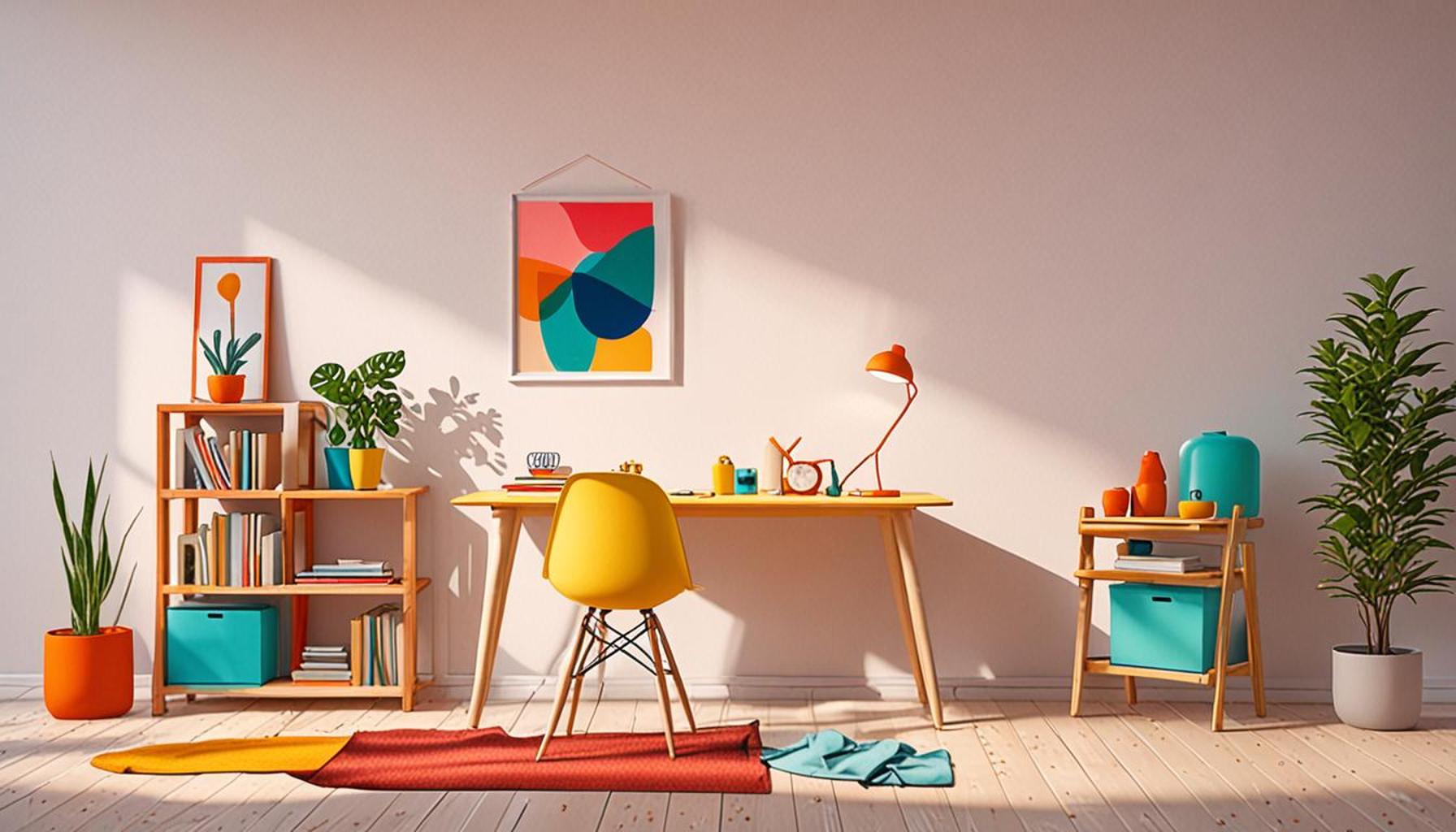
- Enhancing focus: Layouts that are carefully planned can facilitate concentration on what truly matters. A home office that incorporates a clear desk and limited distractions can dramatically enhance productivity, allowing individuals to engage deeply with their tasks.
- Promoting tranquility: Incorporating natural elements like abundant light and greenery helps foster a calming atmosphere. Research has shown that plants can improve air quality and boost mood, making them a vital part of intentional designs—think of a simple peace lily in the corner of a room!
These facets collaborate to create a sanctuary that supports mindfulness, an essential attribute in a rapidly evolving society. Embracing minimalism is more about unveiling layers of complexity; it allows for a deeper connection to one’s life, creating space for more peace, clarity, and purpose in daily routines.
Challenges and Rewards
Nevertheless, the journey towards implementing intentional design is fraught with challenges that require dedication and self-awareness. For individuals considering this path, it is vital to focus on:
- Consistency in choices regarding furniture and decor, often leading to the curation of items that genuinely represent personal values and lifestyle.
- Being aware of how each item affects one’s mood; for example, vibrant colors may energize while muted tones may soothe.
- A willingness to let go of the superfluous, which often proves to be the most daunting task. This can include donating items that no longer serve a purpose, thereby making room for a more meaningful existence.
Ultimately, the pursuit of a mindful, minimalist lifestyle is a rewarding endeavor that invites not only self-discovery but also inspires others to reflect on their environments. By investigating the nuances of how intentional design enhances mindfulness, readers can uncover practical strategies that pave the way for a more fulfilling and intentional way of living.
DISCOVER MORE: Click here to transform your space
Creating Spaces That Foster Mindfulness
Intentional design in minimalist living goes beyond mere aesthetics; it produces spaces that inherently promote mindfulness. When we consciously curate our environments, we create physical manifestations of our mental and emotional values. This practice of meticulous selection ensures that each piece within a space has a clear purpose, contributing to an atmosphere where individuals can thrive. The relationship between minimalism and mindfulness is particularly significant as it encourages us to pay attention to our surroundings and appreciate the beauty found in simplicity.
The Vital Role of Color and Texture
Color and texture play a vital role in enhancing mindfulness within intentionally designed minimalist spaces. Research shows that color can significantly influence our emotional states and behaviors. In minimalist living, choosing a neutral color palette can evoke a sense of calm and serenity. Shades like soft beige, muted grays, and gentle whites can create a tranquil environment that reduces stress and distractions. When mixed with various textures—such as a soft wool rug or smooth wooden furniture—these colors offer tactile experiences that invite mindfulness, encouraging occupants to engage more deeply with their environment.
The Power of Functional Furniture
Another essential element of intentional design is the choice of furniture. Emphasizing functionality is crucial in a minimalist setting; each piece should serve a distinct purpose while simultaneously contributing to the overarching design ethos. For instance, consider multifunctional furniture like a storage ottoman or a convertible coffee table that double as a workspace. Such pieces not only maximize space but also minimize clutter, allowing for seamless transitions between activities. Embracing functional furniture helps in cultivating a sense of order, making room for clear thoughts and focused actions.
A Sense of Connection to Nature
The incorporation of biophilic design—where designs emulate natural elements—adds another layer of mindfulness in minimalist living. Research indicates that nature has restorative properties that can enhance mental well-being. By bringing nature indoors through natural materials and biophilic elements, such as large windows that frame outdoor vistas or the inclusion of houseplants, inhabitants can foster a deep connection with their surroundings. Plants like snake plants or succulents not only enhance air quality but also serve as visual focal points, encouraging moments of appreciation and reflection throughout one’s day.
Creating Rituals Through Space
Intentional design also creates physical spaces conducive to rituals that cultivate mindfulness. For example, a dedicated meditation corner, complete with minimalistic seating and ambient lighting, can act as a retreat for personal reflection. When designed thoughtfully, a place for mindfulness practices provides a consistent reminder to pause and appreciate the present moment. Incorporating elements that are personally significant can promote emotional well-being, leading to transformative shifts in how individuals experience their daily lives.
In essence, the integration of intentional design within minimalist living strategies unveils pathways to mindfulness that resonate on both emotional and psychological levels. By focusing on color, functionality, nature, and the creation of meaningful spaces, individuals embark on a journey toward clarity and well-being that extends far beyond mere aesthetics.
| Category | Description |
|---|---|
| Intentional Space | Creating designated areas for relaxation, helping to foster mindfulness and mental clarity. |
| Curated Objects | Utilizing only essential items that resonate personally, enhancing emotional connections and reducing clutter. |
In today’s fast-paced world, intentional design serves as a bridge between the principles of mindfulness and the practice of minimalist living. The concept revolves around creating an environment that promotes clarity and peace. Intentional spaces, meticulously arranged, help diminish distractions and enhance focus. By defining areas specifically for relaxation and introspection, individuals can cultivate habits that encourage mindfulness. Additionally, minimizing possessions to only curated objects plays a vital role. Each item tells a story, creating a deeper emotional connection that resonates with personal values and experiences. This thoughtful selection process not only reduces clutter but also fosters gratitude and appreciation for what one owns. As living spaces become more intentional, the ability to engage fully in the present moment becomes increasingly accessible. By aligning your physical environment with your mental state through intentional design, you not only enhance your living experience but also pave the way for a more fulfilled and mindful existence.
DIVE DEEPER: Click here to discover more
Enhancing Daily Routines Through Thoughtful Design
Intentional design holds the power to deepen mindfulness in our everyday routines. By consciously designing the spaces we inhabit, we pave the way for living with purpose and intention. The layout of our environments can impact our daily habits, nudging us towards more mindful actions simply through thoughtful arrangement. This notion bears particular significance in the context of minimalism, as the emphasis on simplicity cultivates a focus on quality over quantity in our day-to-day experiences.
The Influence of Layout on Movement
The physical layout of a space has a profound influence on how we interact with our environment and engage in daily tasks. Open floor plans, for example, allow for fluid movement and connection between different areas of the home, encouraging interactions that are both spontaneous and meaningful. In contrast, a cluttered space with numerous obstructive furniture or decorative items can create barriers, leading to distractions and disengagement. Mindfully designed layouts encourage a sense of flow, making it easier to transition between activities and focus fully on each task at hand.
Mindful Technology Integration
In today’s digital age, integrating technology mindfully into minimalist living presents both challenges and opportunities. Intentional design incorporates technology in a way that prioritizes the user’s experience while reducing distractions. For instance, establishing a tech-free zone, such as a cozy reading nook or a tranquil workspace, encourages inhabitants to disconnect from incessant notifications and embrace moments of solitude and reflection. Furthermore, using technology in a minimalist manner, such as opting for sleek devices with clean designs, can reduce visual clutter, harmonizing with other elements within the space. This integration fosters a balanced relationship with technology, promoting mindfulness rather than mindlessness.
Emphasizing Lighting as a Mindfulness Tool
The role of lighting in intentional design cannot be overstated. Natural light fosters a sense of vitality and well-being, while the use of soft ambient lighting can create a serene atmosphere that promotes relaxation and focus. Incorporating adjustable lighting options, such as dimmable fixtures or strategically placed lamps, allows inhabitants to customize their environments to suit their activities or moods. For instance, bright lighting may enhance productivity during work hours, while soft, warm lighting may encourage winding down during evening routines. This adaptability contributes to a greater awareness of time spent in each space, directly enhancing mindfulness.
Encouraging a Sense of Community
Intentional design can extend mindfulness beyond the individual, creating spaces that invite connection and interaction among family and friends. Thoughtfully designed gathering areas, such as open kitchens with communal dining tables, promote shared experiences and foster relationships. Engaging in meaningful conversations and collaborative activities contributes to a sense of belonging and well-being, which is essential for mental health. When spaces are designed to facilitate connection, they enhance the collective mindfulness of the household, enriching the lives of everyone involved.
Ultimately, intentional design in minimalist living serves as a catalyst for mindfulness, enhancing daily routines and the quality of our experiences. By shaping layouts, mindful technology integration, lighting, and community spaces, we cultivate environments that nurture self-awareness and intentional living, transforming our homes into sanctuaries of peace and clarity.
DISCOVER MORE: Click here to deepen your personal growth journey
Conclusion
In a world often characterized by chaos and distraction, intentional design emerges as a cornerstone for cultivating mindfulness within the framework of minimalist living. By reimagining our spaces with purpose and clarity, we create environments that foster self-awareness, reduce stress, and enhance our overall well-being. The profound impact of layout, lighting, and technology integration not only streamlines our routines but also encourages a deeper connection to our surroundings and each other.
Mindfully designed spaces are not just about aesthetics; they symbolize a lifestyle choice that prioritizes quality over quantity. This approach drives us to engage more intentionally with our possessions, relationships, and daily habits. As we declutter our physical environments, we simultaneously declutter our minds, allowing room for creativity, reflection, and genuine interaction. The harmony created by intentional design sets the stage for mindfulness, where every moment becomes an opportunity for presence and appreciation.
Moreover, the social dimension of intentional design cannot be overlooked. By fostering connection among family and friends through communal spaces, we nurture relationships that enhance our collective mindfulness. This interconnectedness elevates the overall quality of life, making our homes sanctuaries of peace and engagement.
As we continue to explore the dynamics of minimalist living, it becomes clear that intentional design is not just a trend but a powerful tool for transforming how we live. For those seeking tranquility amidst the noise of modern life, embracing a thoughtfully designed space may be the first step towards a more mindful existence.