How Stress and Diet Affect Facial Skin Health
The Interplay of Lifestyle Choices on Facial Skin Health
The condition of our skin is generally viewed as a telling barometer of our overall health, and this is particularly true when examining facial skin health. Factors such as stress and diet are pivotal in influencing skin appearance and texture. Surprisingly, many individuals remain unaware of the deep connections between these factors. The emerging evidence reveals crucial insights that warrant attention.
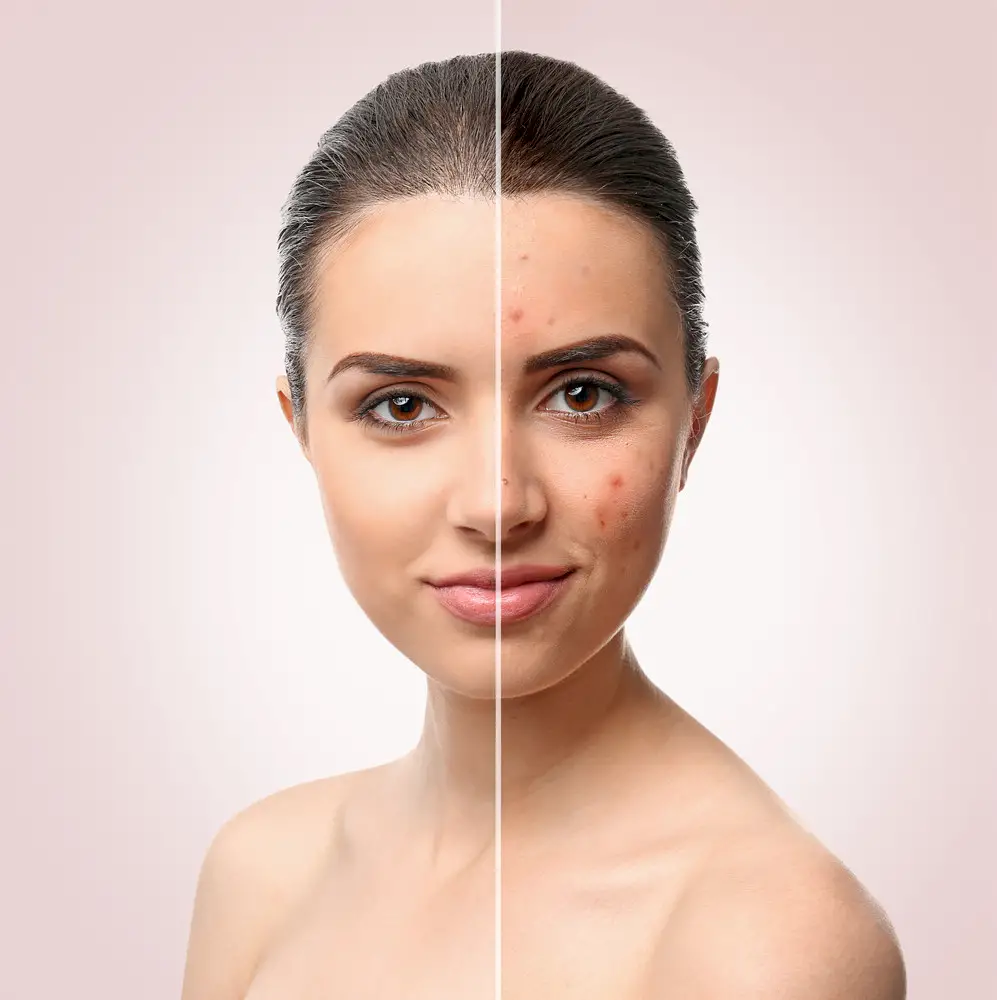
Stress is often an unnoticed antagonist in the realm of skincare. Chronic stress can escalate a variety of skin concerns, including inflammation, acne, and signs of premature aging. For instance, busy professionals juggling deadlines may find that the stress manifests in their skin through breakouts or an increase in oiliness. Studies suggest that when under stress, the body produces higher levels of cortisol—a hormone that can stimulate oil production in the skin leading to clogged pores and acne. Furthermore, stress can lead to behaviors that exacerbate skin conditions, such as touching the face or neglecting a proper skincare routine.
Complementarily, a well-rounded diet plays a critical role in nurturing skin vitality. Nutrient-rich foods, particularly those high in antioxidants—like berries, leafy greens, and nuts—can significantly enhance skin health. On the contrary, diets high in processed sugars and unhealthy fats can lead to inflammation and exacerbate existing skin conditions. For example, a diet rich in omega-3 fatty acids, found in fish like salmon and seeds like flaxseed, has been shown to promote anti-inflammatory benefits, leading to a smoother complexion. Conversely, excessive consumption of sugary snacks may spike insulin levels, triggering a cascade of hormonal changes that can result in acne.
Hormonal fluctuations accompanying stress further complicate the equation. Elevated stress levels can disrupt hormonal balance, affecting everything from oil production to recovery time from existing skin ailments. Understanding these hormonal changes can empower individuals to recognize and address stress-related skin issues effectively.
Recognizing how stress and diet are intertwined, alongside being aware of which foods promote healthy skin, can improve overall skin health significantly. The knowledge that everyday decisions—from stress management techniques like yoga or meditation to incorporating more whole foods into meals—can profoundly impact skin vitality is empowering. These insights invite individuals to take control of their skincare regimes, paving the way for healthier choices that benefit both health and appearance.
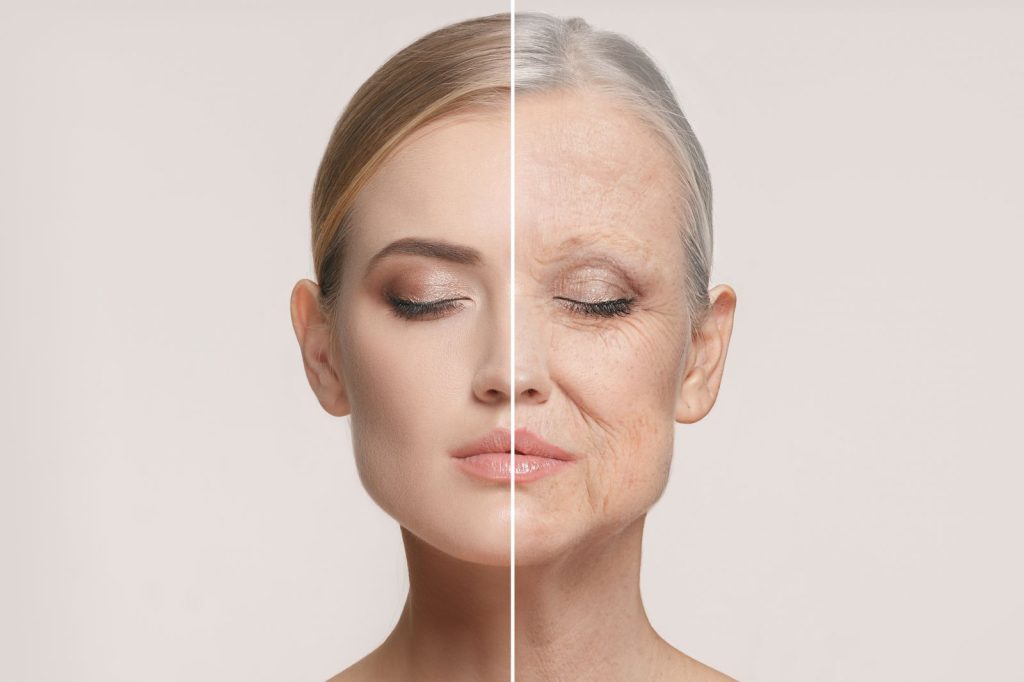
Explore the viable ways to enhance your lifestyle for improved facial skin health by focusing on stress reduction and nourishing dietary choices. As we dive deeper into the intricate relationship between these factors, the journey toward radiant skin becomes more manageable and rewarding.
DISCOVER MORE: Click here to learn about facial massage techniques and their benefits</p
The Impact of Stress on Facial Skin
Understanding how stress affects facial skin health requires a closer look at the biological mechanisms at play. When the body experiences stress, it enters a state of heightened alertness, often referred to as the “fight or flight” response. This physiological reaction is orchestrated by the release of hormones, particularly cortisol. Known as the primary stress hormone, cortisol serves various functions but is most notable for its impact on skin health. Increased cortisol levels can lead to elevated oil production in the sebaceous glands, significantly heightening the risk of acne and other skin disorders.
Moreover, chronic stress has been linked to increased levels of inflammation throughout the body. This inflammation can manifest on the skin as redness, puffiness, and even skin conditions like eczema or psoriasis, which often worsen with stress. Research indicates that the inflammation caused by stress could prolong the healing of existing skin issues, making it crucial for individuals to adopt effective stress management techniques.
Recognizing Stress-Induced Skin Changes
Being able to identify stress-induced changes in facial skin is paramount for effective intervention. Some common indicators include:
- Breakouts: Increased oil production can clog pores, leading to sudden outbreaks of acne.
- Dryness: Paradoxically, stress can also lead to skin dehydration, causing it to appear flaky and dull.
- Signs of Aging: Stress accelerates the breakdown of collagen, leading to fine lines and sagging skin.
- Flushed Skin: Stress can cause blood vessels to dilate, leading to a red, irritated appearance.
While these changes can be alarming, recognizing the root cause is the first step toward reclaiming healthy skin. Individuals grappling with stress often neglect holistic skincare practices, leading to a vicious cycle. Taking a proactive approach—such as incorporating daily relaxation strategies and a consistent skincare routine—can counteract the negative effects of stress on the skin.
The Role of Diet in Skin Health
Inextricably linked to stress is the role of diet in supporting or sabotaging facial skin health. What we consume shapes not only our physical health but also the vitality of our skin. A nutrient-dense diet rich in vitamins, minerals, and antioxidants can fortify the skin against the adverse effects of stress. For instance, Vitamin C, found abundantly in citrus fruits and bell peppers, plays a pivotal role in collagen production, thereby impacting skin elasticity and firmness.
Conversely, diets high in processed sugars and unhealthy fats can lead to a plethora of skin issues. Foods that provoke inflammation, such as sugary snacks and fried items, are known culprits for exacerbating acne and dullness. A regular intake of these foods can spike insulin levels, leading to hormonal fluctuations that contribute to breakouts. By understanding the impact of dietary choices, individuals can modify their eating habits, favoring whole foods that nourish the skin rather than harm it.
In summary, the intricate relationship between stress and diet presents an opportunity for individuals to adopt healthier lifestyle choices. By managing stress effectively and consuming a balanced, nutrient-rich diet, people can significantly improve their facial skin health, paving the way for a radiant complexion.
How Stress and Diet Impact Your Skin
Stress and diet play pivotal roles in determining facial skin health. Numerous studies have shown that chronic stress can exacerbate skin conditions. For instance, stress can increase cortisol levels, leading to inflammation and aggravating issues like acne, eczema, and psoriasis. Furthermore, when stressed, people often resort to unhealthy eating habits, opting for processed foods high in sugar and unhealthy fats, which can lead to breakouts and dull skin.Conversely, a well-balanced diet full of antioxidants, vitamins, and minerals can significantly bolster skin health. Foods rich in omega-3 fatty acids, such as salmon and walnuts, can help reduce inflammation, while antioxidants found in fruits and vegetables combat oxidative stress. More importantly, staying hydrated is essential for maintaining skin elasticity and a youthful appearance. Moreover, certain nutrients, including vitamins C and E, play critical roles in collagen production and skin repair. By incorporating nutrient-dense foods into daily meals, individuals can better support their skin’s resilience against stress-related damage.Also, it’s crucial to recognize the symbiotic relationship between mental wellness and skin health. Mindfulness practices, such as meditation or yoga, can lower cortisol levels, resulting in improved skin conditions. This interplay shows that managing both diet and stress is not only vital for overall health but is particularly beneficial for preserving the skin’s natural beauty.Below is a table summarizing some of the key advantages related to how stress and diet influence facial skin health:
| Impact Category | Advantages |
|---|---|
| Stress Reduction | Leads to lower cortisol levels, reducing skin inflammation and irritation. |
| Healthy Diet | Provides essential nutrients that promote skin repair and hydration. |
DISCOVER MORE: Click here to learn about the benefits of yoga for your skin
Understanding the Connection Between Diet and Stress Management
One of the most overlooked aspects of facial skin health is the connection between diet and effective stress management. The foods we consume not only nourish our bodies but also influence our mental state. Incorporating Omega-3 fatty acids, found in fish like salmon and sources like walnuts and flaxseed, can promote brain health, which in turn aids in regulating stress levels. Studies have shown that a diet enriched with these fatty acids can lower the levels of stress hormones and improve overall mood, helping the skin to reflect that inner balance.
Furthermore, hydration plays a crucial role in this interplay. Inadequate water intake can lead to a dehydrated skin barrier, making the skin more reactive to stress and environmental stressors. Experts recommend drinking at least eight ounces of water daily, a habit that not only boosts hydration but also enhances skin elasticity and appearance. Incorporating hydrating fruits such as cucumbers, watermelon, and oranges can further assist in maintaining that critical moisture balance, directly influencing how the skin reacts to stress.
Foods to Avoid for Optimal Skin Health
Just as certain foods can enhance skin vitality, others can detract from it significantly. Highly processed foods, loaded with additives and preservatives, can lead to imbalances in the body that exacerbate stress and adversely affect skin health. For instance, studies suggest that a diet high in refined carbohydrates—such as white bread, pastries, and sugary cereals—can lead to spikes in blood sugar levels, resulting in chronic inflammation that may manifest as acne or earlier signs of aging. Reducing the intake of these foods is essential for individuals conscious about their skin’s health.
- Alcohol</: Consuming alcohol can dehydrate the skin, leading to puffiness and dryness.
- Caffeine: While moderate caffeine intake can enhance focus, excessive amounts can lead to anxiety and exacerbate stress levels, negatively impacting skin appearance.
- Dairy Products: For some individuals, dairy can trigger breakouts due to hormonal fluctuations, making moderation key.
Additionally, mindful eating practices can cultivate a sense of control over dietary habits, thereby reducing stress levels. Engaging in practices like meal planning, cooking at home, and enjoying meals without distractions can create a more grounded relationship with food. This not only fosters a sense of accomplishment but also promotes healthier choices that support overall well-being.
The Role of Antioxidants and Their Impact on Stress
Antioxidants are a vital component of any skin-healthy diet, particularly in combating oxidative stress—an imbalance caused by free radicals that can accelerate signs of aging and other skin issues. Foods rich in antioxidants, such as berries, dark chocolate, and green leafy vegetables, can significantly contribute to skin vitality. Research indicates that these compounds help neutralize harmful free radicals produced during stressful situations, offering a protective effect on the skin.
Moreover, regular intake of fermented foods such as yogurt, sauerkraut, and kimchi can improve gut health, which is intricately linked to mental health. A balanced gut microbiome supports neurotransmitter production, influencing mood and stress response, thereby creating an indirect yet significant impact on skin health.
As research continues to delve into the interconnections between stress, diet, and skin health, individuals are encouraged to explore the profound effects these areas have on each other. By aligning dietary choices with mental well-being practices, people stand a better chance of achieving luminous and healthy skin.
DISCOVER MORE: Click here to learn about superfoods for your skin
Conclusion: The Intricate Dance of Stress, Diet, and Skin Health
In summation, the intricate relationship between stress and diet plays a pivotal role in shaping the health of our facial skin. The choices we make in our daily meals are not just about satisfying our hunger; they profoundly impact our mental well-being and, subsequently, our skin’s appearance. By incorporating nutrients such as Omega-3 fatty acids and antioxidants while ensuring adequate hydration, we can mitigate the adverse effects of stress and cultivate a radiant complexion.
Moreover, understanding the detrimental impact of processed foods, excessive caffeine, and alcohol can empower individuals to make more informed dietary choices. This awareness can lead to a significant decrease in skin issues caused by dietary-induced stress responses, allowing for a clearer and healthier complexion over time.
Additionally, adopting mindful eating practices not only enhances our nutritional intake but also fosters a sense of control over our stress levels. This holistic approach to skin health encourages exploration beyond cream and serums, inviting individuals to embrace a lifestyle that nurtures both mind and skin. As research continues to unravel the complexities of these connections, it becomes increasingly clear that a balanced diet and effective stress management are essential components of achieving optimal skin health.
Ultimately, embracing the synergy between what we eat and how we manage stress opens new avenues for improving our facial skin health. It’s a journey worth embarking on for anyone seeking to enhance their natural beauty from the inside out.