How Technology Is Transforming the Music Creation Process in Nigeria
Transformative Technologies in Nigerian Music
The impact of technology on music creation in Nigeria has not only changed how music is produced but has also contributed to the broader cultural narrative of the nation. This revolution comes at a time when Nigerian music is gaining traction on the global stage, with artists like Burna Boy and Wizkid showcasing Afrobeats to international audiences. The emergence of innovative tools is enabling new waves of creativity and collaboration, pushing the boundaries of traditional music-making.
Digital Audio Workstations (DAWs)
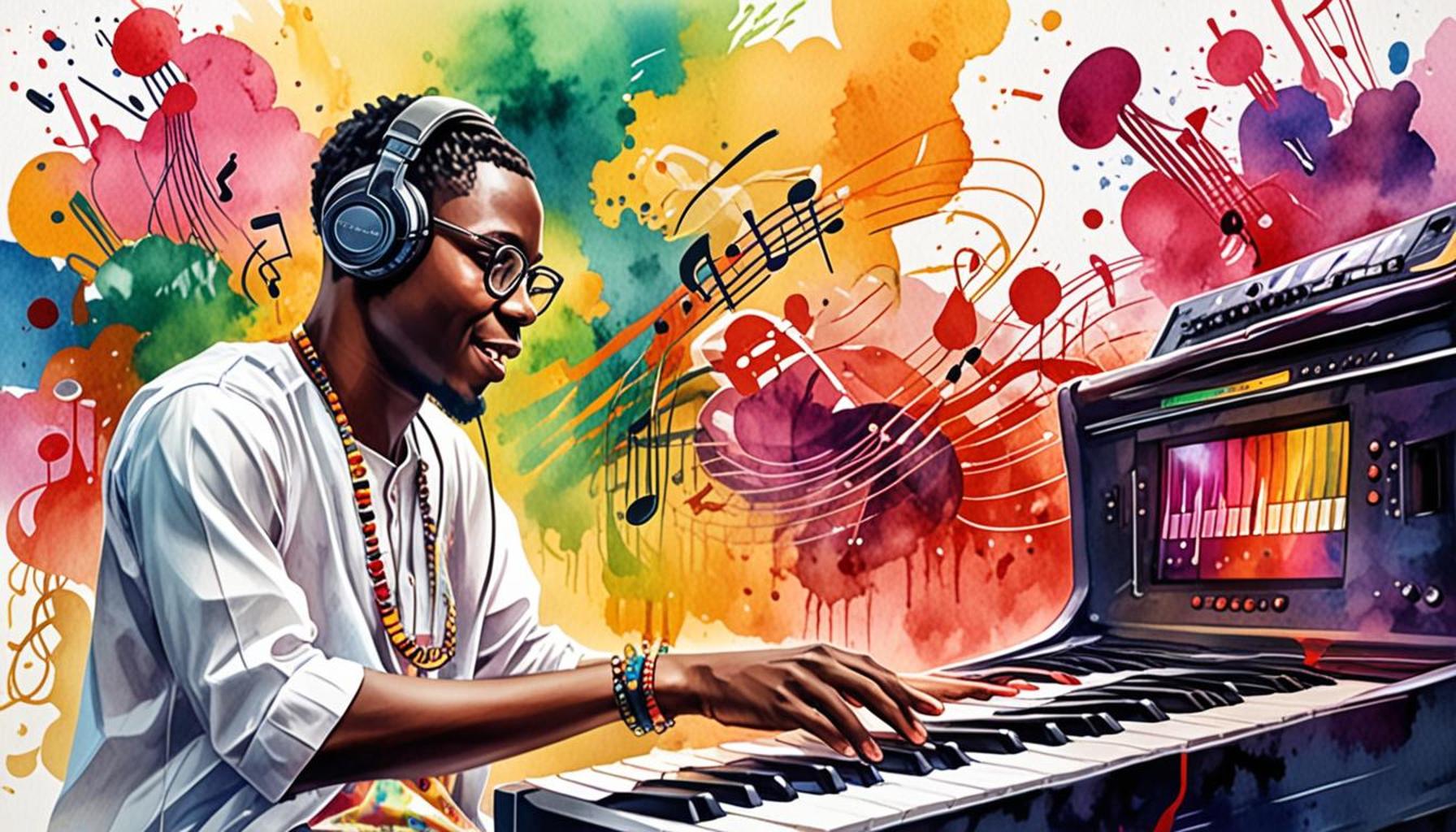
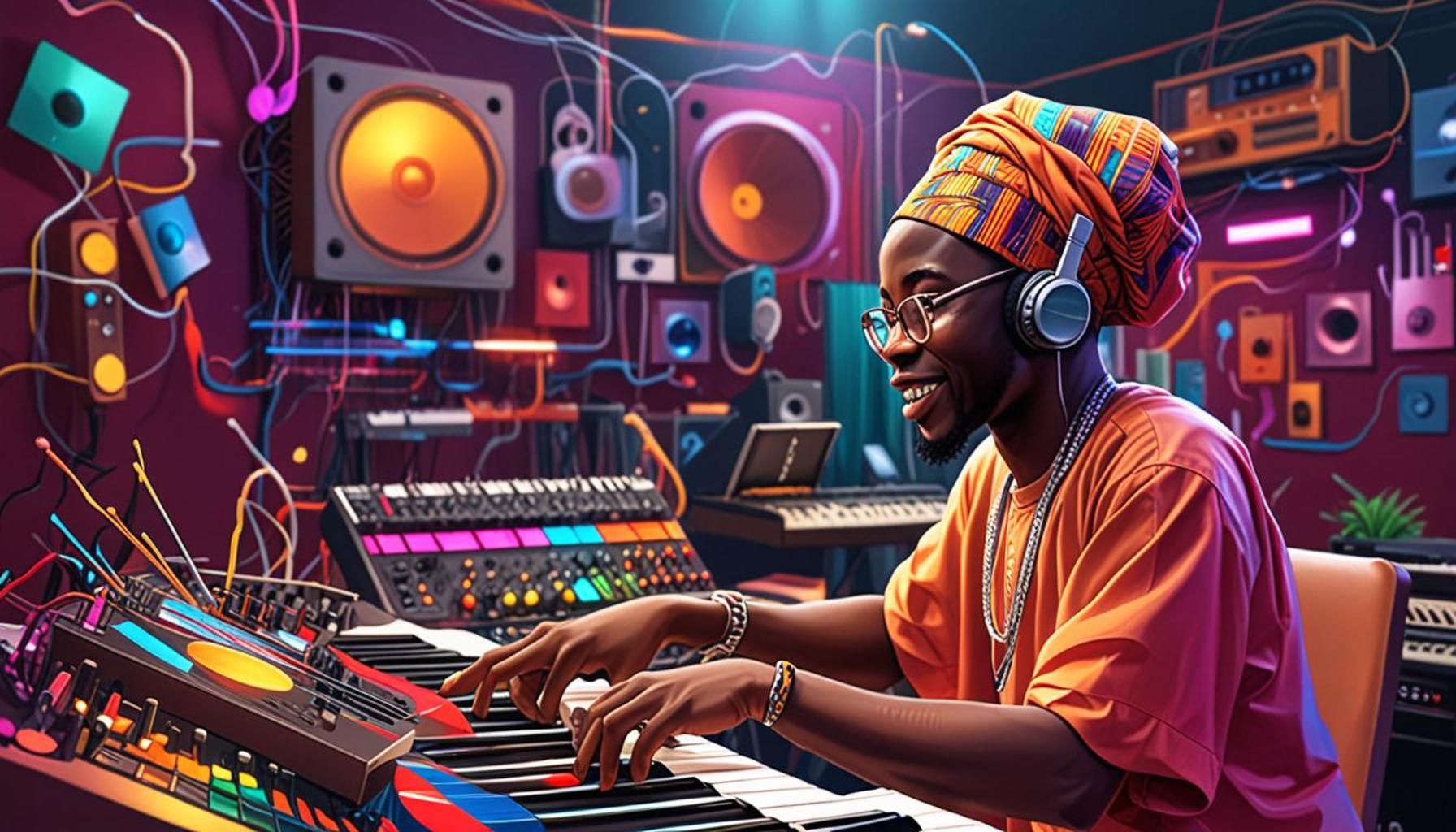
One of the most significant advancements in this music transformation is the proliferation of Digital Audio Workstations (DAWs). Programs such as FL Studio and Ableton Live have democratized production by allowing musicians to create high-quality tracks without the need for expensive studio time. For instance, many upcoming artists can be found producing hits in their living rooms or local communities, translating the essence of their experiences into music. This shift is evident in burgeoning artists like Omah Lay, who started by producing songs from his home studio, showing how access to technology can unleash untapped talent.
Mobile Recording Apps
Alongside DAWs, the rise of mobile recording apps has further leveled the playing field. Apps like GarageBand and BandLab enable aspiring musicians to capture their ideas on the go, transforming smartphones into portable studios. This accessibility has contributed to the growth of grassroots music communities, where young talents record tracks using just their phones. In urban areas, mobile music creation is increasingly common, with people collaborating on tracks in parks, cafes, or even during commutes. The ability to share raw and authentic snippets of music online also encourages peer feedback, fostering a culture of improvement and innovation.
Social Media Platforms
Another critical element in the evolution of Nigerian music is the emergence of social media platforms as tools for promotion and discovery. Platforms like Instagram and TikTok are not just networks for socializing; they have become essential for artists to share their music, connect with fans, and analyze trends. Viral dance challenges, song snippets, and promotional clips provide artists with unprecedented visibility. For example, songs that capture attention on TikTok sometimes become chart-toppers, demonstrating how social media influences listening habits. Artists can engage directly with their audience, getting instant feedback which informs their creative processes.
Collaboration and Distribution
The evolution of technology has catalyzed collaboration among artists from diverse backgrounds, encouraging the fusion of various musical styles. This synergy results in a rich tapestry of sound that reflects Nigeria’s multicultural landscape. Furthermore, online music distribution services, such as DistroKid and Tunecore, allow artists to upload their music to streaming platforms worldwide, making it easier to reach a global audience. The wider distribution means that local sounds can now resonate in international markets, enhancing Nigeria’s presence in the global music industry.

As technology continues to evolve, it shapes not only the music industry but also the cultural identity of Nigerian artists. Each beat and lyric reflects influences from traditional roots, modern technology, and the socio-political landscape. Thus, embracing these advancements is crucial for the future of music in Nigeria, reinforcing the country’s rich narrative through sound.
CHECK OUT: Click here to explore more
The Digital Revolution in Nigerian Music
The transformation of music creation in Nigeria is closely intertwined with the global shift toward digital innovation. More than ever, music can now be crafted in the comforts of home, in bustling cafes, or even at a roadside stall, thanks to the myriad of technologies at a musician’s fingertips. As Nigerian artists embrace this digital revolution, the diversity and richness of their music are being showcased like never before.
The Role of Digital Audio Workstations (DAWs)
At the forefront of this revolution are Digital Audio Workstations (DAWs), which have redefined how music is produced. DAWs like FL Studio and Logic Pro have become staples for contemporary music producers. These platforms not only allow users to compose, edit, and mix music but also provide a wealth of libraries and plugins that enhance creativity. Artists can experiment with different sounds and styles, leading to innovative music that reflects modern influences while embedding traditional Nigerian rhythms.
- Cost-Efficiency: With DAWs, musicians avoid huge studio fees, making music production accessible to all.
- Creative Freedom: Aspiring artists can iterate and refine their tracks until they achieve their desired sound.
- Self-Sufficiency: Many artists have built home studios, allowing them to take full control of their production process.
One notable example of this is the rise of Omah Lay, who began his journey by crafting tracks in his home studio. His success story is becoming a prototype for many emerging artists who harness DAWs to tell their stories through music.
Empowering Artists with Mobile Recording Apps
In addition to DAWs, the emergence of mobile recording apps has significantly broadened the landscape of music creation. Applications such as BandLab and GarageBand enable users to record high-quality audio directly from their smartphones, making music creation practically ubiquitous. This capability has paved the way for spontaneous creativity; artists can capture melodies that spark during everyday moments, whether while commuting or gathering with friends.
The democratization of music creation through mobile apps has also fostered the emergence of vibrant, grassroots music scenes in urban areas. Young talents across Nigeria are forming collectives where they share tips, collaborate on tracks, and produce music that resonates deeply with their communities. This camaraderie not only enriches the music itself but also builds a sense of belonging among creators and fans alike.
Utilizing Social Media for Promotion
As artists hone their skills using DAWs and mobile apps, social media platforms have emerged as transformative tools for engaging audiences. Instagram, TikTok, and Twitter have redefined how music is promoted and discovered. Artists can instantly showcase their music, connect with fans, and glean insight into listener preferences through likes, shares, and comments.
This interactive space allows artists to adopt innovative marketing strategies, such as viral dance challenges or song snippets, that can propel a track to popularity overnight. Songs that circulate through these platforms often experience a meteoric rise in streaming numbers, indicating the profound impact of social media on listener habits. As a result, artists are learning to track trending topics online, tailoring their music to meet the ever-evolving tastes of a dynamic audience.
In summary, technology is shaping the music creation process in Nigeria by providing tools that enhance creativity, increase accessibility, and promote collaboration. As musicians navigate these advancements, the result is a vibrant musical landscape that echoes the rich heritage and innovative spirit of Nigeria. Each beat produced and song recorded is a testament to the power of technology in bridging cultural gaps and amplifying local sounds for a global audience.
| Category | Details |
|---|---|
| Access to Resources | Musicians can now leverage online platforms to access affordable tools and resources for music production. |
| Networking Opportunities | Technology fosters collaboration among artists and producers, expanding networks beyond geographical limitations. |
The transformation of the music creation process in Nigeria is largely fueled by the democratization of technology, enabling new opportunities that were once unavailable. With access to affordable production software and educational resources, budding musicians are empowered to craft high-quality tracks right from their homes. The rise of digital platforms has dismantled the traditional barriers that often kept talented individuals from entering the industry.Furthermore, the ability to connect with other creatives is unprecedented. Musicians can collaborate with peers across the globe, sharing ideas and influences that enhance their work. As a result, the Nigerian music scene is not only vibrant but has also become a melting pot of diverse sounds and styles. Through these advancements, artists are not only expressing themselves but also leaving an indelible mark on the global music landscape. The role of social media cannot be overlooked, as it serves as a powerful tool for promotion and engagement with fans, allowing artists to build a dedicated following and gain recognition swiftly. The technological renaissance in Nigeria is reshaping the definition of who can be a musician, enriching the cultural tapestry in profound ways.
ADDITIONAL INSIGHTS: Expand your understanding here
Collaborative Platforms and Remote Production
The rise of collaborative platforms has further transformed music creation in Nigeria, allowing artists and producers to work together, regardless of geographical boundaries. Tools like Splice and Audacity enable musicians to share and edit their projects in real-time, bridging the gap between remote creators. This has led to more diverse soundscapes as artists can integrate varied influences, styles, and techniques from different parts of Nigeria and beyond.
For example, collaborations between artists from Lagos and those based in the northern regions can lead to unique fusions of Afrobeats and traditional Hausa music, creating fresh genres that resonate widely. Such partnerships highlight how technology fosters innovation, encouraging artists to step away from conventional genres and explore new avenues of creativity.
The Impact of Music Distribution Platforms
Another critical technological advancement is the migration from physical distribution to digital distribution platforms. Services like Spotify, Apple Music, and YouTube have completely reshaped how music is distributed and consumed. For many Nigerian artists, these platforms serve not just as a means of distribution but also as a source of substantial revenue through streaming.
Unlike previous generations that relied heavily on album sales or radio play, contemporary artists leverage data analytics provided by these platforms. This information helps them understand listener demographics and preferences, enabling smarter decisions about tours, promotional strategies, and even future projects. For instance, if a certain song resonates with listeners in Europe or America, an artist may choose to plan a concert tour in those regions, maximizing exposure and potential earnings.
The Role of Online Communities
The growth of online communities focused on music production and collaboration has also enriched the landscape for Nigerian musicians. Platforms such as YouTube and Reddit offer spaces where creators share tutorials, critique each other’s work, and exchange production tips. By accessing knowledge freely available online, musicians can hone their craft and experiment with techniques that may have been inaccessible due to high costs or limited resources in the past.
Additionally, many artists in Nigeria are recognizing the importance of networking through these online communities. Initiatives like the Nigerian Music Conference provide opportunities for artists to connect with industry professionals, producers, and one another. These collaborative efforts foster a sense of unity that reflects the rich cultural tapestry of Nigeria, uniting diverse genres like hip-hop, highlife, and Afrobeat.
Virtual Reality and Augmented Reality in Music
As technology continues to evolve, one exciting frontier for music creation is the integration of virtual reality (VR) and augmented reality (AR)</strong). These technologies are still in the infancy stage in the Nigerian music industry, yet they hold tremendous potential for immersive experiences. Musicians can create virtual concerts, allowing fans to experience live performances from the comfort of their homes while feeling as though they are right in the venue.
The impact of such experiences could not only change the way music is consumed but also broaden the horizons for Nigerian artists, reaching global audiences who may otherwise have little exposure to their work. This will set the stage for further innovation as technology continues to harmonize with the traditional elements of Nigerian music.
In essence, the collaborative tools, digital distribution platforms, online communities, and emerging technologies present a landscape rich with opportunities for growth and creativity. As Nigerian artists navigate this evolving terrain, they illustrate how technology profoundly impacts music creation, enabling them to break boundaries and reach new heights both locally and internationally.
SEE ALSO: Click here to read another article
Conclusion
In conclusion, the rapid advancement of technology is significantly reshaping the music creation process in Nigeria, opening new avenues for artistic expression and collaboration. The emergence of collaborative platforms has enabled musicians to overcome geographical limitations, creating unique synergies that blend diverse musical traditions. This integration is not merely about sound; it represents a cultural amalgamation that highlights the rich heritage of Nigeria while pushing the boundaries of creativity.
The pivot towards digital distribution platforms has also empowered artists, allowing them to reach global audiences and derive revenue from their artistry in ways that were previously impossible. This access to analytics informs strategic decisions, elevating local talent on international stages. Furthermore, the role of online communities cannot be overstated; they provide essential support for musicians seeking knowledge and networking opportunities, fostering a collective spirit that characterizes contemporary Nigerian music.
As we look towards the future, the integration of virtual reality (VR) and augmented reality (AR) into music creation promises to usher in even more transformative experiences, allowing fans to engage with artists and their music in unprecedented ways. The combination of innovation and tradition could redefine entertainment landscapes, making Nigerian music not just a regional phenomenon but a global sensation.
Ultimately, technology is not just altering the way music is created; it is nurturing a vibrant ecosystem where creativity flourishes, making Nigerian music a powerful force with the potential to resonate across the world. As these advancements continue to evolve, artists and producers alike must remain open to exploration and collaboration, ensuring that the heartbeat of Nigeria’s diverse musical landscape continues to thrive and inspire.